Introduction: The Non-Negotiable Imperative of Safety in Residential Energy Storage
As the global energy transition accelerates, the stackable home lithium battery has emerged as a cornerstone of modern residential and small commercial micro-grids. However, with the proliferation of Lithium-ion energy storage systems (ESS), the industry has faced a critical bottleneck: thermal safety. Unlike traditional lead-acid or Nickel-Cadmium batteries, the high energy density of lithium-based systems introduces inherent risks of thermal runaway, posing threats to property and human life. This blog provides a masterclass in safety engineering, moving beyond marketing veneer to scrutinize the advanced Battery Management Systems (BMS), multi-layer fire suppression, and rigorous global certifications that define a high-quality stackable home lithium battery. For B2B procurement specialists and system integrators, understanding these specifications is not merely about technical due diligence; it is about ensuring long-term asset reliability, insurance viability, and operational peace of mind.
Core Architecture: Multi-Level Safety Barriers in Stackable Lithium Battery
The architecture of a safe stackable home lithium battery is predicated on a hierarchical defense-in-depth strategy. This begins with the cell chemistry selection, prioritizes robust passive protection, and culminates in active intelligent monitoring via the BMS. The fundamental unit is the Tier-1 LFP (Lithium Iron Phosphate) cell, which offers superior thermal and chemical stability compared to Nickel Manganese Cobalt (NMC) variants, characterized by a higher decomposition temperature threshold (~500°C) and lower oxygen release during exothermic reactions.
Cell & Pack Engineering: Passive Safety First
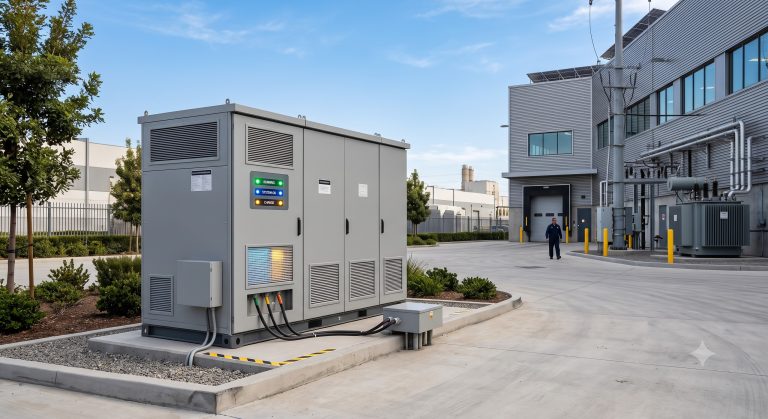
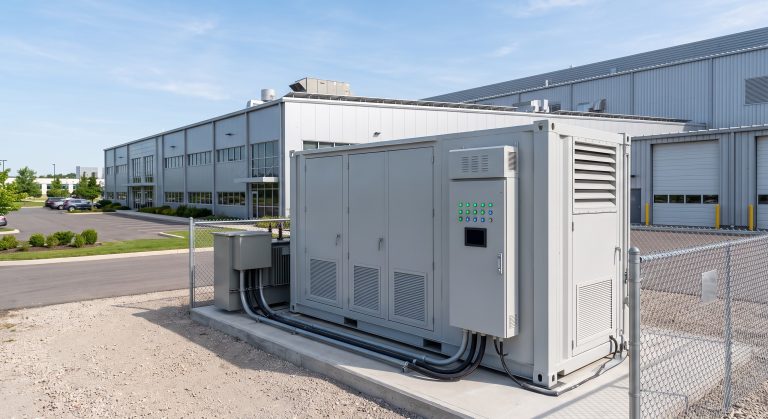
At the pack level, modules are designed with high-dielectric strength separators and pressure-relief venting mechanisms to channel off-gassing safely. The physical segregation of cells using mica sheets and flame-retardant plastics within each module ensures that a single-cell failure does not cascade. Furthermore, the cabinet-level design incorporates airflow corridors for passive thermal dissipation, complemented by an intelligent thermal management system.
Advanced Battery Management System (BMS): The Intelligent Guardian
The BMS is the computational core responsible for the safe operation of the stackable home lithium battery. It executes real-time monitoring of voltage (per cell and per pack), current, and temperature (using multiple NTC thermistors). The BMS ensures precise cell balancing through passive or active methods to maximize usable capacity and mitigate dendrite formation. The primary safety logic is implemented via the Contactor Control and Isolation mechanisms, which physically decouple the battery from the PCS within milliseconds upon detecting over-voltage, under-voltage, over-current, or over-temperature conditions. The state-of-charge (SOC) and state-of-health (SOH) algorithms are calibrated continuously, ensuring operational parameters stay strictly within the defined safe operating area (SOA).
Multi-Layer Fire Suppression & Thermal Control
A paramount differentiator in safe stackable home lithium battery systems is the integration of built-in fire suppression. Passive thermal management is handled by the cooling architecture—while standard units utilize Air Cooling with forced convection fans, high-end or high-capacity modules may incorporate Liquid Cooling to maintain a consistent 20-25°C temperature range, crucial for preventing hot spots. However, active fire suppression is the final safety net. This typically includes aerosol or perfluorohexanone (Novec 1230 equivalent) based fire extinguishing systems controlled by an independent fire detection controller. Additionally, the system must feature a de-energizing function to shut down the PCS immediately upon fire signal activation, complying with NFPA 855 requirements.
Technical Specifications & Compliance Standards
When evaluating a stackable home lithium battery, the engineering specifications must be validated against rigorous testing standards. A comprehensive specification matrix is essential for B2B sourcing and integration planning. The table below details the critical technical parameters for a high-performance residential storage system.
| Key Parameter | Technical Specification |
|---|---|
| Battery Chemistry | Tier-1 LFP (Lithium Iron Phosphate) |
| Nominal Capacity (Per Module) | 5.12 kWh (Customizable up to 100 kWh+ cluster) |
| Cycle Life (at 90% DoD) | > 8,000 cycles (End of Life at 70% SOH) |
| Round-Trip Efficiency | ≥ 94.5% (Inverter + Battery combined) |
| Operating Voltage Range | 100V DC to 800V DC (Configurable) |
| Thermal Management | Passive & Forced Air Cooling / Optional Liquid Cooling |
| IP Rating | IP54 (Indoor) / IP65 (Outdoor variants) |
| Safety Certifications | IEC 62619, UL 9540, CE, UN38.3 |
Beyond these core parameters, the compliance certifications are non-negotiable for safety and insurance approval. A high-quality system must carry:
- IEC 62619: Safety requirements for industrial and commercial secondary lithium batteries, covering functional safety and thermal propagation.
- UL 9540: Standard for Energy Storage Systems and Equipment, evaluating the safety of the complete ESS, including chemical, fire, and electrical hazards.
- UN38.3: Transportation safety certification, ensuring the battery passes altitude, thermal, vibration, shock, and short-circuit tests for safe shipping.
- CE Marking: Conformance with European health, safety, and environmental protection standards.
The round-trip efficiency of the system, often exceeding 94-96%, is a direct result of the high-quality LFP chemistry and low internal resistance power conversion systems, ensuring maximum energy yield per cycle. The Depth of Discharge (DoD) is typically set at a conservative 90% to prolong the cycle life to over 8,000 cycles, which translates to a lifespan of over 15 years at daily cycling.
Commercial ROI, Asset Protection & Insurance Viability
Investing in safety features directly translates into a superior Total Cost of Ownership (TCO) and robust insurance risk assessment. A stackable home lithium battery with UL 9540A (thermal runaway propagation resistance testing) certification is often viewed more favorably by underwriters, potentially reducing premiums. The integration of advanced BMS and fire suppression mitigates the risk of catastrophic failure and business interruption. Furthermore, for industrial and commercial facilities, the ability to qualify for utility Demand Response programs and peak-shaving incentives requires a reliable and safe energy storage asset. The reduced failure rate ensures predictable performance in peak-shaving scenarios, where the system discharges during high-tariff periods and charges during off-peak hours, generating a clear and calculable ROI. The CapEx is offset by OpEx savings, with payback periods often shortening as safety improves system longevity and operational efficiency.
Deployment Scenarios: Residential and C&I Integrations
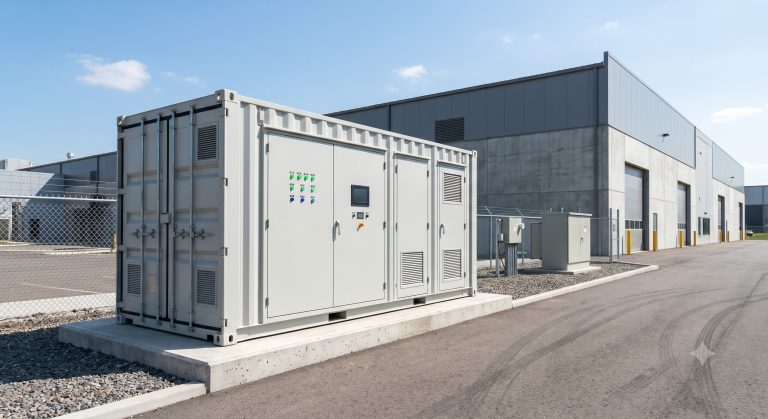
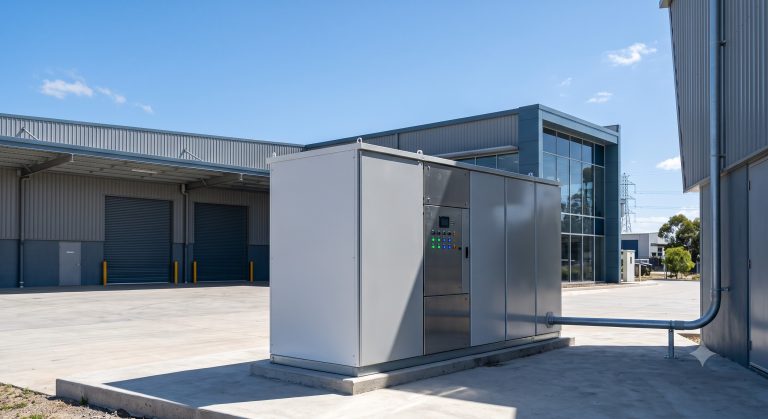
The versatility of the stackable home lithium battery allows for flexible deployments ranging from backup power in single-family homes to load-shifting in commercial buildings and industrial parks. In PV-Storage-Charging (光储充) configurations, these batteries manage the intermittent nature of solar power, providing a stable DC bus for EV supercharging stations. The stackable modular design facilitates scaling from 5 kWh to over 100 kWh per cluster, making them ideal for multi-tenant residential blocks and small factories seeking energy independence and grid support. The ability to integrate seamlessly with hybrid inverters and smart EMS (Energy Management Systems) allows for VPP (Virtual Power Plant) readiness, enabling users to participate in frequency regulation and grid ancillary services.

Conclusion: The Future of Safe and Reliable Energy Storage
In conclusion, the stackable home lithium battery represents the pinnacle of residential and C&I energy storage evolution, provided safety and compliance are prioritized. Procurement decisions must be driven by objective, data-driven evaluations of cycle life, DOD parameters, and thermal control efficacy. By demanding systems with robust Tier-1 LFP cells, multi-layered BMS strategies, and certified fire suppression, B2B buyers can mitigate risk, maximize asset lifespan, and secure lucrative financial returns through peak shaving and grid support. As the energy landscape continues to decarbonize, the high-quality, certified, and technologically advanced stackable lithium battery will be the cornerstone of a resilient and safe energy future.