Overview
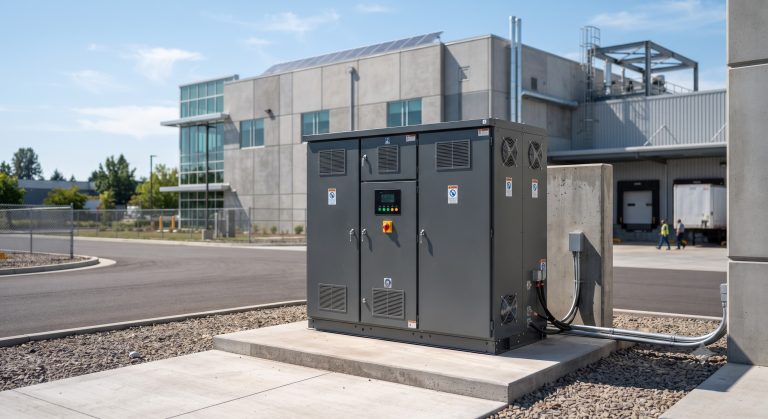
Welcome to our technical support FAQ. As a B2B energy storage system (BESS) manufacturer, we prioritize safety and reliability above all else. One of the most critical validation processes our systems undergo is extreme high and low-temperature impact testing. This ensures our liquid-cooled LFP battery cabinets maintain operational integrity and safety from scorching deserts to freezing tundra. Below, we answer the most common pre-sales and post-sales questions regarding our rigorous thermal testing protocols and broader system performance.
Frequently Asked Questions
- Q1: What specific temperatures are used in your extreme high/low-temperature impact tests?
- Our standard impact tests expose the BESS to a temperature range of -40°C (-40°F) to +60°C (+140°F). This rigorous 100-hour cycling test simulates rapid thermal shocks and sustained environmental extremes to validate the system’s structural integrity, seal efficiency, and the effectiveness of our advanced liquid cooling circuit in maintaining optimal cell core temperatures.
- Q2: How does the liquid cooling system perform during these extreme temperature tests?
- The liquid cooling system is designed to maintain cell-level temperature variance within ±2°C even when ambient temperatures hit 60°C. During testing, we monitor coolant flow rates and inlet/outlet temperatures to ensure the system can reject heat efficiently. At -40°C, the system uses a low-temperature anti-freeze coolant blend and pre-heating logic to ensure the battery can safely accept a charge without lithium plating.
- Q3: What Tier-1 LFP cell degradation profiles are observed after these thermal stress tests?
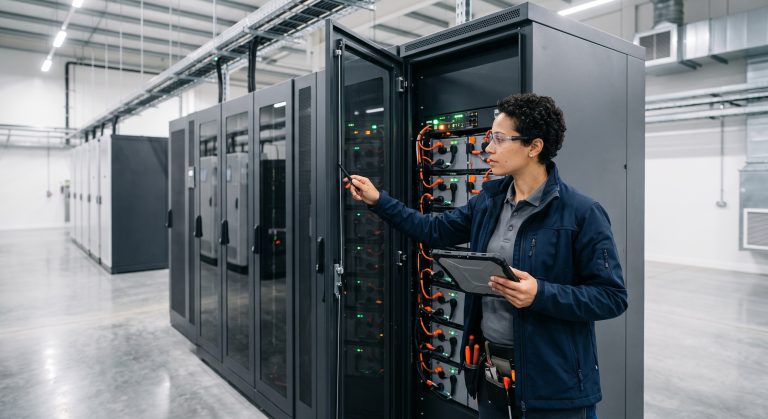
- Post-testing, our Tier-1 LFP cells show a degradation profile of less than 5% capacity loss over the extreme test cycle. The robust cathode chemistry of LFP provides inherent thermal stability, but our precise Battery Management System (BMS) and inter-cell balancing protocols ensure that no single cell is overstressed, preserving the 10,000-cycle life expectancy at 80% Depth of Discharge (DoD).
- Q4: What fire safety mechanisms and thermal runaway prevention features are validated during these tests?
- Our multi-tier fire safety mechanism is validated to prevent thermal runaway. This includes early gas and smoke detection sensors that trigger a tiered response: first, isolating the affected module; second, activating the aerosol fire suppression system; and third, alerting the EMS. The cabinet-level design also includes thermal barriers between modules to contain any single-cell event, proven effective in our UL 9540A testing.
- Q5: How do these extreme temperature tests affect your performance and warranty policy?
- Passing these tests is a prerequisite for our standard 10-year performance warranty. We guarantee that the system will maintain a minimum of 70% of its rated energy capacity at the end of 10 years, provided the system operates within the validated -20°C to +50°C ambient range for continuous operation. This is backed by our comprehensive post-sales O&M support and global service network.
- Q6: Do you test the grid-tie and off-grid switch functionality under these thermal conditions?
- Yes, we validate the Bi-directional Power Conversion System (PCS) and grid synchronization algorithms across the entire operational temperature spectrum. Testing confirms seamless off-grid islanding and reconnection to the grid without disruption, ensuring the BESS can provide peak shaving, demand response, and emergency backup power reliably in any climate scenario.
- Q7: What is the IP rating and anti-corrosion protection tested during these environmental impacts?
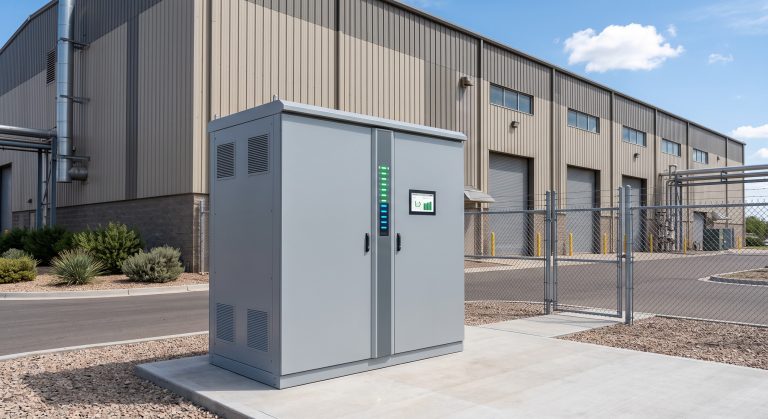
- Our cabinets are rated IP65+ for dust and water ingress protection. During the temperature impact tests, we also conduct salt spray and corrosion resistance tests to ensure the enclosure and internal components withstand harsh outdoor environments, including coastal areas. This ensures long-term reliability and minimizes maintenance overhead for industrial facilities.