Overview
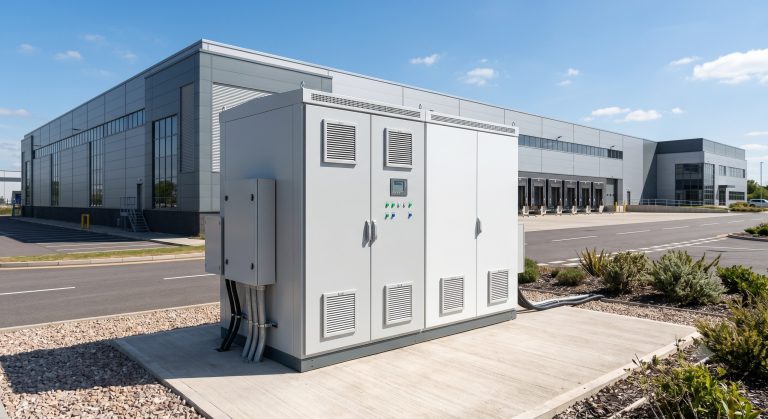
For facility managers and plant engineers, understanding the maximum expansion capacity of a BESS is critical for future-proofing your energy infrastructure. The Wantage C&I energy storage system is engineered for modular scalability, offering flexible capacity upgrades to meet growing energy demands. This FAQ addresses the most critical technical and commercial questions regarding its expansion limits, performance, and lifecycle.
Frequently Asked Questions
- Q1: What is the maximum expansion capacity for the Wantage C&I energy storage system?
- The maximum expansion capacity is achieved through parallel cabinet connectivity and custom DC busbar linkage, allowing for virtually unlimited scaling by connecting multiple units. Each base cabinet, such as the IntegOne series, supports expandable battery capacity up to 225kWh in a single configuration, with multiple units paralleled to reach multi-megawatt-hour capacities for large industrial facilities .
- Q2: What battery chemistry and cycle life does the Wantage system use for long-term scalability?
- The Wantage C&I system utilizes Tier-1 LFP (Lithium Iron Phosphate) cells, specifically 314Ah prismatic cells, known for superior thermal stability and safety. The standard cycle life is guaranteed at 8000 cycles at 80% Depth of Discharge (DoD) under 25°C ambient temperature, ensuring over 15 years of operational life for most commercial applications .
- Q3: How does the liquid cooling system affect performance during expansion?
- The system uses an advanced air conditioning cooling method for the cabinet and smart fan cooling for the inverter, maintaining optimal operating temperatures between -30°C and 60°C . As you expand capacity, the cooling system is designed to handle the increased thermal load, preserving battery degradation profiles and ensuring consistent round-trip efficiency, which peaks at 97.8% .
- Q4: Can the Wantage system support both grid-tie and off-grid configurations after expansion?
- Yes, it supports parallel installation for both on-grid and off-grid operation, with a seamless switchover time of less than 20ms . This flexibility allows facilities to use the system for peak shaving, demand response, or as a reliable backup power source during grid outages. The bi-directional PCS supports rated output power up to 50kW per unit, with easy AC coupling for expanded loads.
- Q5: How is ROI calculated when expanding the storage capacity?
- ROI is calculated based on peak shaving arbitrage and the reduction in Levelized Cost of Energy (LCOE). With a 90% Depth of Discharge and high charge/discharge efficiency of 97.5% , expanding capacity allows you to store more cheap off-peak energy. The 10-year performance warranty and low degradation rate ensure that the expanded capacity maintains high throughput, maximizing savings over the system’s lifespan.
- Q6: What fire safety and thermal runaway prevention measures are built into the Wantage system?
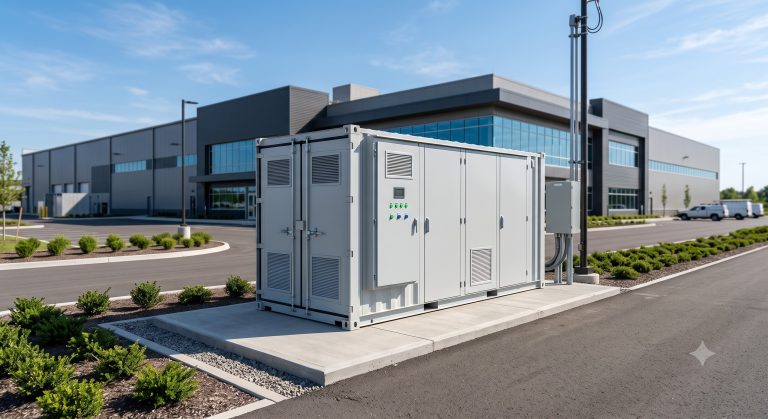
- Safety is managed through a multi-tier approach including aerosol fire protection (with optional Novec1230 or water systems) . The active BMS (Battery Management System) provides inter-cell balancing protocols and early gas/smoke detection to isolate faults before thermal runaway occurs. The IP55 cabinet and C4 anti-corrosion degree (C5 optional) protect the system in harsh outdoor environments .
- Q7: What are the monitoring and communication protocols for expanded systems?
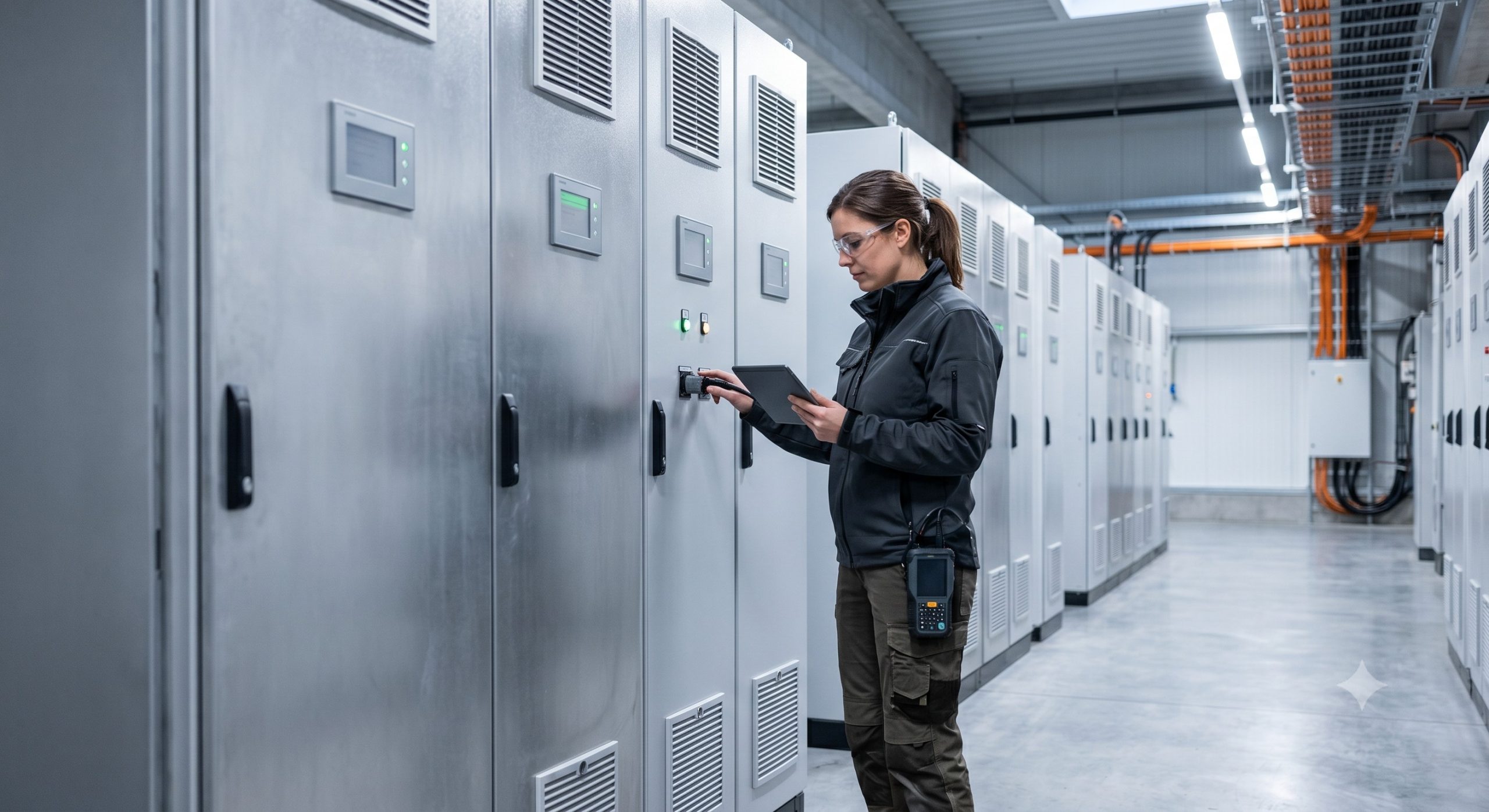
- The system features a comprehensive BMS monitoring platform with communication via CAN, RS485, WIFI, and LAN interfaces . This allows for seamless integration with existing facility management systems and local EMS for demand response optimization. The OLED and LED display provides local real-time status, while remote monitoring allows for proactive O&M support.
- Q8: Does the expansion capacity affect compliance with international standards?
- No. The modular design maintains strict compliance with international interconnection standards, including UL 9540, IEC 62619, and CE requirements. The system’s topology and inverter design ensure that even when paralleled, the power quality remains high with less than 3% total harmonic distortion (THD) at rated output power .