Introduction: The Energy Crisis and the Mandate for Intelligent Efficiency
The global energy landscape is undergoing a seismic shift. Faced with an unprecedented energy crisis driven by population growth, urbanization, and geopolitical instability, the pressure to decarbonize and optimize consumption has never been more critical . Buildings account for an estimated 20-40% of overall energy usage, making the residential sector a primary battleground for sustainability . For B2B stakeholders—from utility operators and service aggregators to property developers and industrial park managers—the deployment of robust Smart Home Energy Management Systems (HEMS) represents a pivotal strategy . These systems transcend basic automation, evolving into intelligent platforms that leverage IoT, AI, and advanced data analytics to deliver tangible economic and environmental returns.
This guide serves as a comprehensive technical blueprint for industry professionals. We will dissect the core architecture of commercial-grade HEMS, analyze the technical specifications driving performance, evaluate the commercial ROI through peak shaving and demand response, and outline deployment scenarios for maximum impact.
Core Architecture & Battery Management: The HEMS Technical Stack
A modern smart home energy management solution is far more than a simple thermostat. It is a sophisticated cyber-physical system designed for monitoring, control, and optimization. The architecture is typically classified into three integrated layers: the physical layer, the communication layer, and the software layer .
Physical Layer: Sensors, Meters, and the Internet of Things (IoT)
This foundational layer comprises the hardware responsible for data acquisition. It includes smart meters, current/voltage sensors, temperature and humidity sensors, and interconnected smart appliances . Advanced systems integrate Renewable Energy Sources (RES) like solar PV panels and Energy Storage Systems (ESS), creating a holistic energy ecosystem . Data granularity is paramount; solutions like those from Shelly provide micro-sized, retrofittable smart relays that enable precise energy monitoring at the circuit level .
Communication Layer: Seamless Interoperability
The communication layer facilitates the interconnection between control systems, central platforms, and smart devices . This is where protocols like Wi-Fi, Zigbee, Z-Wave, and Matter ensure interoperability. The integration of B2B platforms, such as Samsung’s SmartThings Pro (which extends consumer technology to commercial environments via a cloud-based architecture), demonstrates the push towards unified, scalable management interfaces . For professional installers, DIN-rail mountable solutions with LAN connectivity ensure maximum reliability and security .
Software Layer: AI-Driven Intelligence
This is the brain of the operation. The Energy Management System (EMS) employs algorithmic and programming logic to optimize system performance . Modern EMS solutions leverage AI and Machine Learning (ML) to analyze complex datasets, detect patterns, and make predictive decisions . For instance, GoodWe’s SEMS+ integrates an ‘AI Agent’ for troubleshooting, ‘AI Scheduling’ for dynamic energy arbitrage (peak-shaving and valley-filling), and automated health checkups for assets . Similarly, Samsung’s SmartThings Pro uses AI Energy Mode to adjust energy usage based on environmental impact and user comfort . These advanced algorithms, such as the Gradient Boosting mechanism, can achieve prediction accuracies of up to 95%, ensuring dependable and efficient energy management .
Technical Specifications: Benchmarking Performance
For B2B sourcing and engineering validation, data-driven metrics are non-negotiable. The performance of an ESS integrated into a HEMS is defined by critical parameters. While smaller residential units may operate in kWh capacities, the underlying technology is often scaled from commercial and industrial (C&I) platforms, utilizing Tier-1 LFP (Lithium Iron Phosphate) cells known for their thermal stability and long cycle life. Key performance indicators (KPIs) must align with industry standards to ensure safety, reliability, and long-term asset value.
| Key Parameter | Technical Specification (Commercial/Residential Grade) |
|---|---|
| Battery Chemistry | Tier-1 LFP (Lithium Iron Phosphate) – preferred for thermal stability and lifecycle |
| System Capacity | From 5kWh (residential) to multi-MWh (containerized C&I scales) |
| Cycle Life | ≥6,000 cycles @ 80% DoD; ≥8,000 cycles @ 90% DoD typical for high-quality LFP |
| Round-Trip Efficiency (RTE) | >92% for leading DC-coupled ESS with liquid cooling |
| Depth of Discharge (DoD) | Optimized to 80%-90% to balance capacity utilization and cycle life |
| Thermal Management | Liquid Cooling/Air Cooling; Liquid Cooling preferred for high-density, high-C-rate applications |
| Compliance Standards | IEC 62619, UL 9540, CE, UN38.3 |
Safety & Compliance Standards
Adherence to international safety certifications is critical. B2B buyers must insist on compliance with IEC 62619 (safety requirements for secondary lithium cells and batteries for use in industrial applications), UL 9540 (safety standard for energy storage systems), and UN38.3 (transportation safety). CE marking is essential for the European market. Systems with advanced Battery Management Systems (BMS) and integrated fire suppression are non-negotiable for preventing thermal runaway .
Commercial ROI & Grid Support: The Business Case
The economic drivers for deploying advanced HEMS are compelling, moving beyond simple energy savings to sophisticated financial optimization.
Peak Shaving and Total Cost of Ownership (TCO)
By intelligently scheduling shiftable loads (like washing machines or EV chargers) and discharging batteries during peak tariff periods, HEMS can dramatically reduce electricity costs . Research shows that adaptive techniques can save up to 53% of home electricity expenses . For commercial facilities, this translates to significant peak-shaving revenue and a rapid return on investment (ROI). The optimization of Depth of Discharge (DoD) parameters is crucial for maximizing the cycle life of the battery, thereby amortizing the upfront CapEx over a longer period and reducing the overall Levelized Cost of Energy (LCOE) .
Demand Response (DR) and Virtual Power Plants (VPPs)
HEMS are gateways to Demand-Side Management (DSM). By enabling participation in utility incentive programs and price-based demand response strategies (like real-time pricing), these systems allow end-users to generate revenue by reducing consumption during grid stress events . Aggregated smart homes can form Virtual Power Plants (VPPs), providing frequency regulation and grid support services to utility operators . This capability transforms the smart home from a passive consumer into an active, value-generating node in the smart grid.
Deployment Scenarios: From Residential to Commercial Micro-grids
The flexibility of modern HEMS allows for scalable deployment across diverse environments.
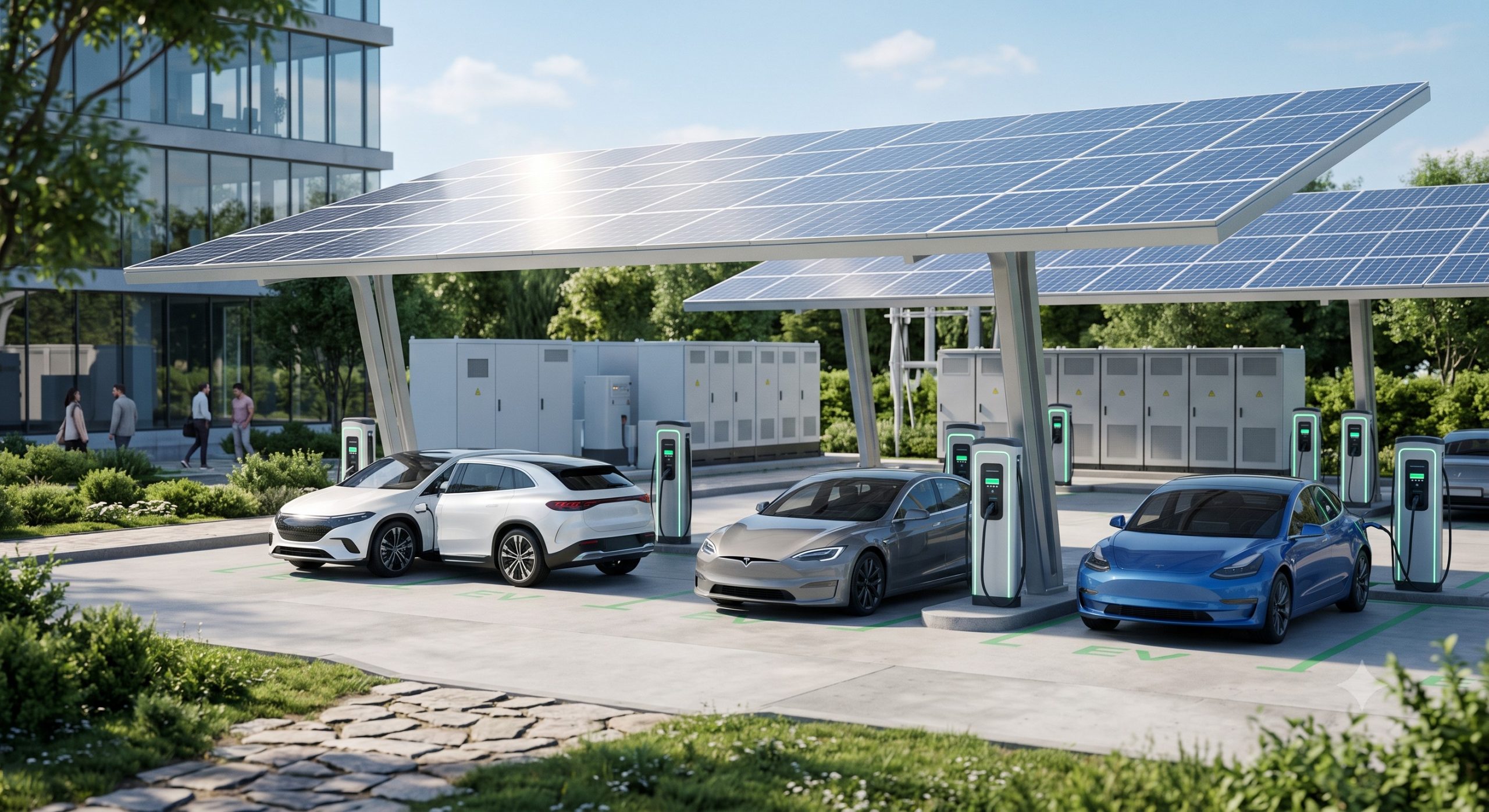
PV-Storage-Charging Synergy
For EV supercharging stations and commercial parking structures, integrating solar canopies with ESS and smart charging infrastructure creates a self-sustaining energy loop. This PV-Storage-Charging (光储充) synergy reduces grid dependency and maximizes the use of on-site renewable energy .
Industrial Parks and Multi-Tenant Buildings
Cloud-based platforms like SmartThings Pro and ABB’s InSite are ideal for managing mixed-use and light commercial buildings . These solutions provide property managers with a unified dashboard to monitor and adjust energy consumption across multiple units, consolidating management and reducing ‘app overwhelm’ .
Modular Scaling and High-Density Cabinets
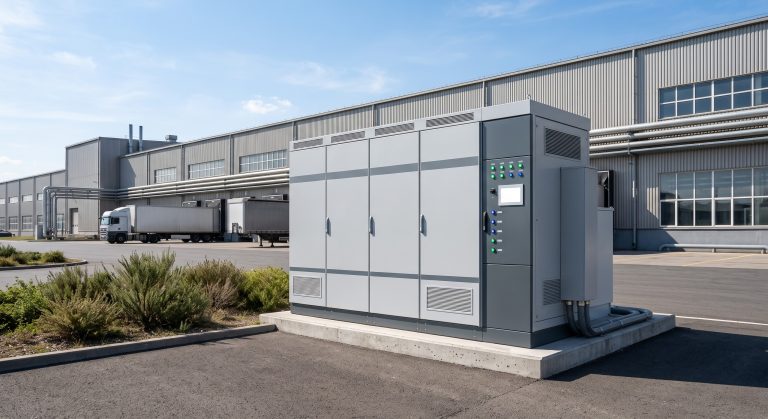
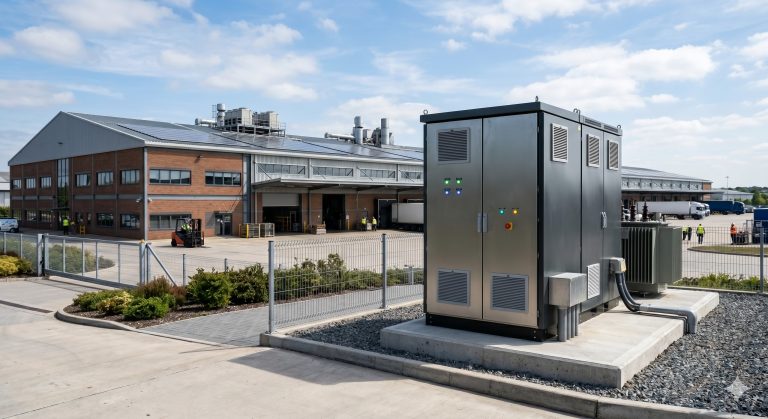
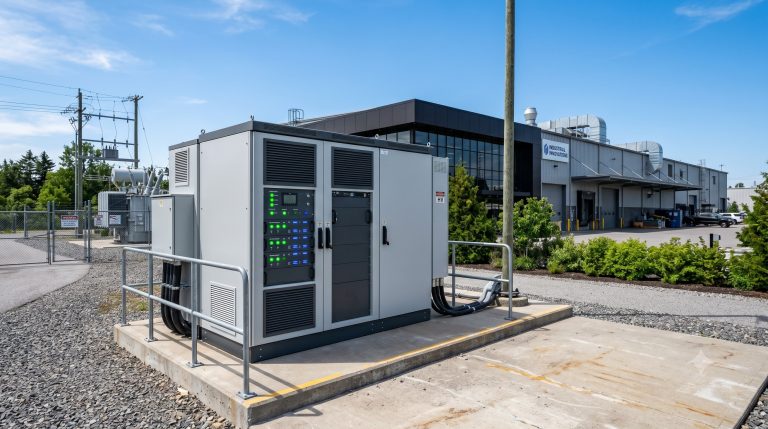
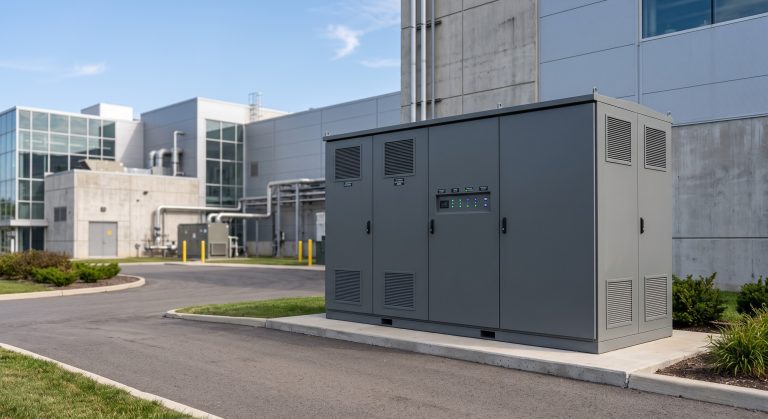
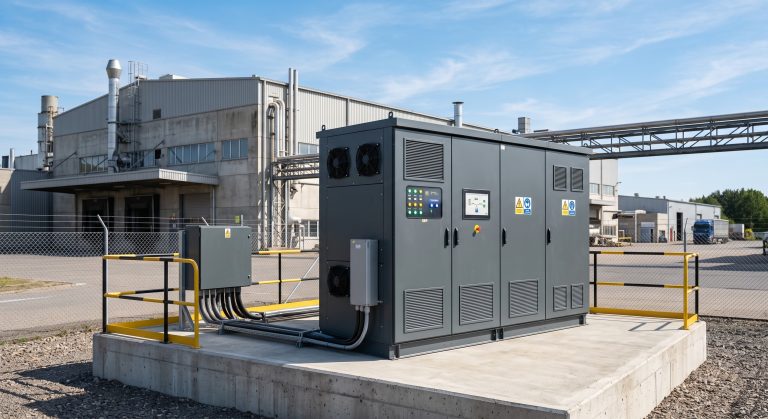
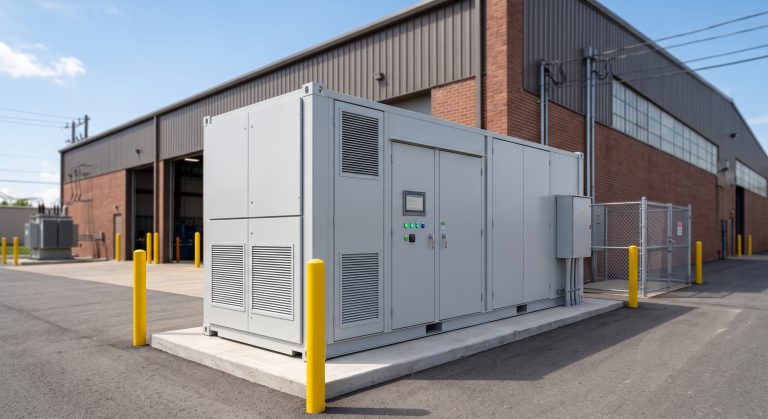
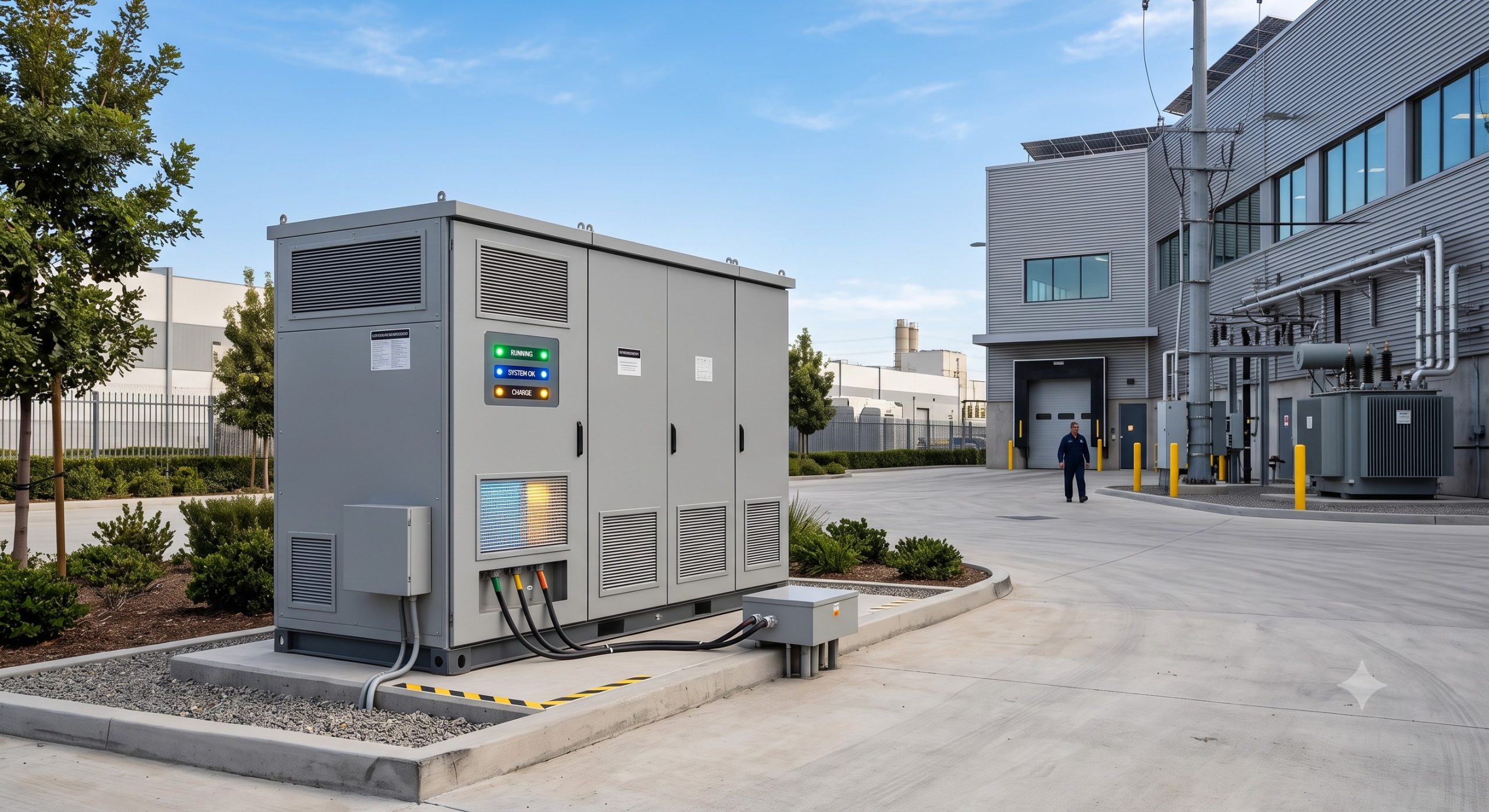
For high-density scenarios, such as data centers or multi-family residential complexes, modular ESS cabinets with liquid cooling are increasingly deployed. This technology offers superior thermal control and footprint efficiency, ensuring reliable operation even under peak loads .
Conclusion: The Future of Energy is Intelligent and Decentralized
The transition towards decentralized, AI-driven energy management is no longer a futuristic concept but a present-day imperative. For B2B decision-makers, the adoption of smart home energy management systems represents a strategic investment in resilience, sustainability, and profitability. The convergence of IoT, advanced battery chemistry, and machine learning is creating a new paradigm where buildings become active participants in the energy ecosystem, driving value for owners, operators, and the grid alike. As the technology continues to mature, focusing on interoperability, data security, and robust compliance standards will be key to unlocking the full potential of this transformative market .