Introduction: The Critical Role of Cell Balancing in C&I Energy Storage Safety
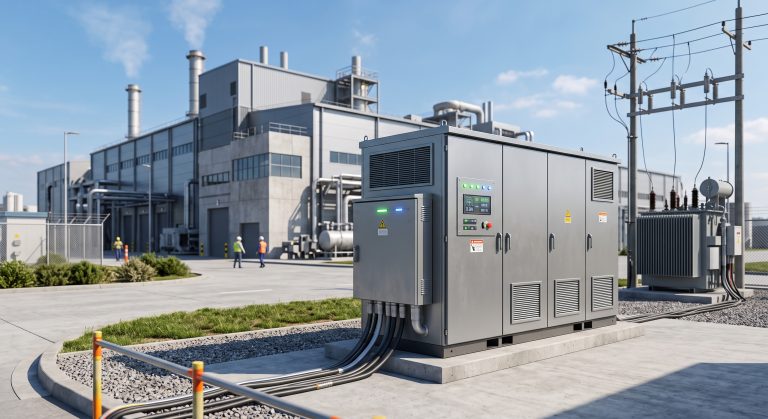
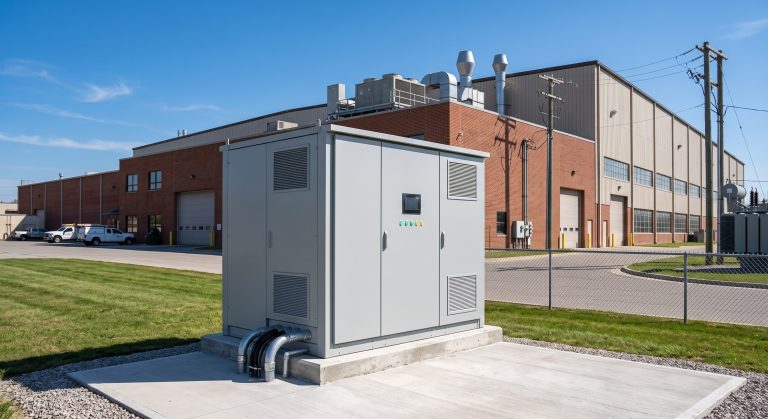
In the rapidly evolving landscape of Commercial and Industrial (C&I) energy storage, the pursuit of higher system capacity (kWh/MWh) and round-trip efficiency has intensified focus on a fundamental yet often underestimated subsystem: battery cell balancing technology. As Tier-1 LFP (Lithium Iron Phosphate) cells are stacked into high-voltage BESS cabinets, even microscopic variations in State of Charge (SoC), internal resistance, and Depth of Discharge (DoD) can cascade into catastrophic thermal runaway. This deep technical analysis explores how advanced Battery Management Systems (BMS) and multi-layered fire suppression architectures are engineered to prevent such failures, ensuring compliance with UL 9540, IEC 62619, and UN38.3 standards.
Core Architecture: BMS-Driven Cell Balancing & Thermal Control
Active vs. Passive Balancing: The Efficiency Threshold
At the heart of a safe commercial energy storage system lies the BMS, which orchestrates cell balancing to maximize cycle life (e.g., >8000 cycles @ 90% DoD). Passive balancing, which dissipates excess energy as heat through resistors, is cost-effective but generates internal thermal stress. In contrast, active balancing transfers energy between cells via capacitors or inductors, achieving round-trip efficiency improvements of 2-5% and reducing localized hotspots. For MWh-scale deployments, active balancing is essential to maintain cell voltage deviation below ±20mV, a critical threshold for preventing thermal runaway propagation.
Liquid Cooling Thermal Control Integration
To manage the heat generated during high-C-rate charging and discharging, Tier-1 systems employ liquid cooling thermal control. Unlike air cooling, liquid cooling maintains cell temperature uniformity within ±2°C, drastically reducing the risk of exothermic chain reactions. The BMS continuously monitors cell temperatures via NTC sensors, adjusting coolant flow rates to maintain optimal operating windows (typically 15-35°C). This integration is pivotal for peak shaving applications where rapid response times are required.
Technical Specifications: Metrics & Standards
The following table delineates the critical parameters for a safety-optimized battery cell balancing system in C&I applications. These metrics are verified through rigorous Factory Acceptance Testing (FAT) and Site Acceptance Testing (SAT).
| Key Parameter | Technical Specification |
|---|---|
| Battery Chemistry | Tier-1 LFP (Lithium Iron Phosphate) |
| Cycle Life | >8000 cycles @ 90% DoD |
| Round-trip Efficiency | ≥95% (DC-DC, including balancing losses) |
| Cell Balancing Method | Active (Inductor-based) / Passive (Resistor-based) |
| Voltage Deviation Threshold | <±20mV (post-balancing) |
| Thermal Control | Liquid Cooling (Ethylene Glycol/Water Mixture) |
| Operating Temperature | -20°C to +55°C (derated above 45°C) |
| Fire Suppression | Perfluorohexanone + Aerosol (UL 9540A compliant) |
| Communication Protocol | CAN 2.0B / Modbus TCP |
| Compliance Standards | IEC 62619, UL 9540, UN38.3, CE |
Multi-Level Fire Suppression & Thermal Runaway Mitigation
Cell-Level Sensing & Early Detection
Advanced BMS architectures now incorporate cell-level pressure and gas sensors to detect early signs of thermal runaway—such as electrolyte vaporization—before temperature spikes. This early warning enables sub-second triggering of fire suppression systems, which may include aerosol, clean agent (e.g., Novec 1230), or water mist delivery. Compliance with UL 9540A requires that these systems prevent fire propagation to adjacent cabinets for at least one hour.
Containerized Fire Suppression Design
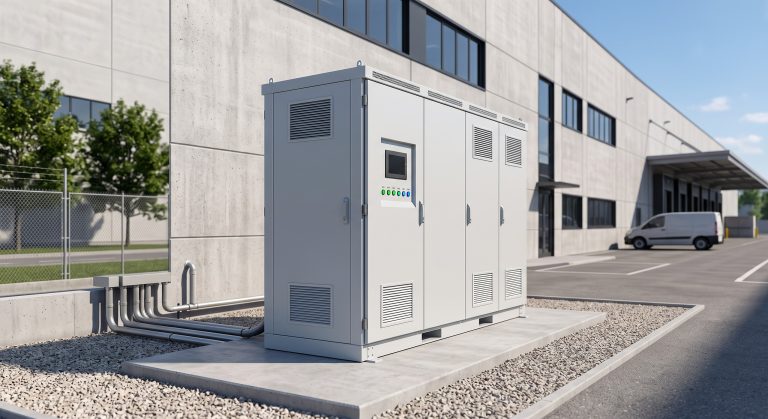
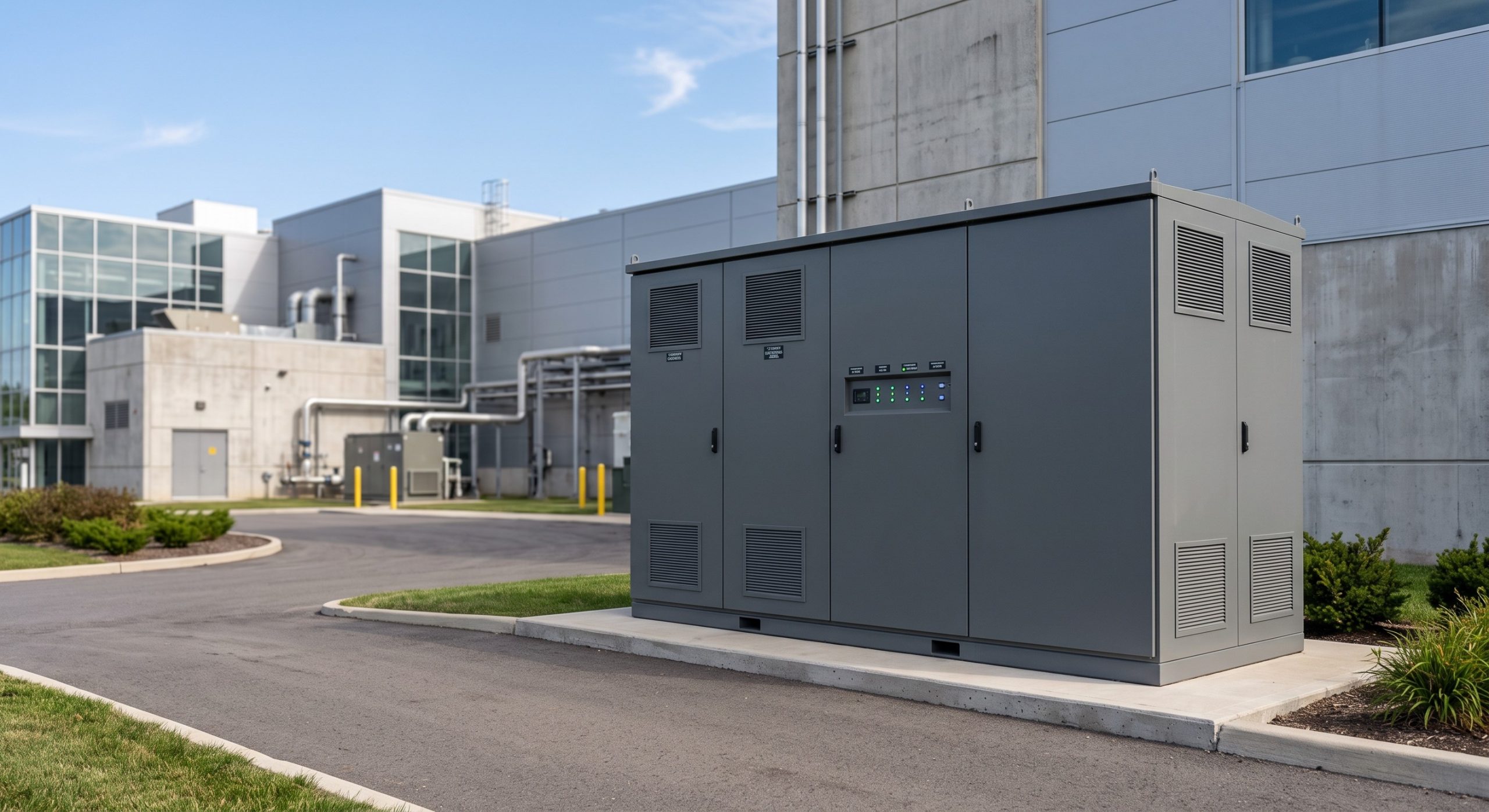
For MWh-scale BESS, fire suppression is integrated at the container level. Perfluorohexanone systems, combined with explosion venting panels, are designed to manage off-gassing during a thermal runaway event. The BMS communicates with the Energy Management System (EMS) to initiate emergency shutdown, disconnect PCS (Power Conversion System) contactors, and activate suppression within 10 seconds of detection.
Commercial ROI & Grid Support: Safety as a Financial Imperative
While fire suppression adds CapEx, the ROI is undeniable. A single thermal runaway incident can result in asset loss exceeding $500,000 for a 1MWh system, plus insurance premiums and reputational damage. By ensuring UL 9540 and IEC 62619 compliance, operators unlock demand response and frequency regulation markets, where grid-tie approval hinges on demonstrated safety. Furthermore, optimized cell balancing extends cycle life by 20-30%, directly improving LCOE and Total Cost of Ownership (TCO).
Deployment Scenarios: Industrial Parks & EV Supercharging
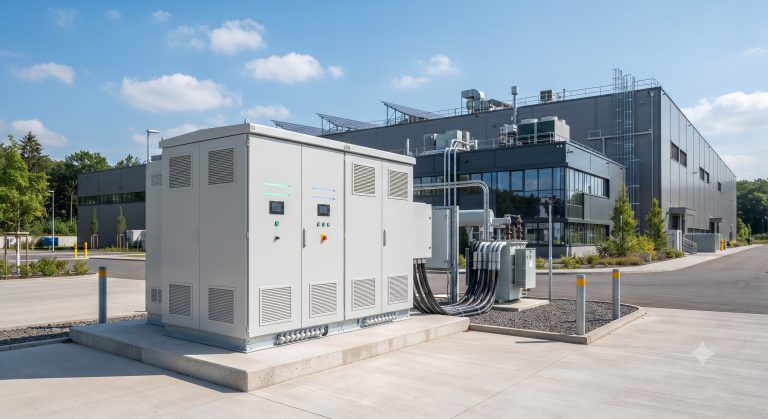
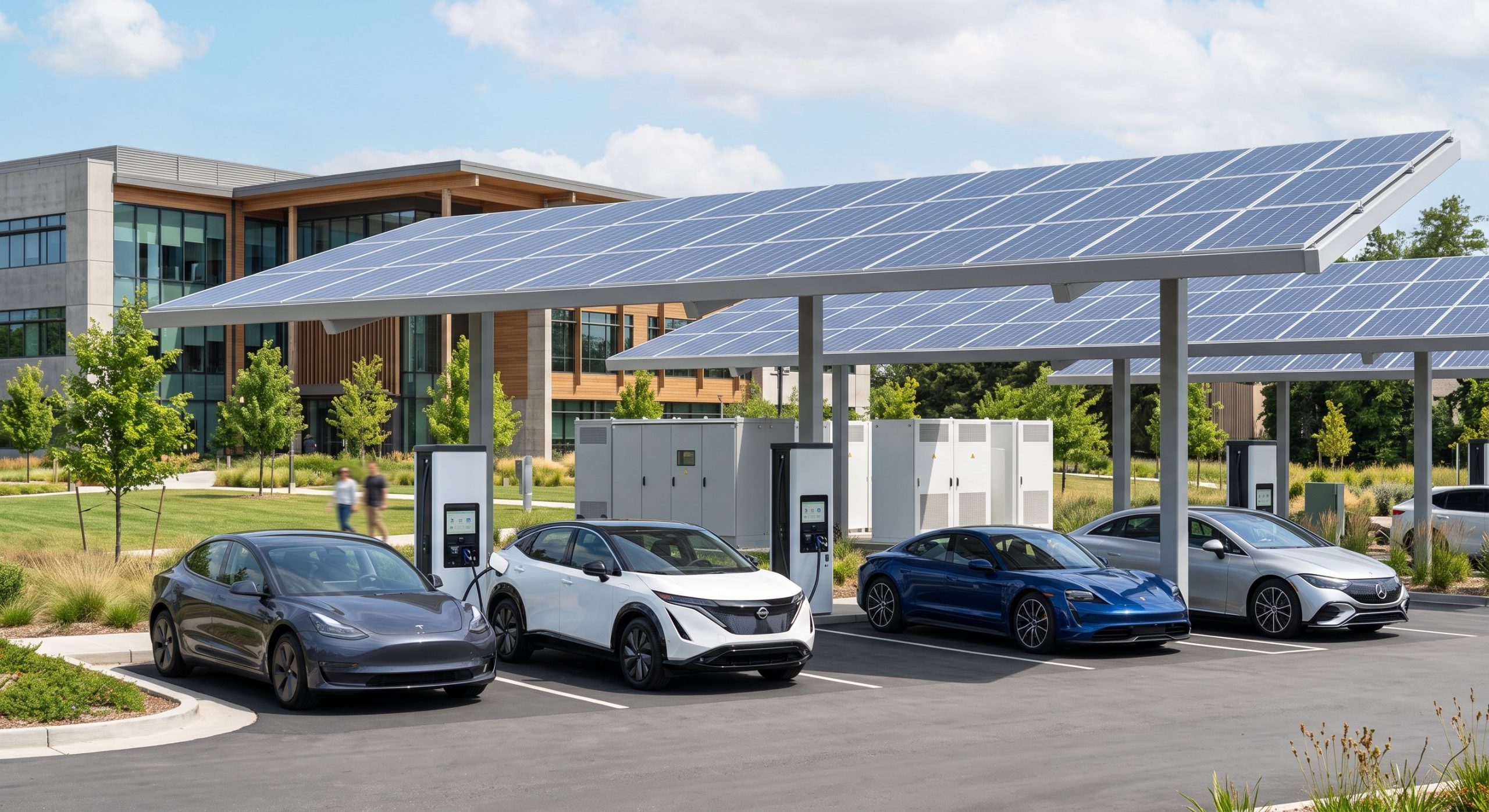
In industrial parks, modular BESS with advanced cell balancing are deployed for peak shaving and demand charge management. For EV supercharging stations, the synergy between PV, storage, and charging demands ultra-reliable thermal control. Here, liquid cooling and active balancing ensure that high-power DC fast charging (150-350kW) does not induce cell degradation or safety hazards. These systems are engineered for UN38.3 transport compliance and CE marking for global deployment.
Conclusion: Engineering Resilience Through Advanced BMS
As C&I energy storage scales to MWh capacities, battery cell balancing technology emerges as the linchpin of safety and performance. By integrating active balancing, liquid cooling, and multi-level fire suppression within a UL 9540/IEC 62619 framework, system architects can deliver zero-carbon energy independence without compromising on risk. For B2B buyers, prioritizing these technical specifications is not merely a procurement choice—it is a fiduciary responsibility.