Introduction: The Critical Role of IP67 Connectivity in Modern Energy Storage Systems
As the Commercial & Industrial (C&I) energy storage sector accelerates toward a projected $XX billion market, the focus has rightfully shifted from cell chemistry to the architectural integrity of Balance of System (BOS) components. While Lithium Iron Phosphate (LFP) cells and advanced Battery Management Systems (BMS) are often the headline features, the IP67 waterproof connector is the unsung hero ensuring safety, reliability, and Return on Investment (ROI). In high-voltage, high-current environments, the failure of a single interconnect can cascade into system downtime, thermal events, or catastrophic failure. For system architects and procurement leads, selecting the right connector isn’t just about plugging in wires; it’s about ensuring compliance with stringent global standards like IEC 62619, UL 9540, and achieving optimal round-trip efficiency. 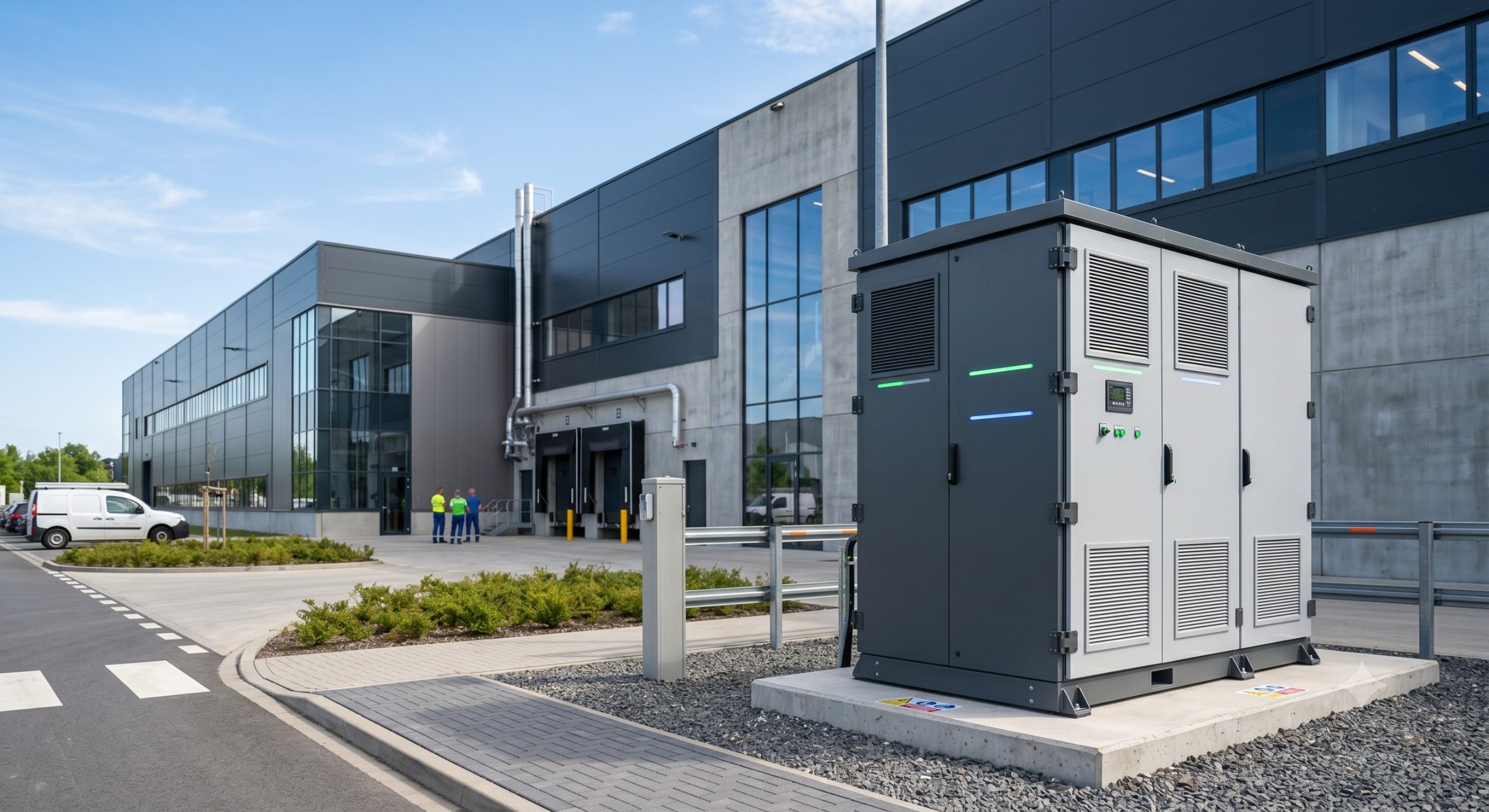
Core Architecture & Battery Management: Beyond Simple Connectivity
The modern BESS relies on a complex network of power and signal connectors. A robust IP67 connector provides the necessary seal against dust and water ingress, preventing short circuits that could compromise the entire battery rack. Connectors must facilitate seamless communication between the BMS and cell modules, enabling precise monitoring and balancing. Advanced connector designs often incorporate rail-grade technology and offer misalignment tolerance up to 0.25 mm, ensuring a stable connection even under vibration and thermal expansion .
Material Science and Thermal Control
The materials used in connector manufacturing are critical. High-performance connectors utilize UL 94V-0 flame-retardant PA66 housing and high-conductivity copper alloy contacts . This material selection is essential for liquid cooling thermal control systems, as the connector must withstand temperature fluctuations without degrading the IP67 seal. High-quality contacts reduce internal resistance, a key factor in minimizing heat buildup and maximizing cycle life. For instance, copper alloy contacts can provide 20% higher conductivity than standard copper, reducing energy loss .
Technical Specifications: Decoding IP67 and Key Parameters
The IP67 rating signifies the connector is dust-tight and protected against the effects of temporary immersion in water (up to 1 meter for 30 minutes). However, engineering specs go far beyond the IP code .
| Key Parameter | Technical Specification | Relevance to ESS |
|---|---|---|
| Rating | IP67 (Dust-tight & 1m water immersion for 30min) | Ensures outdoor durability in industrial parks and harsh environments. |
| Voltage | Up to 1500V DC (IEC compliant) | Supports modern high-voltage LFP systems, reducing transmission losses. |
| Current Capacity | Up to 350A (Standard models) | Required for high-power connections in >MWh systems and EV supercharging. |
| Contact Material | Copper Alloy (Silver/Gold plated optional) | Maximizes conductivity, minimizes heat generation, and extends cycle life. |
| Cycle Durability | >10,000 mating cycles | Lowers long-term TCO and maintenance requirements for asset owners. |
| Safety Standards | UL 94V-0, UL/TUV Recognized, CE, RoHS | Aids in achieving UL 9540 and IEC 62619 system-level compliance. |
Compliance Masterclass: UL 9540 & IEC 62619
To meet global safety certifications, BESS components must adhere to strict standards. UL 9540 is the standard for energy storage systems and equipment, ensuring that the complete system operates safely. For connectors specifically, compliance with IEC 62619 (Secondary cells and batteries containing alkaline or other non-acid electrolytes – Safety requirements for industrial batteries) is essential. Connectors with recognized component status (e.g., UL recognition) simplify the system-level certification process. Additionally, UN38.3 certification ensures safe transport of lithium batteries, often requiring specific connector designs to prevent short circuits during transit.
Commercial ROI & Grid Support: The Financial Impact of Reliability
The financial implications of connector failure are profound. In a typical MWh-scale deployment, a single faulty connector can force a system offline, directly impacting peak-shaving capabilities and demand response revenue. Specifying connectors with high durability (e.g., >10,000 mating cycles ) reduces maintenance CapEx and total Cost of Ownership (TCO). Moreover, high-efficiency connectors with low resistance directly improve the system’s round-trip efficiency, a key metric in VPP (Virtual Power Plant) readiness. Every percentage point of efficiency gained directly translates to higher energy arbitrage profits.
Deployment Scenarios: From Industrial Parks to PV-Storage-Charging
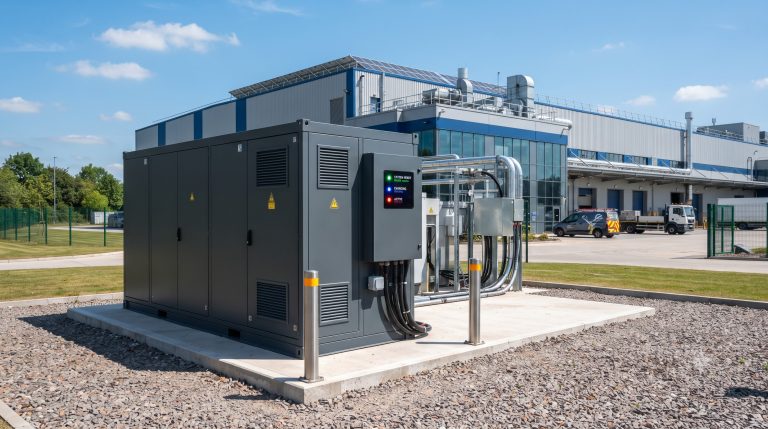
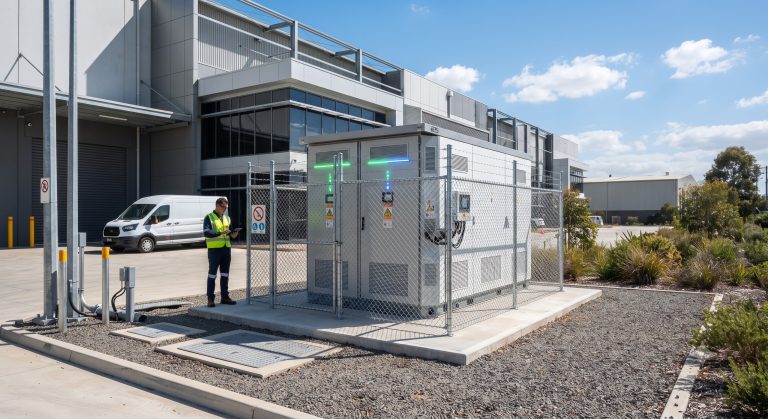
The application of IP67 waterproof connectors extends across all C&I ESS use cases. In the context of a PV-Storage-Charging synergy, connectors link the solar canopy, battery cabinet, and EV supercharging station, enduring harsh outdoor conditions 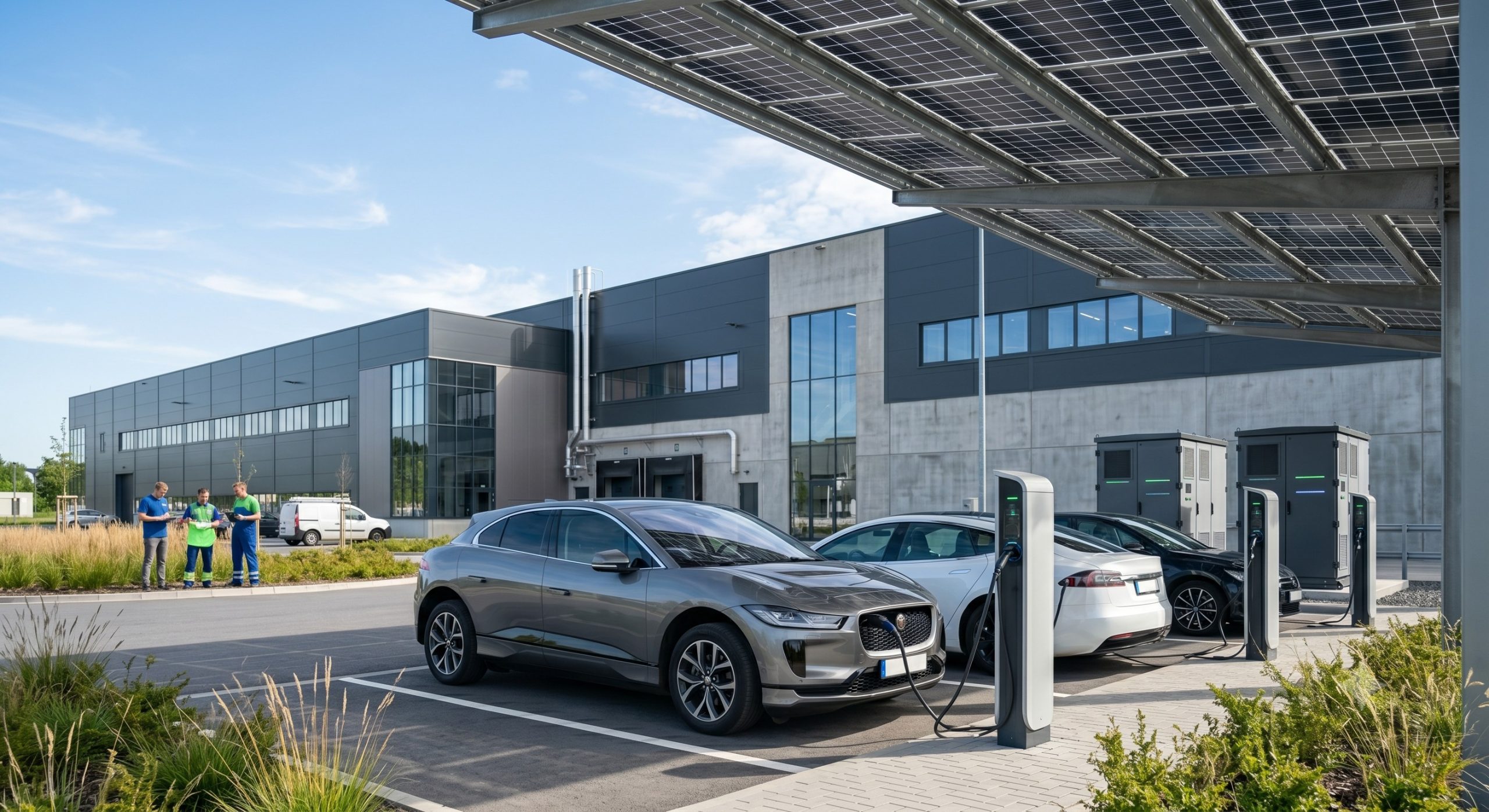 . In industrial parks, where reliability is paramount for preventing production halts, the robustness of an IP67 connector ensures continuous operation. Furthermore, in modular micro-grid setups, these connectors facilitate rapid deployment and scaling, allowing for parallel cabinet expansion topology without compromising safety.
Conclusion: Securing the Future with High-Integrity Connectivity
For decision-makers in the B2B renewable energy sector, the IP67 waterproof connector is not a commodity; it is a strategic asset that ensures compliance, longevity, and financial viability. By demanding connectors with dual UL/TUV/CE certifications and proven high-cycle durability, system architects and procurement leads mitigate risk and ensure their assets are built to last. The integrity of the entire system rests on the reliability of these critical interfaces.