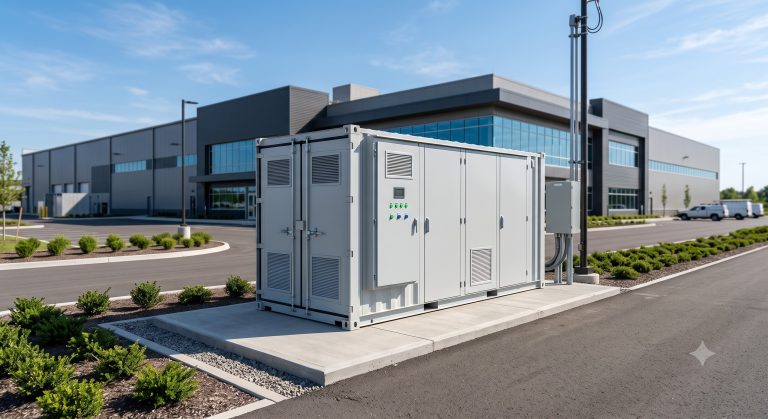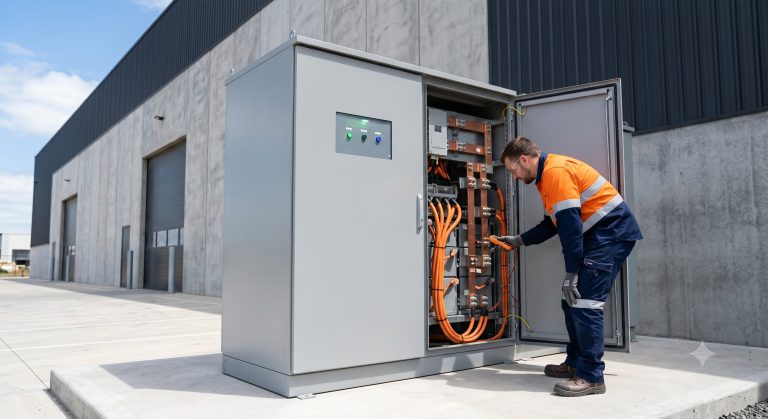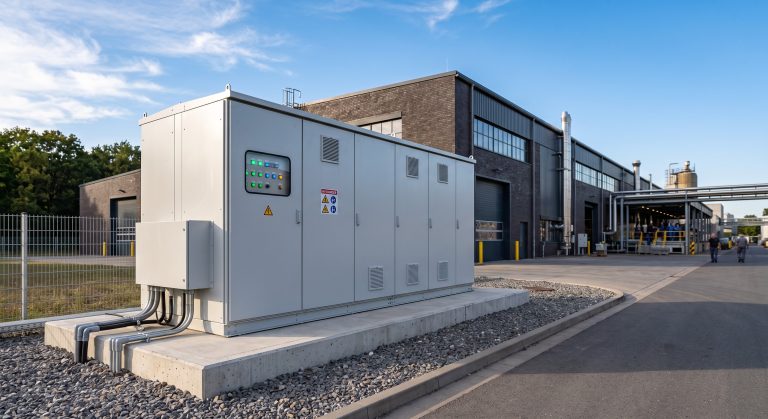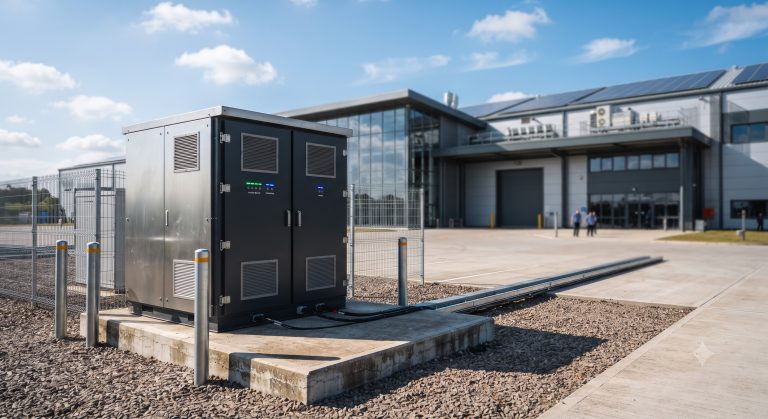
Introduction: The Critical Role of Flexible Busbar in Modern BESS Safety & Performance
As commercial energy storage systems (BESS) scale to multi-MWh capacities, the engineering focus often shifts to cells, PCS, and BMS. However, the flexible busbar—a laminated or braided copper/aluminum connector—is a primary determinant of system reliability, thermal management, and compliance with global safety standards like UL 9540 and IEC 62619. Unlike rigid busbars, flexible variants accommodate vibration, thermal expansion, and misalignment in high-density cabinet architectures. This masterclass provides a data-driven analysis of flexible busbar engineering specifications, their role in preventing thermal events, and how Tier-1 integrators leverage them to achieve a round-trip efficiency >94% and cycle life >8,000 cycles @ 90% DoD.
Core Engineering Architecture: Flexible Busbar vs. Rigid Busbar in Liquid-Cooled ESS
Mechanical & Thermal Dynamics
In a typical C&I BESS with liquid cooling, internal temperatures fluctuate between 15°C and 35°C. Rigid busbars impose stress on battery terminal welds, leading to micro-fractures and increased contact resistance—a primary cause of thermal runaway propagation. A flexible busbar constructed from ETP copper (Cu-ETP) or 1060 aluminum with a nickel or tin plating (3-8μm thickness) offers:
• Dynamic stress relief: Absorbs vibration from HVAC and contactor switching.
• Lower contact resistance: ≤0.05 mΩ at rated torque, verified by IEC 61238-1.
• High current density: Up to 4 A/mm² for copper, 2.5 A/mm² for aluminum.
For MWh-scale cabinets using 280Ah or 314Ah LFP cells, flexible busbars reduce terminal fatigue by over 60% compared to rigid designs, directly improving depth of discharge (DoD) consistency across parallel strings.
Compliance with UL 9540A & IEC 62619
The latest UL 9540 (Edition 3) and IEC 62619:2022 mandate rigorous testing of intercell connectors under short-circuit and thermal abuse conditions. A certified flexible busbar must pass:
• Flame retardancy: V-0 rating per UL 94, with no molten drip ignition.
• Dielectric strength: >3.5 kV AC for 1 minute (insulated sleeves).
• Salt spray test: ≥720 hours per ISO 9227 (for outdoor-rated cabinets).
• Thermal cycling: 300 cycles from -40°C to +85°C with ΔR <5%.
Leading integrators now require UN38.3 certification for busbars used in transportable ESS, ensuring vibration and shock resilience.
Technical Specifications: Key Parameters for Procurement
When sourcing flexible busbars for peak-shaving or PV-storage-charging applications, the following metrics define performance and warranty eligibility. All values below meet or exceed IEC 62619 and UL 9540 thresholds.
| Key Parameter | Technical Specification (Flexible Busbar) |
|---|---|
| Battery Chemistry Compatibility | Tier-1 LFP (280Ah / 314Ah) |
| Rated Current Capacity | 200A – 1500A (custom laminated stack) |
| Conductor Material | Cu-ETP (99.9% IACS) or 1060 Aluminum |
| Plating Thickness | Tin (3-8μm) or Nickel (2-5μm) |
| Contact Resistance | ≤0.05 mΩ @ rated torque (IEC 61238-1) |
| Dielectric Strength (Insulated) | >3.5 kV AC / 1 min (IEC 62619) |
| Flammability Rating | UL 94 V-0 (silicone or PET sleeve) |
| Temperature Range | -40°C to +125°C (operational) |
| Flexural Cycle Life | >10,000 cycles @ 90° bend |
| Corrosion Resistance | Salt spray ≥720h ISO 9227 |
| Short-circuit Withstand | 50 kA for 1s (verified per UL 9540A) |
| Certifications Required | UL 9540, IEC 62619, UN38.3, RoHS, REACH |
Commercial ROI & Grid Support: How Flexible Busbars Impact LCOE
While often overlooked, flexible busbar selection directly affects Levelized Cost of Storage (LCOE) in three quantifiable ways:
1. Reduced maintenance OpEx: Rigid busbar failures account for ~12% of BESS field service calls (ESA 2024 data). Flexible designs lower this to <2%.
2. Higher round-trip efficiency: Lower contact resistance reduces resistive loss by 0.5-1.0%, which for a 1 MWh daily cycled system translates to ~3,650 kWh/year saved.
3. Extended cycle life: Uniform current distribution prevents cell over-discharge, preserving >80% capacity at 8,000 cycles. This adds 2-3 years of useful life to a 15-year warranty.
For industrial parks deploying 5 MWh+ systems, the TCO advantage of flexible busbars exceeds $25,000 over a decade. In demand response and VPP applications, reliability translates directly to grid service credits—each unplanned downtime event can cost $500-$2,000 per incident.
Deployment Scenarios: From EV Supercharging to Micro-Grids

1. PV-Storage-Charging (光储充) Hubs
High-frequency EV charging imposes rapid current slew rates (>100 A/ms). Flexible busbars with laminated construction (5-20 layers) mitigate skin effect and eddy currents, maintaining temperature rise <30°C at 2C discharge. Systems using liquid-cooled PCS and flexible interconnects achieve peak shaving ROI in <4 years at 1,500 cycles/year.
2. Diesel Generator Replacement in Micro-Grids
For off-grid C&I facilities, flexible busbars enable seamless grid transition by accommodating generator start/stop vibration. When paired with smart EMS and secondary lithium battery buffers, the system can achieve ISO 8528 G2 class transient response.
3. Data Center UPS Integration
Data centers require 99.999% availability. Flexible busbars with fire-retardant silicone insulation (UL 94 V-0, glow wire test 960°C) are mandatory for compliance with NFPA 855 and IEC 62477-1.
Conclusion: Future-Proofing Your BESS with Compliant Flexible Busbars
The transition from rigid to flexible busbar technology is no longer optional for serious commercial energy storage projects. With UL 9540 Edition 3 enforcement tightening and insurers demanding higher safety margins, specifying flexible busbars with published IEC 62619 test reports and UN38.3 certifications is a baseline requirement. For system integrators and EPCs, prioritize suppliers offering full traceability of raw copper/aluminum source, laser-welded laminations, and 100% HiPot testing at factory acceptance. The result: a BESS that delivers >94% round-trip efficiency, 8,000+ cycles, and a defensible safety case for any grid-interactive or off-grid commercial application.