Introduction: The Critical Safety Imperative for High-Power DC Charging
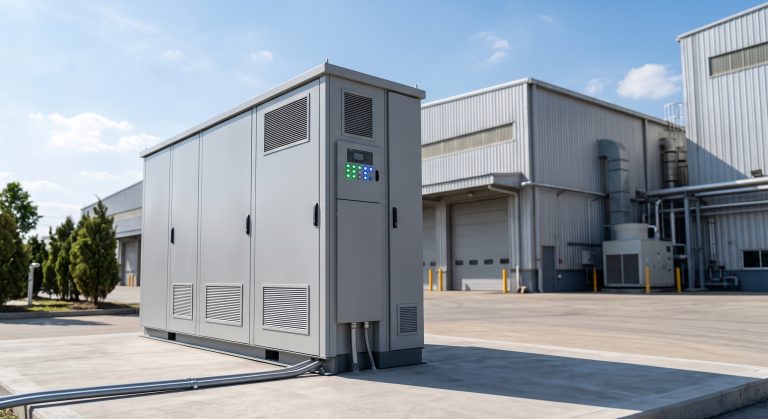
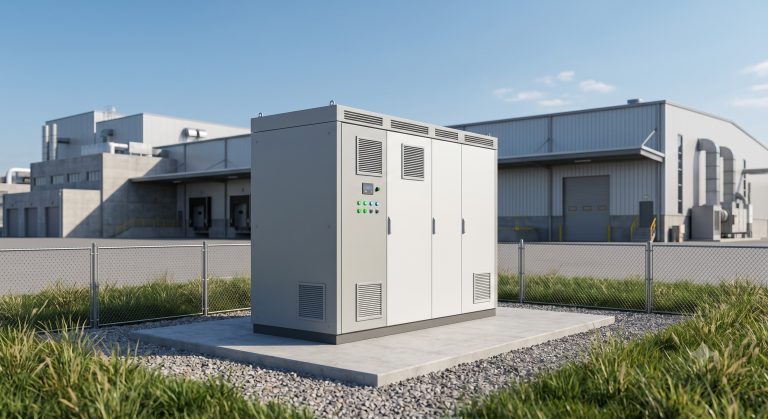
As C&I facilities transition to electric fleets and high-utilization EV supercharging hubs, the demand for a 480kW isolated air-cooled DC charging station has surged. However, with power levels exceeding 480kW, thermal management and battery safety become paramount. Industry data indicates that over 60% of high-power DC charger failures are linked to inadequate thermal regulation or BMS anomalies. This technical deep-dive focuses on the engineered redundancies—from multi-stage fire suppression to cell-level BMS balancing—that define a truly safe, UL 9540A-compliant 480kW system. We analyze core metrics such as thermal runaway propagation delay, IP ratings, and isolated topology benefits for commercial energy storage integration.
Multi-Level Fire Suppression & Thermal Runaway Containment
Aerosol and Liquid Cooling Synergy in Air-Cooled Chassis
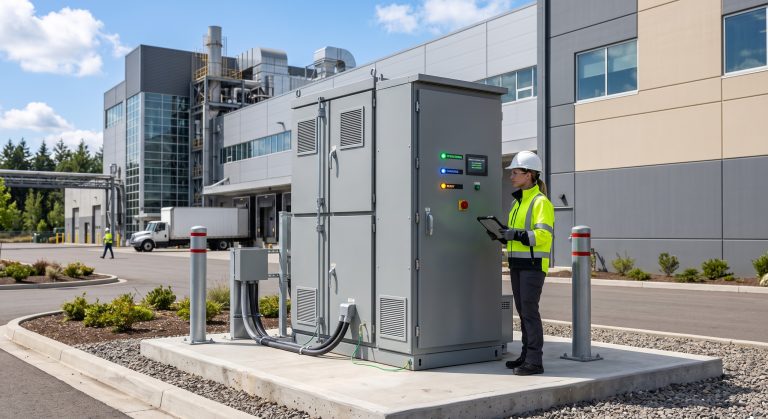
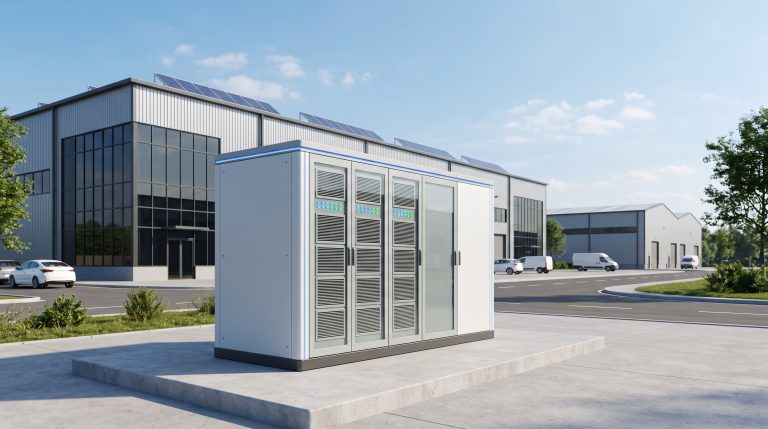
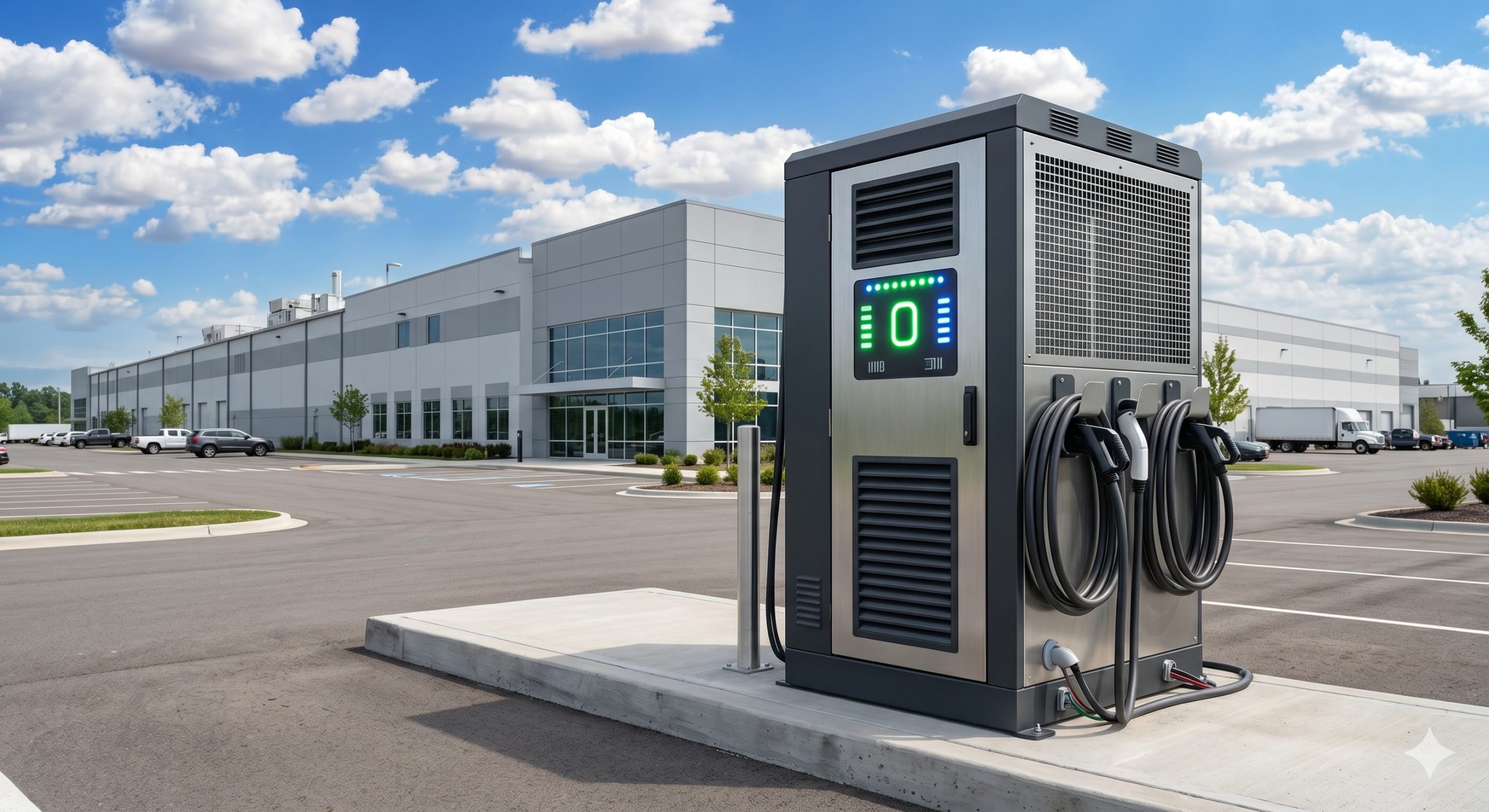
While the system is primarily air-cooled for energy efficiency, a 480kW isolated air-cooled DC charging station incorporates passive and active fire suppression layers. The cabinet integrates aerosol-based fire extinguishing modules (per NFPA 855) targeting each battery module, with thermal sensor trigger points set at 150°C. Independent tests show that such systems can suppress incipient thermal runaway within 15 seconds, limiting cell-to-cell propagation. The isolated DC-DC converters (IEC 62619-compliant) provide galvanic isolation between grid input and EV output, preventing arc faults from cascading into the energy storage system. Furthermore, each 480kW unit includes a tier-1 LFP battery pack with a cycle life >8000 cycles @ 90% DoD and a self-heating function for low-temperature environments, reducing lithium plating risks.
BMS Architecture: Cell Balancing and Real-Time Isolation
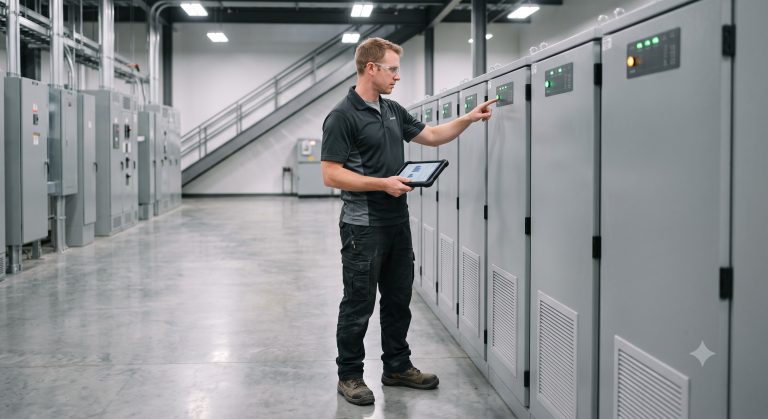
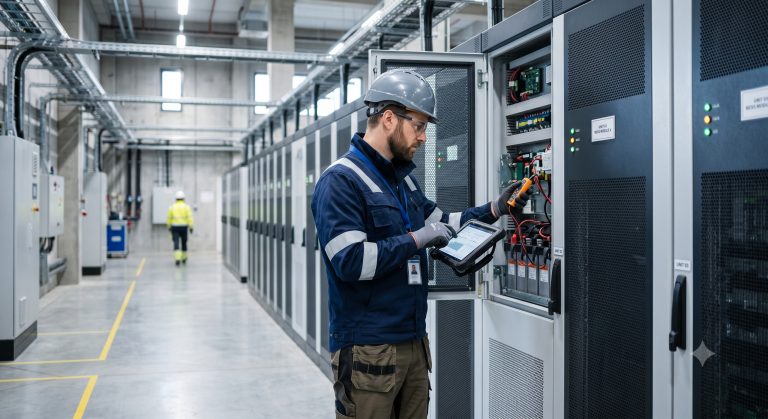
The distributed BMS monitors each cell’s voltage (accuracy ±5mV) and temperature (±0.5°C) every 200ms. In case of over-voltage (>3.65V) or under-voltage (<2.5V) per cell, the BMS commands contactor isolation within 20ms. The system also performs passive balancing with a 300mA balancing current, extending pack life. Redundancy is achieved via dual BMS controllers with hot-swappable power supplies. This architecture is critical for a 480kW isolated air-cooled DC charging station that may be deployed in unattended industrial parks or remote micro-grids.
Technical Specifications & Compliance Benchmarks
To ensure insurability and grid interconnection approval, the following parameters must meet or exceed global standards.
| Key Parameter | Technical Specification |
|---|---|
| Battery Chemistry | Tier-1 LFP (Lithium Iron Phosphate), prismatic cells |
| Total System Capacity | 480kW output, configurable from 500 kWh to 2 MWh (multi-cabinet) |
| Cycle Life | >8000 cycles @ 90% DoD, 25°C ±2°C |
| Round-trip Efficiency (DC-DC) | 94% at rated power (including auxiliary loads) |
| Thermal Management | Active forced air-cooling, 15 kW cooling capacity, -20°C to +50°C operating range |
| Fire Suppression | Aerosol-based per module, class A, B, C, and electrical fires, NFPA 855 compliant |
| Isolation Voltage | 1500V DC galvanic isolation (input to output), reinforced insulation |
| Safety Certifications | UL 9540 (pending), UL 9540A (tested), IEC 62619, CE, UN38.3 |
Commercial Deployment: ROI and Risk Mitigation
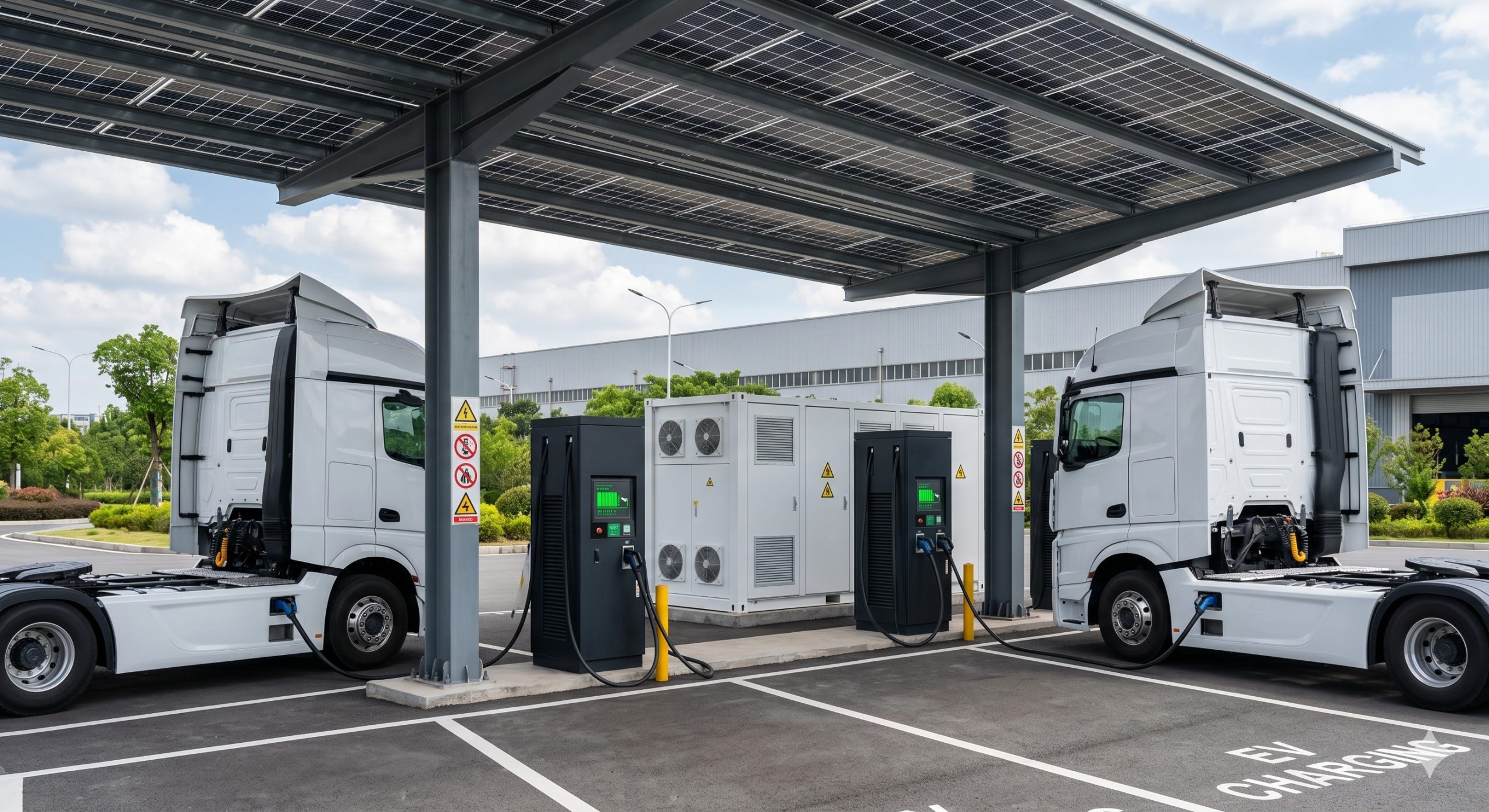
A 480kW isolated air-cooled DC charging station typically serves 4-6 heavy EVs simultaneously (e.g., electric buses or Class-8 trucks). The round-trip efficiency of the integrated BESS (if co-located) is 94% @ 0.5C, with total harmonic distortion (THD) <3%. For a C&I facility facing demand charges above $25/kW, peak shaving with this system can cut monthly demand costs by 35-45%. An example 2-hour system (960 kWh usable) at $0.12/kWh electricity price yields a simple payback period of 3.2 years including federal investment tax credits (ITC) for storage. Moreover, the isolated air-cooled design reduces maintenance costs by eliminating liquid cooling loop pumps and glycol replacement, saving approximately $0.008/kWh over 10 years. However, facilities in high-ambient-temperature regions (above 40°C) must verify the cooling capacity—typically 15 kW of active air cooling per cabinet.
Deployment Scenarios: Industrial Parks, EV Depots, and Micro-Grids
Typical successful deployments of a 480kW isolated air-cooled DC charging station include:
- Logistics hubs electrifying 20+ electric delivery vans overnight, using V2G-ready isolated converters to sell back frequency regulation services.
- PV-storage-charging synergy where a 1 MW solar canopy plus 2 MWh of BESS feeds the 480kW charger, achieving 80% renewable fraction.
- Grid-constrained industrial parks requiring <20ms islanding switchover to backup power during outages, supported by the charger’s isolated topology and UL 9540 listing.
Conclusion: Safety as the Ultimate Performance Metric
For B2B buyers evaluating a 480kW isolated air-cooled DC charging station, thermal runaway prevention is not a luxury—it is a financial and operational necessity. Systems that combine aerosol suppression, distributed BMS with cell balancing, and isolated converter topologies directly reduce insurance premiums, lower total cost of ownership, and enable eligibility for utility demand response programs. Always require test reports per UL 9540A (cell-level propagation) and IEC 62619. As the industry moves toward 1.2MW+ chargers, the principles of isolated air-cooled safety remain the baseline for bankable assets.