Introduction: The Critical Role of Quick Disconnect Terminals in Modern Energy Systems
In the rapidly evolving landscape of Commercial & Industrial (C&I) energy storage and renewable integration, component-level reliability is non-negotiable. The unassuming quick disconnect terminal (often referred to as a quick disconnect connector, FASTON terminal, or blade connector) serves as a fundamental building block for safe, efficient, and serviceable power electronics . As systems scale to MWh capacities and integrate with complex grid support functions, the selection of these terminals impacts everything from assembly line throughput to long-term Total Cost of Ownership (TCO) and compliance with stringent safety standards like UL 9540 and IEC 62619. This guide provides a comprehensive technical and commercial analysis for B2B procurers, system architects, and engineers seeking to optimize their energy storage architectures.
Core Architecture & Battery Management
Integration within the BMS and PCS Topology
A quick disconnect terminal is engineered for fast and easy termination, facilitating straightforward connections and disconnections without specialized tools . This feature is critical within Battery Management Systems (BMS) and Power Conversion Systems (PCS) for C&I BESS (Battery Energy Storage Systems). In high-density modular cabinets, these terminals enable efficient wiring of Tier-1 LFP (Lithium Iron Phosphate) cells, supporting complex topologies for voltage and current sensing. Their use streamlines manufacturing, field maintenance, and component replacement, thereby reducing downtime and operational expenditure.
Technical Specifications and Material Science
The electrical and mechanical integrity of a quick disconnect terminal is determined by its material composition and plating. Common materials include brass and tin-plated brass, offering a balance of conductivity and corrosion resistance . Key specifications include tab width (e.g., 6.35mm / 0.250 inches) and thickness (e.g., 0.81mm / 0.032 inches), which define the mating interface and current-carrying capacity . For high-reliability applications, terminals may feature stress-relieved receptacles and positive locking mechanisms to prevent accidental disconnection under vibration, a critical factor for grid-support applications .
Liquid Cooling and Thermal Management
In advanced energy storage systems, liquid cooling is paramount for thermal control, ensuring optimal cycle life and preventing thermal runaway. The quick disconnect concept extends to fluid pathways via specialized liquid cooling quick connectors like the Amphenol UQD series. These connectors incorporate aerospace-grade sealing and bidirectional dry-break valves to prevent leaks and reduce fluid loss during maintenance . With an operating temperature range of -40°C to +105°C and a maximum working pressure of 0.6MPa, these components are essential for maintaining the thermal efficiency of high-capacity BESS .
Technical Specifications
The following table outlines key parameters for a standard quick disconnect terminal used in typical C&I BESS applications, as referenced from industry-leading manufacturers.
| Key Parameter | Technical Specification |
|---|---|
| Tab Size (Width) | 6.35 mm (0.250 inches) |
| Tab Thickness | 0.81 mm (0.032 inches) |
| Material | Brass with Tin Plating |
| Insulation Type | Nylon Plastic (Partially/Uninsulated options) |
| Max. Operating Temp. | Up to +105°C (High-temp solutions available) |
| Compliance | UL, CSA, RoHS |
| Wire Gauge Range | 22 AWG to 10 AWG (varies by terminal type) |
| Locking Mechanism | Positive Lock / Stress-relieved receptacles |
Commercial ROI & Grid Support
Total Cost of Ownership (TCO) and LCOE Impact
The commercial viability of a BESS project is heavily influenced by its Levelized Cost of Energy (LCOE) and operational uptime. The use of high-quality quick disconnect terminals directly contributes to a favorable TCO by:
- Reducing Installation Time: Tool-free connections accelerate assembly and commissioning, lowering initial CapEx.
- Minimizing Maintenance Costs: Ease of disconnection reduces service time, an important factor in OpEx amortization over a 10-15 year lifecycle.
- Ensuring System Reliability: Robust terminals with secure locking mechanisms minimize connection failures, a primary cause of unplanned downtime and revenue loss in peak-shaving and demand response applications.
Grid Support and Demand Response
For energy storage systems participating in grid support and VPP (Virtual Power Plant) programs, fast and reliable interconnection is essential. Quick disconnect terminals facilitate the rapid deployment and reconfiguration of modular battery units, enhancing the system’s agility in responding to frequency regulation signals . Their design ensures bi-directional power flow efficiency, which is critical for round-trip efficiency metrics.
Deployment Scenarios
PV-Storage-Charging Synergy
In an integrated solar, storage, and EV supercharging station (光储充), the quick disconnect terminal plays a pivotal role. These terminals are used within the DC combiner boxes, PCS, and battery racks to ensure efficient power conversion and distribution. The ability to quickly isolate and replace components is crucial for maintaining high uptime in high-traffic commercial charging hubs .
Industrial Park Energy Independence
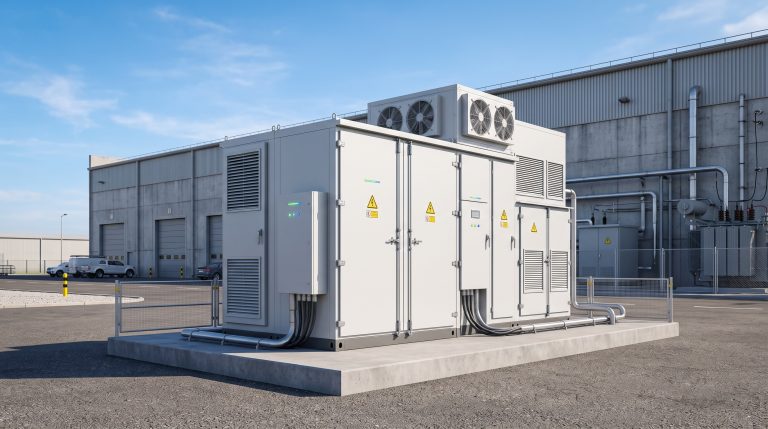
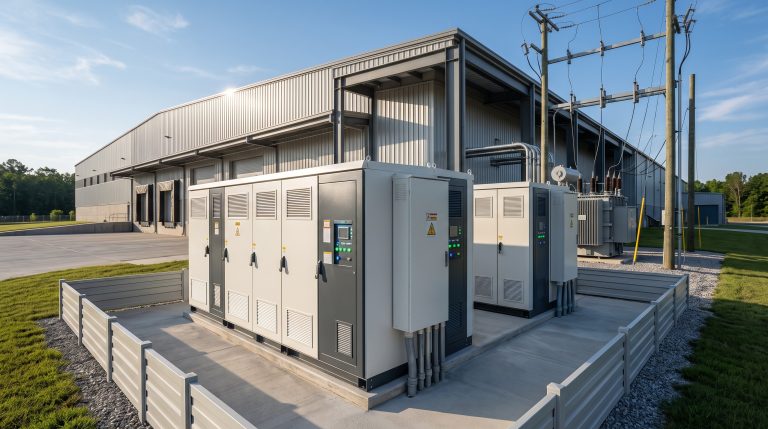
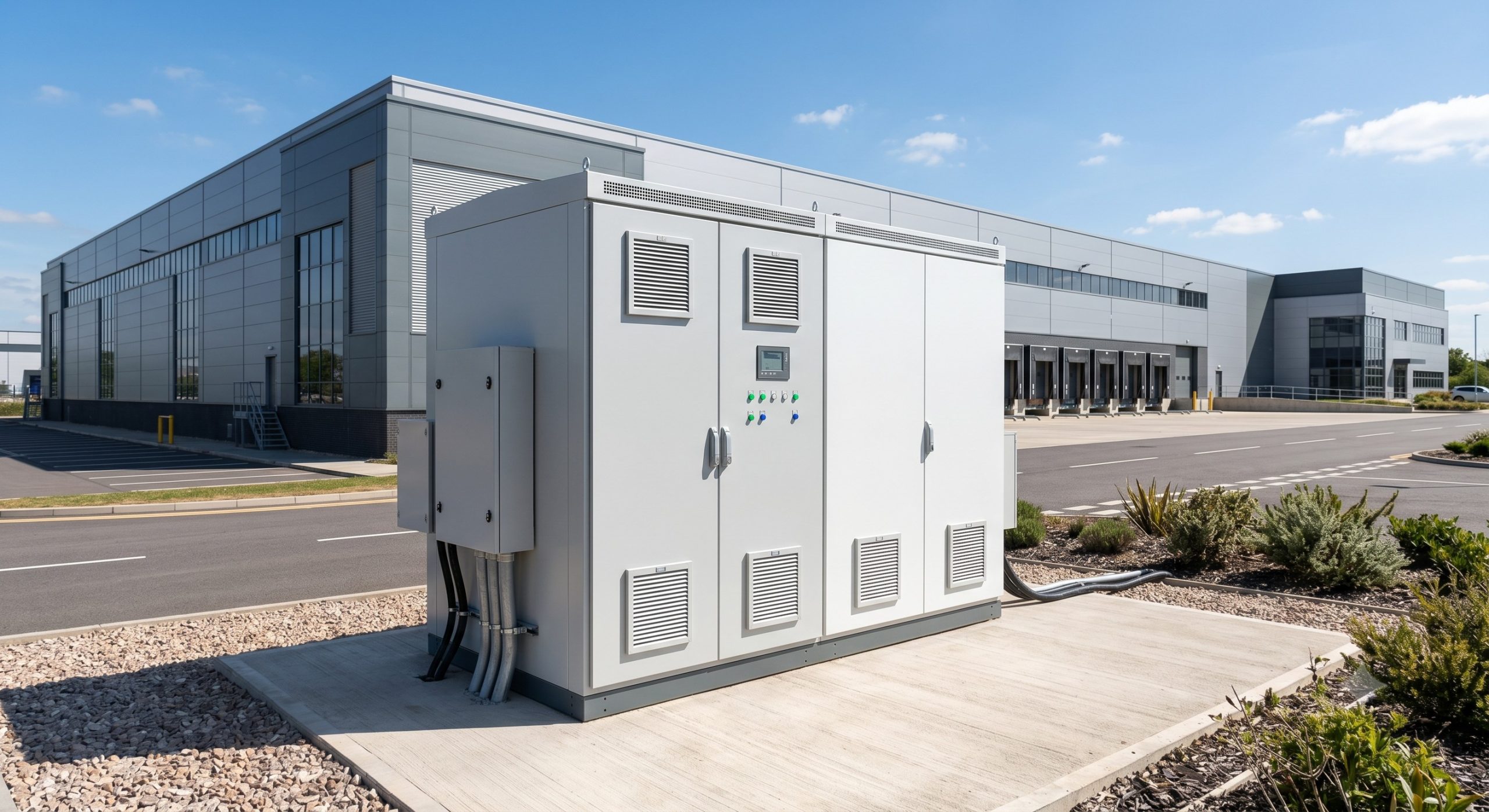
For industrial parks seeking energy independence, modular containerized BESS relies on a network of quick disconnect terminals for internal wiring and external grid interconnection. These terminals support the high-current demands of MWh-scale systems and are specified to meet UL and CSA safety standards for industrial environments .

Conclusion
As C&I energy storage systems grow more sophisticated, the demand for reliable, high-performance components like the quick disconnect terminal will continue to intensify. System architects and procurement professionals must consider not only the immediate electrical specifications but also the long-term implications for maintenance, safety, and system efficiency. By prioritizing terminals from reputable manufacturers that comply with global standards, stakeholders can ensure robust, future-proof energy assets that maximize ROI and contribute to a sustainable energy future.