Introduction: The Strategic Imperative of Expert Energy Storage Project Consultation
In the current landscape of volatile energy prices and stringent carbon reduction mandates, commercial and industrial (C&I) enterprises are rapidly pivoting towards Battery Energy Storage Systems (BESS) to secure energy independence. However, the path from concept to a high-performance, ROI-positive system is fraught with technical complexity. A comprehensive energy storage project consultation is the critical first step that differentiates a successful investment from a costly liability. This guide provides a deep technical and commercial analysis of the BESS lifecycle, outlining the essential architecture, performance metrics, and compliance standards—IEC 62619, UL 9540, and UN38.3—that define bankable projects .
Core System Architecture: PCS, BMS, and EMS Integration
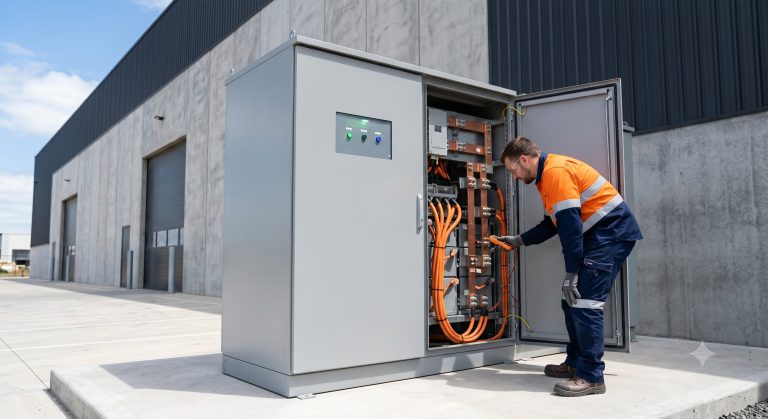
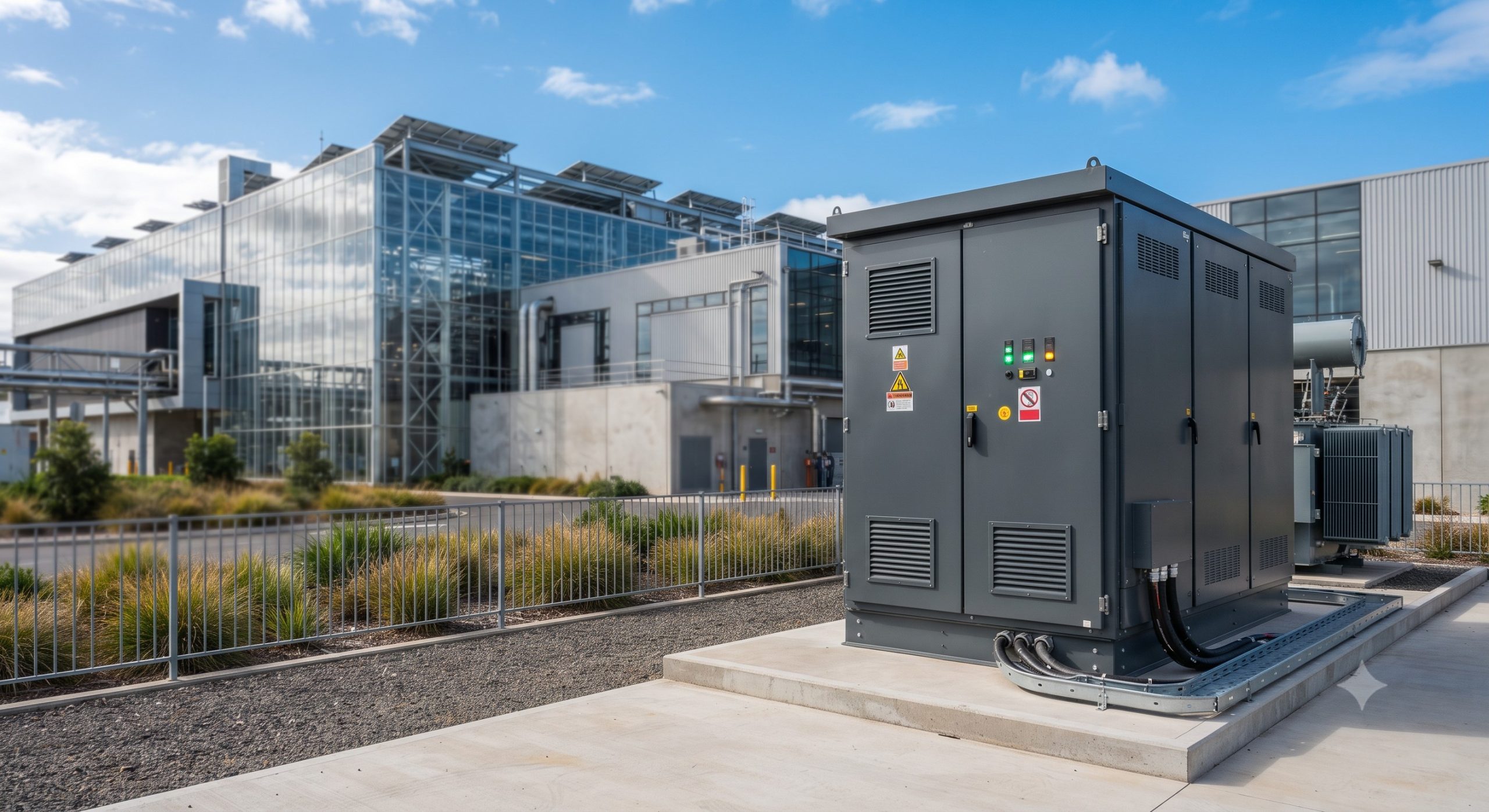
At the heart of any robust storage solution lies a triad of intelligent systems: the Battery Management System (BMS), the Power Conversion System (PCS), and the Energy Management System (EMS). The BMS is the safety sentinel, continuously monitoring cell voltage, temperature, and State of Charge (SoC) to ensure operational stability and prevent conditions that could lead to thermal runaway . The PCS acts as the bi-directional bridge, converting DC power from the battery to AC for grid or facility use and vice versa, with critical specifications including conversion efficiency and overload capacity. Finally, a smart EMS leverages AI-driven algorithms to optimize dispatch schedules based on real-time electricity pricing, demand response signals, and load forecasting, maximizing the asset’s revenue streams .
Advanced Thermal Management: Liquid Cooling vs. Air Cooling
Thermal management is paramount for maintaining cycle life and safety. While forced-air cooling is common, advanced energy storage project consultation increasingly specifies liquid cooling systems for high-density applications. Liquid cooling offers superior thermal conductivity, maintaining a uniform temperature across cells within a narrow 2-3°C band. This precision prevents hot spots that degrade LFP (Lithium Iron Phosphate) cells and extends the system’s operational lifespan, directly improving the Levelized Cost of Energy (LCOE).
Safety and Compliance Standards
Adherence to international safety standards is non-negotiable. During the consultation phase, engineers must verify compliance with IEC 62619 (safety requirements for industrial batteries), UL 9540 (the standard for energy storage systems and equipment), and UN38.3 (transportation safety). A robust system design incorporates multi-level fire suppression (e.g., aerosol or gas-based systems) and explosion-proof cabinet designs to contain any potential thermal events .
Technical Specifications: Evaluating Core Performance Metrics
A data-driven evaluation of battery cells and system integrators is the cornerstone of the engineering design phase. The following
| Key Parameter | Technical Specification |
|---|---|
| Battery Chemistry | Tier-1 LFP (Lithium Iron Phosphate) |
| System Capacity | Customizable from 100 kWh to MWh-scale containers |
| Cycle Life | >8,000 cycles @ 90% Depth of Discharge (DoD) |
| Round-trip Efficiency | ≥92% (including auxiliary loads) |
| Thermal Management | Advanced Liquid Cooling or Intelligent Air Cooling |
| Safety Certifications | Compliant with UL 9540, IEC 62619, UN38.3 |
| Warranty | Typically 10-year performance warranty with capacity degradation guarantee |
outlines the critical parameters that project consultants analyze to assess system viability and bankability.
| Key Parameter | Technical Specification |
|---|---|
| Battery Chemistry | Tier-1 LFP (Lithium Iron Phosphate) |
| System Capacity | Customizable from 100 kWh to MWh-scale containers |
| Cycle Life | >8,000 cycles @ 90% Depth of Discharge (DoD) |
| Round-trip Efficiency | ≥92% (including auxiliary loads) |
| Thermal Management | Advanced Liquid Cooling or Intelligent Air Cooling |
| Safety Certifications | Compliant with UL 9540, IEC 62619, UN38.3 |
| Warranty | Typically 10-year performance warranty with capacity degradation guarantee |
Commercial ROI: Peak Shaving and LCOE Modeling
The primary economic drivers for C&I storage are peak shaving and demand charge reduction. High industrial electricity costs are often driven by demand charges (kW) incurred during short-duration peak usage periods. A BESS can flatten the load curve by discharging during these expensive peaks, significantly reducing monthly utility bills. Furthermore, a sophisticated energy storage project consultation will evaluate the project’s Total Cost of Ownership (TCO) and Levelized Cost of Energy (LCOE) by factoring in CapEx, OpEx, system degradation rates, and available utility incentives. The financial model typically targets a sub-5-year payback period in markets with favorable peak-to-off-peak price spreads .
Deployment Scenarios and PV-Storage-Charging Synergy
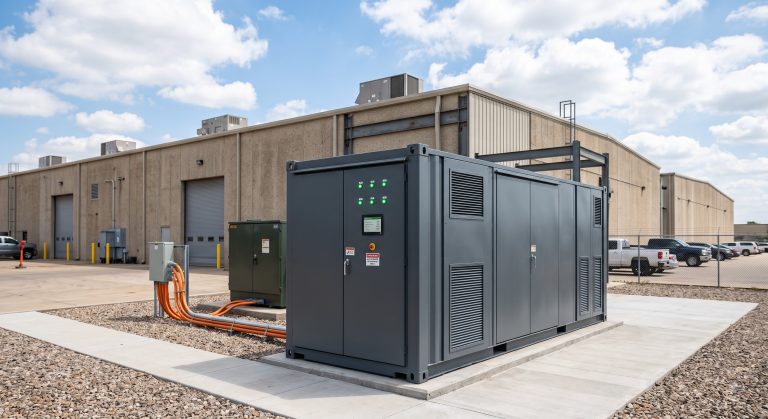
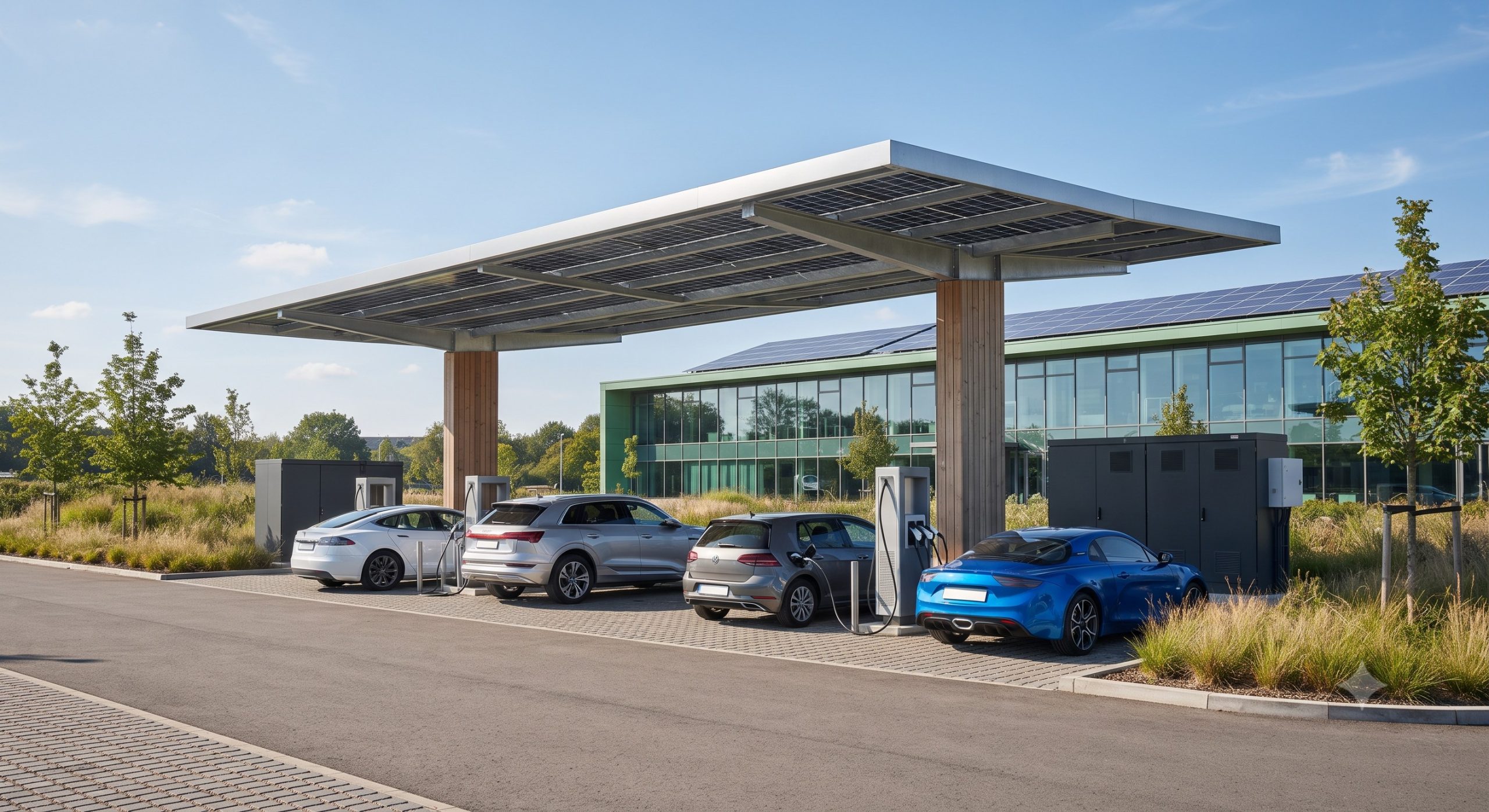
The versatility of modern BESS allows for deployment in various scenarios, from standalone industrial park peak-shaving to complex micro-grids. One of the most impactful applications is the PV-Storage-Charging synergy for EV supercharging stations. By integrating solar canopies with storage, facility operators can buffer the intermittent nature of solar generation and stabilize the grid load from high-power EV chargers, ensuring high-power charging availability without costly grid upgrades . Project consultants optimize system sizing to ensure the BESS can handle the charging stations’ load profiles while maximizing self-consumption of renewable energy.
Conclusion: From Feasibility to Operations
Navigating the complexities of the energy storage market requires precision engineering and strategic financial planning. Whether it’s conducting a feasibility study, securing local permits, or managing the Factory and Site Acceptance Testing (FAT/SAT), a qualified energy storage project consultation provides the technical due diligence necessary to mitigate risk and maximize long-term returns . By focusing on Tier-1 LFP cells, advanced liquid cooling, and rigorous compliance with UL 9540, developers can build resilient energy infrastructure that accelerates the zero-carbon transition.