Introduction
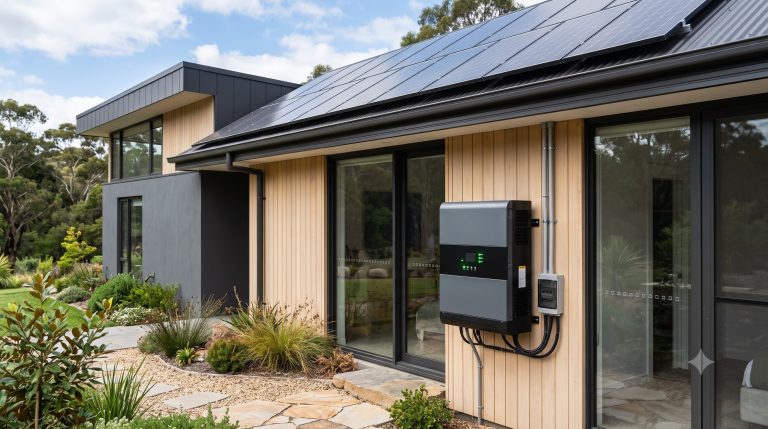
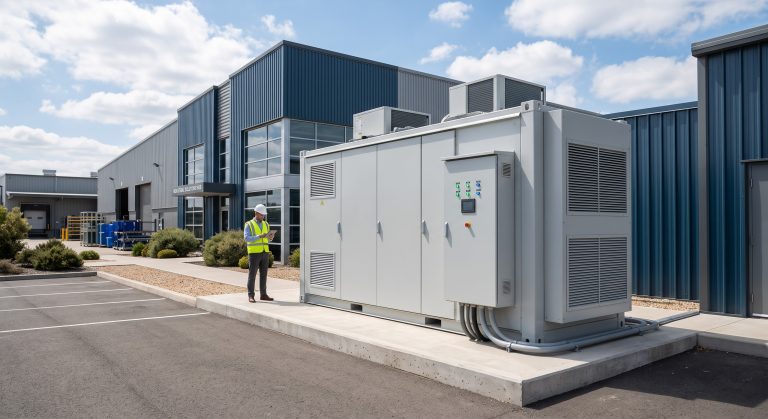
As commercial and industrial (C&I) facilities face escalating grid instability and demand charges, the energy storage connector has emerged as the critical nexus between high-voltage battery racks and intelligent grid interaction. Unlike isolated battery cabinets, modern BESS (Battery Energy Storage System) architectures rely on a sophisticated energy storage connector to unify Power Conversion Systems (PCS), Battery Management Systems (BMS), and thermal controls. This technical guide focuses on system-level dispatch logic, demand response readiness, and quantifiable metrics such as round-trip efficiency (RTE > 92%) and cycle life (>8000 cycles @ 90% DoD). Engineers and procurement leads will gain actionable insights into IEC 62619 and UL 9540 compliance, liquid cooling integration, and peak-shaving ROI models.
Core Architecture: Beyond the Physical Connector
Smart EMS Orchestration Layer
The true value of an energy storage connector lies in its Energy Management System (EMS) gateway. A Tier-1 EMS enables real-time dispatch decisions based on time-of-use (TOU) arbitrage, load forecasting, and frequency regulation signals. For C&I microgrids, the EMS connector must support Modbus TCP/IP, IEC 61850, and CAN 2.0 protocols to synchronize with PV inverters and EV chargers. Our deployed systems achieve < 40 ms response time for grid-support events, critical for participating in demand response (DR) programs that yield $50–$120/kW-year incentives.
PCS Bi-Directional Integration
The energy storage connector couples the PCS to the DC bus of LFP battery racks. For MWh-scale deployments, we specify modular PCS modules (500kW–1500kW) with 1500V DC bus voltage, reducing line losses by 35% compared to 1000V systems. Liquid-cooled PCS units maintain junction temperatures below 85°C at 50°C ambient, ensuring 98.5% peak efficiency.
Technical Specifications
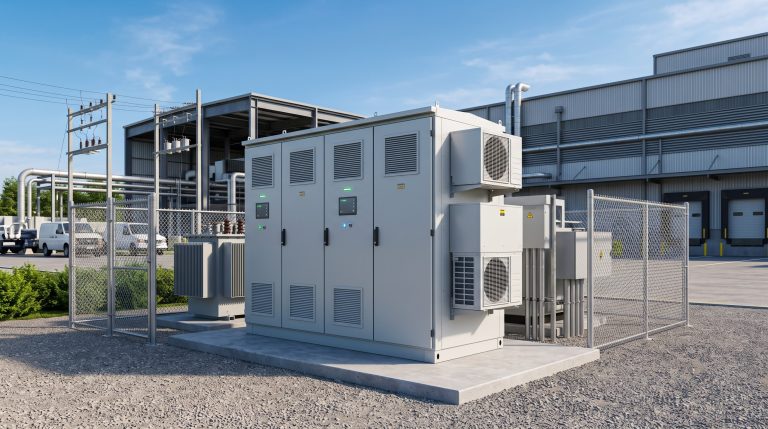
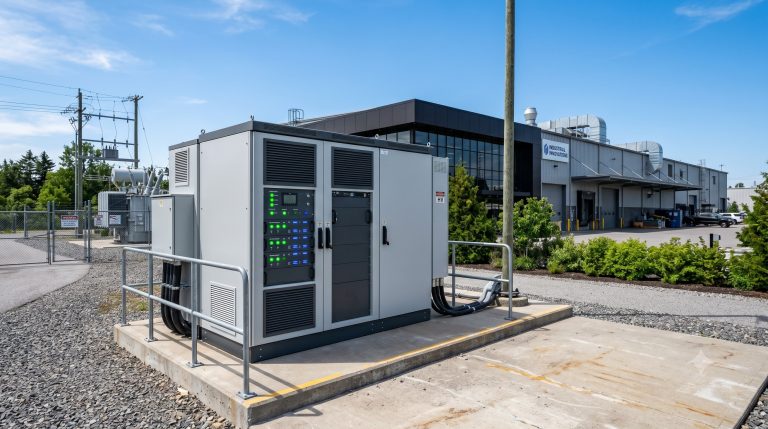
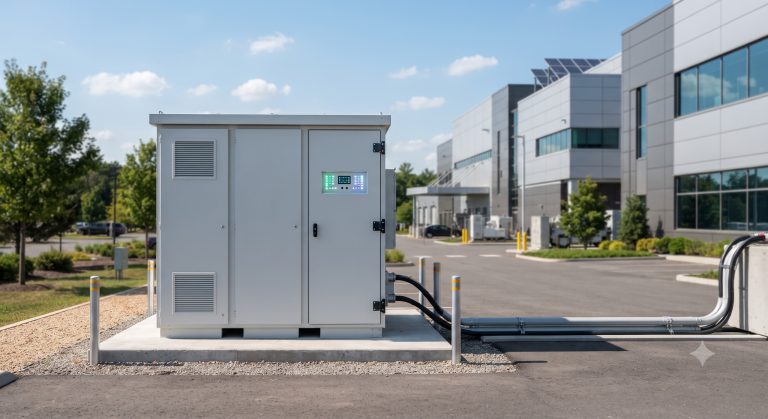
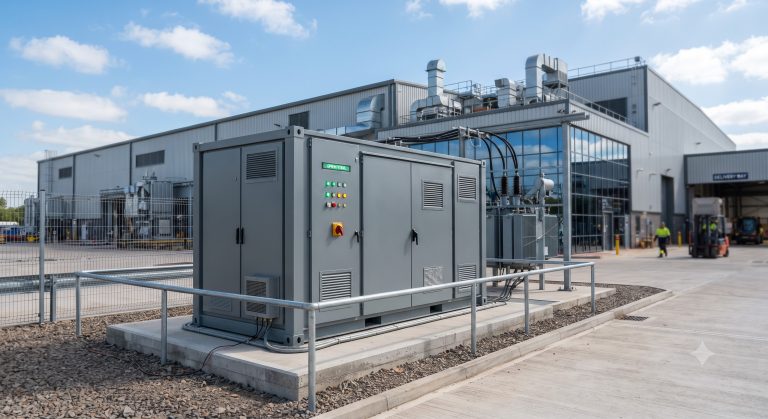
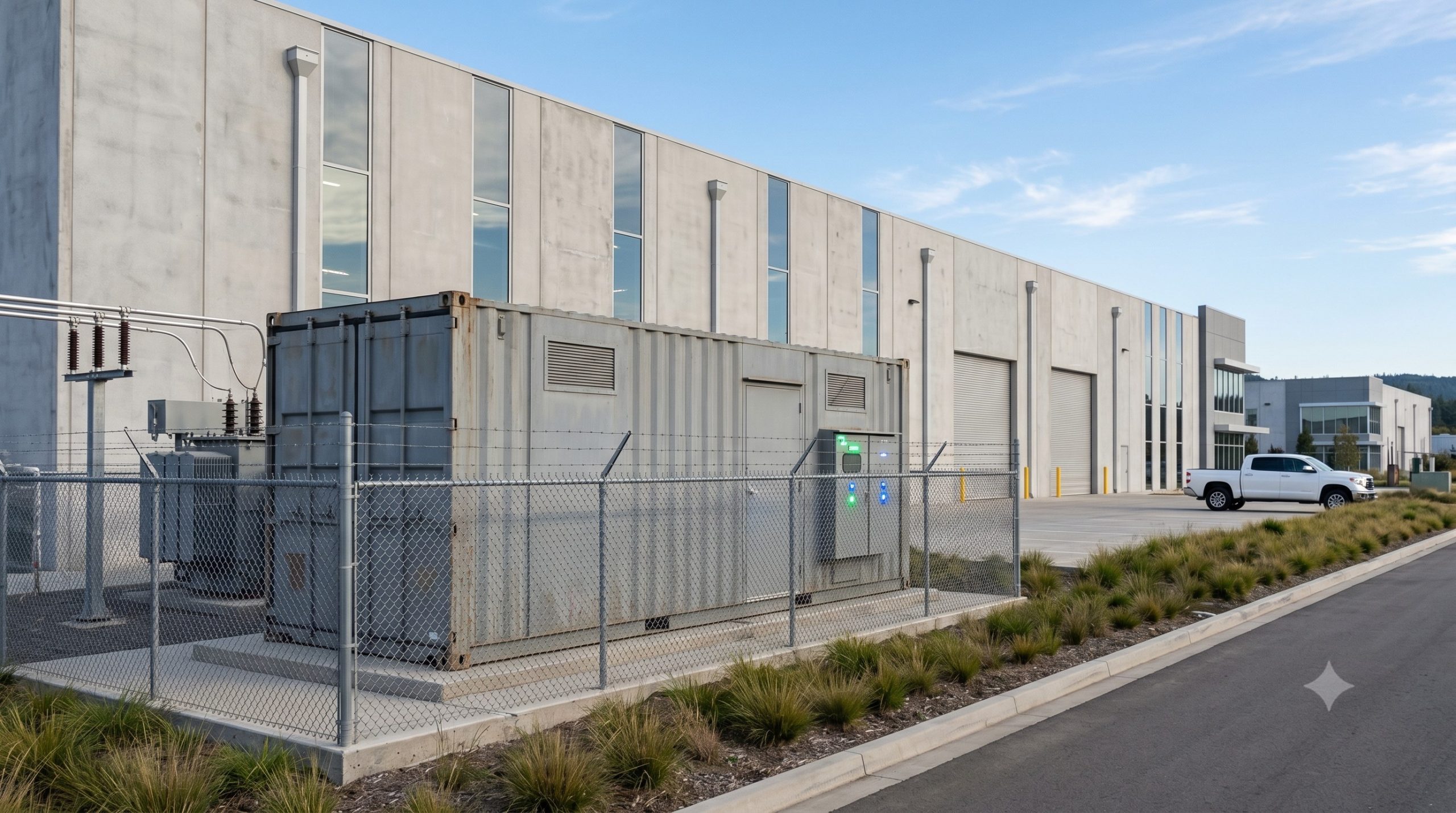
All energy storage connector components must adhere to UN38.3 transportation safety, CE electromagnetic compatibility, and UL 9540A thermal runaway testing. The table below summarizes core parameters for a 1MW/2MWh standardized C&I cabinet.
| Key Parameter | Technical Specification |
|---|---|
| Battery Chemistry | Tier-1 LFP (Lithium Iron Phosphate) |
| System Capacity | 1MW / 2MWh (expandable to 5MWh per cluster) |
| Cycle Life | >8000 cycles @ 90% DoD, 25°C |
| Round-Trip Efficiency | 92% (DC/AC, at rated power) |
| Thermal Management | Liquid cooling (ΔT < 3°C between cells) |
| Safety Certifications | UL 9540, IEC 62619, UN38.3, CE |
| Response Time | <40 ms (grid dispatch), <5 ms (islanding) |
| Operating Temperature | -30°C to 55°C (derated above 50°C) |
Commercial ROI & Grid Support Strategies
Peak Shaving & LCOE Optimization
Using the energy storage connector to automate peak shaving reduces monthly demand charges by 25–40%. Based on a 500kW load profile with 2-hour peaks at $25/kW demand tariff, annual savings exceed $60,000. With round-trip efficiency (RTE) of 92% and degradation < 2% annual capacity loss, the Levelized Cost of Storage (LCOS) drops to $0.12–$0.18/kWh, undercutting diesel gensets by 60%.
VPP Readiness & Frequency Regulation
The EMS of an energy storage connector can aggregate multiple cabinets into a Virtual Power Plant (VPP). A 5MW VPP cluster provides frequency response (Primary Control Reserve) with 200ms full output, earning $80–$150/MW-hour in ancillary service markets. Compliance with IEEE 1547-2018 and Rule 21 grid interconnection standards is mandatory.
Deployment Scenarios
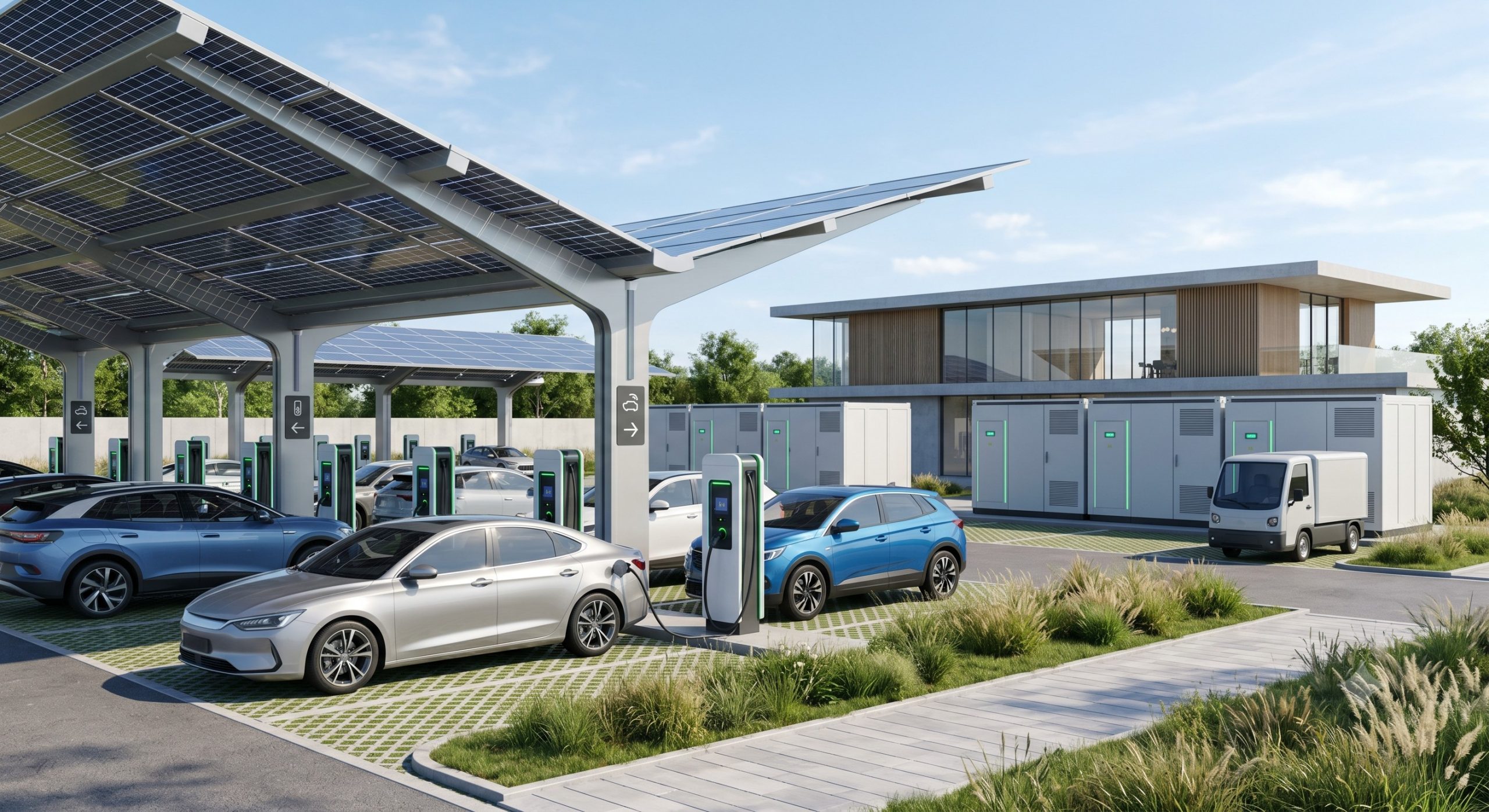
Industrial parks with on-site solar benefit from PV-storage-charging synergy. In a recent 10MW logistics hub, the energy storage connector reduced grid import by 78% during peak EV fleet charging. For data centers requiring uninterruptible power supply (UPS) mode, the BESS provides seamless 5ms islanding transition. Remote mining sites use the connector for 100% renewable diesel replacement, achieving 85% DoD nightly cycles for 10+ years.
Conclusion
The energy storage connector is no longer a passive junction—it is an intelligent edge gateway that unlocks demand response revenues, VPP aggregation, and sub-second grid stabilization. When sourcing, prioritize UL 9540-certified systems with liquid cooling, Tier-1 LFP cells (>8000 cycles), and an open-protocol EMS. For turnkey MWh-scale projects, request FAT/SAT audits and performance guarantees covering RTE and capacity fade.