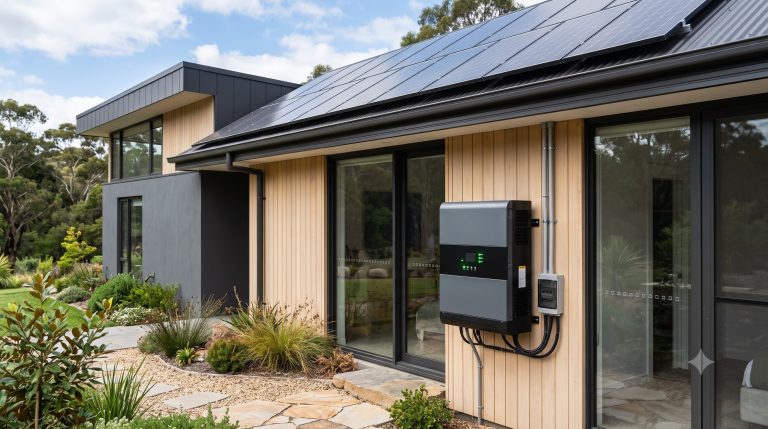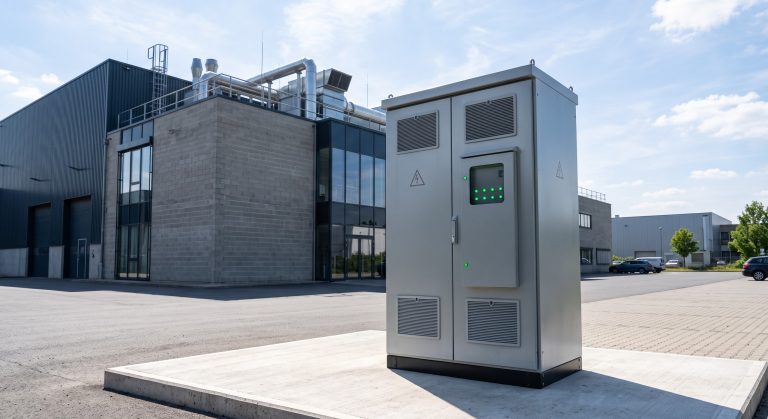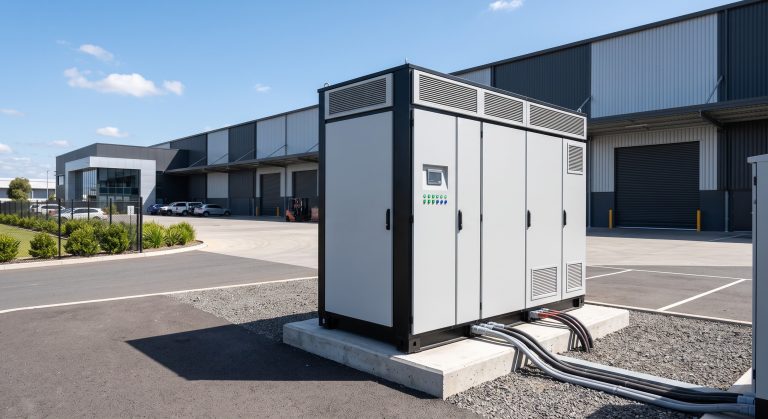
Introduction: The Paradigm Shift in Commercial & Industrial Energy Economics
For C&I energy buyers, facility managers, and EPC project developers, the commercial argument for energy storage has transitioned from an environmental badge to a fundamental pillar of financial hedging and operational resilience. The global energy landscape is marked by volatile wholesale electricity prices, increasing peak demand charges, and the accelerating integration of intermittent renewables. In this arena, grid-tied container energy storage has emerged as the definitive infrastructure investment. This guide provides an authoritative, technical deep-dive into modern Battery Energy Storage Systems (BESS), deconstructing the architecture, key performance metrics (including cycle life, round-trip efficiency, and DoD), and the financial frameworks—including LCOE and ROI—that underpin a successful deployment.
Core Architecture & Battery Management: The Backbone of Reliability
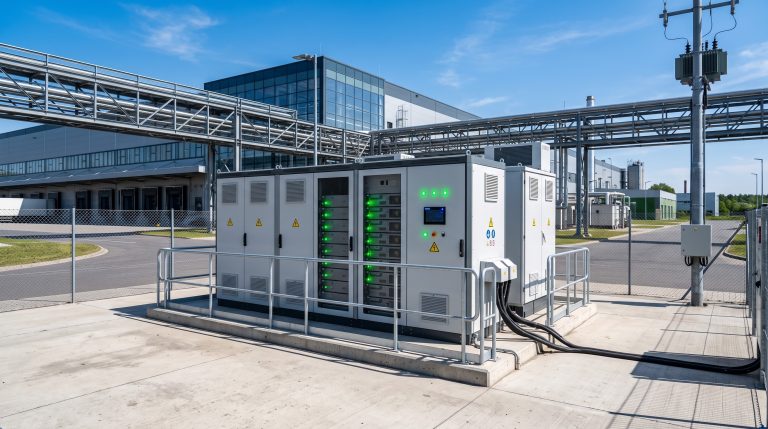
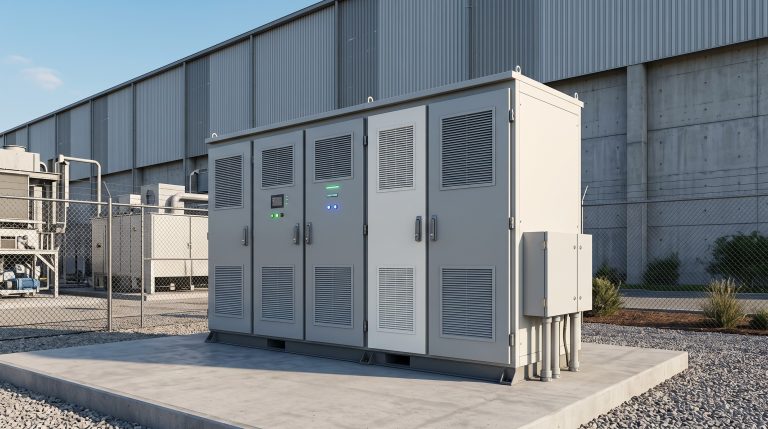
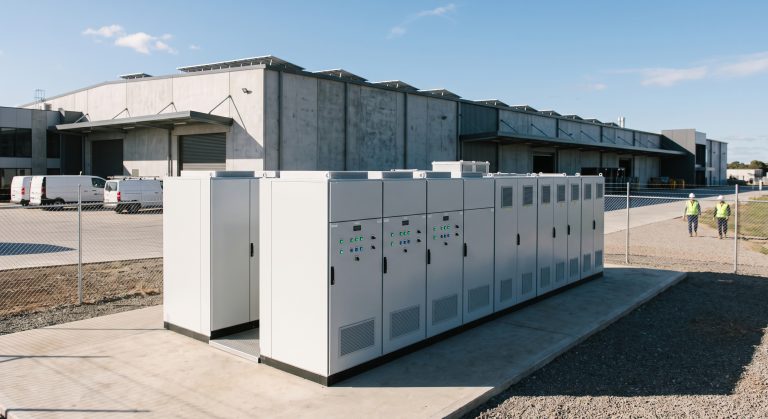
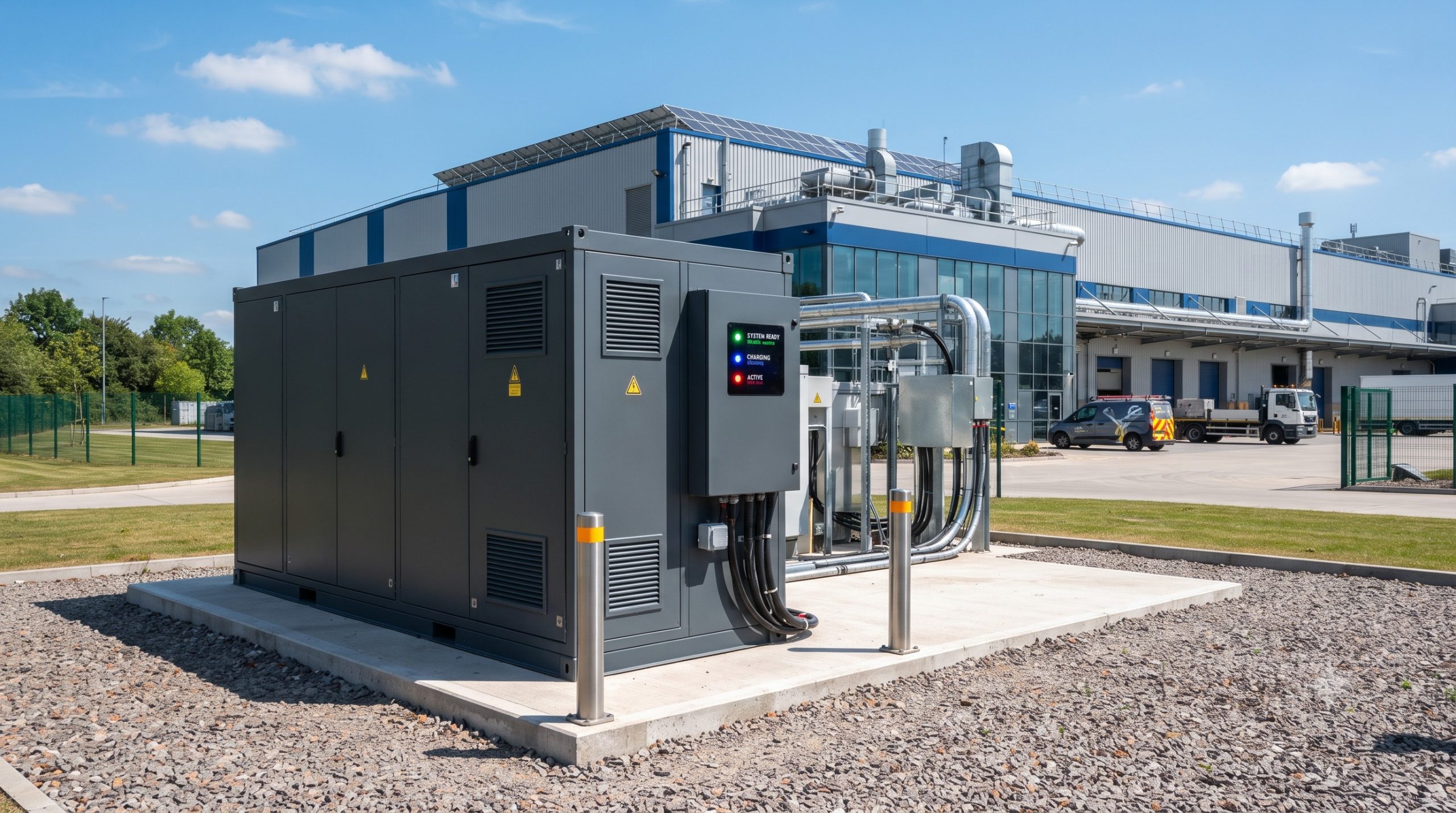
The architecture of a modern grid-tied container energy storage system is an intricate symphony of power electronics, thermal management, and intelligent controls. The fundamental building blocks comprise the battery cells, the Power Conversion System (PCS), the Battery Management System (BMS), and the Energy Management System (EMS). For high-capacity MWh-scale deployments, the industry standard has shifted decisively toward liquid cooling thermal control for its superior ability to maintain cell temperature uniformity. Liquid cooling enhances cell balancing, directly contributing to a prolonged cycle life and mitigating the risks associated with thermal runaway. Top-tier systems utilize Tier-1 LFP (Lithium Iron Phosphate) prismatic cells, known for their exceptional thermal stability and safety profile.
Battery Chemistry and Cell Selection
The selection of LFP chemistry is non-negotiable for safety-conscious C&I applications. The cathode material’s intrinsic oxygen stability drastically reduces the exothermic reactions that lead to catastrophic fires. When sourcing a grid-tied container, it is imperative to request cell-level testing data aligned with UN38.3 for transport and IEC 62619 for safety requirements. The internal resistance and self-discharge rates of these cells are critical for maintaining high round-trip efficiency and ensuring the system responds optimally to frequency regulation signals from the utility grid.
Power Conversion System (PCS) and EMS Dispatch
At the heart of the system lies the bi-directional PCS, which manages the DC-AC conversion. Advanced PCS topologies are now integrating silicon carbide (SiC) MOSFETs to achieve efficiencies exceeding 98.5%. A sophisticated EMS acts as the system’s brain, executing complex dispatch algorithms to maximize revenue streams. The EMS algorithm processes real-time data, including electricity tariffs, load curves, and grid frequency deviations, to switch seamlessly between peak shaving, load shifting, and demand response modes. The modularity of the architecture allows for parallel operation, enabling scalable capacity from 1MWh to multi-MWh industrial park projects.
Technical Specifications & Performance Metrics
Understanding the technical specifications is paramount to engineering an effective system and validating Tier-1 supplier claims. This table summarizes the critical parameters that buyers must scrutinize during the procurement phase.
| Key Parameter | Technical Specification |
|---|---|
| Battery Chemistry | Tier-1 LFP (Lithium Iron Phosphate) |
| System Voltage | 1500 V DC |
| Usable Capacity | 1-5 MWh (scalable via modular cabinets) |
| Cycle Life | >8000 cycles @ 90% DoD, >10000 cycles @ 80% DoD |
| Round-Trip Efficiency | >92% (AC-AC, including auxiliary loads) |
| Thermal Management | Advanced Liquid Cooling (maintains cell delta T < 3°C) |
| Safety Compliance | IEC 62619, UL 9540, CE, UN38.3 |
| Enclosure Rating | IP54 / IP65 (outdoor-ready) |
| Response Time | < 30 ms (for grid frequency regulation) |
Beyond these static specifications, prospective buyers must interrogate the degradation curve. A robust warranty will guarantee a specific End-of-Life (EOL) capacity (e.g., 80% or 70% of initial capacity) over the warranty period. The Depth of Discharge (DoD) is the primary lever that dictates cycle life. Operating at 80% DoD yields an average of 8000 cycles, while a more conservative 90% DoD may extend this to over 10000 cycles. This trade-off is central to the LCOE (Levelized Cost of Storage) calculation. The containerized form factor inherently provides robust IP54 or IP65 ingress protection, ensuring durability in outdoor environments, from desert heat to cold climates, with the liquid cooling system maintaining an optimal internal temperature range of 20-25°C.
Commercial ROI & Grid Support: Beyond Peak Shaving
The economic viability of a grid-tied container energy storage system extends far beyond simple peak shaving. The modern C&I facility can leverage multiple value streams: demand charge mitigation, energy arbitrage, participation in ancillary services markets (frequency regulation), and even micro-grid formation for backup power. The Total Cost of Ownership (TCO) must account for CapEx, OpEx (including maintenance and replacement), and system efficiency. High round-trip efficiency ensures that minimal energy is lost during the charge/discharge cycle, directly impacting the ROI. When evaluating quotes, it’s essential to assess the PCS’s capability for grid-forming vs. grid-following operations—a critical distinction for facilities requiring resilience during grid outages. The integration of a grid-tied container allows facilities to demonstrate reduced carbon intensity, a key KPI for corporate net-zero commitments while securing a robust return on investment.
Deployment Scenarios: Industrial Parks and EV Supercharging Synergy
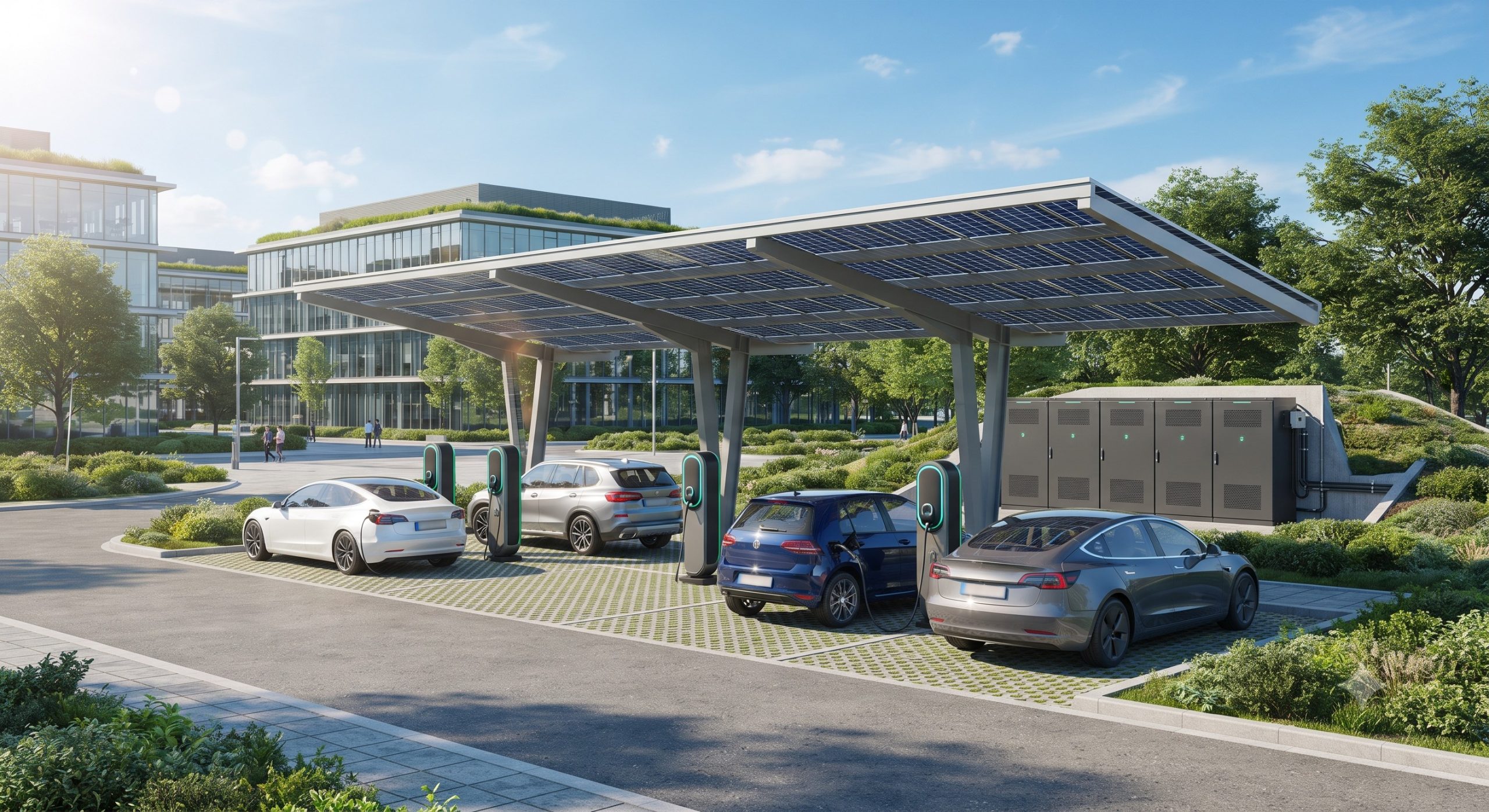
The modularity and scalability of containerized ESS make them ideal for a diverse range of C&I environments. The most compelling case studies involve high-energy-consuming facilities such as manufacturing plants, data centers, and commercial refrigeration hubs. In these scenarios, the battery system is charged during off-peak hours when electricity prices are low and discharged during peak demand periods, effectively flattening the load curve and reducing demand charges by 30-40%. Another high-growth vertical is the PV-Storage-Charging (光储充) model. Here, the grid-tied container acts as an intermediary buffer for EV supercharging stations, absorbing solar energy and preventing grid overload. This synergy transforms the energy system into an independent, revenue-generating micro-grid that can exploit dynamic electricity pricing.
Conclusion: The Strategic Imperative for Energy Independence
In conclusion, the sourcing of a grid-tied container energy storage solution is a high-stakes, high-reward strategic decision. It demands a deep technical evaluation of the BMS, thermal management, and cell chemistry to ensure compliance with rigorous safety standards like UL 9540 and IEC 62619. By leveraging the detailed technical specifications and ROI frameworks outlined in this guide, procurement managers and engineers can navigate the complex B2B landscape with confidence. This is not merely an infrastructure acquisition; it is the cornerstone of a resilient, sustainable, and economically optimized energy strategy for the next decade. Contact our engineering team to initiate a preliminary site audit and capacity sizing simulation for your specific facility.