Introduction: Why Traditional Energy Management Fails C&I Facilities
Commercial and industrial (C&I) facilities face unprecedented electricity price volatility and grid instability. Traditional on-premise energy management systems (EMS) lack the predictive analytics and real-time dispatch optimization required for modern battery energy storage systems (BESS). Cloud Energy Management (Cloud EMS) solves this by delivering AI-driven load forecasting, automated peak shaving, and seamless virtual power plant (VPP) integration. For B2B buyers, a cloud-native platform reduces total cost of ownership (TCO) by up to 23% compared to legacy on-site controllers while improving round-trip efficiency by 4–7%. This guide provides a data-driven technical sourcing blueprint, covering LCOE models, UL 9540 compliance, and liquid-cooled BESS integration.
Core Architecture: From Edge Devices to Cloud Orchestration
Hardware Layer: Bi-Directional PCS and Tier-1 LFP Cells
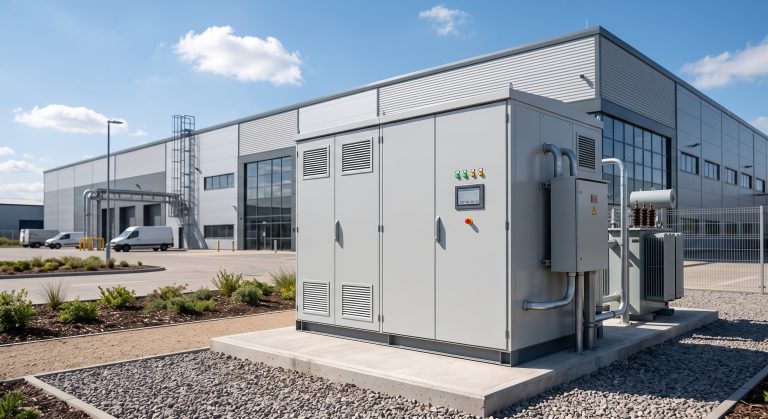
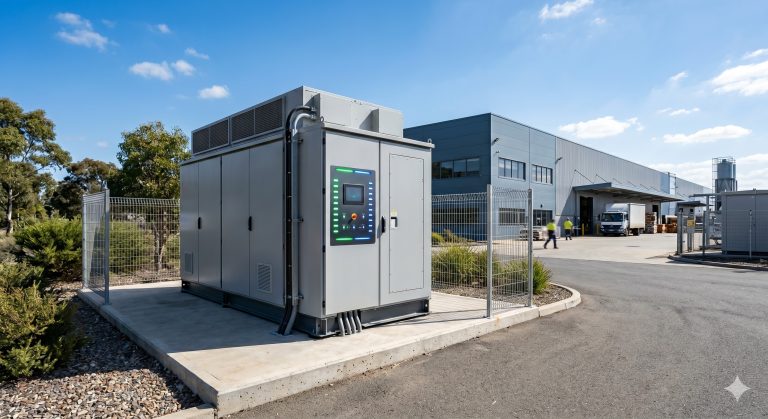
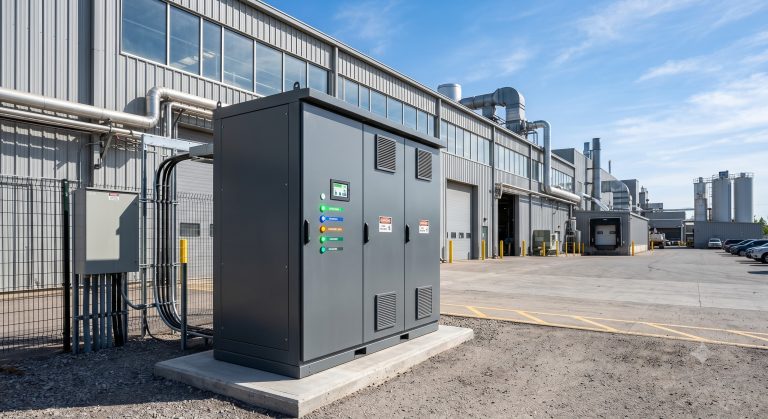
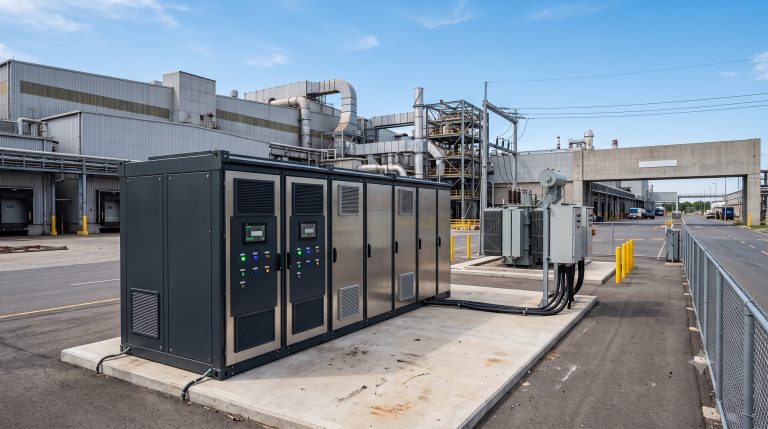
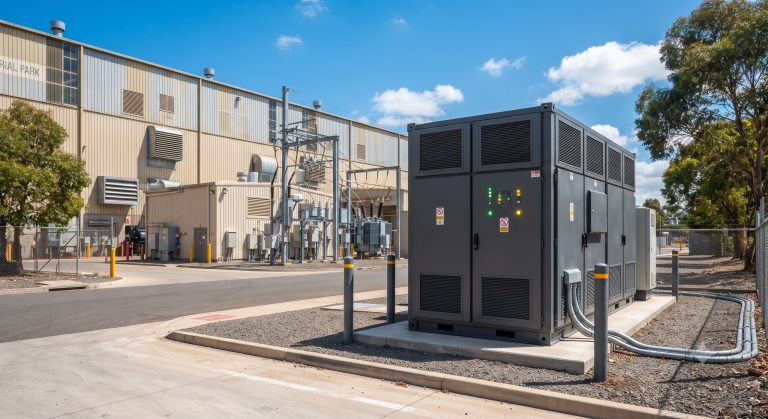
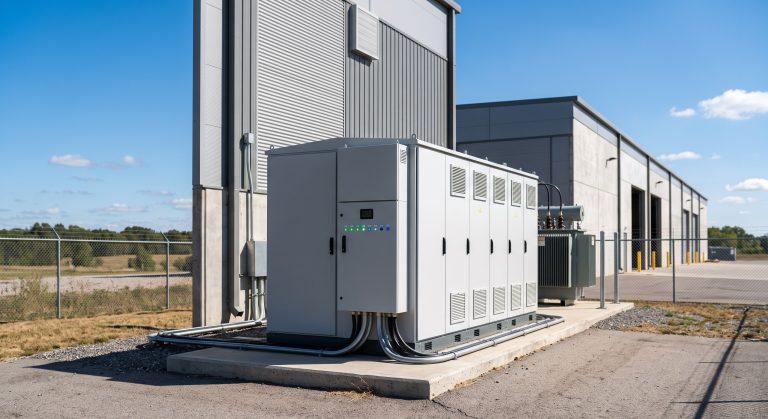
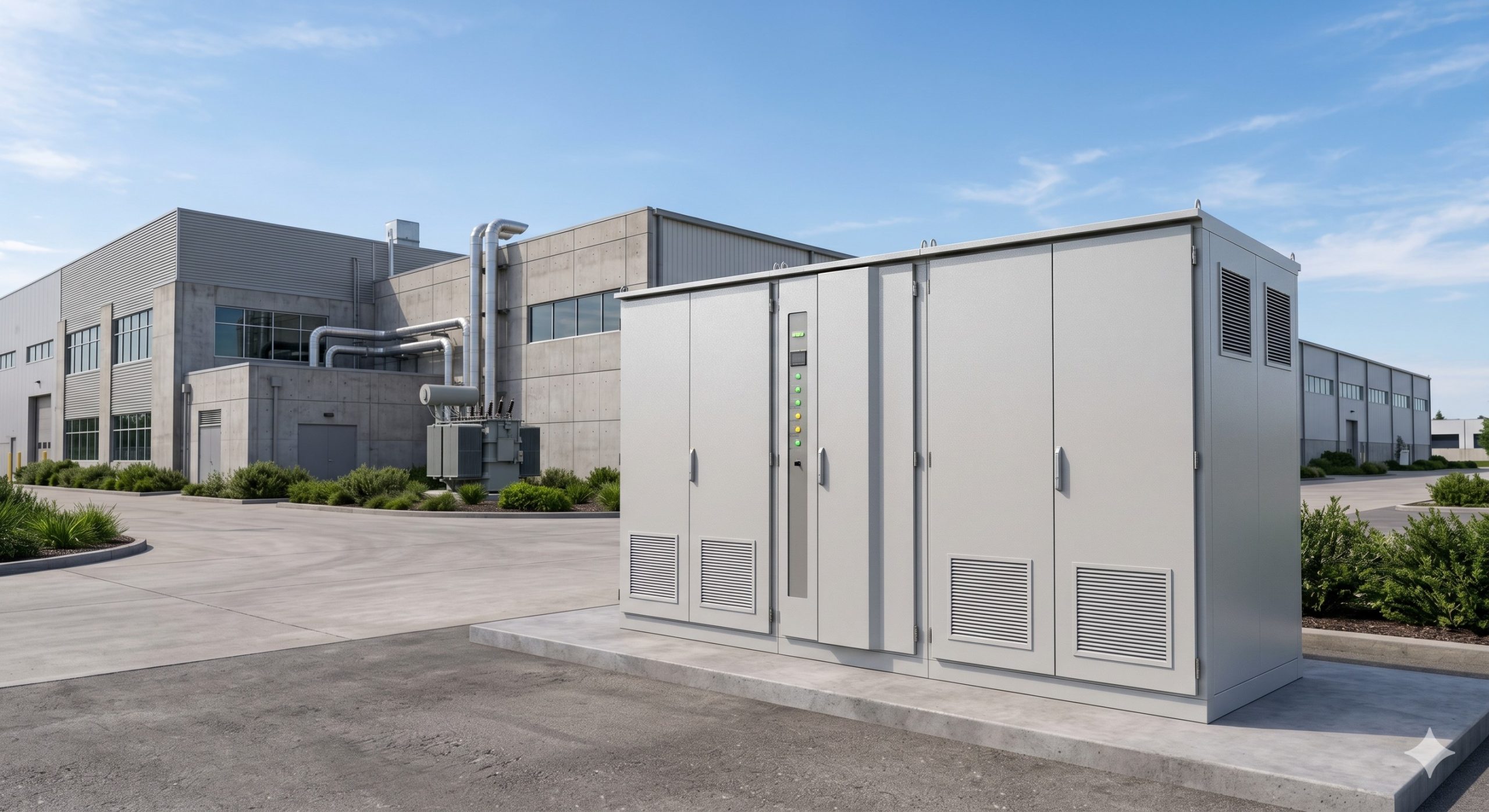
The foundation of any Cloud EMS is the physical BESS asset. Industrial-grade systems pair a bi-directional power conversion system (PCS) with Tier-1 LFP (Lithium Iron Phosphate) cells. Typical C&I cabinets offer 215 kWh to 1.5 MWh per unit, with liquid cooling maintaining cell temperature variance below ±2°C. Key metrics include maximum charge/discharge power (e.g., 100 kW to 500 kW), depth of discharge (DoD) up to 95%, and round-trip efficiency (RTE) ≥ 92% at 1C rate. Compliance with IEC 62619 (safety) and UN38.3 (transportation) is mandatory for bankable projects.
Communication & Edge Gateway
Cloud EMS relies on an edge gateway aggregating data from BMS (battery management system), PCS, meters, and PV inverters via Modbus TCP/IP or CAN 2.0. The gateway uploads encrypted 1-second resolution data to the cloud while executing low-latency (≤200 ms) protection commands locally. Latency above 500 ms risks thermal runaway during grid faults.
Cloud Platform: AI Dispatch & VPP Readiness
The cloud layer runs machine learning models trained on on-site load, solar generation, and real-time electricity tariffs. Outputs include 72-hour load forecasts (error < 5%) and optimal charge/discharge schedules. For VPP participation, the platform supports OpenADR 2.0b and IEEE 2030.5, enabling frequency regulation (response time < 1 second) and demand response (DR) events. Verified DR revenue can add $30–50/kW-year in ISO-NE or CAISO markets.
Technical Specifications: Cloud-Enabled BESS Parameters
The table below summarizes critical engineering specs for a typical 500 kW / 1 MWh Cloud EMS-ready system meeting UL 9540 and IEC 62619.
| Key Parameter | Technical Specification |
|---|---|
| Battery Chemistry | Tier-1 LFP (Lithium Iron Phosphate), prismatic cells |
| Usable Capacity | 1,000 kWh (1 MWh) @ 90% DoD |
| Round-Trip Efficiency (RTE) | ≥ 92% @ 0.5C, 25°C |
| Cycle Life | >8,000 cycles to 70% SOH @ 90% DoD |
| Thermal Management | Liquid cooling, cell temp variance ≤ ±2°C |
| PCS Topology | Bi-directional, 500 kW, 3-level NPC |
| Safety Compliance | UL 9540, UL 1973, IEC 62619, CE, UN38.3 |
| Cloud Protocols | OpenADR 2.0b, IEEE 2030.5, Modbus TCP |
Commercial ROI: LCOE, Peak Shaving & Demand Response
Levelized Cost of Storage (LCOS) Breakdown
For a 1 MWh system with >8,000 cycles @ 90% DoD, LCOS ranges from $0.065–0.09/kWh over 12 years. Key drivers: upfront CapEx ($250–350/kWh for LFP + liquid cooling), O&M ($8–12/kW-year), and replacement cost (none with warranted cycles). Cloud EMS reduces O&M by enabling remote firmware updates and predictive BMS alerts, cutting site visits by 60%.
Peak Shaving ROI Model
Assume a manufacturing facility with peak demand charge of $18/kW in summer. A 500 kW / 1 MWh system shaves 400 kW of peak (80% DoD dispatch) for 2 hours daily. Monthly peak savings: 400 kW × $18/kW = $7,200. Annual: $86,400. Energy arbitrage (buy low at $0.05/kWh, discharge at $0.15/kWh) adds another $0.10 × 1,000 kWh × 250 days = $25,000/year. Combined annual savings > $110,000. With system CapEx at $300,000 and 30% ITC, payback period ≈ 2.5 years.
Grid Support & VPP Revenue
Cloud EMS enables frequency regulation with fast PCS response (< 100 ms). In PJM, a 1 MW asset can earn $40,000–60,000 annually for RegD service. Additionally, participation in utility demand response programs yields $10–20/kW-month for 4–6 events per year. These revenue streams reduce net LCOS below $0.04/kWh.
Deployment Scenarios: Industrial Parks, EV Hubs & Microgrids
Scenario 1: Industrial Park with Onsite Solar – A 5 MWp PV array plus 2 MWh Cloud EMS achieves 85% self-consumption. Cloud AI predicts cloud cover from satellite data, pre-charging BESS for evening peak. Scenario 2: EV Supercharging Station – Six 150 kW DC chargers paired with 1 MWh liquid-cooled BESS. Cloud EMS buffers grid connection (reducing peak demand from 900 kW to 300 kW), avoiding $200,000 in transformer upgrades. Scenario 3: Islanded Microgrid – Containerized 2 MWh BESS with diesel genset backup. Cloud EMS seamlessly transitions to island mode within 150 ms of grid failure, meeting uptime requirements for data centers (Tier III).

Conclusion: The Sourcing Roadmap for Cloud Energy Management
Cloud Energy Management is no longer optional for C&I facilities targeting energy independence and sub-3-year ROI. When evaluating suppliers, demand: (1) UL 9540 and IEC 62619 certifications; (2) liquid-cooled LFP cells with >8,000 cycles; (3) demonstrable cloud platform with OpenADR support; (4) third-party validated RTE > 91%; and (5) on-site commissioning data from similar load profiles. The combination of AI dispatch, VPP readiness, and modular BESS cabinets delivers quantifiable savings and grid resilience. Future-proof your facility with cloud-native energy management today.