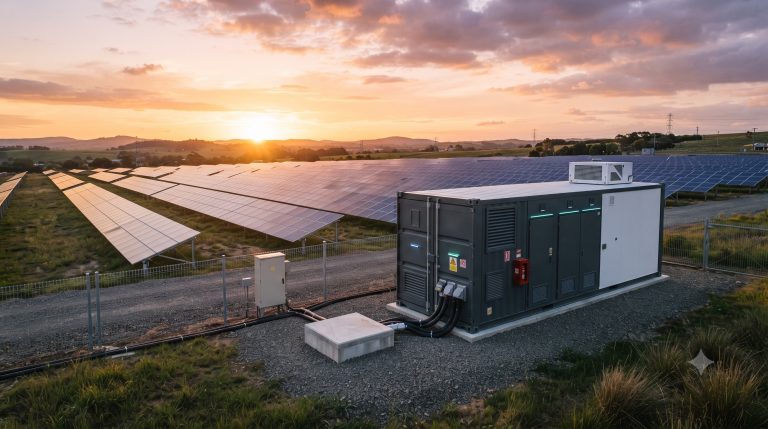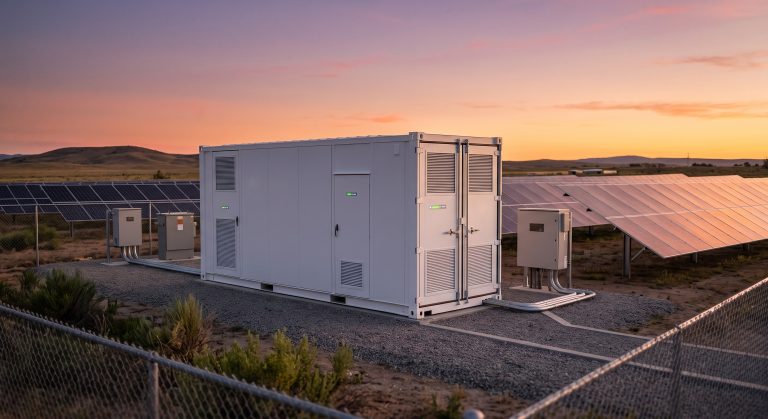
CLOUD ENERGY MANAGEMENT: COMMERCIAL BESS PLATFORM OVERVIEW & SYSTEM ARCHITECTURE WHITEPAPER
EXECUTIVE SUMMARY
Cloud Energy Management (CEM) is a carrier-grade, AI-optimized energy storage orchestration platform designed for Commercial & Industrial (C&I) and utility-scale Battery Energy Storage Systems (BESS). By decoupling supervisory control from local hardware, CEM delivers real-time telemetry, predictive load shaping, and automated energy arbitrage across distributed asset fleets. This document details the system architecture, safety logic, and performance ledger of our Tier-1 LFP based CEM solution.
SYSTEM ARCHITECTURE & SAFETY
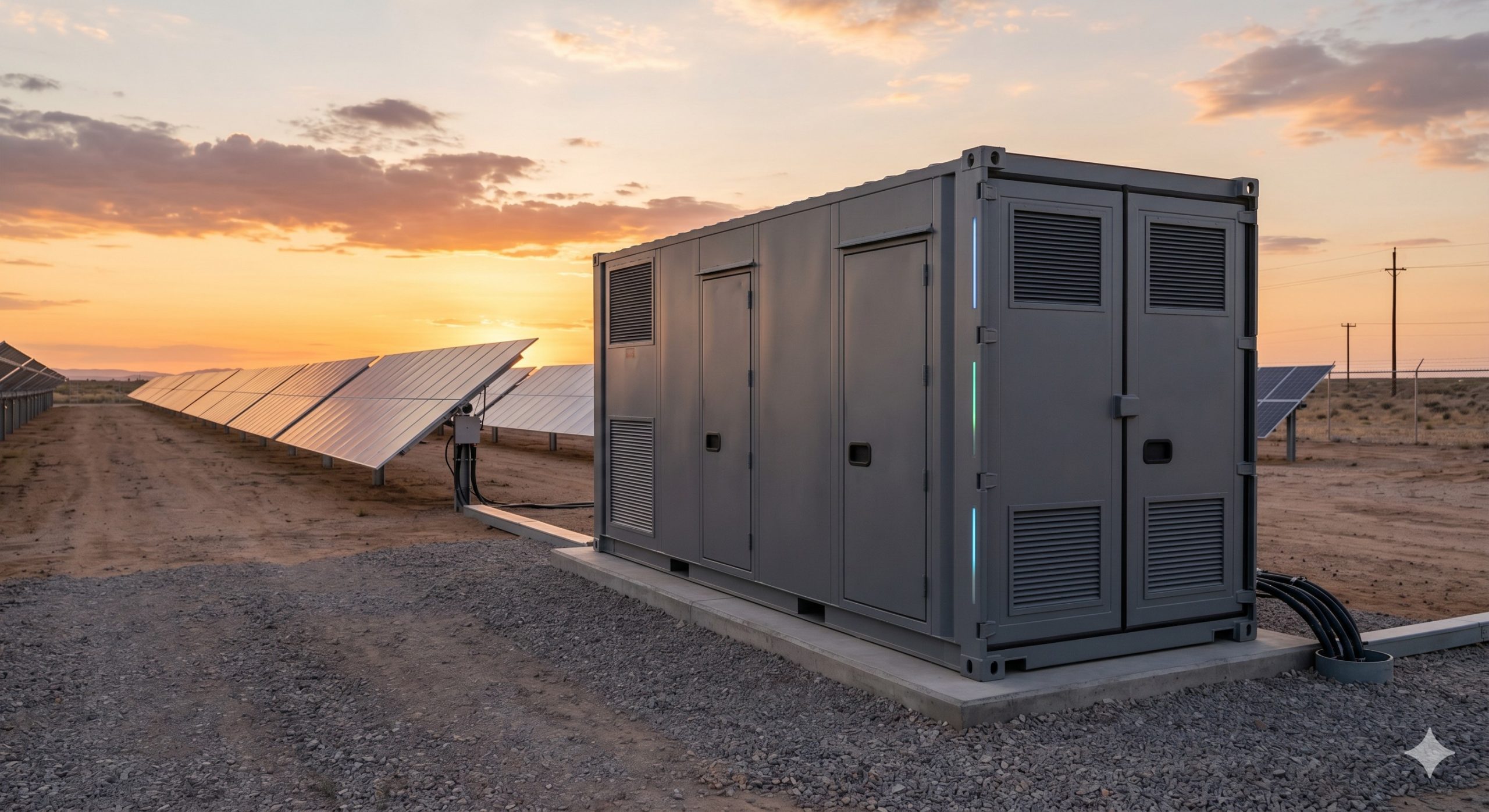
The CEM platform operates on a three-layer hierarchical framework: 1) Device Layer (PCS, BMS, smart meters, fire suppression panels), 2) Edge Gateway (5G/LAN aggregated data concentrator with TLS 1.3 encryption), and 3) Cloud Core (distributed Kubernetes cluster with ISO 27001 certified data lakes). Safety is embedded via a digital twin that executes per-second state estimation and triggers autonomous failovers under grid anomaly conditions. Redundant communication pipelines ensure <50ms command dispatch latency. KEY FEATURES - Predictive Peak Shaving: Machine learning models trained on 18+ months of localized load data reduce demand charges by 23-37%. - Virtual Power Plant (VPP) Ready: Native support for OpenADR 2.0b and IEEE 2030.5, enabling fleet-based frequency response and capacity market participation. - Remote Firmware Management: Zero-touch, staged OTA updates for PCS, BMS, and EMS with rollback capability and integrity hashing. - Multi-Tenant Asset Dashboard: Role-based access control (RBAC) with granular permissions for O&M contractors, facility managers, and CFO-level reporting. COMPLIANCE & STANDARDS The CEM platform and integrated BESS comply with global regulatory regimes: - UL 9540 (Energy Storage Systems and Equipment) - UL 1973 (Batteries for Use in Stationary Applications) - IEC 62619 (Secondary Cells and Batteries for Industrial Applications) - IEEE 1547-2018 (Interconnection and Interoperability) - NERC CIP (Cyber Security for Bulk Electric Systems) – optional hardened deployment TECHNICAL SPECIFICATIONS
| Parameter | Specification |
|---|---|
| Nominal Capacity (per cabinet) | 215 kWh / 372 kWh (selectable) |
| Rated Power (PCS) | 100 kW / 186 kW (bidirectional) |
| Cooling Method | Smart Liquid Cooling (anti-condensation) |
| Cell Chemistry | Tier-1 LFP (LiFePO4) |
| Round-trip Efficiency (DC/AC) | ≥88% @ 0.5C, 25°C |
| Communication Protocols | Modbus TCP, IEC 61850, MQTT, OCPP 2.0 |
| Operating Temperature | -30°C to +55°C (derated above 50°C) |
| Ingress Protection | IP54 (cabinets), IP20 (internal PCS) |
| Cycle Life | ≥6000 cycles @ 0.5C, 90% DoD, 25°C |
| Compliance Marks | UL 9540, IEC 62619, CE, UN 38.3 |
INDUSTRIAL DEPLOYMENT
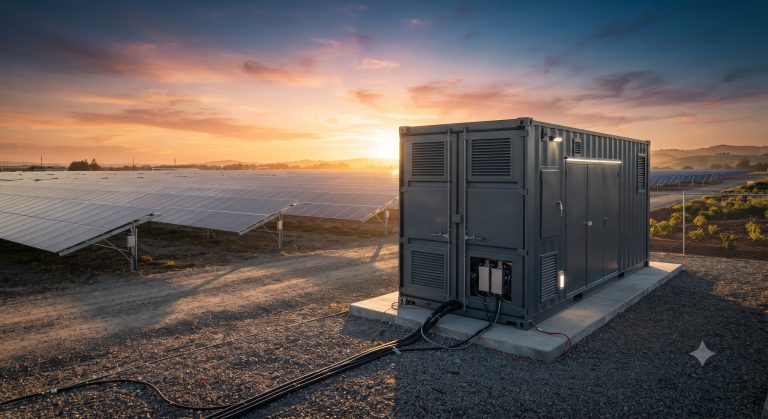
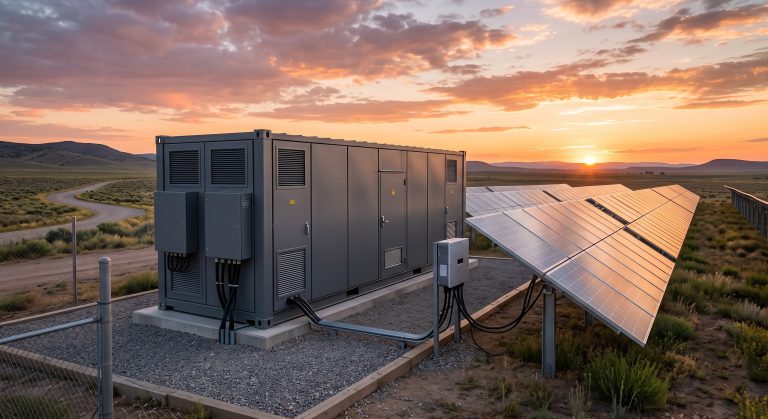
Typical CEM deployments target manufacturing sites, EV charging hubs, hospital campuses, and data center backup power zones. A single CEM cluster can manage up to 512 individual BESS cabinets aggregated into 50 MWh+ virtual storage groups. The system supports parallel expansion via CAN busbars and DC-coupling to existing PV inverters. For micro-grids, the CEM features a seamless islanding transition (<20ms) when grid loss is detected, powered by a supercapacitor-backed edge gateway.
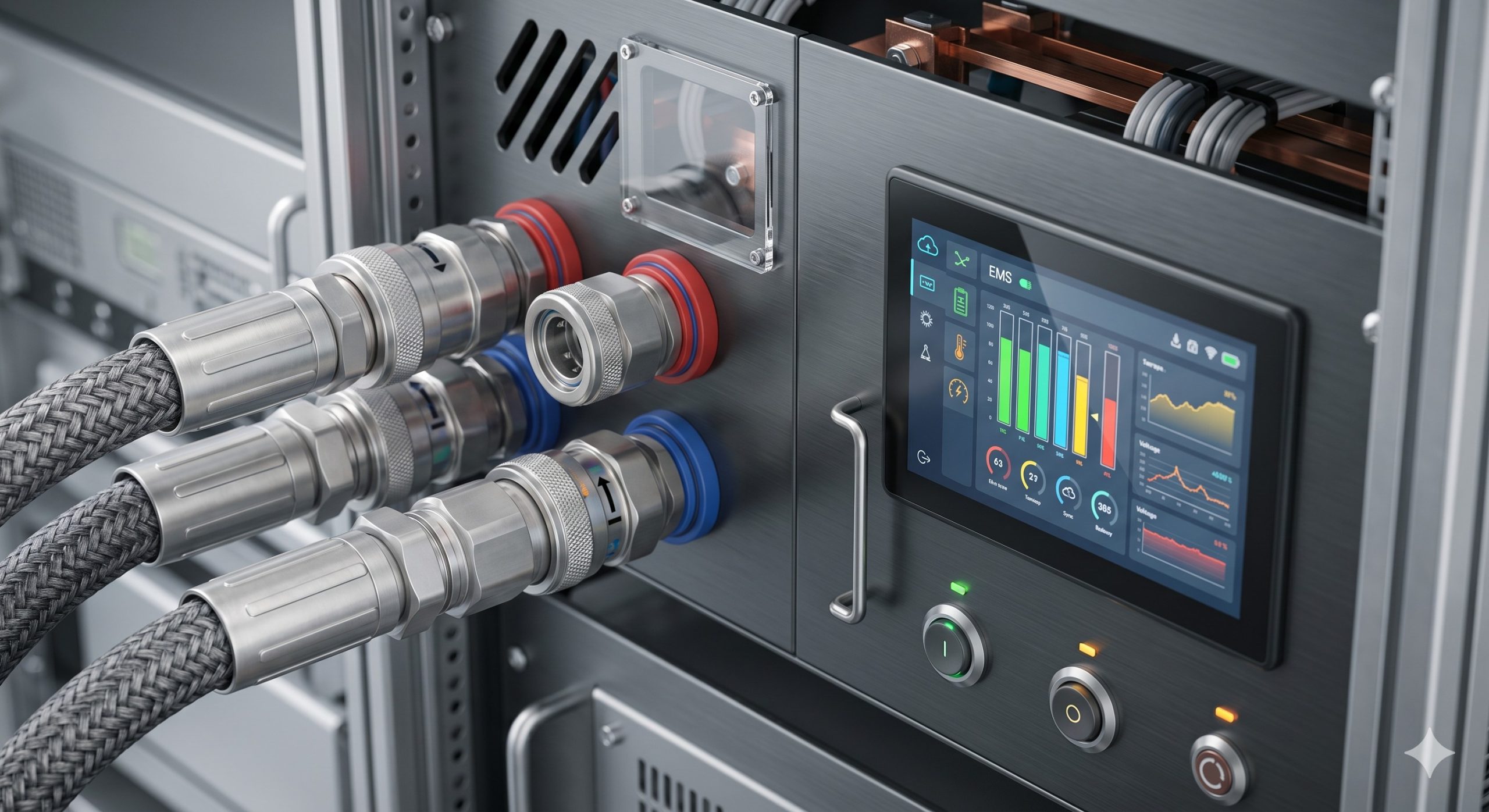
For detailed mechanical drawings, one-line electrical diagrams, and customized EMS API documentation, please consult your technical account manager.
📥 Download Technical Specification
Click the button below to view or download the full official PDF datasheet.