Introduction: The Grid Instability Crisis & The Rise of High-Capacity C&I Storage
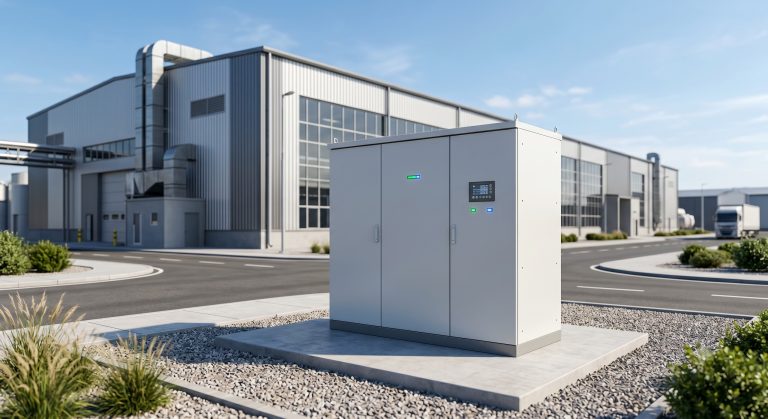
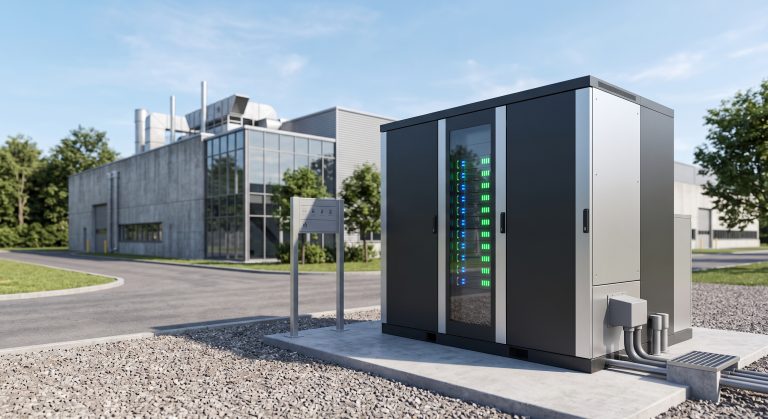
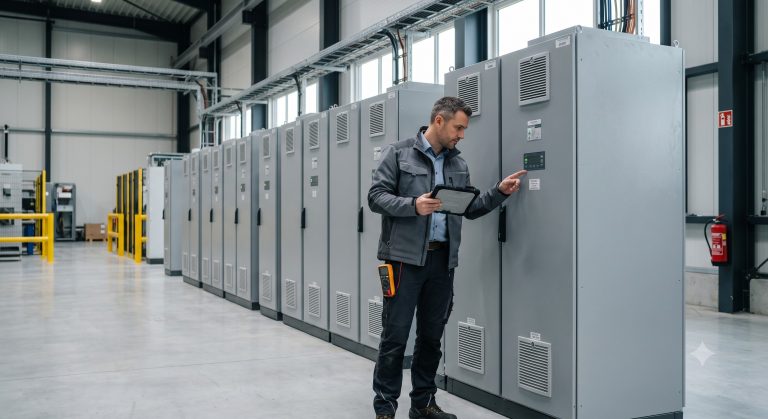
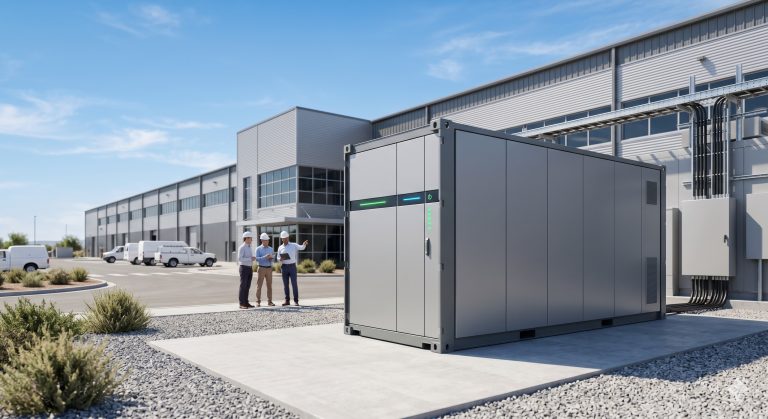
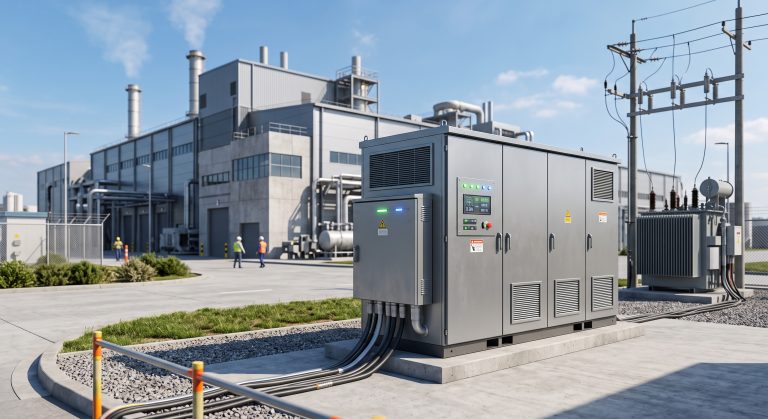
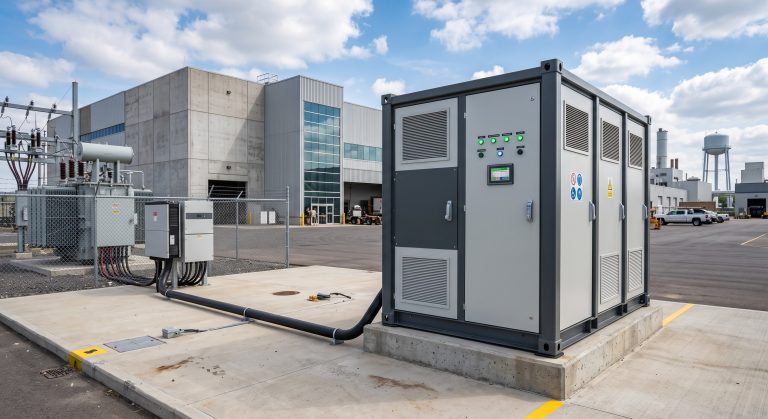
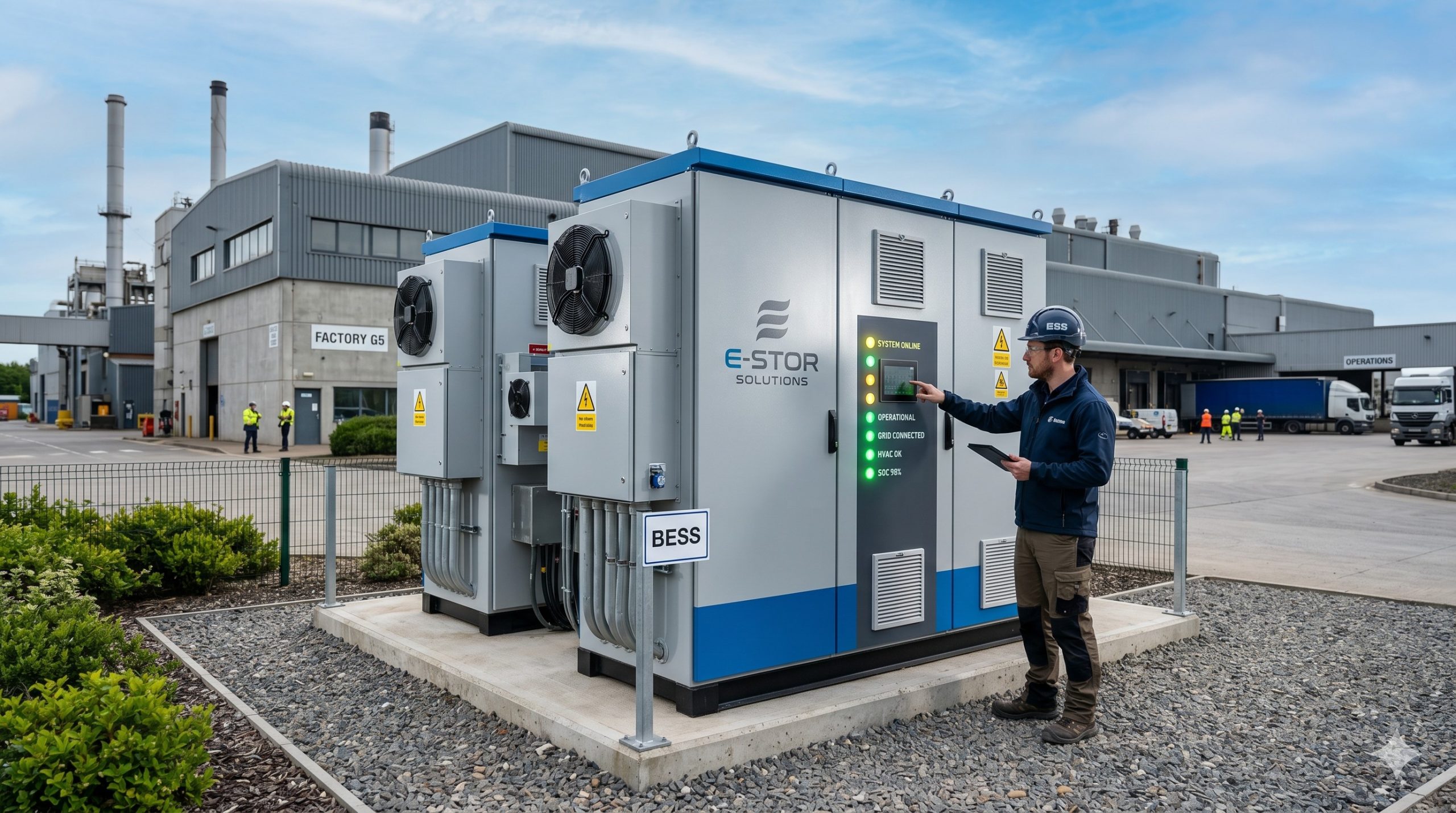
Industrial electricity costs have surged by over 18% year-over-year across major EU and US markets, while grid instability events—from load shedding to demand response penalties—are now a monthly reality for commercial and industrial (C&I) facilities. The 360kW-2.88MWh split-type DC charging station is not merely an EV charger; it is a high-capacity battery energy storage system (BESS) designed for peak shaving, demand charge reduction, and grid independence. Unlike traditional diesel generators or monolithic storage units, this split-type architecture decouples the 360kW power conversion system (PCS) from the 2.88MWh lithium iron phosphate (LFP) battery bank, enabling scalable, serviceable, and safer high-power DC charging for EV fleets, industrial parks, and micro-grids. This system meets IEC 62619, UL 9540, and UN38.3 standards, ensuring global bankability.
Core Architecture & Advanced Battery Management System
The split-type design separates thermal and electrical loads, enhancing safety and uptime. The system integrates three core intelligence layers:
1. Power Conversion System (PCS) – 360kW Bi-Directional SiC
The outdoor-rated 360kW PCS utilizes silicon carbide (SiC) MOSFETs achieving a peak round-trip efficiency of 96.2%. It supports 1500V DC bus voltage and grid-tied AC coupling (480V/60Hz or 400V/50Hz). Bi-directional capability enables vehicle-to-grid (V2G) and peak shaving with sub-20ms response time for grid-forming or grid-following modes.
2. Battery Management System (BMS) – 2.88MWh LFP with Passive Balancing
The 2.88MWh battery array consists of 16 independent racks of 180kWh each (total 2.88MWh usable energy at 90% depth of discharge (DoD)). Lithium Iron Phosphate (LFP) chemistry provides over 8,000 cycles at 90% DoD before reaching 70% state of health (SOH). The 3-tier BMS (module, rack, system) monitors cell voltage (±1mV accuracy), temperature (NTC sensors every 5 cells), and current with passive cell balancing (2A balancing current).
3. Thermal Management & Fire Suppression
A liquid cooling and heating (LCH) system maintains battery cells between 15°C and 35°C, reducing temperature deviation to ±2°C across all racks—critical for cycle life extension. Unlike air cooling, liquid cooling improves energy density by 30% and enables 1C continuous charge/discharge. Integrated aerosol-based fire suppression (EN 50604-1 compliant) with multi-level gas detection (CO, H2, VOC) activates at 60°C, venting via explosion-proof flaps.
Technical Specifications
The following table details the core technical parameters of the 360kW-2.88MWh split-type DC charging station, verified under standard test conditions (25°C, 0.5C rate).
| Key Parameter | Technical Specification |
|---|---|
| System Configuration | Split-type: 360kW PCS + 2.88MWh LFP battery (16 x 180kWh racks) |
| Battery Chemistry | Lithium Iron Phosphate (LFP), prismatic cells, 3.2V/280Ah |
| Usable Capacity (DoD) | 2.592 MWh @ 90% Depth of Discharge |
| Round-trip Efficiency (DC) | 96.2% @ 0.5C, 25°C (BESS only) |
| Cycle Life | >8,000 cycles to 70% SOH @ 90% DoD, 0.5C/0.5C |
| Thermal Management | Liquid cooling + liquid heating (LCH), ΔT ≤ ±2°C across racks |
| Safety Certifications | IEC 62619, UL 9540A, UN38.3, CE, EN 50604-1 (fire suppression) |
| Response Time (PCS) | <20ms grid-forming, <30ms demand response ramp |
| Scalability | Parallel up to 10 units (3.6MW / 28.8MWh) |
Commercial ROI & Grid Support: Moving Beyond Diesel Generators
For C&I facilities, the levelized cost of storage (LCOS) for this system ranges from $0.038–$0.056/kWh (based on 8,000 cycles and $145/kWh battery pack cost). Compared to diesel generators ($0.28–$0.45/kWh LCOS) or grid peak demand charges ($15–$30/kW demand), the payback period is 2.8–4.1 years for facilities with monthly peak demand above 800kW.
Peak Shaving & Demand Response
The EMS executes peak load shaving by discharging 360kW at 1C for 4.5 hours (total 1.62MWh of the 2.88MWh capacity reserved for daily arbitrage). For demand response (DR) markets (PJM, CAISO, European aFRR), the PCS can ramp from 0 to 360kW in < 30ms, generating additional revenue of $18,000–$45,000 annually.
PV-Storage-Charging (光储充) Integration
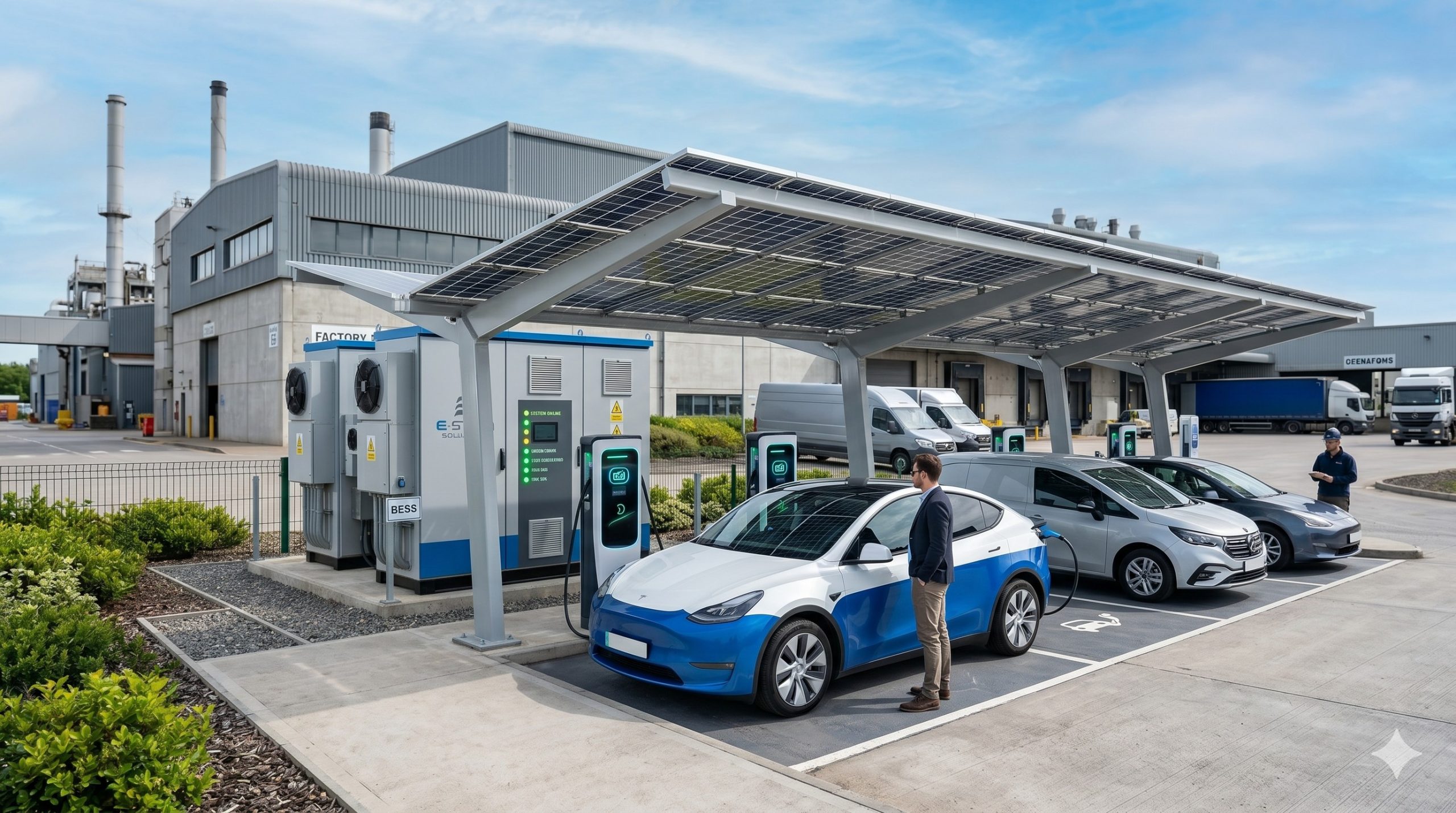
When integrated with a 1.2MWp solar PV array, the system achieves 95% self-consumption and zero export to grid. For EV super-hubs, the split-type design allows direct 360kW DC fast charging to up to 8 vehicles simultaneously (via intelligent load management), while the battery buffers against transformer capacity limits.
Deployment Scenarios
The split-type architecture is purpose-built for three high-growth C&I segments:
- EV Supercharging Stations: 8–12 ultra-fast chargers (360kW each shared) with on-site storage to avoid utility demand charges and enable V2G revenue.
- Industrial Parks & Manufacturing: Peak shaving for induction furnaces, stamping presses, or CNC lines. The 2.88MWh capacity covers 4–6 hours of high-load operations.
- Isolated Micro-grids: Replaces diesel gensets for remote mining, agriculture, or data centers. Provides black-start capability and grid-forming with 99.5% uptime.
Conclusion: The Zero-Carbon Industrial Infrastructure Standard
The 360kW-2.88MWh split-type DC charging station represents the convergence of utility-scale storage performance and C&I application flexibility. With liquid-cooled LFP cells exceeding 8,000 cycles, a 96%+ efficient SiC PCS, and full compliance with IEC/UL standards, this system is not an experiment—it is the new baseline for energy independence. As carbon tariffs (CBAM) and renewable mandates tighten across the US and EU, deploying such integrated PV-storage-charging assets is becoming a competitive necessity rather than a sustainability option. The future grid is decentralized, and this split-type architecture provides the modular, safe, and bankable path to reach net-zero operations by 2030.