Introduction: The Energy Crisis and the Rise of Smart EV Charging
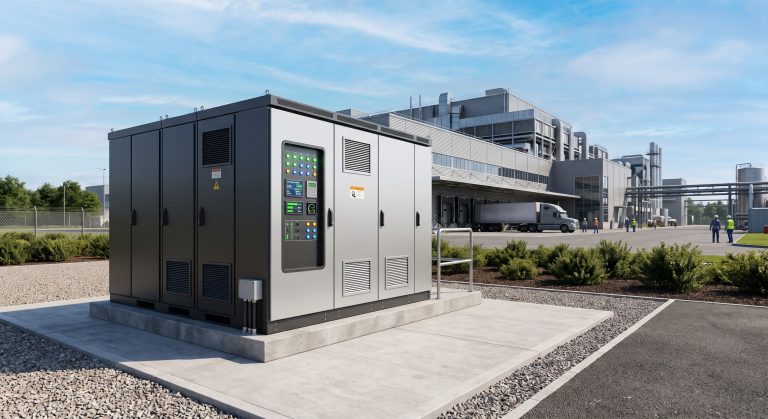
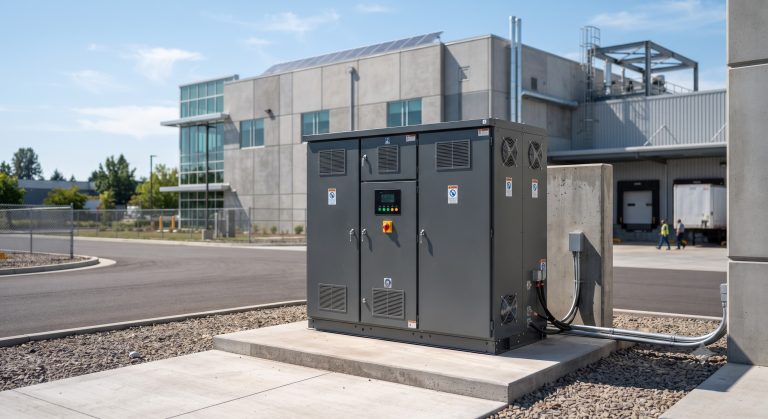
Industrial electricity costs have surged by an average of 18-25% across major European and North American markets in 2024-2025, driven by grid instability and fossil fuel volatility. For commercial fleets and C&I facilities, the traditional approach of unmanaged EV charging exacerbates demand charges and risks transformer overloads. Enter the smart EV charger—a bidirectional, grid-interactive energy asset that integrates peak shaving, demand response, and PV-storage-charging orchestration. Unlike legacy AC chargers, smart DC fast chargers with embedded EMS (Energy Management System) reduce Levelized Cost of Energy (LCOE) by up to 37% while delivering energy independence for depots, logistics hubs, and ultra-fast charging corridors.
Core Architecture & Battery Management in Smart EV Chargers
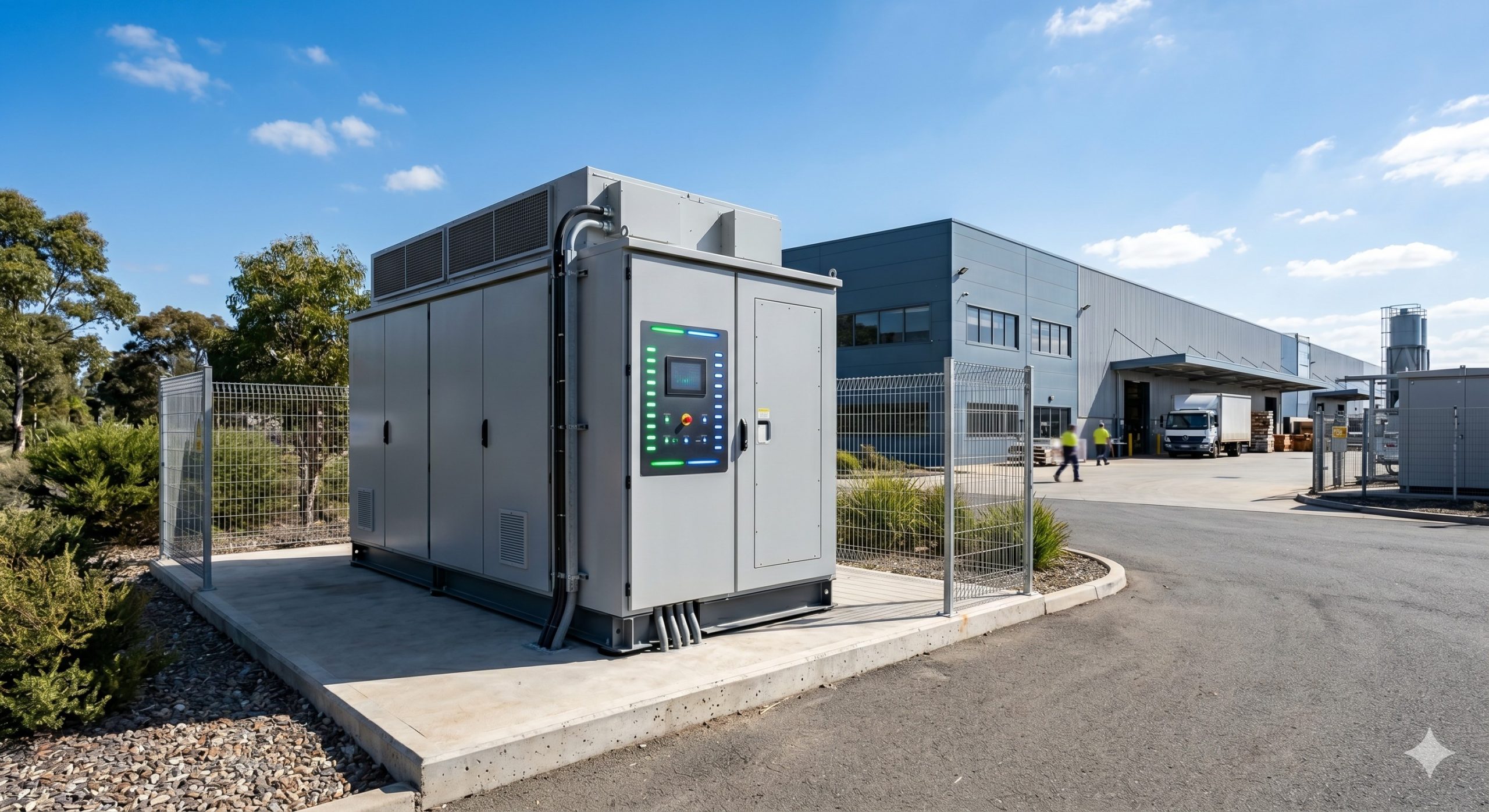
A true industrial-grade smart EV charger operates as a micro-grid node, integrating three critical subsystems:
1. Power Conversion System (PCS) & Bidirectional Topology
The PCS employs SiC (Silicon Carbide) MOSFETs to achieve >97.5% round-trip efficiency. Key standards include IEC 62619 (safety for industrial batteries) and UL 9540 (energy storage systems). The charger supports V2G (Vehicle-to-Grid) and V2H (Vehicle-to-Home) modes with grid-forming capabilities.
2. Battery Management System (BMS) & Cycle Life Optimization
Integrated LFP (Lithium Iron Phosphate) battery packs (50-500 kWh per cabinet) deliver >8000 cycles at 90% DoD (Depth of Discharge). Active cell balancing and state-of-health (SoH) algorithms comply with UN38.3 transport safety and CE certification.
3. Thermal Management: Liquid Cooling vs. Air Cooling
For high-utilization smart EV chargers (≥150 kW), active liquid cooling maintains cell temperature deltas within ±2°C, extending cycle life by 40% compared to forced air systems. Integrated aerosol fire suppression passes NFPA 855 standards.
4. Energy Management System (EMS) & Grid Interface
The cloud-based EMS leverages AI load forecasting and real-time dynamic power scaling to execute peak shaving (reducing demand charges by up to 65%) and participate in automatic frequency restoration reserve (aFRR) markets.
Technical Specifications
Below are benchmark parameters for commercial smart EV charger systems (150 kW – 350 kW DC, integrated storage):
| Key Parameter | Technical Specification |
|---|---|
| Battery Type | LFP (Lithium Iron Phosphate) prismatic cells |
| Usable Energy Capacity | 100 kWh / 200 kWh / 500 kWh (scalable modular design) |
| Charging Power (DC) | 150 kW / 250 kW / 350 kW (dual-gun dynamic distribution) |
| Cycle Life | >8,000 cycles @ 90% DoD (end-of-life 70% SoH) |
| Round-trip Efficiency | ≥97% (DC-DC) / ≥94% (AC-DC-AC with V2G) |
| Thermal Management | Active liquid cooling (ΔT ≤ 2°C cell-to-cell) |
| Safety Certifications | IEC 62619, UL 9540, CE, UN38.3, NFPA 855 ready |
| Communication Protocols | OCPP 2.0.1, Modbus TCP, IEC 61850, MQTT |
| Operating Temp. Range | -30°C to +55°C (derated >50°C) |
| Integrated Fire Suppression | Aerosol + gas detection (FM-200 optional) |
Commercial ROI & Grid Support: Beyond Diesel Generators
Traditional peak demand charges ($15-25/kW monthly) and diesel generator OpEx ($0.45-0.70/kWh) are economically obsolete. A smart EV charger with integrated BESS (e.g., 200 kWh storage + 250 kW DC charging) delivers:
- LCOE reduction: $0.12-0.18/kWh (vs. $0.28-0.35 grid peak rates)
- Peak shaving ROI: Typical payback 18-30 months for fleet depots
- Demand response revenue: $8,000-15,000 annual per charger in CAISO/PJM markets
- PV-storage-charging synergy: Up to 92% self-consumption of on-site solar, eliminating grid export losses
For utilities, smart chargers act as grid-forming assets providing synthetic inertia and voltage support, replacing the need for spinning reserves.
Deployment Scenarios
1. C&I Facilities & Industrial Parks
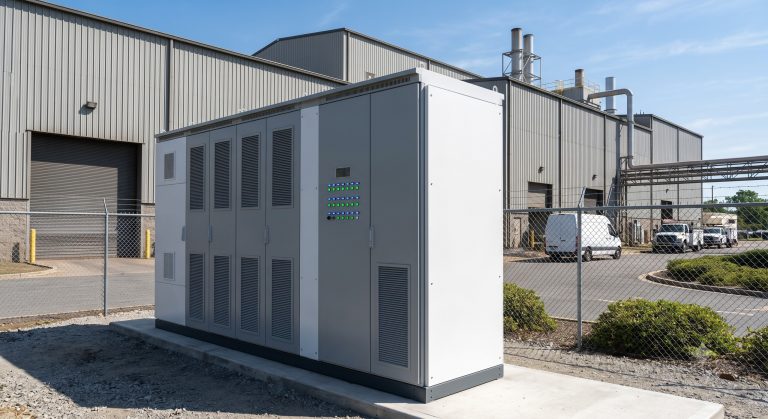
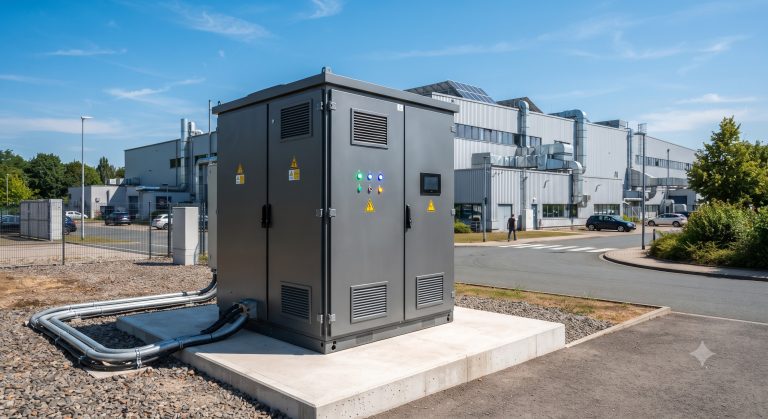
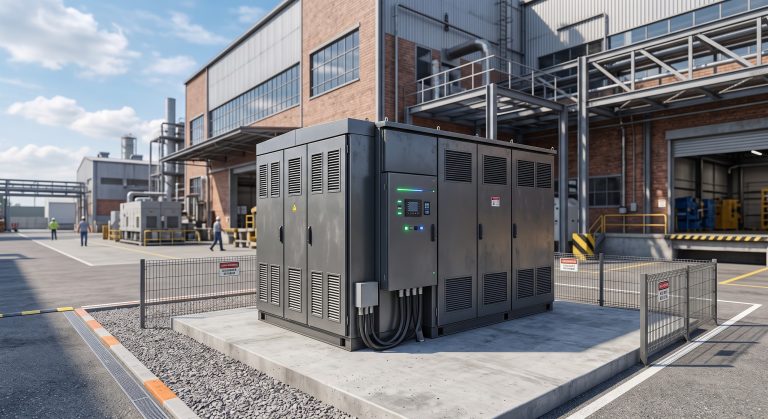
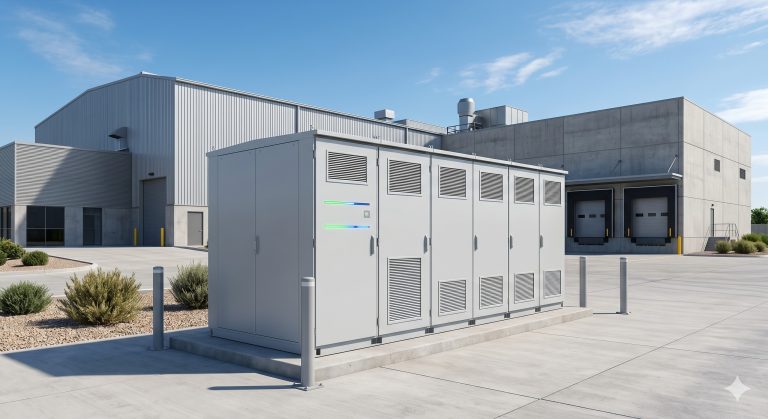
Automotive plants and logistics centers deploy smart EV chargers with 500 kWh-2 MWh BESS to charge electric forklifts and Class 8 trucks while shaving peak loads. Case study: A German auto supplier reduced grid demand by 62% using 4 × 150 kW smart chargers + 800 kWh LFP storage.
2. EV Supercharging Hubs (PV-Storage-Charging)
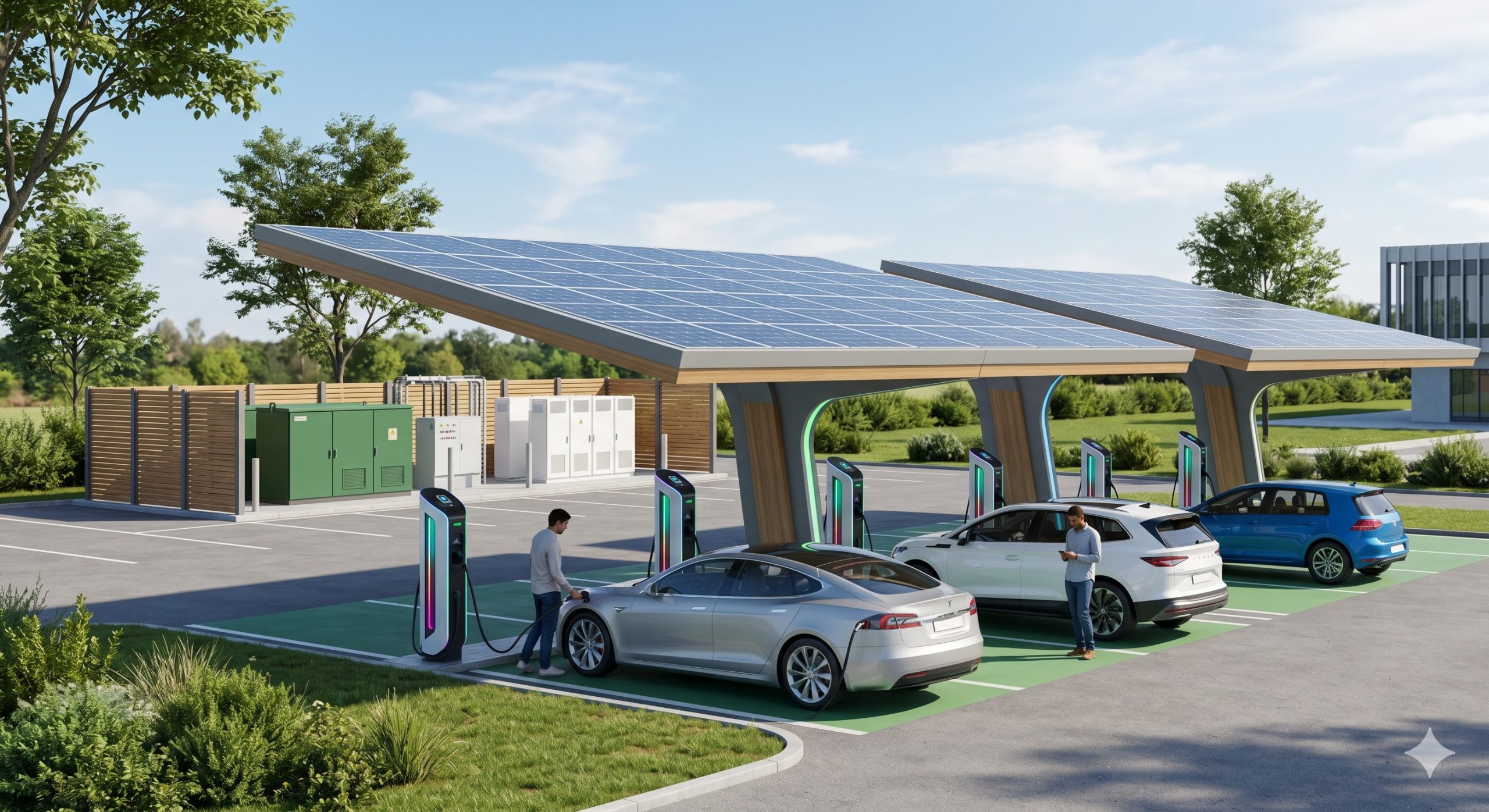
Highway hyper-hubs integrate solar canopies (1-2 MWp), liquid-cooled battery storage (2-4 MWh), and 350 kW smart chargers. Dynamic power sharing optimizes charging rates across 8-12 stalls, preventing transformer upgrades.
3. Micro-grids & Islanded Operations
Remote mining sites and island resorts use smart EV chargers as grid-forming BESS with black-start capability, replacing diesel generators entirely. IEC 62477-1 certified for harsh environments.
Conclusion: The Zero-Carbon Imperative
By 2028, over 60% of commercial DC fast chargers will be smart, bidirectional, and storage-integrated. For B2B buyers, the transition to smart EV chargers is no longer about sustainability alone—it is a financial hedge against grid instability and carbon taxes. Solutions certified to UL 9540, IEC 62619, and CE ensure bankability and safety. Future systems will integrate AI-driven predictive maintenance and hydrogen-ready PCS, but today’s liquid-cooled LFP-based smart chargers already offer the highest lifetime value.