The Safety Paradigm Shift in Containerized Energy Storage
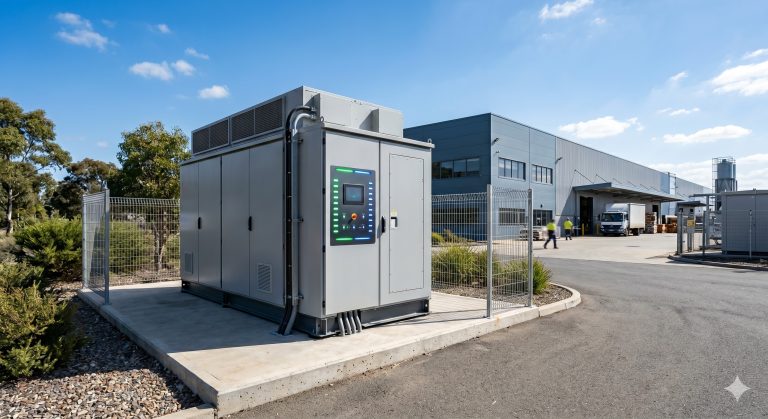
As the global energy storage market surges past an estimated $12.5 billion in 2025, the adoption of containerized energy storage systems (BESS) is accelerating across commercial and industrial (C&I) sectors . However, the proliferation of high-density lithium-ion batteries in standard 20-foot and 40-foot enclosures introduces significant thermal safety challenges. For procurement managers and system architects, moving beyond simple compliance to understanding the intricacies of safety engineering is paramount. This masterclass delves into the comprehensive safety architecture—from Battery Management Systems (BMS) to multi-layered fire suppression—that defines modern, bankable BESS solutions, ensuring adherence to global standards like UL 9540, IEC 62619, and UN38.3.
The Safety Architecture: A Multi-Layered Defense
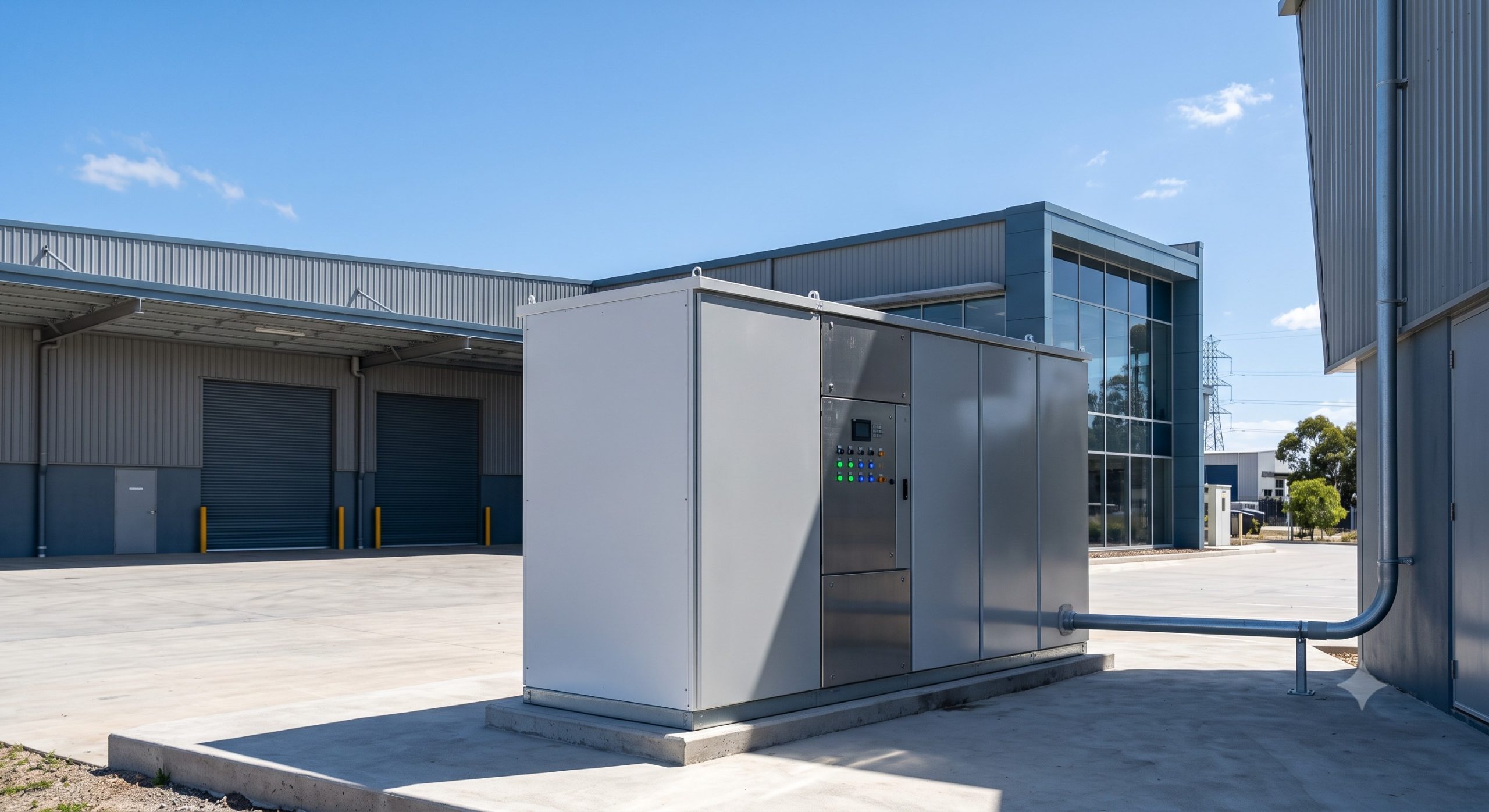
Modern containerized energy storage is engineered with a defense-in-depth strategy. Safety is not a single feature but a hierarchy of controls that operate from the individual cell level up to the entire system. This approach is designed to prevent failures, detect anomalies, contain incidents, and suppress fires before they escalate.
Cell-Level Safeguards: The Foundation of Thermal Stability
Safety begins at the microscopic level. The widespread adoption of Lithium Iron Phosphate (LFP) battery chemistry is the first critical decision for risk mitigation. Unlike Nickel Manganese Cobalt (NMC) alternatives, LFP cells feature an olivine crystal structure with a fundamentally lower risk of thermal runaway due to their superior thermal stability and higher decomposition temperature .
- Chemical Inertness: LFP cells are inherently more stable, releasing oxygen at a much higher temperature, making them the preferred choice for stationary storage where safety is non-negotiable.
- Enhanced BMS Monitoring: An advanced BMS continuously monitors critical parameters in real-time, including voltage, current, and temperature for every single cell. It performs active cell balancing to ensure uniform aging and prevents over-charging or deep discharging .
System-Level Fire Suppression: From Detection to Extinction
Containerized BESS incorporates fully integrated fire safety systems designed to comply with rigorous standards like the NFPA 855. This is not a passive design; it is an active combat system against potential thermal events.
- Three-Tier Fire Safety: Leading integrators deploy a multi-tiered approach, often including aerosol-based fire suppression or gas-based systems that are specifically formulated for lithium-ion battery fires without damaging sensitive electronics .
- Early Detection: Systems are equipped with sensitive gas and smoke detectors. For instance, integrated CO/H2 gas detection systems, combined with high-sensitivity sensors, can alert the BMS to cell off-gassing long before a flame occurs, allowing for preemptive shutdown and ventilation .
- Thermal Isolation: Modern container designs feature robust thermal barriers and insulation, such as triple-layer designs to boost fire resistance and contain a potential event within the container, protecting adjacent infrastructure .
Technical Specifications: Safety & Performance Metrics
The following table summarizes the key technical parameters for a safety-optimized containerized BESS, drawing from current market leaders and proving the viability of high-performance, safe systems.
[TABLE_1]
Compliance Masterclass: Navigating Global Standards
Securing financing and insurance for a BESS project requires stringent adherence to international safety standards. Understanding these certifications is critical for de-risking investment.
- UL 9540: The standard for safety of energy storage systems and equipment in the US and Canada. It evaluates the entire system as a complete unit, ensuring all components interact safely.
- UL 9540A: A test method specifically designed to evaluate thermal runaway fire propagation in battery systems. Passing this test is often a prerequisite for fire code approval, and systems featuring pack-level UL 9540A testing demonstrate effective containment of thermal runaway .
- IEC 62619: An international standard for the safety of secondary cells and batteries used in industrial applications. It covers design and testing requirements for reliability and environmental safety.
- UN38.3: Essential for transportation safety, ensuring lithium batteries can be safely shipped globally without risk of fire during transit.
Deployment Scenarios: High-Safety Applications
The robust safety features of containerized BESS make them ideal for mission-critical and sensitive applications where downtime or fire risk is unacceptable.
Industrial Parks and Data Centers
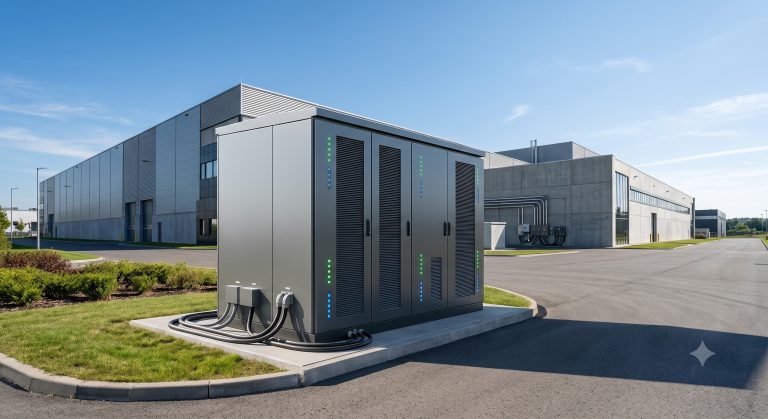
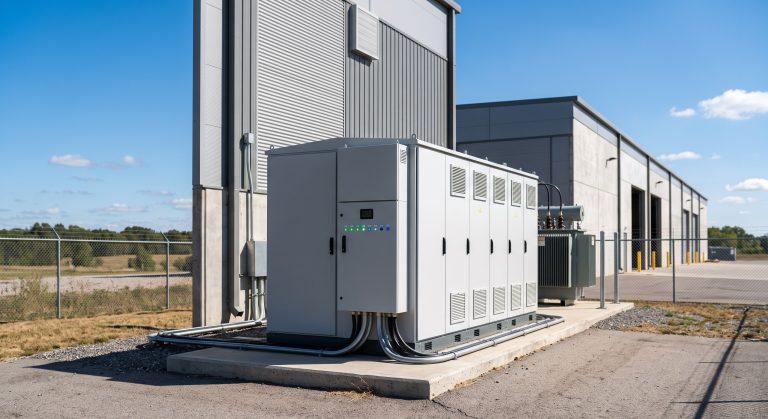
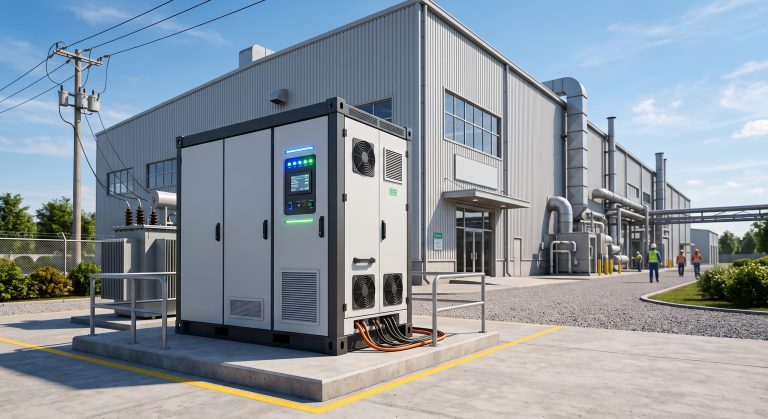
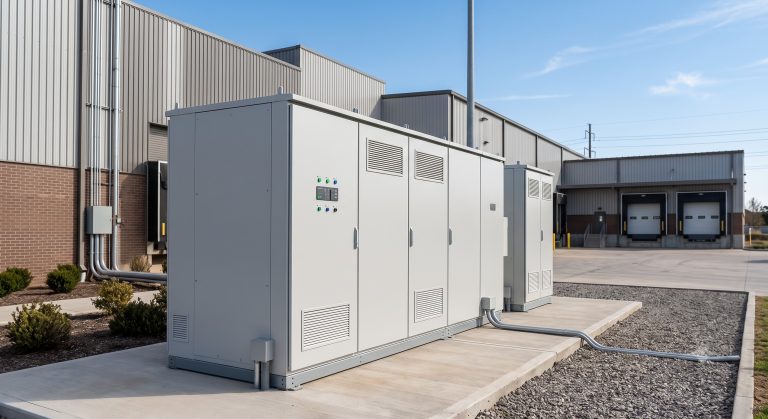
With noise emissions often below 75 dB and advanced fire suppression, these systems can be placed near critical infrastructure to provide peak-shaving and uninterruptible backup power. The high cycle life (>8000 cycles at 90% DoD) ensures long-term financial return without compromising safety .
Integration with Renewable Assets (PV-Storage-Charging)
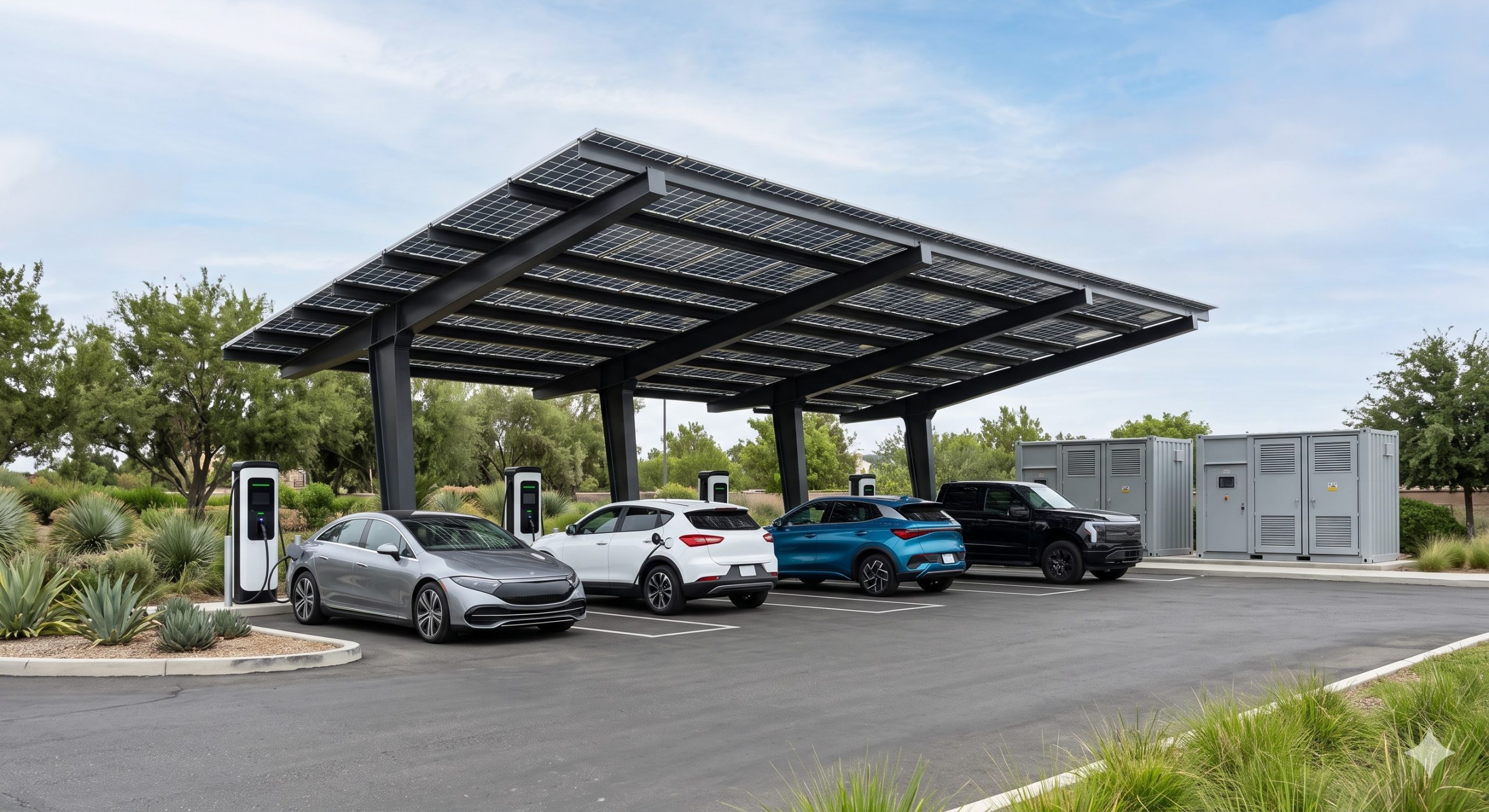
In EV supercharging stations and solar canopy projects, safety is paramount due to public exposure. Containerized systems with liquid cooling maintain optimal temperatures even under high C-rate discharge loads, while the container structure provides a physical barrier and fire containment zone .
Conclusion
As the global market for containerized energy storage is projected to grow at a CAGR of 12.8%, the systems that will prevail are not just those with the lowest CapEx but those that offer the most robust safety and compliance profile . By integrating Tier-1 LFP cells, sophisticated BMS, and certified fire suppression systems, modern containerized BESS delivers a solution that mitigates risk while maximizing ROI through demand response and grid stabilization. The era of safe, scalable, and intelligent energy storage is here, providing a secure pathway to zero-carbon operations for the C&I sector.