Overview
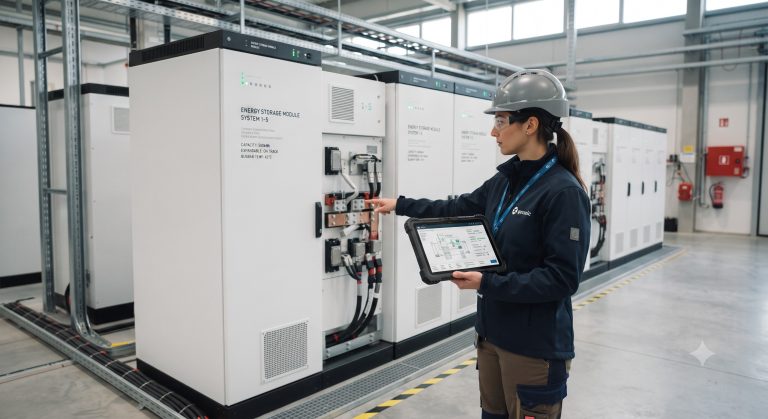
Selecting the optimal voltage architecture for a residential Battery Energy Storage System (BESS) requires a detailed technical analysis of efficiency, safety, scalability, and total cost of ownership (TCO). High-voltage (HV) systems, typically operating between 200-600V, are increasingly favored for their superior round-trip efficiency and faster charging capabilities, while low-voltage (LV) systems (48V) remain a cost-effective, accessible entry point for smaller loads. This FAQ addresses the critical pre-sales and post-sales technical questions plant engineers, procurement specialists, and commercial integrators ask when sourcing residential BESS solutions.
Frequently Asked Questions
- Q1: What is the maximum cycle life and depth of discharge (DoD) of a typical high-voltage residential battery?
- The typical cycle life for a high-voltage residential battery is 8,000 to 10,000 cycles at 80-90% DoD. This is achieved through precise cell-level voltage and temperature matching enabled by advanced active BMS balancing, which minimizes degradation across the series-stacked modules. In contrast, low-voltage systems may require more frequent maintenance due to long-term capacity drift across parallel blocks, potentially reducing their effective lifespan under heavy cycling.
- Q2: What are the key safety differences and fire prevention mechanisms between HV and LV systems?
- Low-voltage systems (≤60V) fall under Safety Extra-Low Voltage (SELV) regulations, minimizing electrical shock risk, while high-voltage systems require stringent compliance with IEC 63056, UL 9540A, and mandatory arc-fault circuit interruption (AFCI). Both architectures require a robust Battery Management System (BMS); however, HV systems mandate additional safety features such as dedicated isolation monitoring, contactors, and shutdown protocols that activate within 5 seconds of fault detection to prevent thermal runaway.
- Q3: How do the scalability and modular expansion capabilities compare between high-voltage and low-voltage batteries?
- High-voltage stackable systems offer seamless scalability up to 200+ kWh using a single communication cable and a plug-and-play stacking design, eliminating complex rewiring for capacity additions. Conversely, low-voltage systems scale via parallel connections but are often limited by inverter capacity and may require thicker, more expensive copper cabling and additional combiner boxes to manage voltage drop across multiple parallel strings.
- Q4: What is the difference in round-trip efficiency and how does it impact ROI and payback period?
- High-voltage batteries deliver a round-trip efficiency (RTE) of 93-99%, significantly outperforming low-voltage systems which typically operate at 87-94% due to higher resistive (I²R) losses. This 3-6% efficiency advantage translates directly to higher usable energy output and lower operational costs, allowing the 20-30% upfront CAPEX premium of an HV system to often achieve break-even by year 5-6 under time-of-use tariffs, resulting in a lower 10-year Levelized Cost of Storage (LCOS).
- Q5: What cooling system requirements are standard for high-voltage vs. low-voltage residential BESS?
- High-voltage systems operate at lower currents, producing less heat and reducing thermal load on the system. While advanced liquid cooling is often featured in commercial-scale HV systems, most modern HV residential batteries rely on intelligent BMS thermal management and passive/forced air convection to maintain optimal temperatures. Low-voltage systems, generating higher currents, require more robust thermal management to prevent overheating, which can contribute to reduced efficiency and shorter lifespan under sustained heavy loads.
- Q6: What are the installation and wiring cost implications for commercial and residential projects?
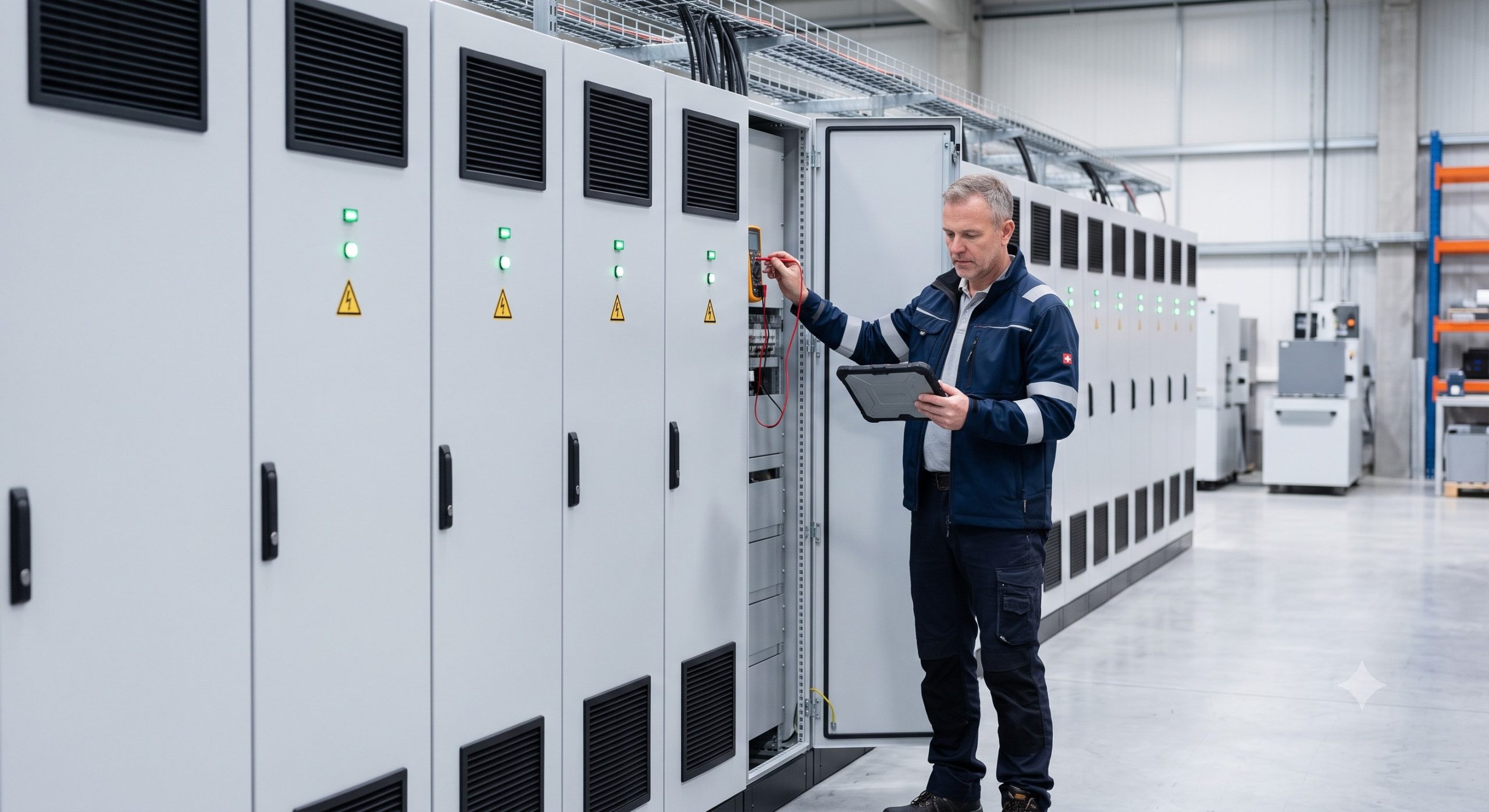
- HV systems allow for up to a 70% reduction in copper cable costs because they use smaller cross-section cables, leading to simpler wiring harnesses and reduced labor costs. However, they require certified HV technicians for installation. While LV systems are cheaper and easier to install initially (often DIY-friendly), their requirement for heavy, thick copper cables increases material and integration costs for larger projects, potentially eroding initial savings.
- Q7: How does the Battery Management System (BMS) differ between HV and LV configurations?
- A high-voltage BMS utilizes active balancing protocols to manage cell voltage and temperature matching within a series-stacked string, which is critical for preventing premature failure and ensuring safe operation at 400V+. Low-voltage BMS algorithms are often simpler due to the parallel architecture at the cabinet level, but they face challenges with long-term capacity drift across parallel blocks, increasing maintenance requirements. Both require constant monitoring to ensure inter-cell balancing and safety.
- Q8: How do HV and LV batteries perform in grid-tie vs. off-grid backup configurations?
- High-voltage batteries are superior for applications requiring high instantaneous power, such as supporting HVAC surges, heat pumps, or EV supercharging integration in both grid-tied and off-grid setups. Their ability to handle high continuous loads (5-10 kW+) makes them ideal for whole-home backup. Low-voltage batteries may struggle with these surges and typically require external assistance from the grid or generator to cover startup loads, making them better suited for smaller off-grid cabins or simpler grid-tie systems with moderate backup needs.