Introduction: The Strategic Imperative of Wall-Mounted Solar Batteries in the C&I Sector
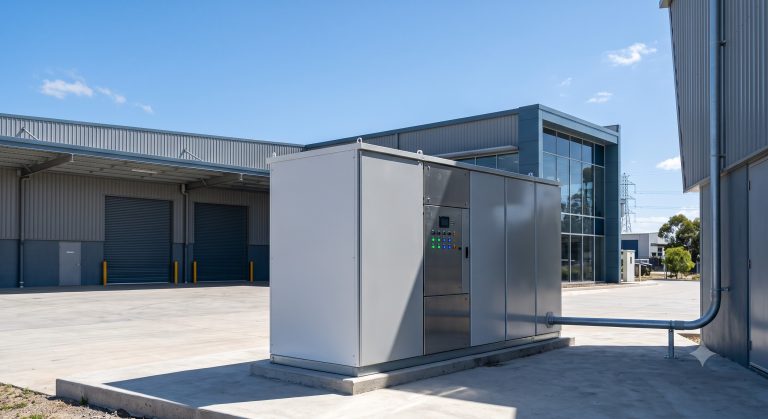
The global energy landscape is undergoing a seismic shift. For commercial and industrial (C&I) enterprises, the volatility of grid electricity prices and the growing pressure to meet sustainability targets have transformed energy storage from a ‘nice-to-have’ into a strategic asset. The wall-mounted solar battery has emerged as a pivotal technology in this transition, offering a compact, scalable, and highly efficient solution for behind-the-meter applications. Unlike traditional floor-standing units, these systems optimize valuable floor space while delivering the high power density required for peak shaving, load shifting, and emergency backup. As a procurement manager or system architect, understanding the nuances of this technology is critical for maximizing return on investment and ensuring long-term operational resilience.
This guide provides a deep technical and commercial analysis of modern wall-mounted solar battery systems. We will dissect the architecture, evaluate core performance metrics, and outline a strategic sourcing framework to ensure your B2B procurement process yields the highest quality assets. In an era where energy storage is projected to grow at a CAGR of over 20%, selecting the right storage partner is not just a purchase—it is a long-term investment in energy independence.
Core System Architecture: PCS, BMS, and Thermal Control
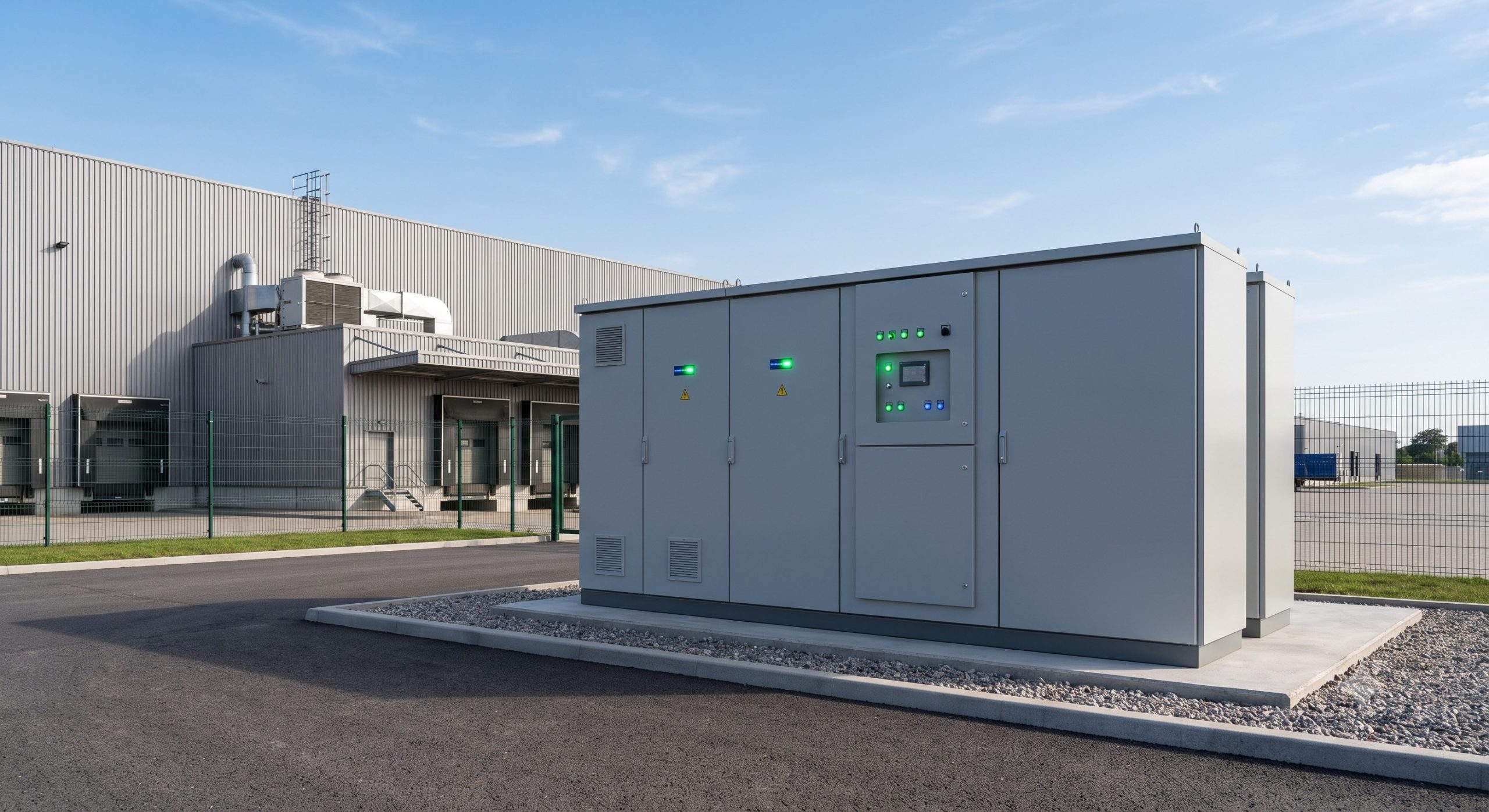
The performance of a wall-mounted solar battery is defined by the synergy between its three core components: the Battery Management System (BMS), the Power Conversion System (PCS), and the thermal management infrastructure. When evaluating suppliers, it is imperative to scrutinize these technical layers to ensure reliability and efficiency.
Battery Chemistry and Cell Integration
The industry standard for C&I wall-mounted units is Tier-1 Lithium Iron Phosphate (LFP) cells. LFP chemistry is favored for its superior thermal stability, long cycle life, and reduced risk of thermal runaway compared to other lithium-ion chemistries. High-quality systems utilize prismatic LFP cells integrated into a 16S1P configuration to achieve a nominal voltage of 51.2V . The total energy capacity typically ranges from 5kWh to 15kWh per unit, with modular designs allowing for parallel expansion to MWh-scale clusters .
Battery Management System (BMS) Precision
A sophisticated BMS is the ‘brain’ of the system. It monitors critical parameters including voltage, current, and temperature at the cell level. Advanced BMS solutions incorporate active balancers to maintain cell voltage equilibrium, ensuring optimal performance and extending the battery’s lifespan. For C&I applications, a three-level BMS architecture (cell-level, module-level, and system-level) provides the highest safety margin, offering protection against over-voltage, under-voltage, over-current, short circuits, and extreme temperatures . The BMS also manages communication via standard protocols like RS485 and CAN to facilitate seamless integration with hybrid inverters and energy management systems (EMS) .
Thermal Control: Liquid vs. Air Cooling
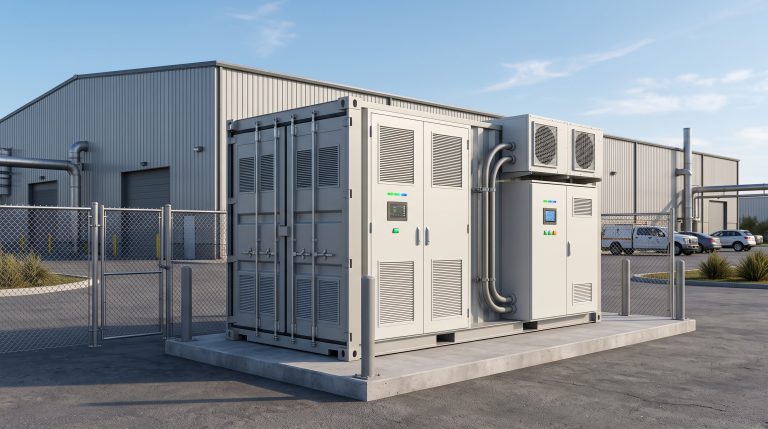
Thermal management is a critical determinant of safety and cycle life. While many residential wall-mounted units utilize natural air cooling due to lower power densities, high-performance C&I systems often employ active liquid cooling or advanced forced-air convection. Liquid cooling is particularly effective in maintaining optimal operating temperatures (typically 15°C to 35°C) during high C-rate discharges, preventing cell degradation and ensuring consistent round-trip efficiency. A robust thermal strategy is essential for complying with safety standards like UL 9540, which addresses thermal runaway propagation.
Technical Specifications: Performance Metrics and Compliance
Understanding the technical datasheet is fundamental to evaluating a system’s suitability for specific C&I applications. The following table outlines the critical parameters and industry benchmarks for a standard high-performance wall-mounted solar battery.
| Key Parameter | Technical Specification & Benchmark |
|---|---|
| Battery Chemistry | Tier-1 LFP (Lithium Iron Phosphate) Prismatic Cells |
| Nominal Voltage / Capacity | 51.2V / 100Ah (5.12kWh per module) |
| Cycle Life | >6000 cycles @ 25°C, 80% Depth of Discharge (DoD) |
| Round-trip Efficiency (RTE) | >94.5% |
| Communication Protocol | RS485 & CAN (Standard) |
| Protection Rating | IP65 (Indoor/Outdoor robust) |
| Compliance & Safety | IEC 62619, UL 9540, UN38.3, CE |
| Warranty | 10 Years (Standard) |
Detailed Specification Analysis
The data in
| Key Parameter | Technical Specification & Benchmark |
|---|---|
| Battery Chemistry | Tier-1 LFP (Lithium Iron Phosphate) Prismatic Cells |
| Nominal Voltage / Capacity | 51.2V / 100Ah (5.12kWh per module) |
| Cycle Life | >6000 cycles @ 25°C, 80% Depth of Discharge (DoD) |
| Round-trip Efficiency (RTE) | >94.5% |
| Communication Protocol | RS485 & CAN (Standard) |
| Protection Rating | IP65 (Indoor/Outdoor robust) |
| Compliance & Safety | IEC 62619, UL 9540, UN38.3, CE |
| Warranty | 10 Years (Standard) |
demonstrates the ‘gold standard’ for wall-mounted C&I batteries. A rated energy of 5.12kWh per module with a nominal voltage of 51.2V provides a robust foundation for scalability. The cycle life of >6000 cycles at 80% DoD ensures that the system can operate effectively for over 15 years under typical daily cycling conditions . The round-trip efficiency (RTE) is a vital metric; systems exceeding 94% RTE minimize energy losses during charging and discharging, directly impacting the financial viability of energy arbitrage strategies . Furthermore, the IP65 protection rating signifies dust-tight and water-jet proof construction, making these units suitable for indoor and protected outdoor installations across diverse climates .
Compliance certifications are non-negotiable for procurement. Critical certifications include IEC 62619 (safety requirements for industrial batteries), UL 9540 (standard for energy storage systems and equipment), UN38.3 (transportation safety), and CE marking. Suppliers offering these certifications demonstrate a commitment to quality and safety, facilitating smoother customs clearance and regulatory approval .
Commercial ROI, LCOE, and Grid Support Capabilities
The business case for a wall-mounted solar battery centers on reducing the Levelized Cost of Energy (LCOE) and optimizing operational expenditure (OpEx). For C&I facilities, peak demand charges often constitute 30-40% of the electricity bill. A strategically deployed battery system engages in peak shaving—discharging stored energy during peak tariff periods to reduce the demand charge component of the utility bill.
The financial model is validated through Total Cost of Ownership (TCO) analysis. While the initial CapEx is higher than traditional diesel generators or simple grid connections, the OpEx savings are substantial. A wall-mounted solar battery system with a 10-year warranty and 6000-cycle life amortizes its cost effectively, often achieving payback periods of 3 to 5 years. Furthermore, these systems enable businesses to participate in demand response programs and, in specific markets, support grid services such as frequency regulation and voltage support. The modular architecture allows for a ‘pay-as-you-grow’ approach, enabling businesses to start with a 10kWh pilot and scale to 100kWh or more as energy needs increase .
Deployment Scenarios and Applications
The versatility of wall-mounted solar batteries makes them ideal for a diverse range of C&I environments. Their physical footprint efficiency—often less than 0.3 square meters per unit—is particularly valuable in retail, hospitality, and industrial settings where space is at a premium.
Industrial Parks and Manufacturing
In industrial parks, these batteries are deployed to mitigate grid instability and reduce reliance on polluting diesel generators. By integrating with on-site solar PV, they create a resilient micro-grid that can operate off-grid during outages, ensuring continuity for critical production lines .
PV-Storage-Charging Stations
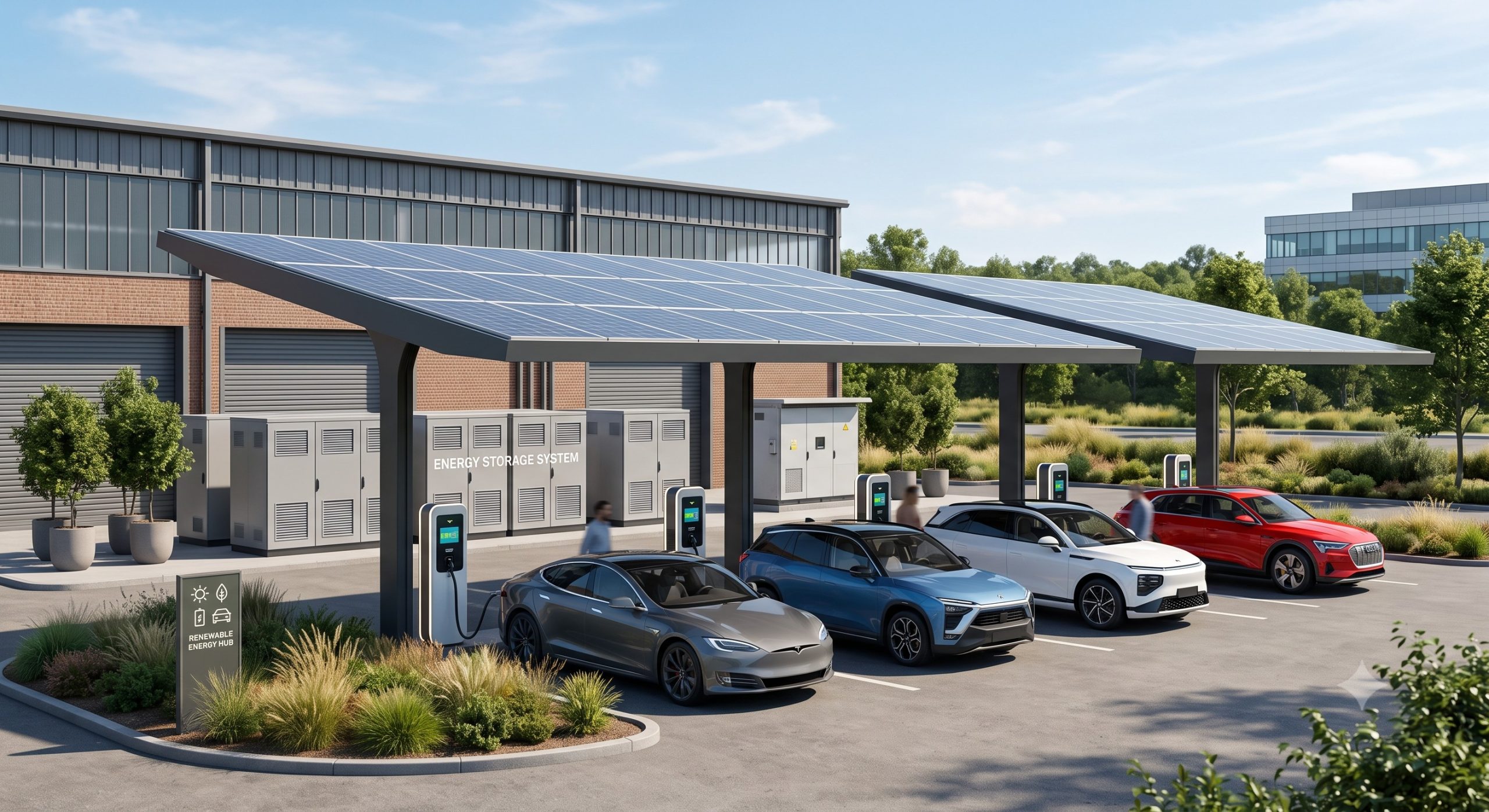
A key growth area is the integration of wall-mounted batteries into PV-storage-charging (光储充) hubs for electric vehicle (EV) supercharging stations. The battery acts as a buffer, absorbing solar energy during the day and discharging at high C-rates to support fast-charging EV infrastructure, reducing the strain on the local grid transformer and lowering operational costs.
Data Centers and Critical Infrastructure
For data centers and telecommunication hubs, the rapid response time (<20ms) of these batteries provides instant backup power, bridging the gap until backup generators can spin up. This enhances the reliability of critical infrastructure while adhering to stringent environmental regulations.
Strategic Sourcing and Supplier Evaluation
Given the critical nature of these assets, selecting the right supplier is paramount. The global market is dominated by manufacturers in Guangdong and Fujian provinces, who benefit from vertically integrated supply chains that reduce lead times and ensure cell quality . Procurement professionals should prioritize suppliers with:
- Verifiable Manufacturing Capacity: Facilities with >10,000m² and automated production lines indicate the ability to handle large-volume orders consistently.
- Third-Party Testing: Ensure that cycle life and capacity claims are backed by third-party test reports from accredited labs like TÜV Rheinland or SGS .
- Response Time and Support: A responsive supplier with dedicated technical support and multilingual teams is crucial for cross-border project deployment.
It is also advisable to scrutinize the supplier’s warranty and after-sales service. Warranties extending to 10 or 15 years, coupled with firmware update availability and spare parts support, are indicators of a supplier’s confidence in product longevity .
Conclusion: Future-Proofing Your Energy Strategy
The adoption of wall-mounted solar batteries represents a fundamental step towards energy sovereignty for C&I enterprises. By leveraging advanced Tier-1 LFP chemistry, intelligent BMS architecture, and robust thermal management, these systems offer a compelling combination of safety, performance, and financial return. As the world moves towards zero-carbon migration, the ability to integrate seamless grid transition with on-site storage will define competitive advantage. For B2B buyers, the path to success lies in rigorous technical evaluation, strategic supplier partnerships, and a clear understanding of the long-term value proposition of energy storage.
By adhering to the architecture, metrics, and procurement strategies outlined in this guide, you are not just purchasing a battery—you are investing in a resilient, sustainable, and profitable energy future for your organization.