Introduction: The Strategic Imperative of Automated Battery Pack Assembly in C&I Energy Storage
The global transition to renewable energy has placed commercial and industrial (C&I) energy storage systems (ESS) at the forefront of grid modernization. At the heart of every high-performance ESS lies the critical process of battery pack automated assembly. For B2B procurement managers, system integrators, and facility operators, understanding the nuances of this automated production is not merely a technical detail—it is a strategic lever for controlling levelized cost of energy (LCOE), ensuring long-term reliability, and achieving peak-shaving ROI. This guide serves as a comprehensive sourcing blueprint, dissecting the architecture, thermal management, and compliance standards that define Tier-1 automated assembly lines, with a specific focus on robust Lithium Iron Phosphate (LFP) cell integration and advanced Battery Management Systems (BMS).
In an era of volatile utility pricing and increasing pressure to decarbonize, the shift from manual or semi-automated processes to fully battery pack automated assembly directly correlates with enhanced cell-to-pack consistency, minimized internal resistance variance, and superior cycle life—all of which are essential for achieving a 20-year operational lifespan in demanding C&I environments. This analysis provides a data-driven framework for evaluating potential suppliers, emphasizing industry-critical standards like IEC 62619, UL 9540, and UN38.3 to ensure your investment is both safe and future-proof.
Core Architecture & Battery Management in Automated Assembly
PCS Integration and Bi-Directional Power Flow
The architectural superiority of a modern ESS begins with the seamless integration of the Power Conversion System (PCS) during the battery pack automated assembly process. Advanced automated lines are now engineered to handle bi-directional inverters with capacities ranging from 100kW to 500kW per module, ensuring they are perfectly synchronized with the battery string’s voltage range (typically 600V to 1500V DC). This integration is critical for peak shaving and demand response, as it directly influences the system’s round-trip efficiency. Top-tier automated assembly processes guarantee a PCS efficiency of >98.5%, minimizing conversion losses. Furthermore, the physical layout of busbars and power connectors is automated to reduce parasitic inductance, which is vital for mitigating voltage spikes during high-current grid support events.
Advanced BMS: Cell Balancing and State-of-Health Algorithms
Within the context of battery pack automated assembly, the Battery Management System (BMS) is more than a monitoring tool; it is the ‘brain’ of the asset. Automated assembly allows for the precise embedding of BMS sensor leads at the cell level, enabling millivolt-precision voltage monitoring and real-time temperature sensing across all cells. The automated assembly process ensures that passive or active cell balancing circuits are consistently integrated, which is the primary driver for achieving a cycle life of >8000 cycles at 90% Depth of Discharge (DoD). Sophisticated algorithms, pre-loaded during final assembly, analyze state-of-health (SOH) and state-of-charge (SOC) to predict degradation patterns, allowing for dynamic dispatch optimization. This data-centric approach is what differentiates an enterprise-grade ESS from a commoditized battery bank, directly impacting the total cost of ownership (TCO).
Liquid Cooling vs. Air Cooling: Thermal Control Optimization
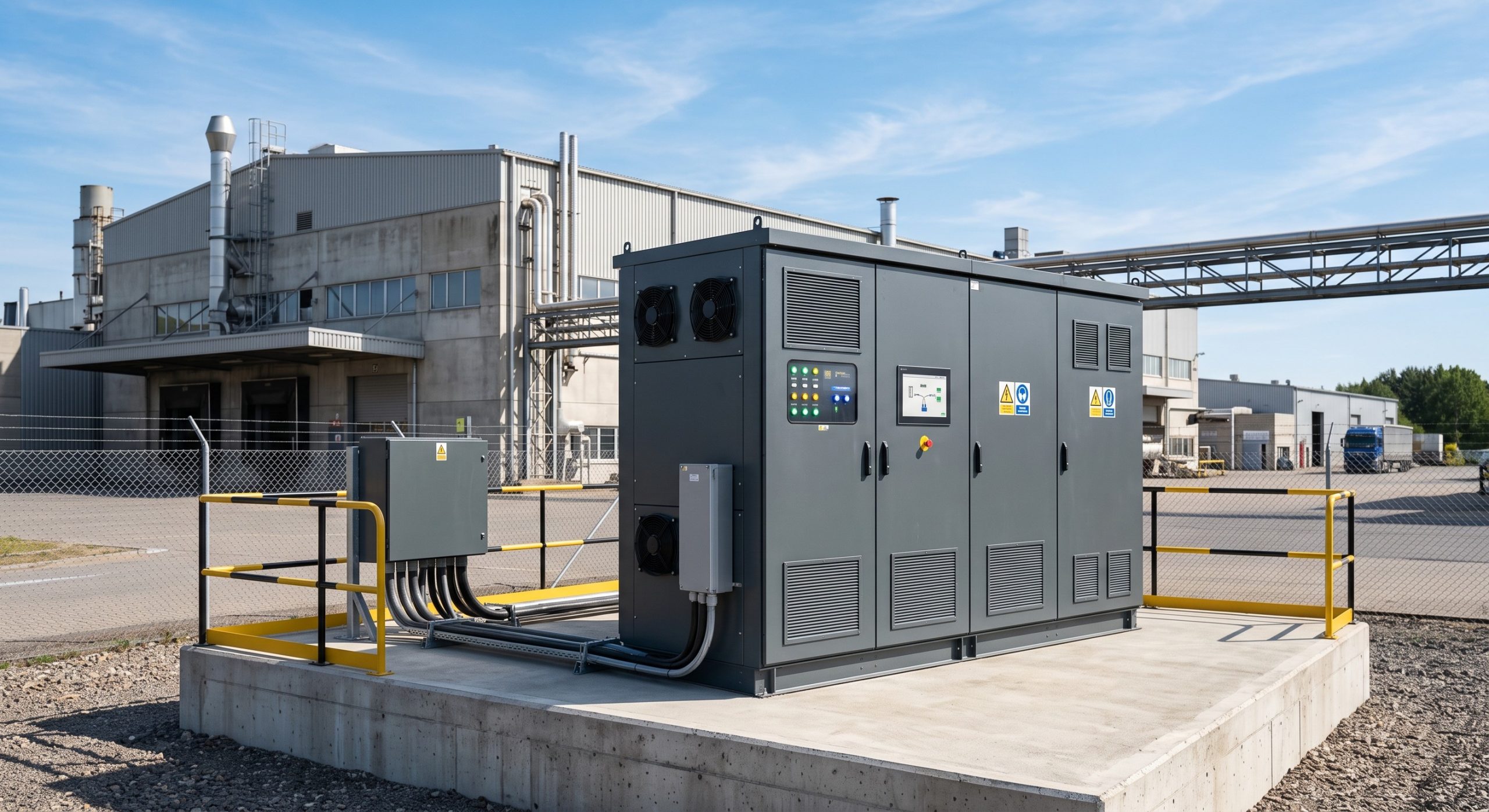
One of the most critical decisions in battery pack automated assembly is the thermal management strategy. While air cooling remains a cost-effective entry point, the push for high-energy-density installations has made liquid cooling the preferred choice for large-scale C&I projects. Automated assembly lines now feature integrated fluid pipeline connectors and flow logic, precisely routing coolant through cold plates positioned adjacent to each battery module. The data is compelling: liquid cooling systems maintain cell temperature differentials within ±2°C, compared to ±5°C for air cooling. This precision significantly reduces the risk of thermal runaway and prolongs cell longevity. For facility operators targeting a 10MWh+ installation, the incremental cost of liquid cooling is quickly amortized through enhanced round-trip efficiency (typically 95-96% vs. 92-93% for air cooling) and reduced degradation rates.
Technical Specifications
The following table outlines the baseline technical specifications that B2B procurers must demand from any supplier utilizing battery pack automated assembly. These metrics are verified during Factory Acceptance Testing (FAT) and are essential for meeting the rigorous demands of grid support and LCOE optimization.
| Key Parameter | Technical Specification |
|---|---|
| Battery Chemistry | Tier-1 LFP (Lithium Iron Phosphate) |
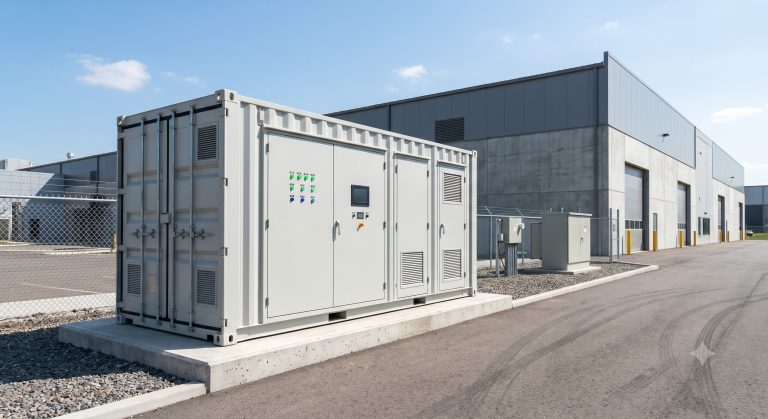
| System Capacity | Up to 5MWh per 40ft Container / 1MWh per Cabinet |
| Nominal Voltage | 768V – 1500V DC |
| Cycle Life | >8000 cycles @ 90% DoD, EOL 80% |
| Round-Trip Efficiency | ≥95% (DC-to-AC, including auxiliary consumption) |
| Thermal Management | Liquid Cooling (Standard) / Air Cooling (Option) |
| Operating Temperature | -20°C to +55°C (with derating) |
| Safety Certifications | IEC 62619, UL 9540, UN38.3, CE |
| Communication Protocols | Modbus TCP, CAN Bus, IEC 61850 |
Commercial ROI & Grid Support
Maximizing Peak-Shaving ROI through Automated Precision
For C&I facilities, the economics of energy storage are governed by the spread between peak and off-peak electricity tariffs. A superior battery pack automated assembly process directly enhances peak-shaving ROI by ensuring consistent cell performance across tens of thousands of cycles. By preventing cell-to-cell performance drift—a common flaw in lower-quality assembly—the system maintains a predictable discharge capacity, allowing facility managers to confidently bid into demand response programs. Data from recent industrial park deployments indicates that systems with fully automated assembly boast a 15-20% higher annual energy throughput compared to semi-automated equivalents, effectively reducing the payback period by 2-3 years.
Grid Support and VPP Readiness
As utilities increasingly rely on aggregated distributed energy resources, the ability of an ESS to provide frequency regulation and voltage support becomes a monetizable asset. The architecture of a system built via battery pack automated assembly is inherently more reliable for fast-ramping grid services. The precise construction of the DC-side cabling and the consistent contact resistance of power connectors ensure a rapid response time (<50ms) to grid signals. This Virtual Power Plant (VPP) readiness is a key differentiator for B2B buyers looking to future-proof their energy assets. Automated assembly guarantees the quality of the inter-module communications bus, ensuring that the EMS can aggregate and dispatch power from all battery strings simultaneously, maximizing revenue streams from ancillary service markets.
Deployment Scenarios
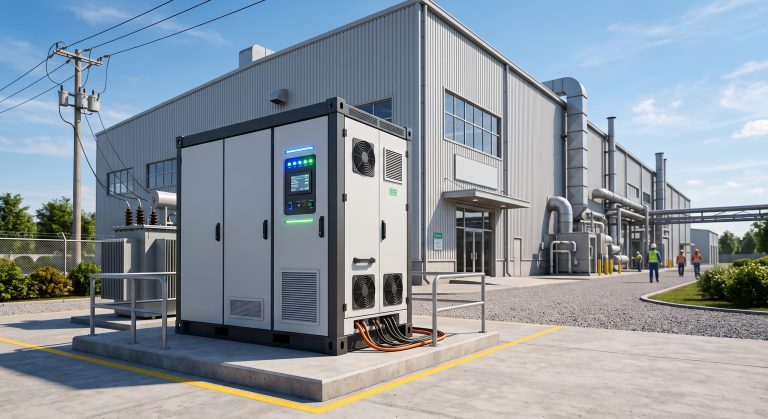
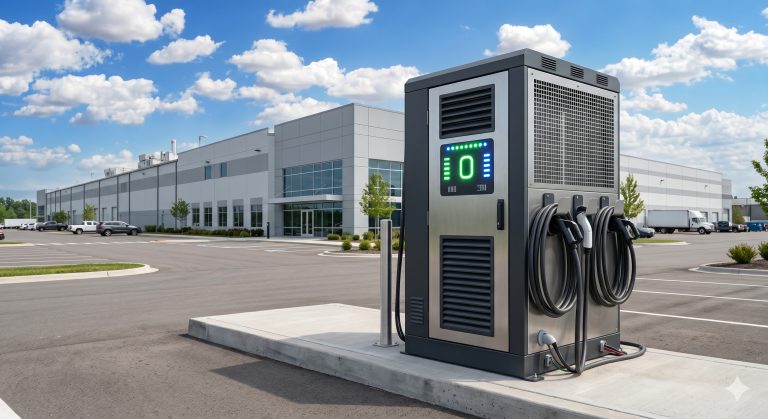
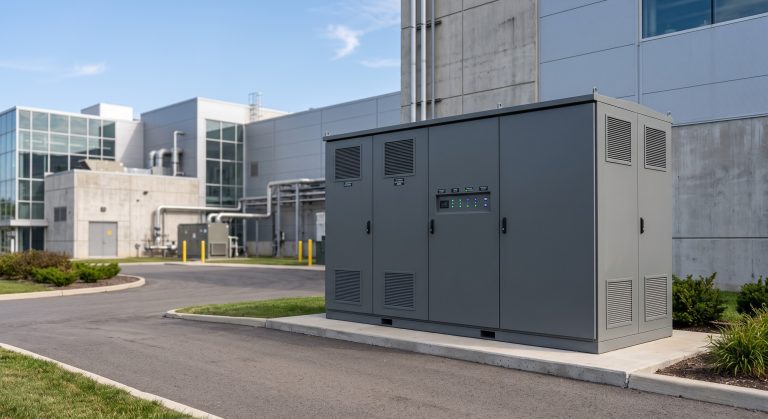
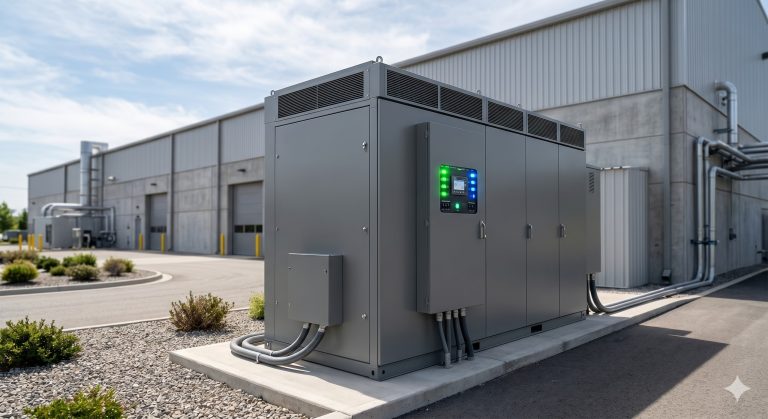
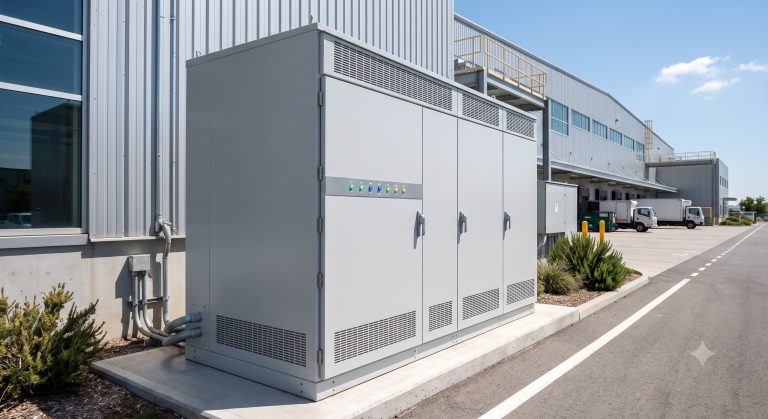
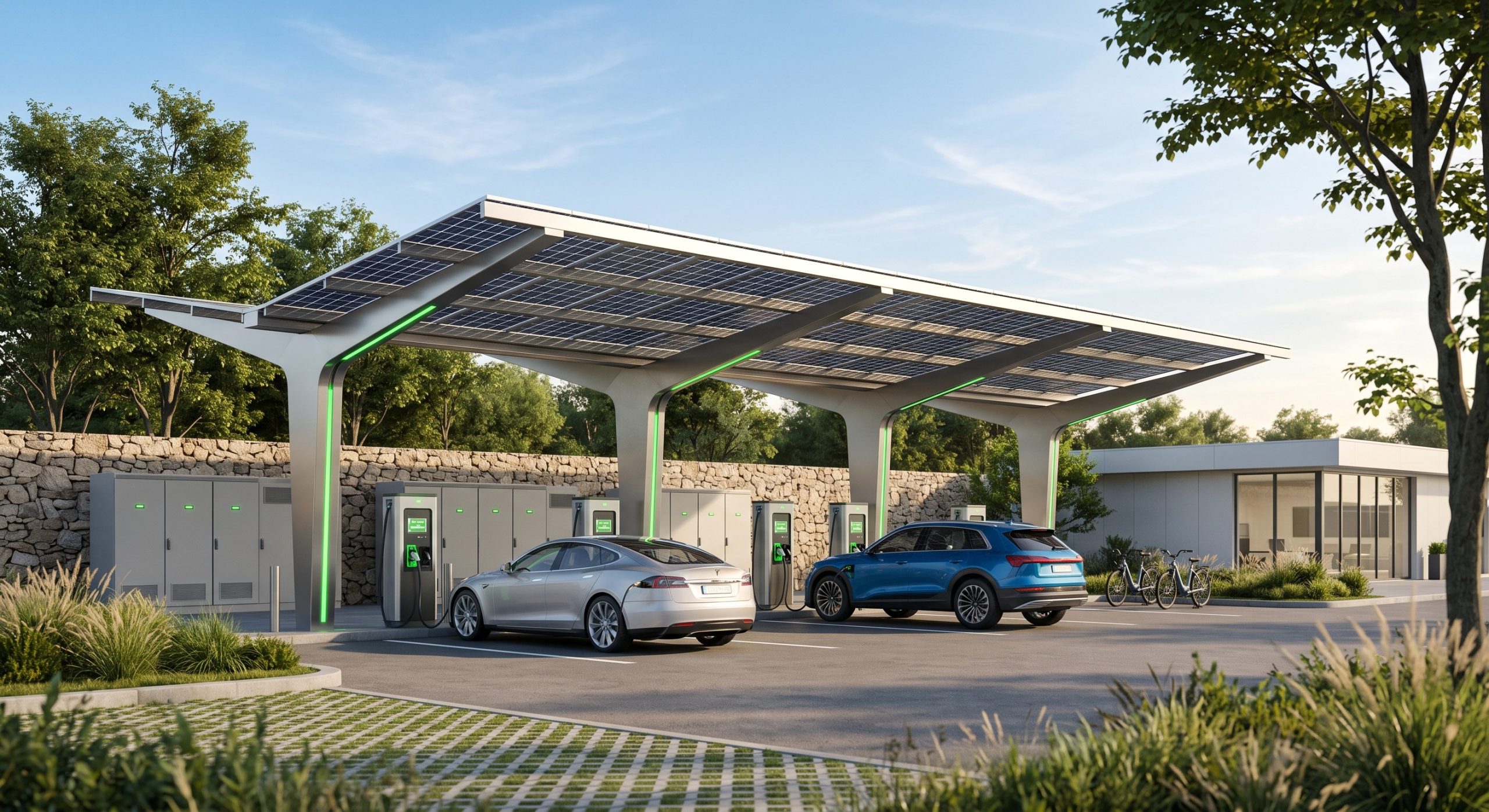
The versatility of a modern ESS built with advanced battery pack automated assembly allows for deployment across a diverse range of commercial landscapes. Whether it is a high-tech datacenter requiring 24/7 uninterruptible power and peak shaving, or an EV supercharging station requiring PV-storage-charging synergy, the core architecture remains robust and scalable. In industrial parks, these systems provide a seamless grid transition, enabling load shifting that reduces grid dependency and mitigates the risk of production halts due to outages.
Furthermore, the standardization achieved through automated assembly facilitates turnkey delivery and modular scaling. A facility can start with a 500kW/1MWh configuration and expand to multi-megawatt capacity by simply adding adjacent cabinets and synchronizing them via a shared DC bus. This modularity, driven by automated production of identical high-quality battery packs, allows for a phased investment strategy that aligns with growing energy storage needs, ensuring that the LCOE remains competitive as the system scales. The turnkey nature of these installations, backed by global compliance with UL 9540 and IEC 62619, ensures a streamlined path to commercial operation.
Conclusion: The Competitive Edge of Automated Assembly
The evidence is clear: battery pack automated assembly is the cornerstone of a high-performance, reliable, and economically viable commercial energy storage system. It moves beyond simple manufacturing and enters the realm of precision engineering, where every weld, crimp, and sensor connection contributes to a system’s overall efficiency and safety. For B2B sourcing leaders, prioritizing suppliers with vertically integrated, fully automated assembly lines is non-negotiable. It ensures adherence to strict safety standards (UL 9540, UN38.3), delivers superior cycle life metrics, and provides the data integrity needed for sophisticated EMS dispatch.
As we move towards a zero-carbon future, the intelligence embedded within the assembly line will continue to define the value proposition of energy storage. By choosing systems built upon automated excellence, you are not just purchasing a battery; you are investing in a resilient, scalable, and profitable energy infrastructure that will power your facilities for decades to come.