Introduction
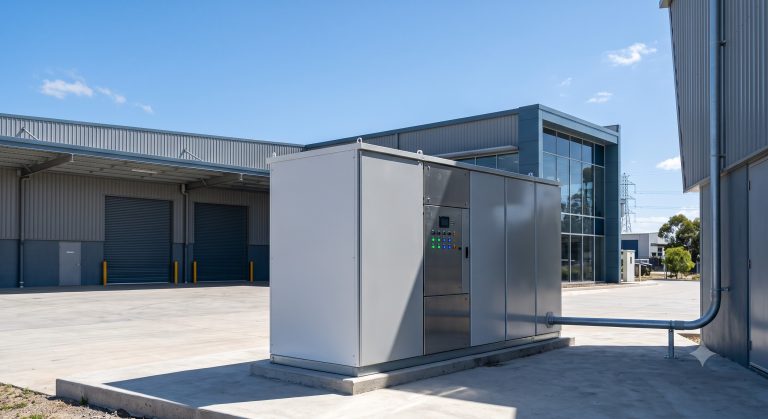
The accelerating transition toward renewable energy sources has placed Commercial & Industrial (C&I) energy storage systems at the forefront of grid modernization. However, the inherent electrochemical volatility of lithium-ion batteries, particularly during extreme temperature fluctuations, presents a critical safety bottleneck. The energy storage high-low temperature test is not merely a compliance checkbox; it is the definitive engineering protocol that validates system resilience, prevents thermal runaway, and ensures bankable asset performance. For B2B procurement managers and system architects, understanding the granularities of these environmental stress tests is paramount to mitigating risk and securing long-term ROI. This technical deep-dive dissects the thermal dynamics, safety mechanisms, and commercial implications of rigorous high-low temperature validation for C&I BESS.
Thermal Dynamics and the Physics of Failure
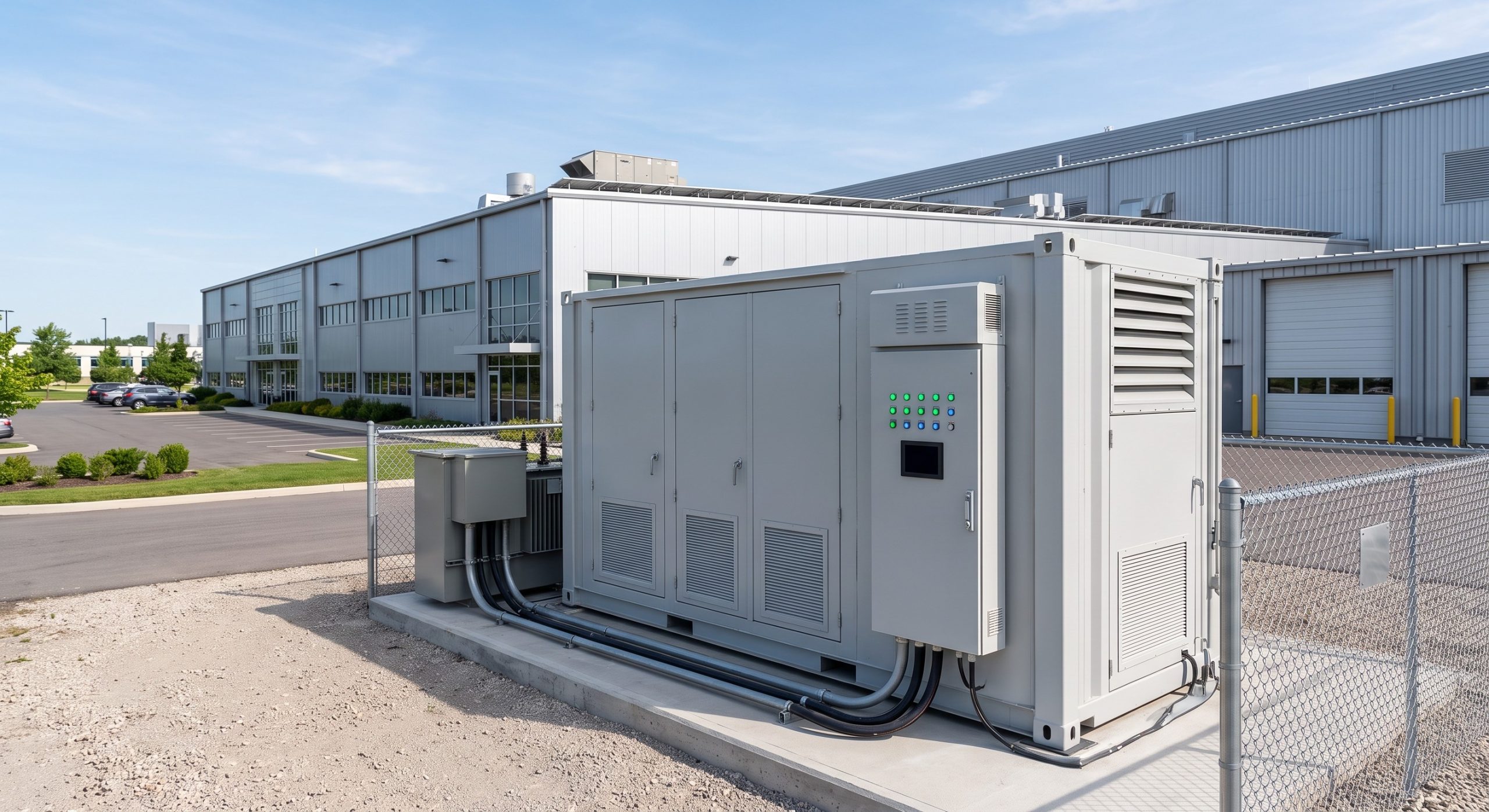
Lithium Iron Phosphate (LFP) cells, while inherently more stable than NMC chemistries, are not immune to the detrimental effects of temperature extremes. The energy storage high-low temperature test evaluates system performance across a defined operational temperature range, typically -20°C to +55°C, with storage extremes extending to -40°C and +80°C. At sub-zero temperatures, electrolyte viscosity increases, leading to reduced ionic conductivity and a significant rise in internal resistance. This phenomenon can trigger lithium plating during charging, a primary precursor to dendrite formation and eventual internal short circuits. Conversely, high-temperature operation accelerates parasitic side reactions, degrades the Solid Electrolyte Interphase (SEI) layer, and exponentially increases the risk of thermal runaway—a self-sustaining exothermic reaction that can lead to fires or explosions. The high-low temperature test quantifies these risks by measuring key performance indicators such as capacity retention, direct current internal resistance (DCIR), and charge/discharge efficiency under controlled thermal stress, providing empirical data that directly correlates to field performance and system lifespan.
Core Architecture: BMS Intelligence and Cell Balancing
Battery Management System (BMS) as Thermal Guardian
The cornerstone of thermal safety lies in the Battery Management System (BMS). A tier-1 BMS utilizes a distributed architecture with multiple slave modules monitoring each cell voltage and temperature, communicating via an isolated CAN bus to a master controller. During the energy storage high-low temperature test, the BMS is evaluated for its ability to execute precise cell balancing—both passive (dissipative) and active (redistributive). Active balancing, while more complex and costly, ensures that weaker cells do not become overcharged or excessively discharged under extreme temperatures, thereby preventing localized hotspots. The BMS must also calculate accurate State of Charge (SoC) and State of Health (SoH) via Kalman filtering algorithms, which are particularly challenging to stabilize under fluctuating thermal conditions. A robust BMS will trigger preemptive warnings and initiate protective measures, such as reducing the charge/discharge C-rate or disconnecting the system entirely, before temperatures approach critical thresholds defined by the cell manufacturer.
Liquid Cooling vs. Air Cooling Thermal Management
The choice of thermal management system is a fundamental architectural decision that directly influences the outcome of the energy storage high-low temperature test. Traditional forced-air cooling systems are simpler and less expensive but struggle with thermal uniformity, often creating temperature gradients of >5°C across the battery pack. This disparity accelerates cell degradation and increases the likelihood of thermal events. In contrast, liquid cooling thermal control systems, utilizing dielectric fluids or water-glycol mixtures circulated through cold plates, can maintain temperature uniformity within ±1°C. This precision is critical during high-rate (>1C) charge/discharge cycles and extreme ambient conditions. Data from rigorous testing indicates that liquid-cooled systems can reduce peak cell temperatures by up to 15°C compared to air cooling under identical loading, directly enhancing cycle life and ensuring that the energy storage high-low temperature test validates sustained performance without premature degradation.
Multi-Level Fire Suppression and Safety Compliance
Even with advanced BMS and thermal management, the potential for cell failure necessitates a robust, multi-tiered fire suppression strategy. This is a non-negotiable aspect of the energy storage high-low temperature test validation. Level 1 defense comprises gas detection sensors (CO, H2, VOCs) that identify early off-gassing indicating electrolyte decomposition. Level 2 involves aerosol-based suppression agents, such as Novec 1230 or FM-200, designed to extinguish electrical fires without causing harmful residue. Level 3, for worst-case scenarios, involves a fully plumbed water-mist system to provide cooling and prevent the spread of fire to adjacent modules. The testing protocol evaluates the efficacy of these systems in concert with the BMS, ensuring seamless activation upon confirmation of a thermal event. Compliance with stringent international standards is not optional. IEC 62619 specifies the safety requirements for industrial batteries, including thermal shock and cycling tests. UL 9540, the standard for Energy Storage Systems and Equipment, mandates rigorous fire testing and system-level safety evaluations. Adherence to UN38.3 certifies the safe transport of the battery cells, while CE marking indicates conformity with European safety and environmental standards. The high-low temperature test must validate that the system’s protective features operate within specifications to meet these critical certifications.
Technical Specifications
The following table outlines critical parameters that define a bankable and compliant C&I energy storage system, directly derived from the performance metrics validated during the energy storage high-low temperature test.
| Key Parameter | Technical Specification |
|---|---|
| Battery Chemistry | Tier-1 LFP (Lithium Iron Phosphate) |
| System Capacity | 100kWh to 2MWh per containerized unit |
| Nominal Voltage | 600V DC to 1500V DC |
| Round-trip Efficiency | ≥92% (up to 95% with liquid cooling) |
| Cycle Life | >8000 cycles @ 90% DoD (25°C ambient) |
| Operating Temperature | -20°C to +55°C (charge/discharge) |
| Storage Temperature | -40°C to +80°C |
| Thermal Management | Advanced Liquid Cooling (ΔT ≤ ±1°C) |
| BMS Architecture | Distributed 3-tier with active cell balancing |
| Fire Suppression | Aerosol + Water-mist multi-level system |
| Safety Certifications | IEC 62619, UL 9540, CE, UN38.3 |
| PCS Topology | Bi-directional 4-quadrant power conversion |
| Communication Protocols | Modbus, CAN, IEC 61850 |
Commercial ROI and Grid Support Functionality
Data from the energy storage high-low temperature test directly informs the financial models and revenue streams of a project. A system that exhibits high Round-trip efficiency (RTE) of 92-95% and low degradation rates across temperature extremes maximizes the arbitrage value from peak shaving and load shifting. For C&I facilities facing high demand charges, the ability to reliably discharge energy during peak periods, irrespective of external temperature, ensures predictable peak-shaving ROI. Furthermore, an asset validated for temperature resilience is more capable of participating in ancillary services markets, such as frequency regulation and demand response (DR). These applications require rapid, bidirectional power response (<100ms) and consistent capacity availability, which are only guaranteed by a system that has passed stringent thermal validation. The long-term Total Cost of Ownership (TCO) is significantly improved by a robust high-low temperature test regimen, as it minimizes the risk of premature capacity loss, reduces O&M costs associated with unplanned outages, and ensures the system achieves its projected cycle life of 8000+ cycles.
Deployment Scenarios and Industrial Applications
The versatility of modern, temperature-validated energy storage systems unlocks diverse deployment opportunities across the industrial and commercial landscape.
- Industrial Parks: Integrating modular BESS within manufacturing hubs to ensure uninterrupted power quality, mitigate voltage sags, and reduce reliance on fossil-fuel backup generators.
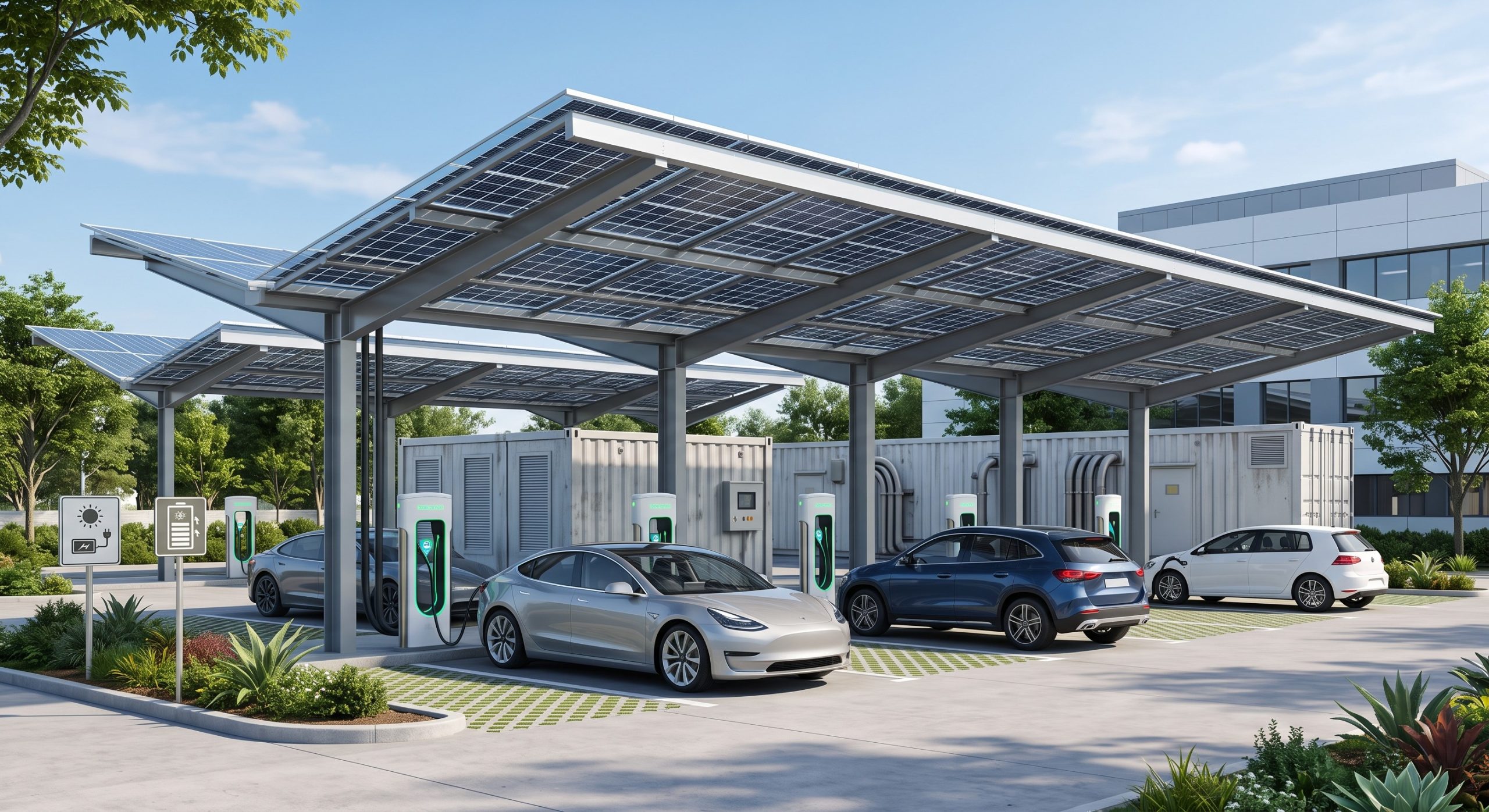
- PV-Storage-Charging (光储充) Stations: Combining solar canopies with energy storage to deliver sustainable, high-power charging for EV fleets, while utilizing the battery as a buffer against grid spikes.
- EV Supercharging Stations: Deploying high-capacity storage to supplement grid supply, enabling ultra-fast charging (150kW+) without necessitating expensive utility infrastructure upgrades.
- Data Centers and Critical Infrastructure: Providing high-reliability backup and uninterruptible power supply (UPS) functionality, with liquid cooling systems ensuring stable operation in thermally challenging server environments.
In each scenario, the data from the energy storage high-low temperature test assures the project owner that the system will deliver consistent capacity and safety, regardless of geographic location or climate, thus de-risking the investment and facilitating insurance procurement.
Conclusion: Elevating Safety and Performance Through Thermal Validation
The energy storage high-low temperature test is the definitive audit of a C&I battery system’s true engineering quality. It transcends basic compliance to provide actionable intelligence on thermal dynamics, BMS efficacy, and long-term degradation patterns. For B2B buyers, prioritizing vendors who demonstrate exceptional performance under these extreme conditions is essential for safeguarding assets, optimizing financial returns, and ensuring operational reliability in a decarbonized grid. As the industry evolves, the emphasis on robust thermal management and multi-layered safety will only intensify. By demanding transparency in high-low temperature test results, stakeholders can confidently navigate the complex landscape of commercial energy storage, driving a sustainable and resilient energy future.