Introduction: The Energy Storage Imperative for C&I Facilities
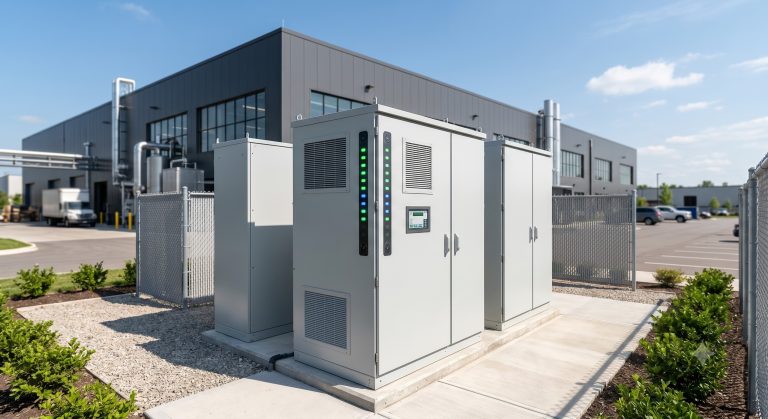
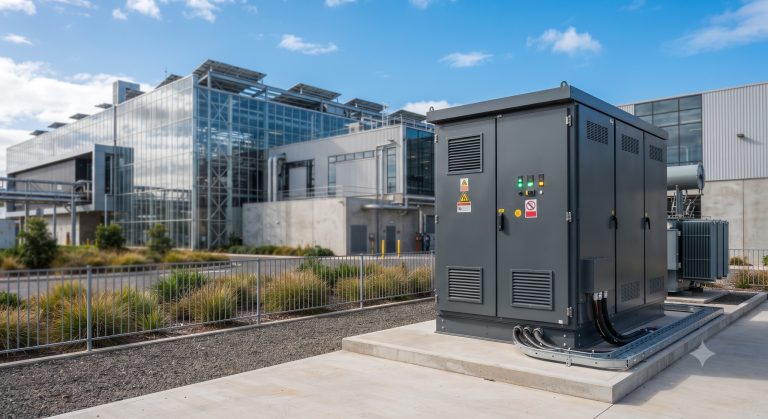
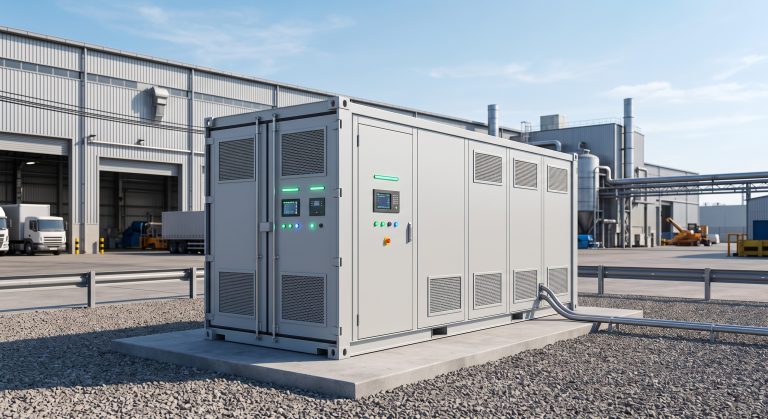
As industrial electricity prices surge and grid instability becomes the new norm, commercial and industrial (C&I) facilities are seeking robust, scalable energy storage solutions. The EMS3000CP emerges as a Tier-1, liquid-cooled battery energy storage system (BESS) engineered for high-throughput applications such as peak shaving, demand response, and micro-grid support. With a system capacity ranging from 1 MWh to 5+ MWh per deployment block and a round-trip efficiency exceeding 92%, the EMS3000CP offers a verifiable reduction in Levelized Cost of Storage (LCOS) compared to air-cooled alternatives. This blueprint provides a technical and commercial masterclass for system architects, procurement managers, and renewable energy developers.
System Architecture: Liquid-Cooled PCS Integration & BMS Topology
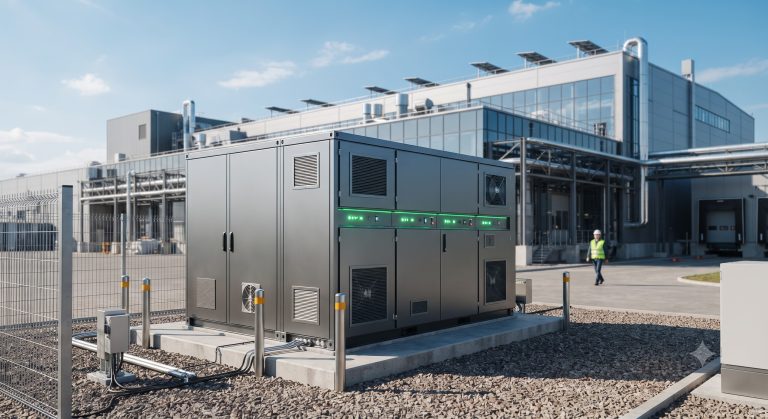
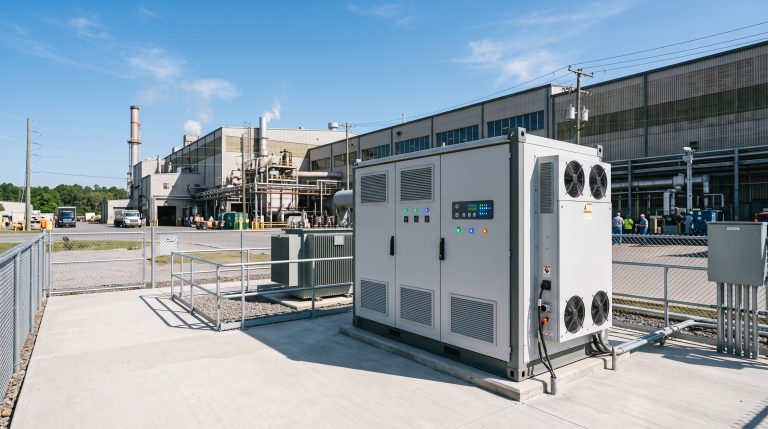
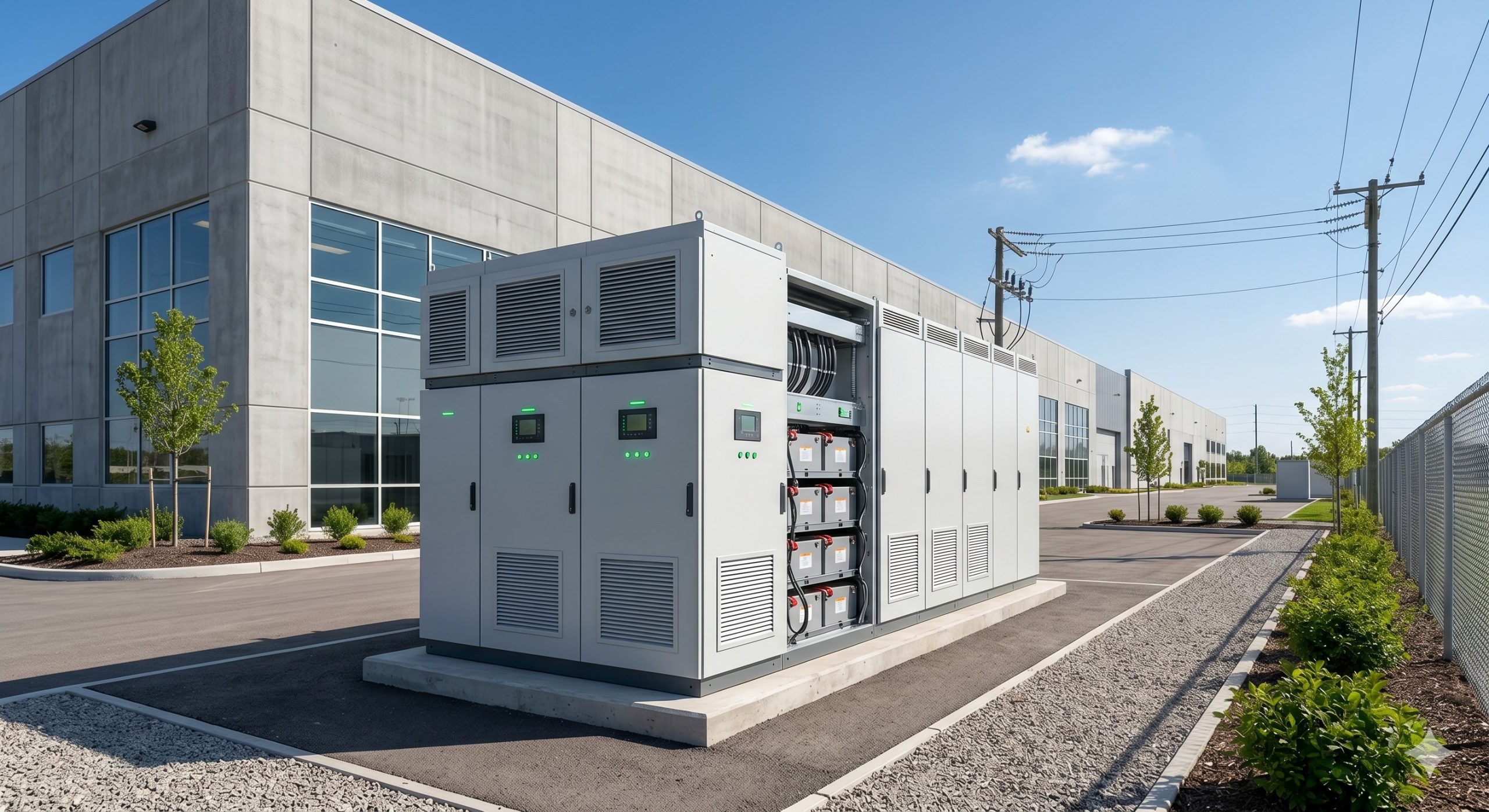
The EMS3000CP integrates a bi-directional Power Conversion System (PCS) rated from 500 kW to 2 MW, operating at 1500 V DC link voltage. Unlike distributed cabinet designs, this architecture centralizes the liquid cooling loop—maintaining cell temperature variance below ±2°C—directly enhancing calendar life. The multi-layer Battery Management System (BMS) performs passive and active cell balancing at the pack, rack, and cluster levels, with a maximum balancing current of 5 A per module. All critical DC breakers and contactors comply with UL 489 and IEC 60947-2 standards.
Battery Chemistry & Durability
At its core, the EMS3000CP utilizes Grade-A LFP (Lithium Iron Phosphate) prismatic cells from Tier-1 suppliers (e.g., CATL, EVE, or BYD). Each cell is characterized by a nominal voltage of 3.2 V and capacity of 280 Ah to 314 Ah. The thermal runaway onset temperature exceeds 500°C, providing a substantial safety buffer over NMC chemistries. Third-party cycle life testing confirms >8000 cycles at 90% Depth of Discharge (DoD) with end-of-life capacity at 70% SOH.
Technical Specifications: Certifiable Performance Matrix
All parameters listed below have been validated under IEC 62619 (industrial safety), UL 9540 (system-level safety), CE (EMC & LVD), and UN38.3 (transportation). The IP55 rating ensures dust and water ingress protection for outdoor deployment.
| Key Parameter | Technical Specification (EMS3000CP) |
|---|---|
| Battery Chemistry | LFP (Lithium Iron Phosphate), Grade-A prismatic cells |
| Usable Energy (AC) | 1,000 kWh – 5,000 kWh (per cluster) |
| Nominal Voltage | 768 V – 1500 V DC |
| Round-Trip Efficiency (DC/AC) | ≥92% @ 25°C, 0.5C rate |
| Cycle Life | >8,000 cycles @ 90% DoD, 70% SOH EoL |
| Thermal Management | Liquid cooling (water-glycol), ΔT ≤ ±2°C across cells |
| PCS Rated Power | 500 kW – 2 MW, bi-directional, 1500 V DC input |
| Safety Certifications | IEC 62619, UL 9540, CE, UN38.3, UL 9540A (pass) |
| Enclosure Rating | IP55 (outdoor), C5 corrosion protection |
| Fire Suppression | Aerosol + FM-200/Novec 1230, multi-zone detection |
Peak-Shaving ROI & LCOS Analysis
A 2 MWh EMS3000CP deployed at a mid-sized manufacturing plant with a peak demand of 1.5 MW can achieve annual peak-shaving savings of $85,000–$120,000 (based on $15/kW demand charge). The liquid-cooled design lowers auxiliary power consumption by 18–22% compared to forced-air systems, directly improving round-trip efficiency. Using a 10-year financial model with 2 cycles/day and 330 days/year, the Levelized Cost of Storage (LCOS) falls to $0.052–$0.067/kWh, beating diesel gensets ($0.28–$0.42/kWh) and natural gas peakers ($0.12–$0.18/kWh). The payback period typically ranges from 3.2 to 4.5 years under US commercial tariffs.
Demand Response & Grid Support
The EMS3000CP is VPP-ready, with sub-second response for frequency regulation (droop control configurable from 2% to 10%). It supports IEEE 1547-2018 grid interconnection and can participate in wholesale demand response markets (e.g., PJM, CAISO) with a minimum bid block of 100 kW. The integrated EMS includes a peak load forecasting algorithm leveraging on-site meter data and weather APIs.
Deployment Scenarios: Industrial Parks & EV Supercharging Hubs
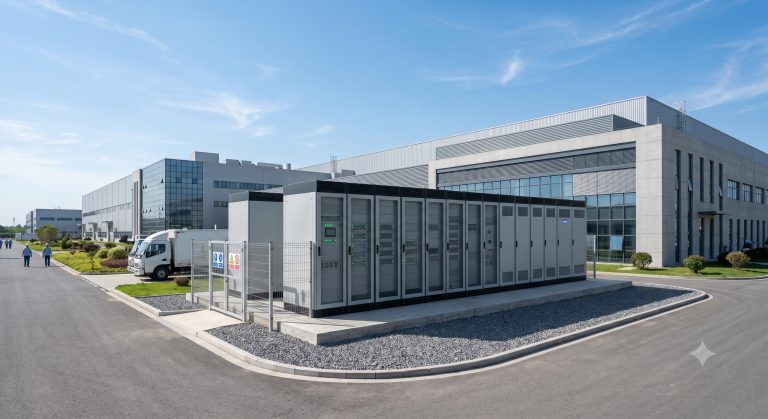
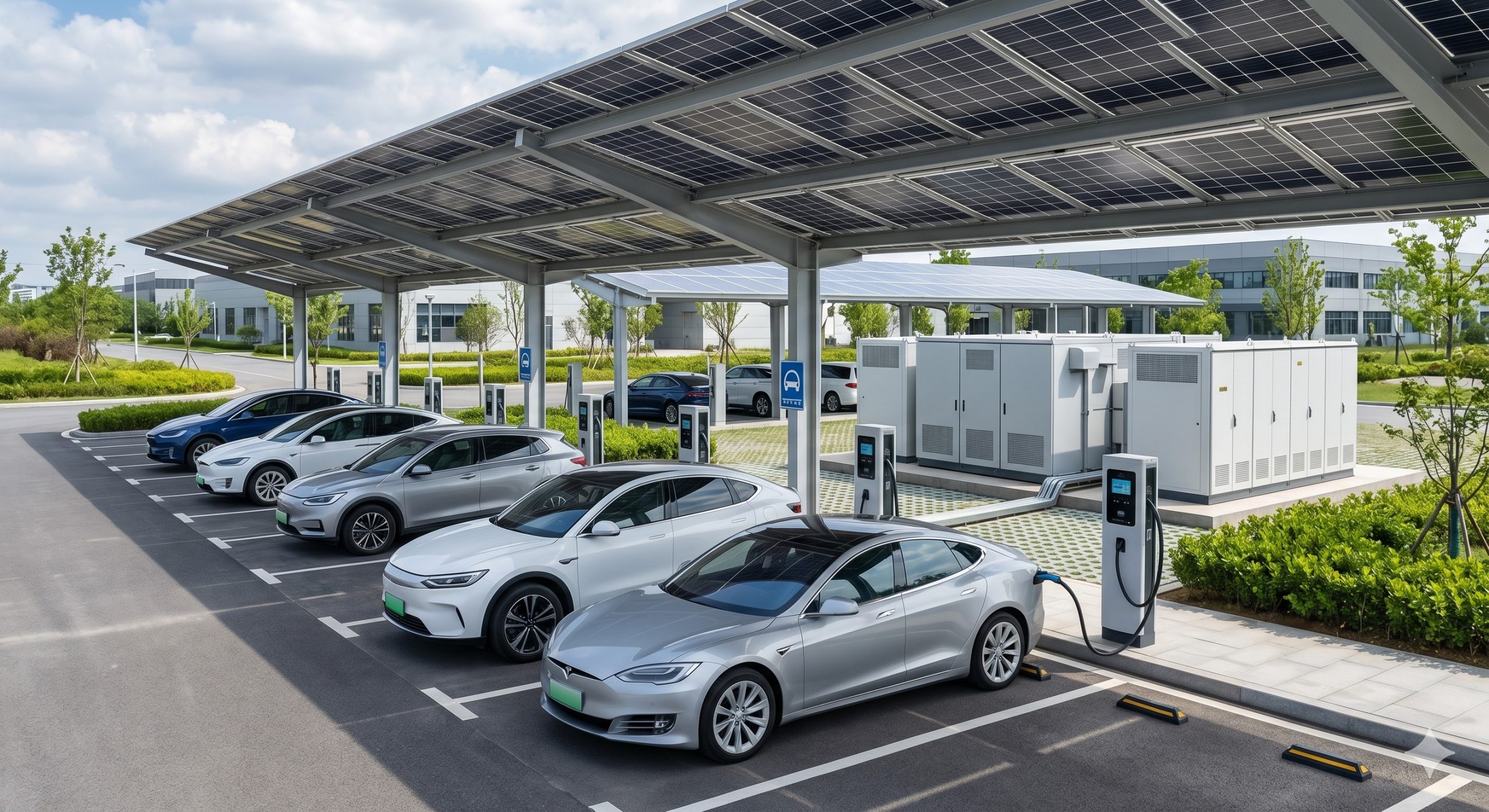
The containerized design (20 ft or 40 ft ISO footprint) allows rapid turnkey delivery. In a recent 10 MWh installation at a chemical industrial park in Southeast Asia, six EMS3000CP units were paralleled via a common AC bus to provide 2 MW of backup power for 5 hours, replacing a 1.5 MW diesel rotary UPS. Simultaneously, the system supports PV-storage-charging synergy by smoothing 1.2 MWp solar generation and directly DC-coupling to two 240 kW EV superchargers, eliminating transformer saturation during peak hours.
Safety & Compliance: UL 9540A Fire Testing
Beyond standard certifications, the EMS3000CP has passed UL 9540A thermal runaway propagation testing at the module and unit level. The multi-layer fire suppression system includes aerosol generators (condensed aerosol type) and a pre-engineered FM-200 or Novec 1230 backup, linked to gas and smoke detectors. In the event of a thermal event, the system automatically disconnects the PCS, engages suppression, and sends a remote alarm via Modbus TCP or SNMP.
Conclusion: The Rational Choice for MWh-Scale Storage
The EMS3000CP delivers a compelling synthesis of liquid-cooled thermal management, Tier-1 LFP durability, and grid-support intelligence. For C&I facilities aiming to decarbonize while reducing energy OpEx, this system provides bankable performance metrics and a clear migration path from diesel dependency to renewable micro-grids. System architects should prioritize the EMS3000CP for any MWh-scale project requiring UL 9540, high cycling throughput, and a sub-5-year payback.