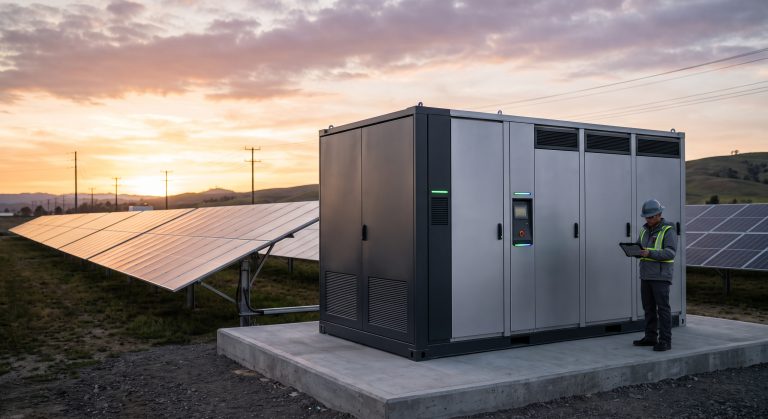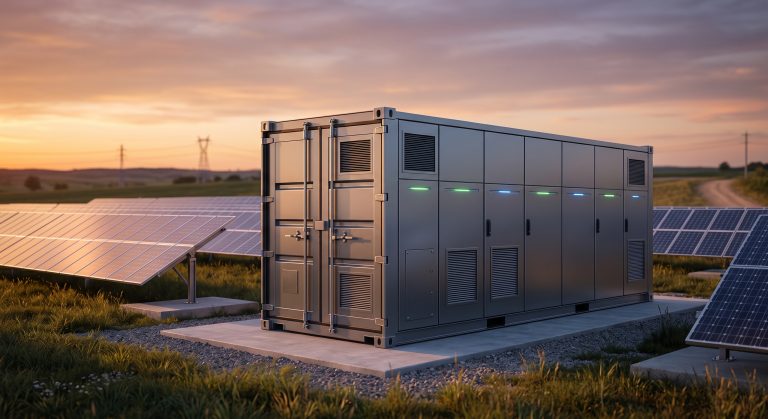
DYNAMIC LOAD BALANCING: OFFICIAL COMMERCIAL BESS TECHNICAL OVERVIEW & DATASHEET
EXECUTIVE SUMMARY
The Dynamic Load Balancing (DLB) module represents a paradigm shift in commercial and industrial (C&I) energy storage system (ESS) intelligence. Unlike conventional static power management, the proprietary DLB algorithm continuously monitors site-level consumption, PV generation, and EV charging demand, then micro-adjusts BESS discharge/charge power in real time to prevent grid import peaks and transformer overloads. This datasheet provides certified performance parameters, safety architectures, and integration schematics for the Tier-1 LFP-based DLB-ready storage platform.
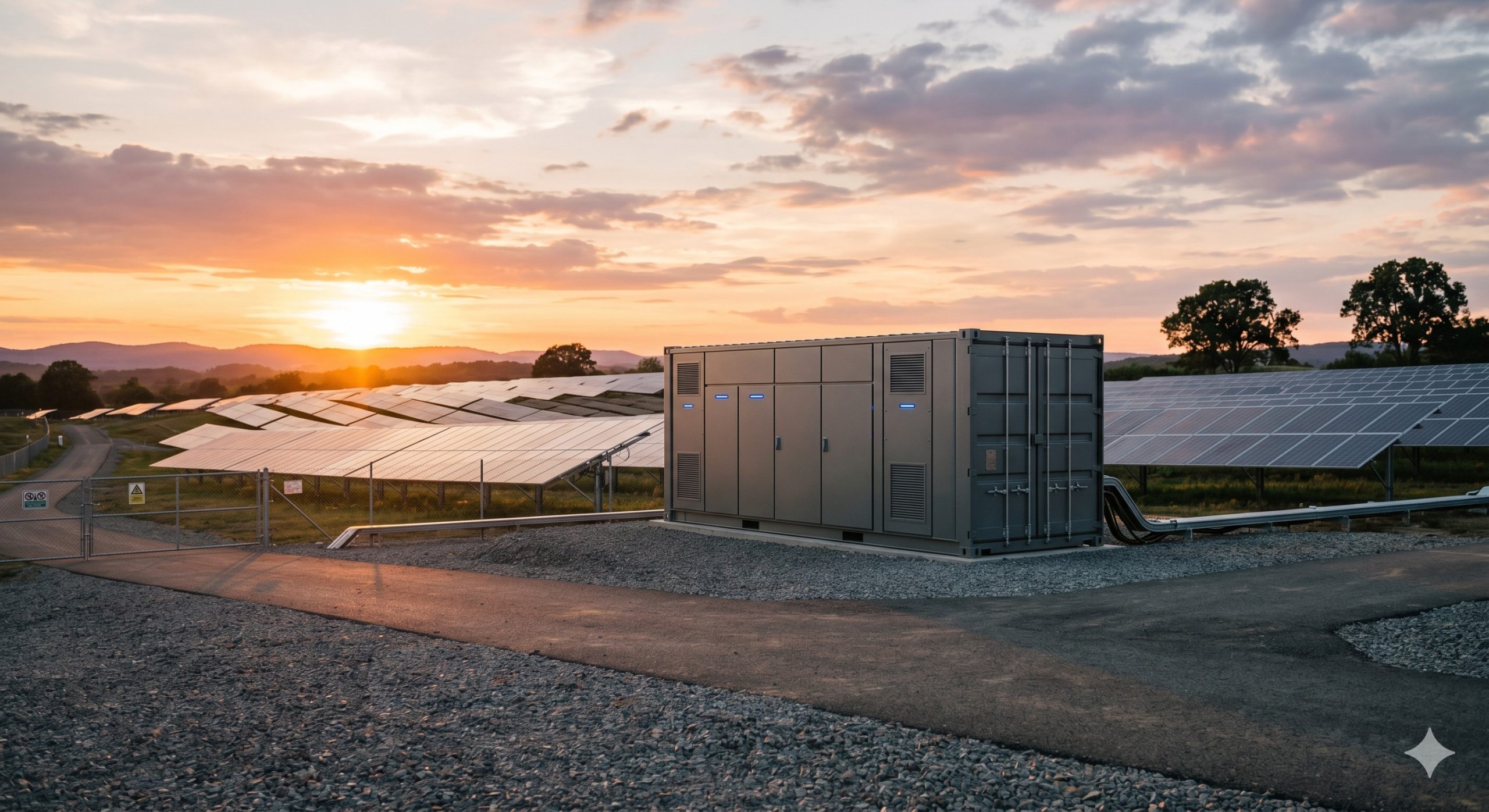
SYSTEM ARCHITECTURE & SAFETY
The DLB architecture integrates a high-speed Site Energy Management Controller (sEMC) that polls utility CT clamps, inverter telemetry, and building sub-meters at 10ms intervals. Upon detecting an imminent overload (e.g., simultaneous EV fast-charger and HVAC startup), the controller commands the bi-directional PCS to inject or absorb power within 40ms, maintaining net grid draw below a user-defined threshold. Three-layer safety includes: galvanically isolated current sensing, redundant over-current protection relays (UL 489 listed), and cloud-fallback logic to open the grid interconnection contactor if communication fails.
KEY FEATURES
– Sub-40ms Response: Faster than static peak shaving; eliminates nuisance breaker trips.
– Transformer Guardian: Limits apparent power (kVA) demand to prevent distribution transformer overheating.
– Multi-Cluster Coordination: Up to 16 DLB units can share a single grid feed point using peer-to-peer 5 ms CAN bus arbitration.
– Adaptive Charging: During low load periods (e.g., night shift), system automatically pulls energy for recharging without causing new peaks.
– Weather-Adaptive Setpoints: Optional integration with local irradiance forecasts to pre-charge before cloudy periods.
COMPLIANCE & STANDARDS
UL 9540 (3rd Edition) Energy Storage Systems and Equipment; UL 1741 SA for grid-supportive inverters; IEEE 1547-2018; IEC 62477-1 for power electronics; IEC 62619 for LFP battery safety; UN 38.3 for cell transport. System also complies with NEC 2020 Article 706 and California Fire Code (CFC) Section 1207 for indoor/outdoor non-combustible installation.
TECHNICAL SPECIFICATIONS
| Parameter | Specification |
|---|---|
| Nominal Energy (Usable) | 232 kWh per enclosure (adjustable DC voltage range: 680–900 Vdc) |
| Max Continuous Discharge Power | 115 kW (2-hour rating) / 150 kW (30-minute boost rating) |
| Cooling Method | Active liquid cooling (coolant: 25% propylene glycol / water); max ΔT across cells < 2°C |
| Cell Chemistry | Tier-1 prismatic LFP (3.2 V / 280 Ah), cycle life: ≥6,000 cycles @ 25°C, 0.5C / 0.5C, 80% EOL |
| Grid Interface | 3-phase, 480 V ac (or 400 V ac export configurable), 60 Hz, Wye with N-G bond |
| DLB Response Time | < 40 ms from CT current spike to PCS power adjustment |
| Communication Protocols | Modbus TCP/IP, CAN 2.0B, IEC 61850, DNP3 (optional) |
| Site Load Capacity Supported | Up to 2 MVA per single DLB unit (parallel units scale to 32 MVA) |
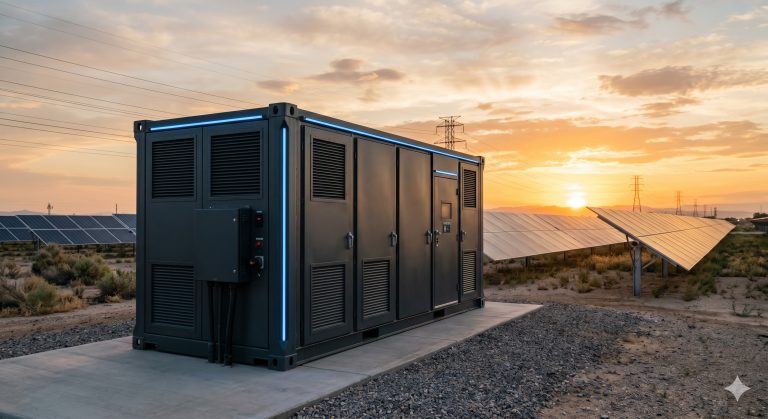
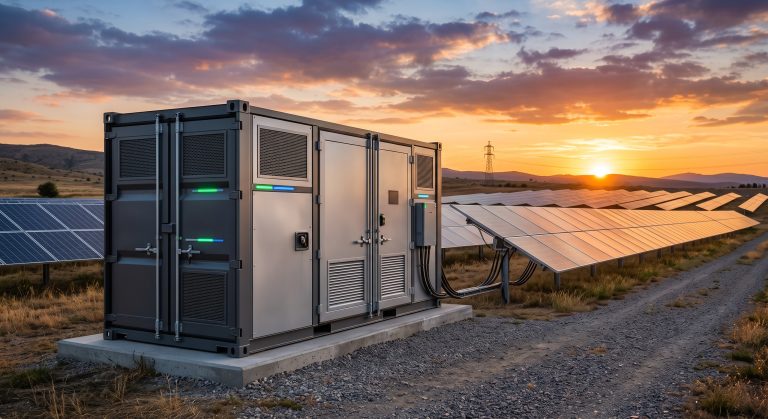
| Physical Dimensions (WxDxH) | 1,200 mm x 1,400 mm x 2,250 mm (includes 300 mm cable entry zone) |
| Operating Ambient Temperature | -20°C to +50°C (derated above 45°C), full performance with liquid cooling active |
INDUSTRIAL DEPLOYMENT
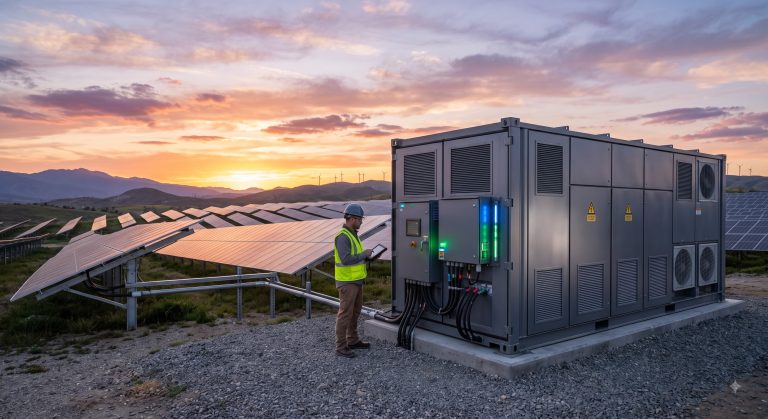
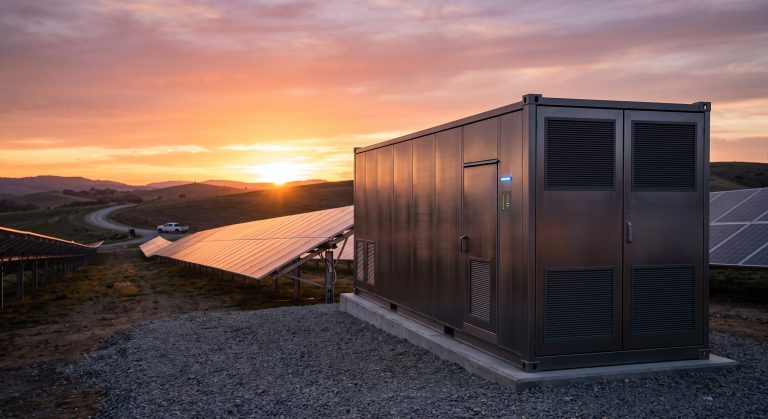
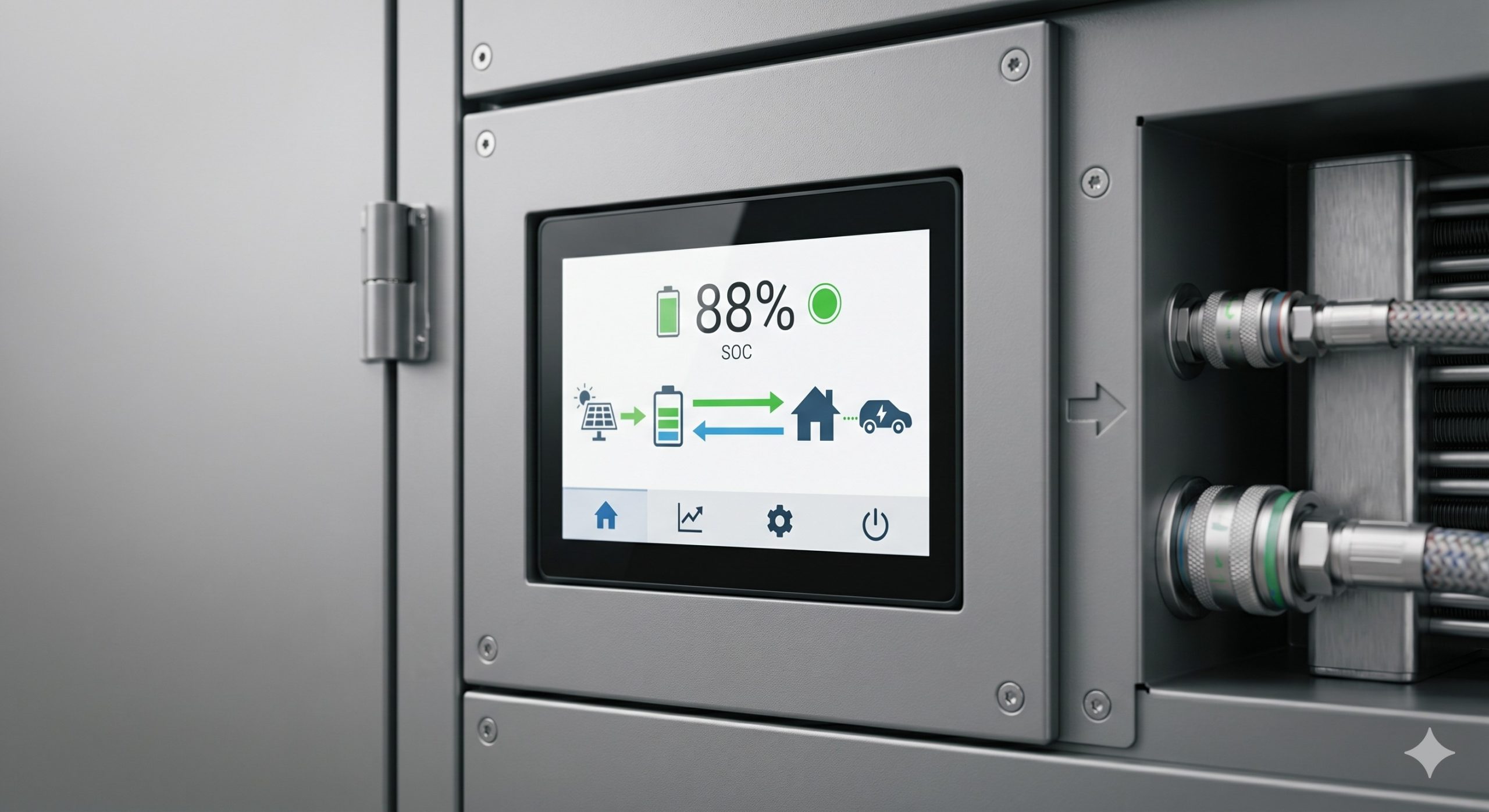
Typical application sites include automotive manufacturing lines, hospital campuses with backup generators, EV bus depots, and retail centres with demand charges >$15/kW. The DLB cabinet is NEMA 3R / IP55 rated for outdoor pad mounting. Minimum site requirement: 600A or larger service entrance with CT cabinet. Commissioning via the technician mobile app (BLE/Wi-Fi) takes under 90 minutes. For facilities without existing energy meters, the DLB package includes six Rogowski coil CTs and a 240V AC aux power tap. Standard warranty: 10 years or 8,000 cycles (80% end-of-life capacity retention).
📥 Download Technical Specification
Click the button below to view or download the full official PDF datasheet.