Overview
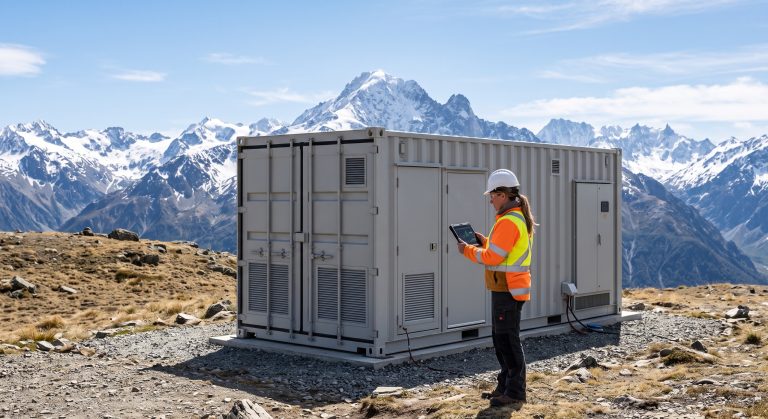
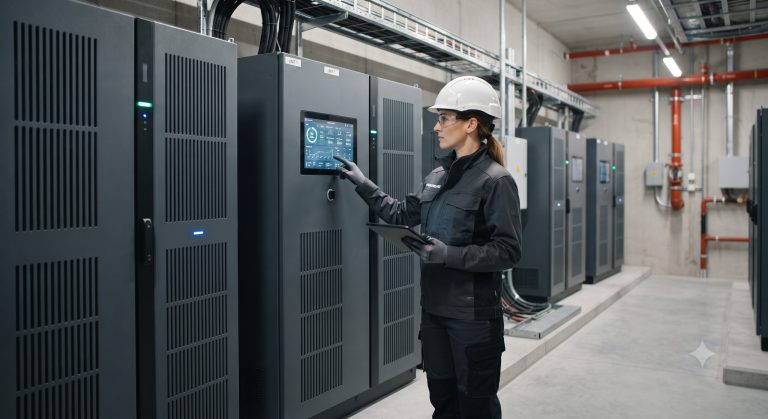
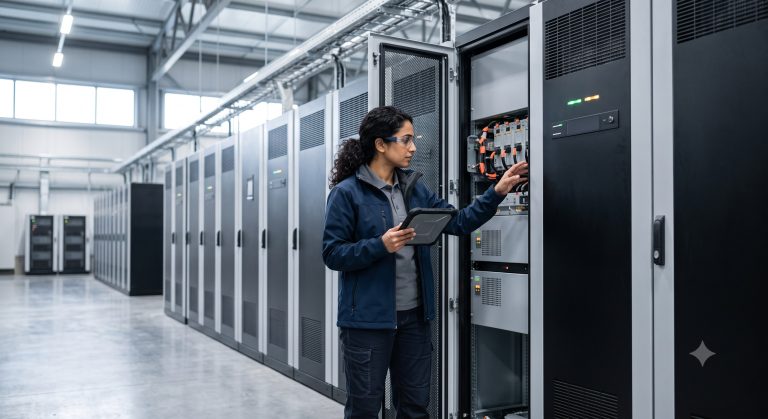
Dynamic load balancing is an intelligent energy management strategy that automatically distributes available power across multiple loads or storage units based on real-time demand, grid constraints, and battery state-of-charge (SoC). For B2B energy storage system (BESS) buyers and plant engineers, mastering this feature is essential to prevent transformer overloads, reduce peak demand charges, and enable seamless EV charging or micro-grid integration. Below we answer the most common technical and commercial questions about dynamic load balancing in commercial & industrial (C&I) BESS deployments.
Frequently Asked Questions
- Q1: What LFP battery chemistry cycle life and depth of discharge (DoD) are recommended for continuous dynamic load balancing?
- Premium Tier-1 LFP cells used in dynamic load balancing applications deliver 6,000–8,000 cycles at 90% DoD under standard ambient conditions (25°C). This high cycle life is critical because frequent charge/discharge adjustments occur during peak shaving or EV fast-charging integration. With advanced liquid cooling maintaining cell temperature variance below ±2°C, calendar life extends beyond 12 years. Always request cell-level cycle test reports from the manufacturer to verify degradation remains below 20% at 6,000 cycles.
- Q2: How does liquid cooling improve dynamic load balancing performance and prevent thermal runaway?
- Liquid cooling systems actively remove heat from densely packed LFP cells, keeping each cell within a 15-35°C optimal range even under rapid load-changing conditions. This prevents thermal gradients that cause SoC estimation errors and reduces the risk of thermal runaway—a chain reaction of overheating that liquid cooling suppresses through early detection of temperature spikes (≥50°C trigger isolation). For dynamic balancing, stable cell temperatures ensure BMS-reported SoC accuracy within ±2%, enabling precise power distribution without sudden de-rating events.
- Q3: Can dynamic load balancing operate in both grid-tied and off-grid islanding configurations?
- Yes, modern bi-directional PCS units with dynamic load balancing support seamless transition between grid-tied (peak shaving, demand response) and off-grid islanding modes. In grid-tied mode, the system monitors utility import limits (e.g., 500 kVA transformer) and discharges BESS to keep total demand below threshold. When the grid fails, the dynamic controller isolates the facility (anti-islanding per UL 1741) and enters voltage-source mode to supply critical loads within milliseconds. Specify your required switchover time (typically ≤20 ms for sensitive industrial controls) during pre-sales engineering.
- Q4: What BMS monitoring parameters are essential for reliable dynamic load balancing?
- Real-time monitoring of four parameters is mandatory: (1) per-cell voltage with ±0.5% accuracy, (2) per-string current at 10 Hz sampling rate, (3) individual cell temperature sensors (≥1 sensor per 6-8 cells), and (4) SoC with adaptive Kalman filtering to correct drift. The BMS must communicate these to the EMS via CAN 2.0B or Modbus TCP at intervals ≤100 ms. Without high-resolution data, dynamic balancing risks overcharging some cells while over-discharging others, accelerating degradation by up to 300% within one year.
- Q5: How do I calculate ROI and payback period for a dynamic load balancing BESS in peak shaving applications?
- ROI calculation uses three primary variables: (1) monthly demand charge reduction = (peak kW reduced) × (demand charge rate $/kW), (2) time-of-use arbitrage = (daily kWh shifted) × (price spread $/kWh) × 260 working days, and (3) total installed system cost including BESS, PCS, EMS, and installation. A typical C&I facility with 400 kW peak demand and $15/kW monthly demand charges can save $6,000/month. With a 1 MWh BESS costing $250,000–$350,000, simple payback ranges 3.5–5 years. Always include degradation headroom (reserve 20% capacity) and factor in local incentive programs like SGIP or self-generation credits.
- Q6: What is the modular scalability approach for upgrading storage capacity with dynamic load balancing?
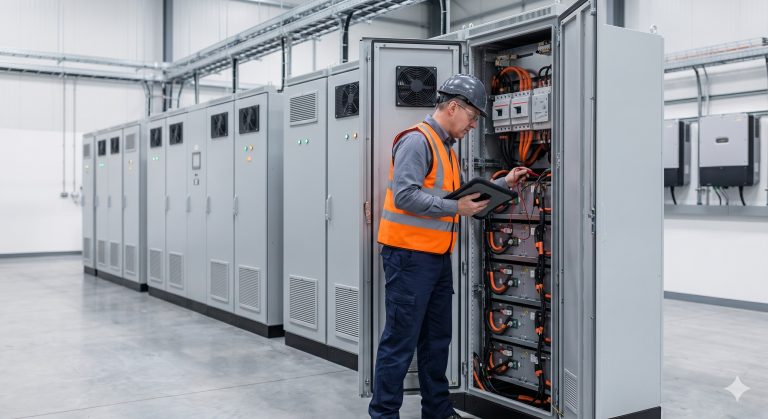
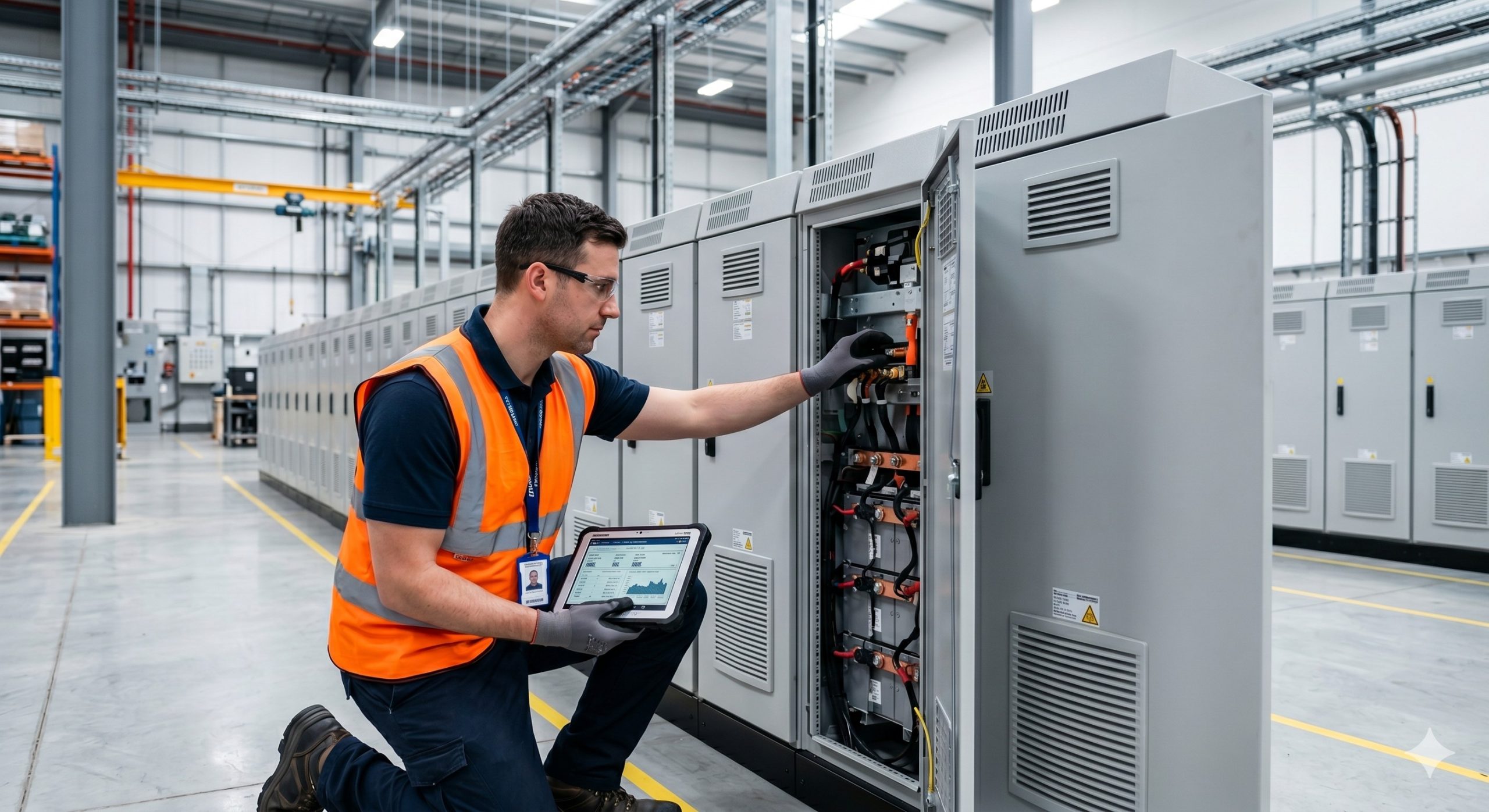
- Parallel cabinet connectivity via a shared DC busbar allows non-disruptive capacity upgrades. Each additional battery cabinet (typically 100–300 kWh each) connects to the same DC bus, while the existing PCS and EMS automatically recognize the new capacity through plug-and-play CAN communication. Dynamic load balancing algorithms then re-allocate power across all cabinets based on individual SoC and health (SOH). Maximum scalable capacity depends on the PCS inverter rating—for example, a 500 kW PCS supports up to 2,000 kWh total storage (4x 500 kWh cabinets) with proper busbar sizing. Confirm that your chosen vendor supports parallel BMS coordination without requiring a full system reset.
- Q7: What fire safety mechanisms and thermal runaway prevention layers are required for dynamic balancing BESS?
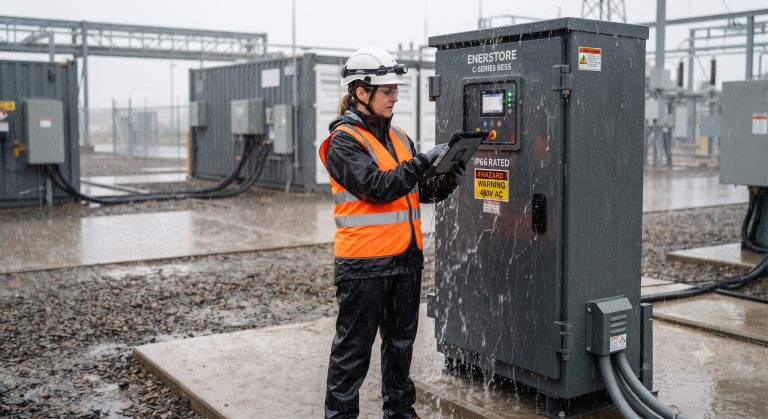
- Multi-tier protection includes: (1) gas detection sensors (CO, H2, VOCs) triggering ventilation and load shedding at detection, (2) aerosol or Novec 1230 fire suppression with local and remote alarms, (3) cell-level fusible links that permanently disconnect any cell exceeding 85°C, and (4) electromagnetic contactors on each string (interrupt rating ≥10 kA). For dynamic load balancing installations, the EMS must automatically halt charging and dispatch stored energy down to 10% SoC when thermal runaway precursors are detected, reducing available fuel for any potential fire. UL 9540A thermal runaway propagation testing is the gold standard—always request the report to confirm that a single cell failure does not propagate to adjacent cells under dynamic cycling conditions.