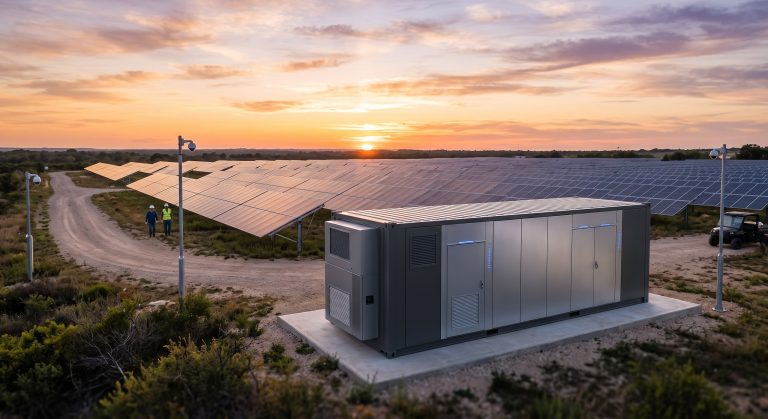
TURNKEY C&I ENERGY STORAGE SOLUTION BRIEF: DEPLOYING MODULAR BATTERY SYSTEM
EXECUTIVE SUMMARY
The Modular Battery System (MBS) represents a paradigm shift in commercial and industrial (C&I) energy storage architecture. Engineered for maximum deployment flexibility and operational resilience, this platform decouples traditional capacity constraints by allowing independent scaling of power and energy modules. Targeting peak shaving, demand charge reduction, and backup power applications from 150 kWh to multi-MWh site aggregates, the MBS delivers a Tier-1 LFP chemistry core with a projected 8,000 cycle lifespan at 90% Depth of Discharge (DoD). This document provides the official technical overview, performance ledger, and integration requirements for qualified engineering partners and asset owners.
SYSTEM ARCHITECTURE & SAFETY
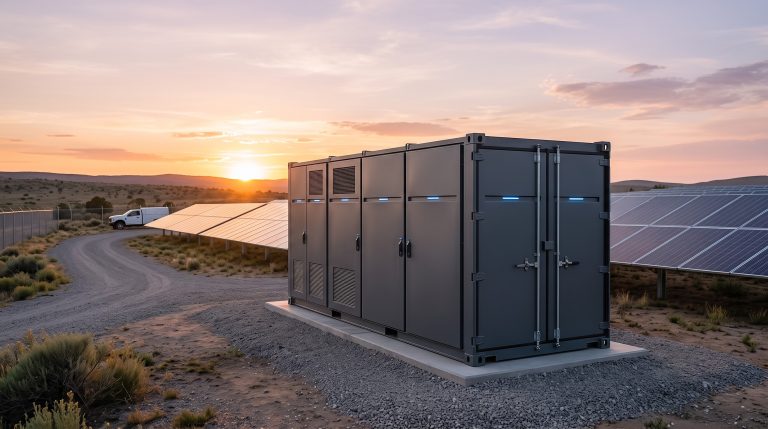
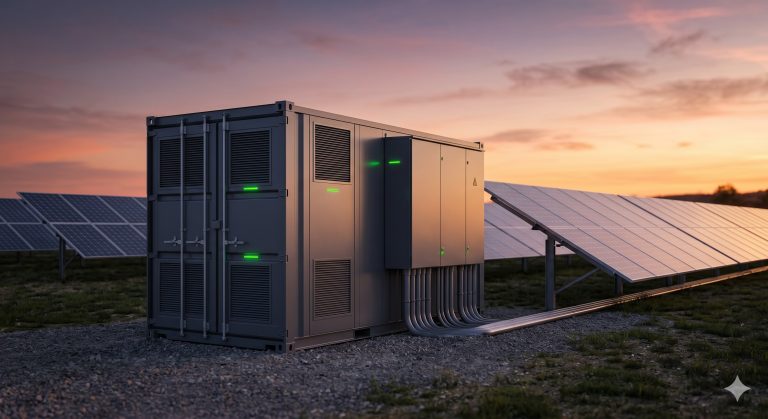
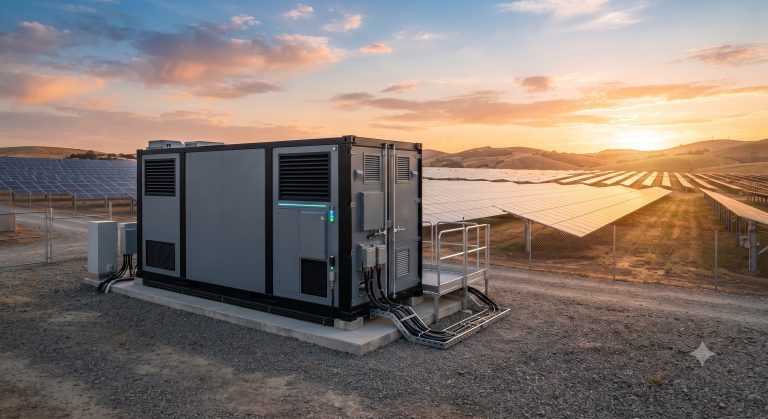
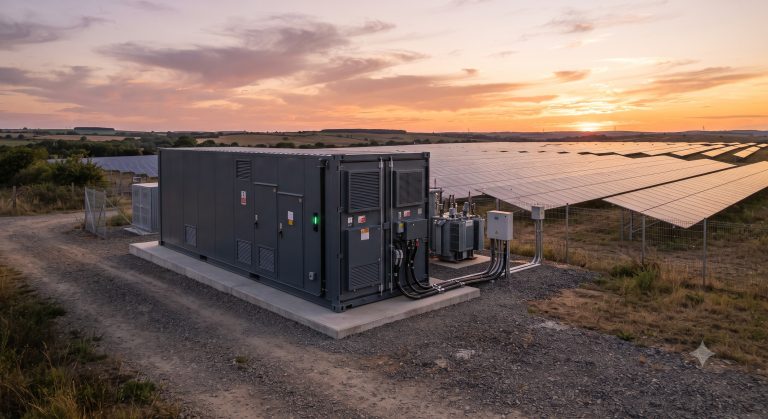
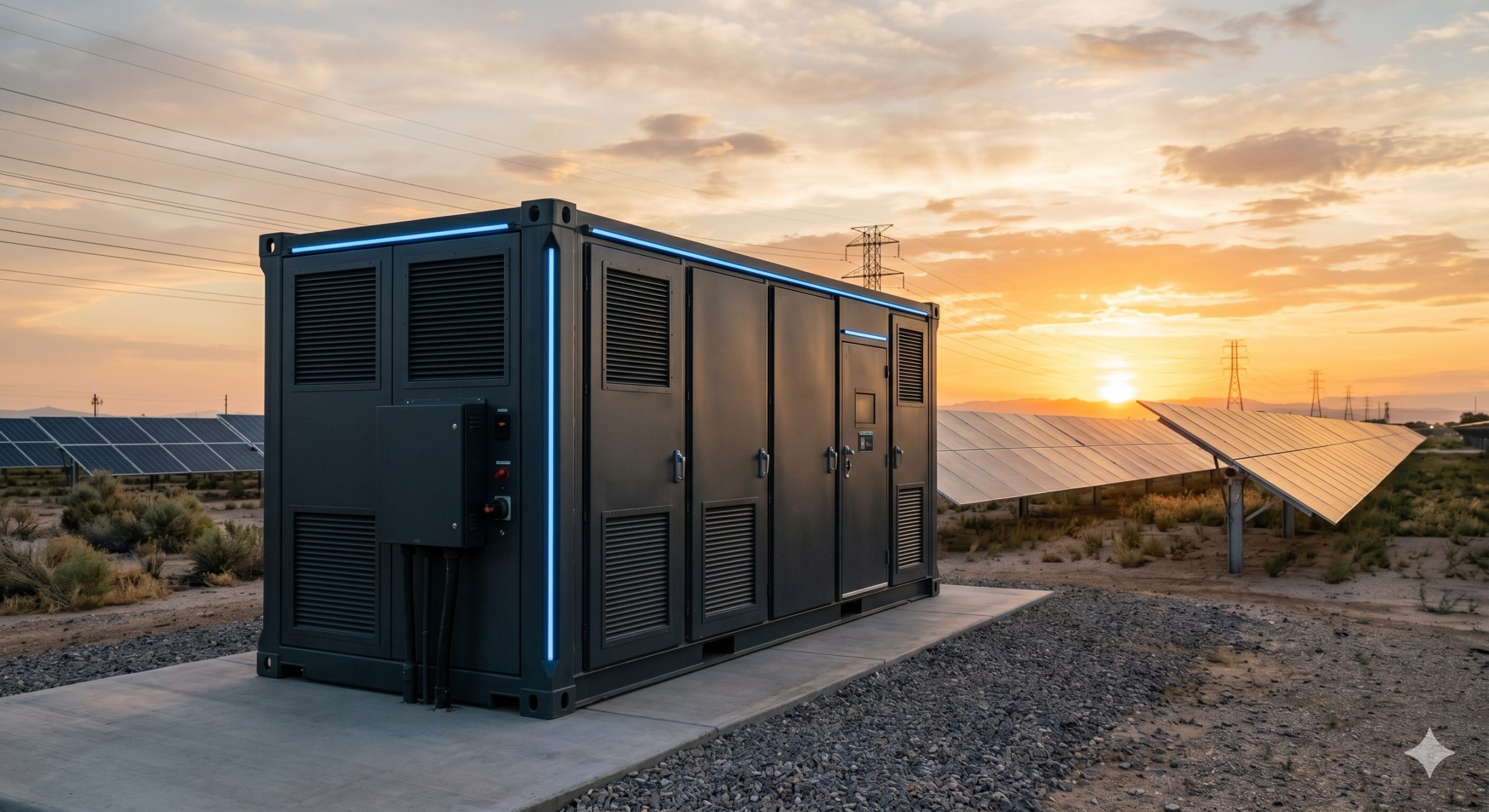
The MBS architecture integrates three primary subassemblies: the Battery Cabinet Array (BCA), the modular Power Conversion System (PCS) skid, and the centralized Energy Management System (EMS) controller. The BCA utilizes a series-parallel configuration of UL 1973 certified battery modules, each with independent contactor isolation. A three-layer safety protocol operates at the cell, module, and cabinet level: Cell-level thermal fuse and pressure relief vent; Module-level aerosol fire suppression initiation; Cabinet-level nitrogen injection (optional) and full Novec 1230 or FM-200 total flooding capability. The system achieves ingress protection rating IP55 for the battery enclosure (IP54 for PCS) and is certified for seismic zone 4 (IBC 2018) and -20°C to +50°C ambient operation with integrated HVAC.
KEY FEATURES
– True Modular Scalability: Expand from 1 to 12 battery cabinets in parallel on a shared DC bus, achieving energy increments of 215 kWh per cabinet without requiring additional PCS modules (up to 1MW PCS rating).
– Liquid Thermal Precision: Active liquid cooling maintains cell temperature gradient ΔT ≤ 3°C across all series-connected cells, extending calendar life to >15 years at 25°C average and enabling 2-hour, 1C continuous discharge cycles.
– Grid-Forming & Black Start: Standard bi-directional PCS supports both grid-following and grid-forming modes, with full black start capability for islanded microgrids (transition time <20 ms).
- Adaptive BMS with Cloud Analytics: Distributed Battery Management System (BMS) per module performs real-time impedance tracking and passive/active balancing (100mA active). Data is aggregated via Modbus TCP/RTU, CAN 2.0, or DNP3 to the EMS, with optional cloud-based battery second-life prognostic.
- Compliance-Ready Integration: UL 9540A thermal runaway fire testing completed; UL 1973, IEC 62619, and UN 38.3 certified. Ready for utility interconnection per IEEE 1547 and Rule 21.
COMPLIANCE & STANDARDS
Standards: UL 9540 (Energy Storage Systems), UL 1973 (Batteries), IEC 62619 (Secondary Cells for Industrial Applications), IEC 60730-1 (BMS functional safety), UN 38.3 (Transportation), IBC 2018 Seismic, NFPA 855 installation compliant. Certifications pending: CE, UKCA, VDE-AR-E 2510-50. The MBS is additionally designed to meet the requirements of the California Fire Code (CFC) and New York City FDNY (additional fire suppression option).
TECHNICAL SPECIFICATIONS
| Parameter | Specification |
|---|---|
| Nominal Energy (per cabinet) | 215 kWh / 372 kWh (optional high-capacity pack) |
| Usable Energy (90% DoD) | 193.5 kWh / 334.8 kWh |
| Nominal Voltage | 768 V DC |
| Voltage Range | 672 V DC – 876 V DC |
| Max Charge / Discharge Current | 280 A (0.5C) / 430 A (1C for 1 hour) |
| Cooling Method | Smart Liquid Cooling (Glycol-water, ΔT ≤ 3°C) |
| Cell Chemistry | Tier-1 LFP (Lithium Iron Phosphate) |
| Round-Trip Efficiency (DC) | 94% at 0.5C, 25°C, 90% DoD |
| Cycle Life | ≥8,000 cycles to 70% SOH at 0.5C, 25°C |
| PCS Topology | Bi-directional, 3-level IGBT, 500 kW to 1 MW aggregated |
| Grid Interface | 400 V / 480 V AC, 3-phase, 50/60 Hz, THD <3% |
| EMS Protocols | Modbus TCP/RTU, CAN 2.0, DNP3, IEC 61850 |
| Fire Safety | UL 9540A tested, Module-level aerosol + optional cabinet N2 |
| Ingress Protection | IP55 (battery cabinet), IP54 (PCS skid) |
| Operating Temperature | -20°C to +50°C (full power, with liquid cooling) |
| Standards | UL 1973, UL 9540, IEC 62619, UN 38.3, IBC Seismic 4 |
INDUSTRIAL DEPLOYMENT
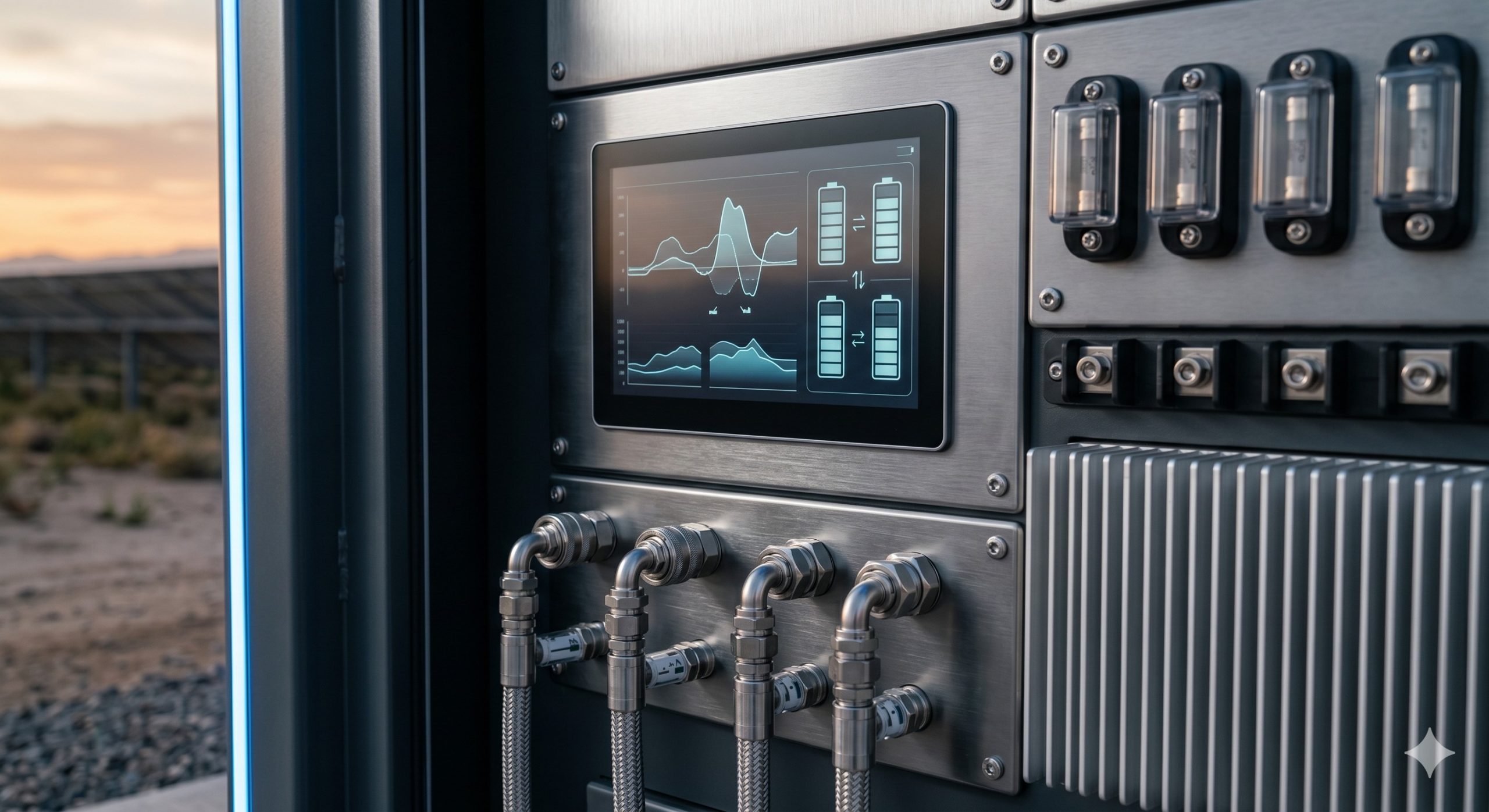
Typical deployment scenarios include: (1) Manufacturing facility load shifting with 2-hour peak shaving – MBS 430 kWh array paired with 250 kW PCS; (2) Fast-charging EV hub buffering – 500 kW / 1 MWh configuration, providing 6x 150kW DC fast chargers with demand cap; (3) Islanded micro-grid with PV – integration with up to 1 MWp solar via DC-coupling using optional MPPT input ports. Mechanical installation: Each cabinet footprint 600mm (W) x 1100mm (D) x 2150mm (H), weight approx. 2100 kg. Minimum service clearance 900mm front, 600mm rear. Ambient operating range: -20°C to +50°C at full power (derated >45°C). Storage temperature: -30°C to +60°C (no charge). Maximum altitude: 3000m (derate 1% per 100m >2000m).
📥 Download Technical Specification
Click the button below to view or download the full official PDF datasheet.