Introduction: The Era of the Containerized Microgrid
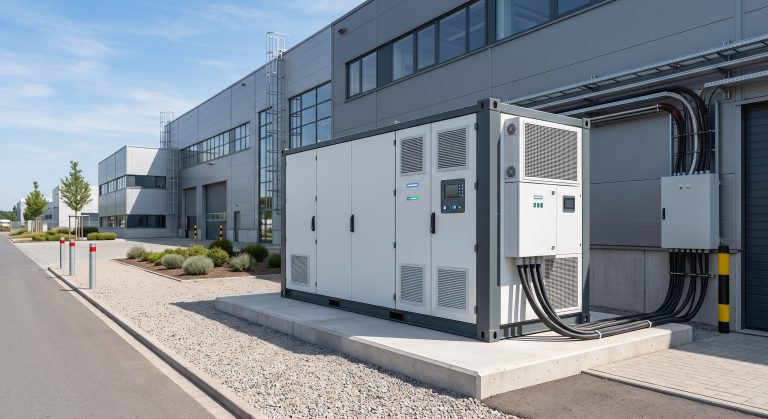
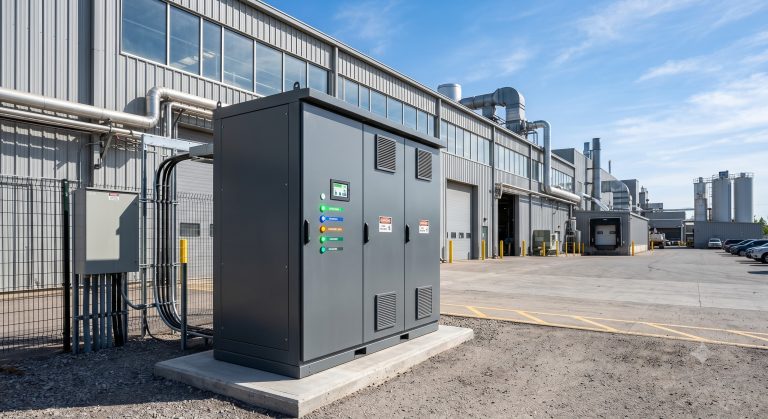
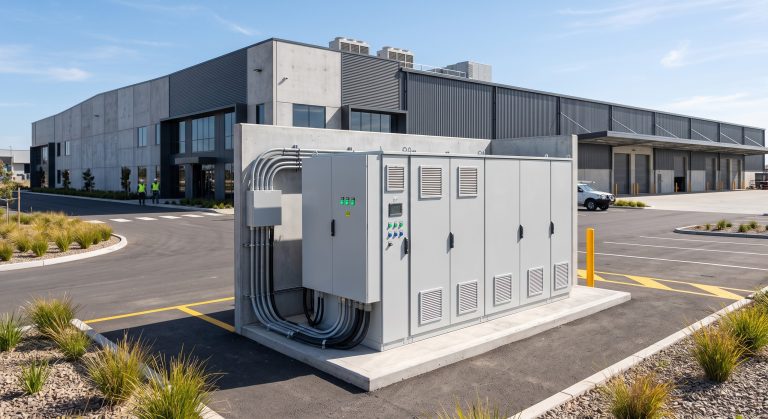
The global energy transition has accelerated the demand for reliable, scalable, and rapidly deployable power solutions. For commercial and industrial (C&I) facilities, energy security and cost management are paramount. Enter the Micro-grid container battery, a fully integrated, plug-and-play solution that brings utility-grade energy storage to the distributed grid. As highlighted by industry reports, the market for containerized BESS is projected to expand exponentially to support grid stability and clean energy integration . Unlike traditional, custom-built infrastructure, these modular systems offer a turnkey pathway to energy independence. This article provides a comprehensive blueprint for MWh-scale deployment, analyzing capacity sizing, technical specifications, and the commercial advantages of this transformative technology.
Core Architecture & Advanced Battery Management
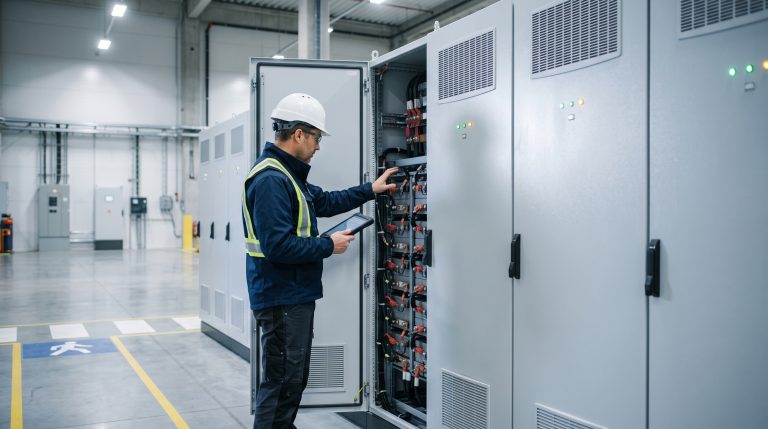
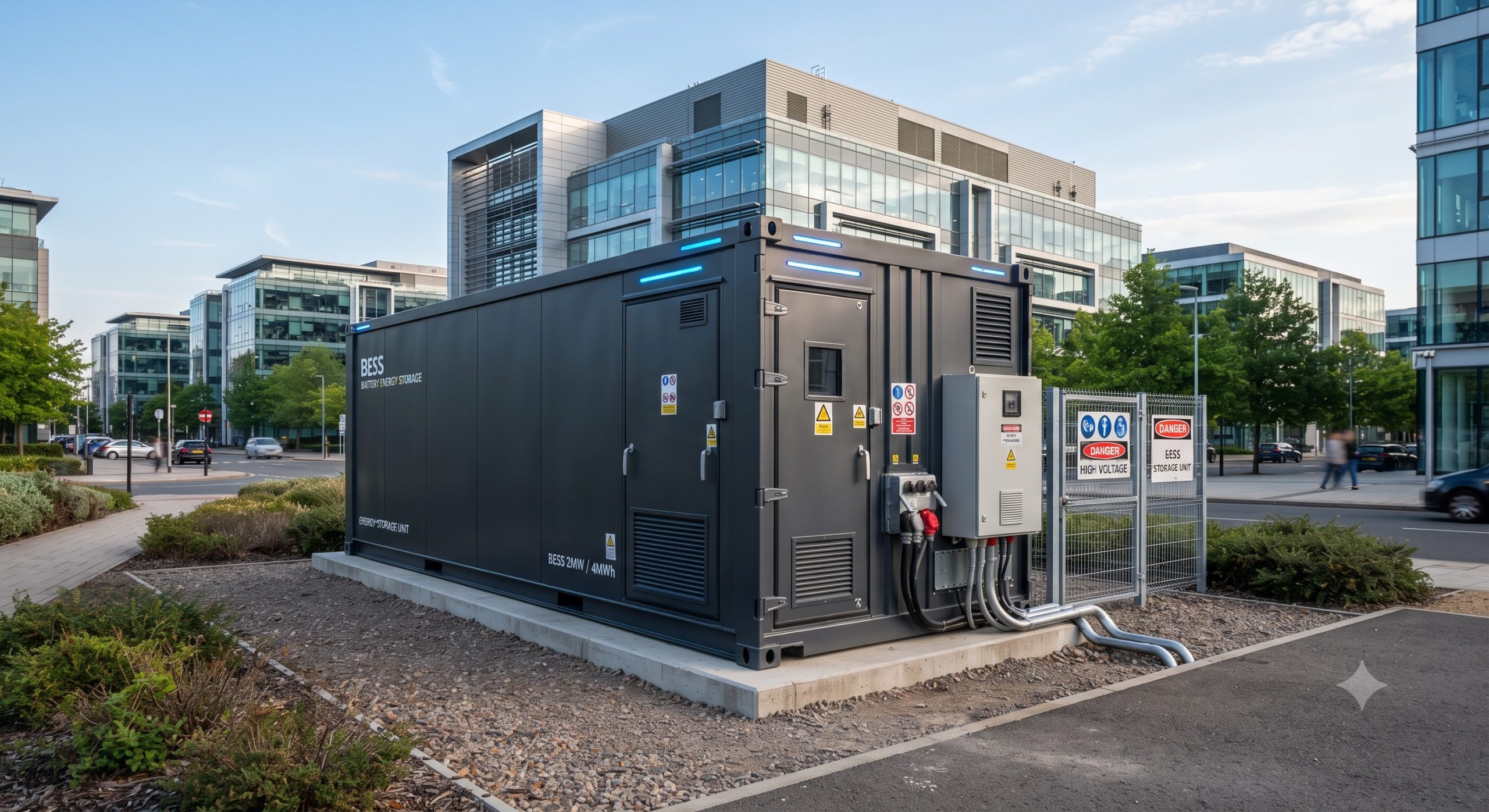
At the heart of any Micro-grid container battery is a sophisticated integration of hardware and software, designed for optimal performance and safety. The core components work in concert to manage energy flow intelligently.
Battery Chemistry and BMS Precision
Most leading solutions utilize Tier-1 Lithium Iron Phosphate (LFP) cells, chosen for their long cycle life, thermal stability, and reduced risk of thermal runaway compared to other chemistries . The Battery Management System (BMS) acts as the system’s guardian, continuously monitoring voltage, current, and temperature at the cell level. It performs critical cell balancing to ensure uniform aging and protect against over-charging or deep discharging, directly impacting the system’s lifespan and safety .
PCS and EMS Integration
The Power Conversion System (PCS) is the bi-directional interface between the battery’s DC storage and the facility’s AC grid. Advanced PCS units achieve high round-trip efficiency, often exceeding 95%, minimizing energy loss during charging and discharging cycles . The Energy Management System (EMS) serves as the system’s brain, utilizing real-time data to make autonomous decisions on energy dispatch. Modern EMS platforms can coordinate with solar PV, wind, diesel generators, and EV charging systems in real-time, optimizing for peak shaving, load shifting, or demand response .
Technical Specifications & Standards Compliance
For B2B procurement, understanding the technical specifications and compliance certifications is critical. The following table outlines key parameters for a typical high-capacity microgrid container battery system, based on current market offerings.
| Parameter | Specification / Value |
|---|---|
| Battery Chemistry | Tier-1 LFP (Lithium Iron Phosphate) |
| System Capacity | 500 kW / 1,044 kWh to 6.261 MWh (configurable) |
| Cycle Life | > 8,000 cycles @ 80-90% DoD |
| Round-trip Efficiency | ≥ 95% |
| Cooling Method | Liquid Cooling (Glycol-based) / Forced Air Cooling |
| Ingress Protection | IP54 – IP55 |
| Safety Certifications | IEC 62619, UL 9540, UN38.3, CE |
| Response Time | < 200 ms |
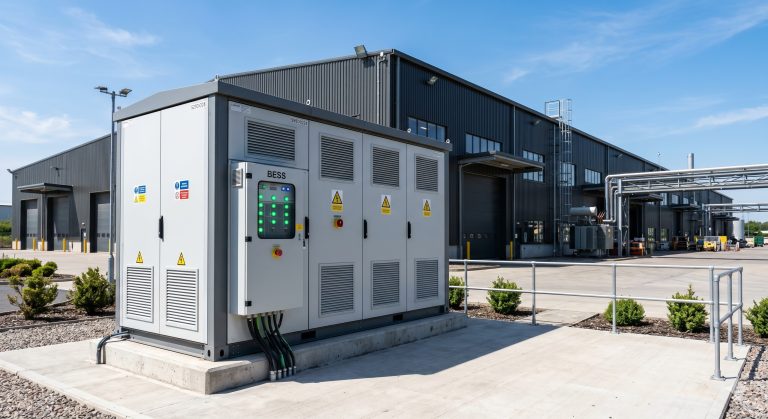
Adherence to international standards is non-negotiable for safety and insurability. Reputable systems are certified to IEC 62619 (safety requirements for industrial batteries), UL 9540 (standard for energy storage systems and equipment), UN38.3 (transportation safety), and CE marking .
Commercial ROI & Grid Support
For C&I enterprises, the decision to deploy a micro-grid container battery is often driven by a compelling Return on Investment (ROI) model. The primary revenue streams and cost-saving mechanisms include:
- Peak Shaving: By discharging stored energy during periods of high electricity demand, businesses can significantly reduce expensive demand charges on their utility bills .
- Demand Response (DR): Many grid operators offer incentives for customers to reduce load during peak events. A containerized BESS can respond in milliseconds to provide this capacity, generating revenue for the site owner .
- Renewable Integration: For facilities with solar PV, the BESS stores excess generation during the day for use at night, maximizing self-consumption and reducing reliance on the grid.
- Backup Power: The system provides islanding capabilities, ensuring critical operations continue during grid outages, which is invaluable for mission-critical applications .
Deployment Scenarios
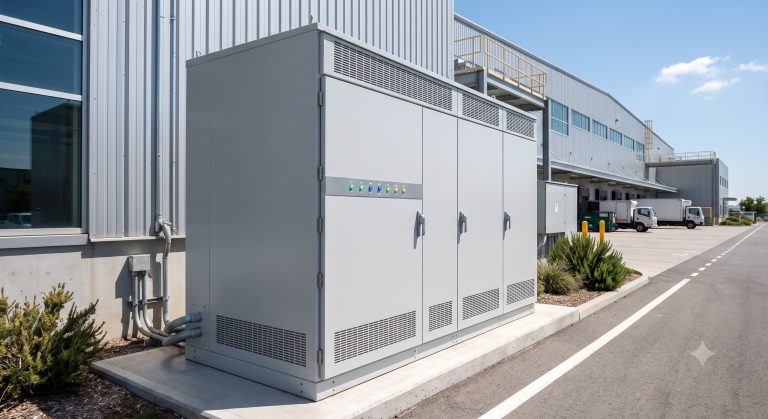
The modular nature of the Micro-grid container battery makes it adaptable to a wide range of deployment scenarios. Its ability to operate in harsh environments, with IP54 or IP55 ingress protection and C4 anti-corrosion ratings, ensures durability in diverse settings .
Typical deployment use-cases include:
- Industrial Parks and Manufacturing: Protecting against power interruptions and optimizing energy costs.
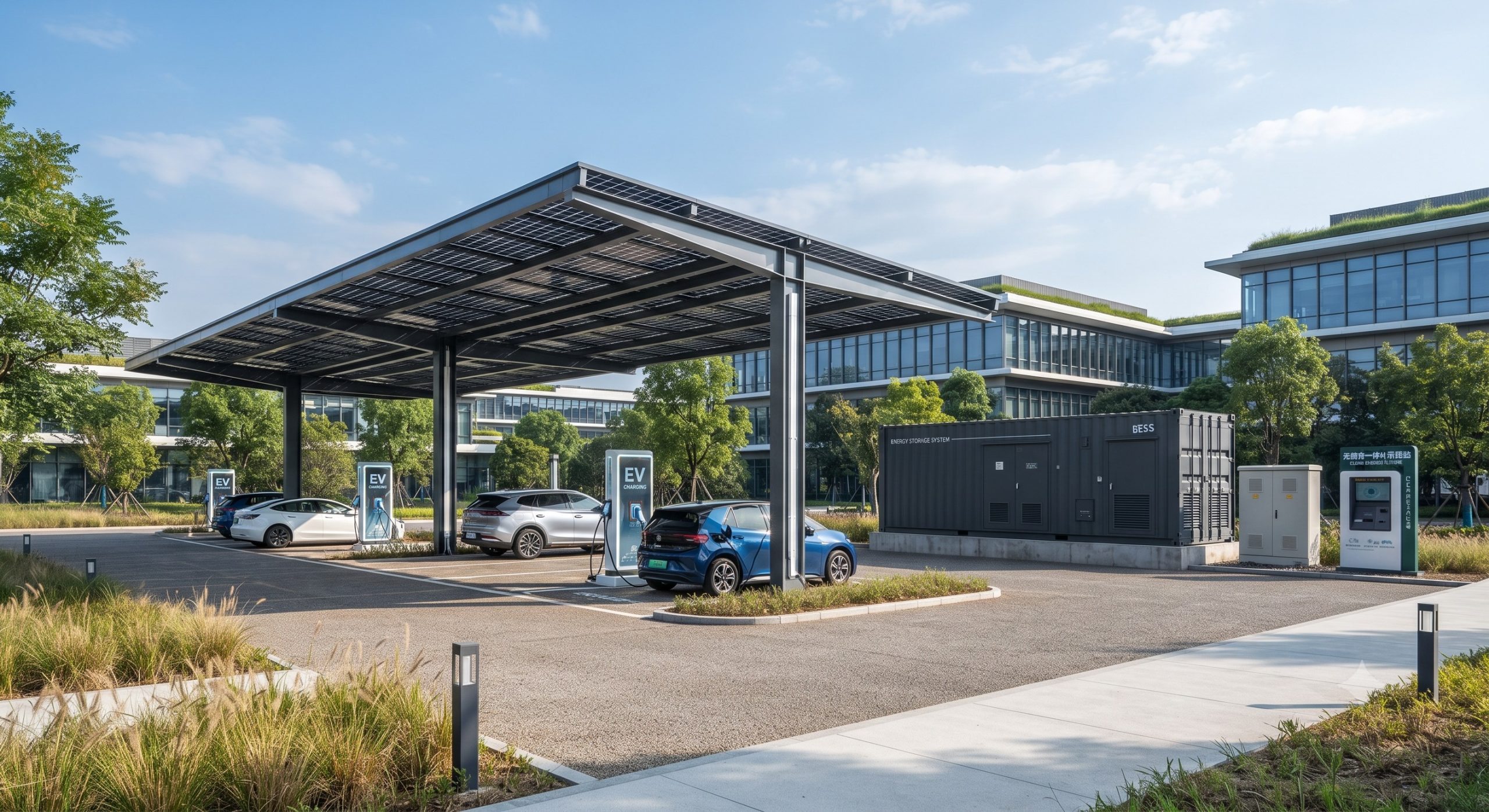
- PV-Storage-Charging (光储充) Hubs: Pairing with EV superchargers to alleviate grid strain and provide high-power charging, as seen in integrated solar canopy and microgrid systems .
- Remote Microgrids: Providing energy independence for remote communities, mining operations, and agricultural sites where grid access is negligible or cut off .
- Data Centers: Ensuring uninterrupted power for critical IT infrastructure.
Conclusion
The Micro-grid container battery has emerged as a cornerstone of the modern energy landscape, offering a pragmatic and powerful solution for C&I energy challenges. With capacities scaling into the MWh range, and featuring advanced liquid cooling, Tier-1 LFP cells, and robust safety compliance (UL 9540, IEC 62619), these systems deliver an unmatched combination of performance and safety . By enabling effective peak shaving, demand response, and renewable integration, they provide a clear path to both operational excellence and decarbonization. The containerized form factor ensures rapid deployment and scalability, making it the definitive choice for organizations looking to secure their energy future.