Overview
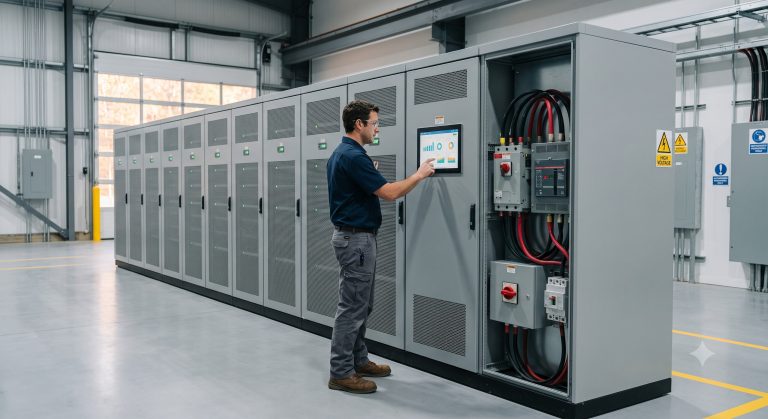
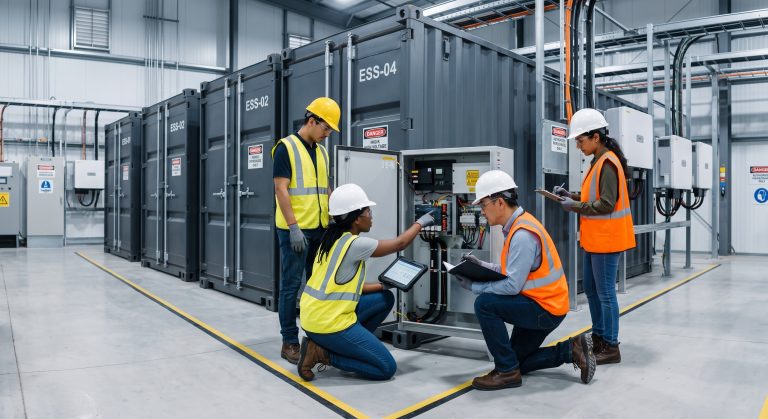
In the rapidly evolving B2B energy storage landscape, future-proofing your investment is paramount. As highlighted by industry analysts, while the global BESS market is set for massive growth, driven by VRE integration, the real value lies in systems that can adapt and scale with your operational demands . For commercial and industrial (C&I) facilities, modularity isn’t just a feature—it’s a strategic necessity. This FAQ addresses the critical questions plant engineers, procurement specialists, and facility managers have about the scalability and long-term viability of Wantage C&I energy storage systems.
Frequently Asked Questions
- Q1: Are Wantage C&I systems truly modular for future capacity upgrades?
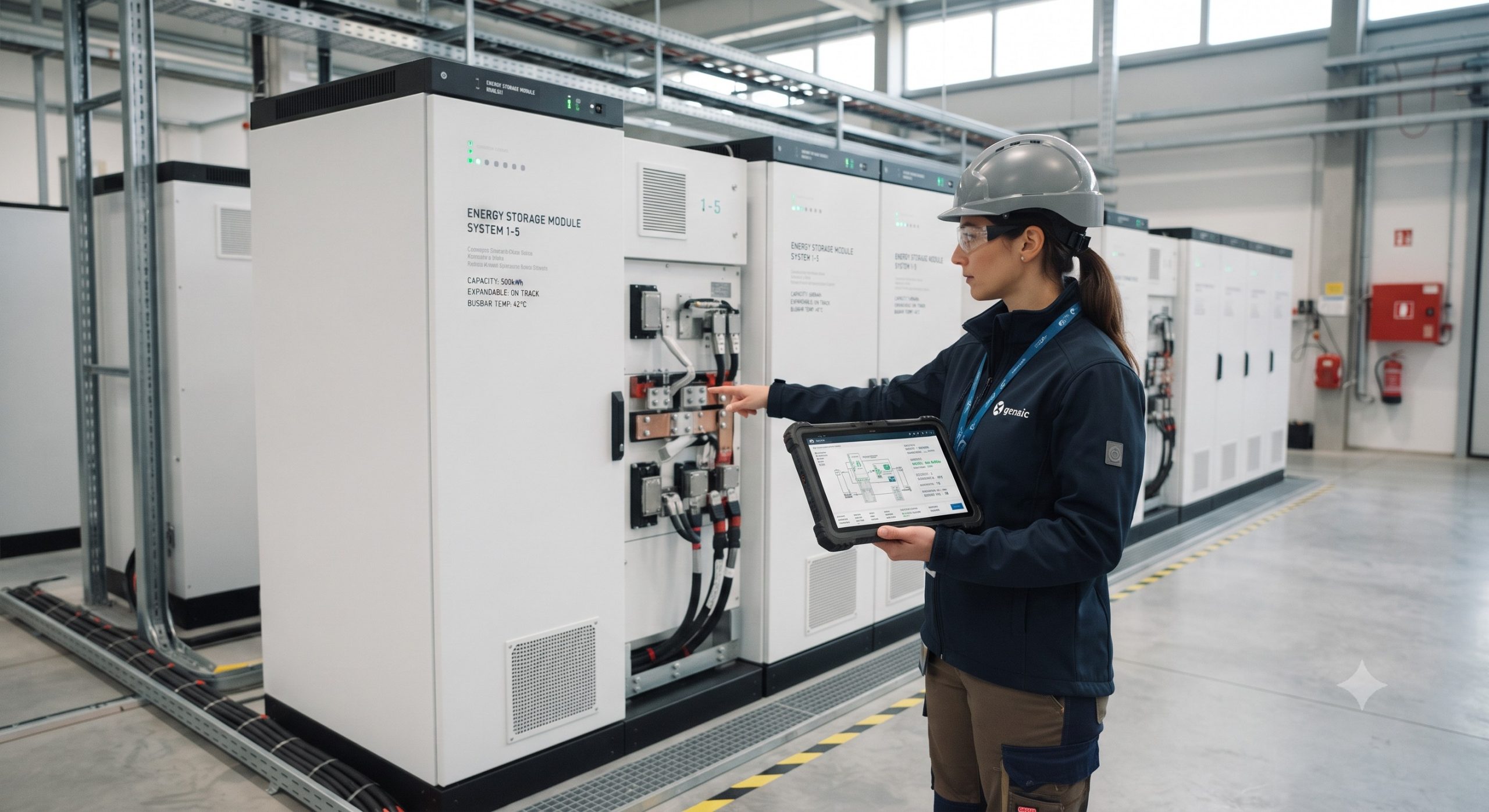
- Yes, Wantage C&I systems are designed with a fully modular architecture that supports straightforward capacity upgrades. This is achieved through standardized DC busbar linkages and parallel cabinet connectivity, allowing you to add power cabinets or battery modules as your energy needs grow without requiring a complete system overhaul .
- Q2: What battery chemistry is used, and what is the expected cycle life?
- Wantage systems utilize Tier-1 Lithium Iron Phosphate (LFP) battery cells, known for their long cycle life, thermal stability, and safety. The standard system is guaranteed to deliver a maximum cycle life of 6,000 cycles at 80% Depth of Discharge (DoD), ensuring reliable performance for well over a decade of daily use.
- Q3: How does the liquid cooling system support system longevity and performance?
- The advanced liquid cooling system actively manages core battery temperatures, ensuring they remain within an optimal range of 15°C to 35°C. This precise thermal management is critical for maximizing cycle life, maintaining high round-trip efficiency, and mitigating the risk of thermal runaway, contributing to a safer and more durable system .
- Q4: How can I calculate the ROI for a Wantage C&I system, including peak shaving and arbitrage?
- ROI is calculated by modeling the system’s ability to reduce peak demand charges (peak shaving) and shift energy consumption from high-cost on-peak periods to lower-cost off-peak periods (arbitrage). The key is to reduce your total Levelized Cost of Energy (LCOE) by avoiding high retail tariffs and capitalizing on spot price differences, a strategy that becomes increasingly viable as LCOE decreases .
- Q5: What are the grid-tie vs. off-grid configuration options for Wantage systems?
- Wantage systems are highly versatile and can be configured for both grid-tied and off-grid (islanding) operations. In grid-tie mode, they are engineered to support peak shaving, demand response, and grid frequency regulation. For off-grid or micro-grid applications, the Bi-directional Power Conversion System (PCS) allows for seamless islanding, providing reliable backup power and ensuring energy independence for critical industrial loads .
- Q6: What fire safety and thermal runaway prevention measures are integrated?
- Safety is a multi-layered priority. Wantage systems incorporate early gas and smoke detection sensors within each module, an active liquid cooling system that prevents conditions leading to thermal runaway, and multi-tier passive fire suppression mechanisms. The systems are rigorously tested and certified to meet strict international safety standards like UL 9540A and UL 1973 .
- Q7: How does the BMS monitor performance and ensure cell balancing?
- The integrated Active Battery Management System (BMS) provides real-time monitoring of voltage, current, and temperature at the cell level. It utilizes advanced inter-cell balancing protocols to maintain uniform charge states across all cells, which is essential for maximizing the overall capacity and extending the lifespan of the entire battery pack .
- Q8: What are the parallel scalability limits and how does busbar linkage work?
- Wantage systems offer significant parallel scalability, allowing you to connect multiple units or cabinets together to reach multi-MWh capacities. This is done through custom, high-conductivity DC busbar linkage, which provides a simple, low-resistance connection that allows the system to act as a unified energy block, similar to larger containerized solutions .