Introduction: The Commercial Mandate for Proactive Energy Storage Maintenance
In the rapidly evolving landscape of Commercial & Industrial (C&I) energy storage, the procurement of a Battery Energy Storage System (BESS) marks the beginning, not the end, of its value proposition. For facility managers and energy directors, the operational longevity and financial viability of a multi-megawatt hour asset hinge on a comprehensive energy storage after-sales maintenance strategy. As BESS deployments scale from 500 kWh to 10 MWh+ installations, the Total Cost of Ownership (TCO) is increasingly dictated by degradation rates, thermal management efficacy, and the responsiveness of technical support. This guide provides a system architect’s blueprint for maximizing ROI through a data-driven maintenance protocol.
Core Architecture & Battery Management System (BMS) Logic
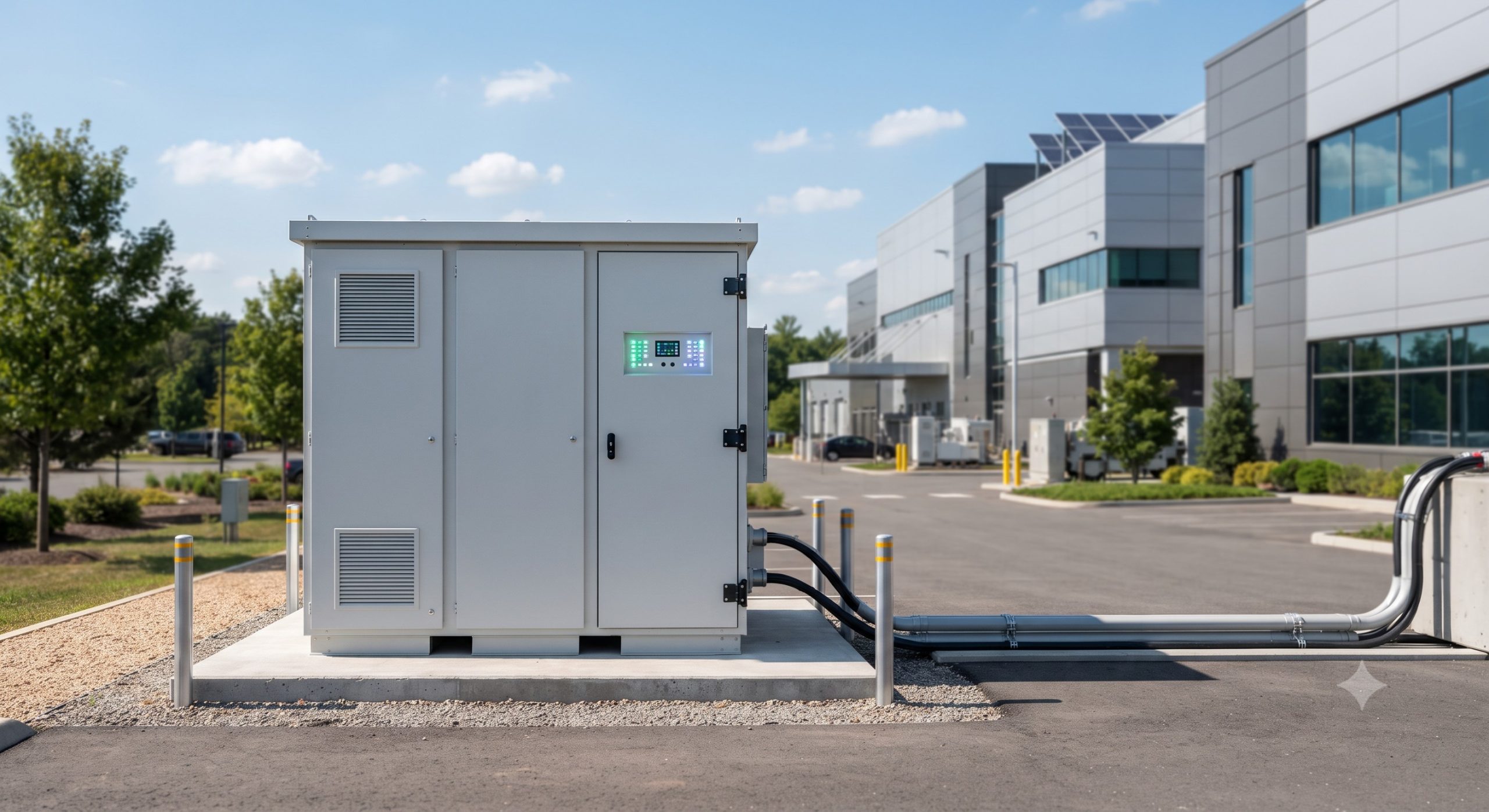
The cornerstone of effective after-sales care lies in understanding the system’s core hardware and software. Modern C&I BESS units leverage Tier-1 LFP (Lithium Iron Phosphate) cells, known for their thermal stability and extended cycle life. However, the system’s health is actively managed by the Battery Management System (BMS), which oversees cell balancing, voltage regulation, and temperature thresholds.
Depth of Discharge (DoD) and Cycle Life Correlation
Maintenance protocols must be calibrated against the operational DoD. For instance, a system operating at 90% DoD might achieve 8,000 cycles, while limiting to 80% DoD can extend cycle life beyond 10,000 cycles. After-sales maintenance schedules should include periodic recalibration of the BMS to ensure State of Charge (SoC) accuracy, preventing premature degradation. Advanced BMS software also facilitates remote diagnostics, a critical feature for reducing on-site service costs.
Thermal Control: Liquid Cooling vs. Air Cooling Efficiency
Thermal management is the single most critical factor affecting the calendar life of a BESS. For high-density C&I systems, liquid cooling has emerged as the superior standard. Liquid cooling systems maintain cell temperature differentials within ±2°C, compared to ±5°C for air cooling, significantly reducing the risk of thermal runaway and ensuring consistent round-trip efficiency.
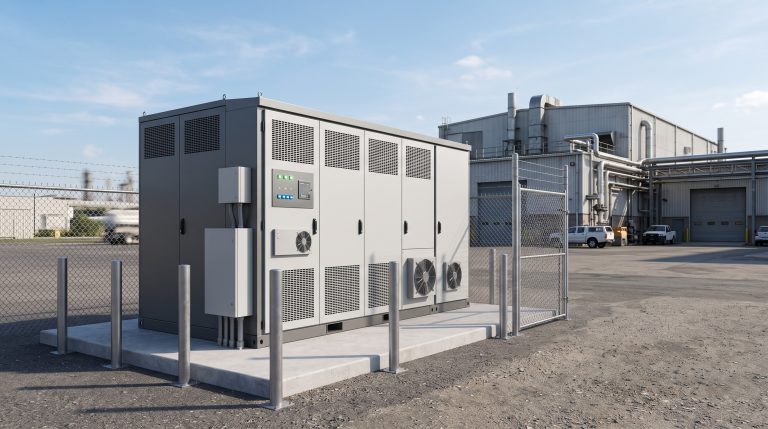
After-sales maintenance for liquid-cooled systems includes checking coolant levels, inspecting for micro-leaks in fluid pipeline connectors, and cleaning external radiator fins. Data from industrial park deployments shows that a well-maintained liquid cooling system can improve overall system efficiency by 3-5% annually, translating to direct energy arbitrage gains.
Technical Specifications & Compliance Mastery
A rigorous maintenance audit relies on understanding the baseline technical specifications. All Tier-1 systems must comply with international safety and performance standards. Maintenance documentation should reference these certifications to ensure all replacement parts and firmware updates are compliant.
| Key Parameter | Technical Specification |
|---|---|
| Battery Chemistry | Tier-1 LFP (Lithium Iron Phosphate) with high thermal stability |
| Cycle Life | >8,000 cycles @ 90% DoD (up to 10,000 cycles @ 80% DoD) |
| Safety Certifications | UL 9540, IEC 62619, CE, UN38.3 |
| Thermal Management | Advanced Liquid Cooling with ±2°C cell differential control |
| Round-trip Efficiency | ≥ 92% (Dependent on thermal regulation and PCS efficiency) |
Commercial ROI & Grid Support Integration
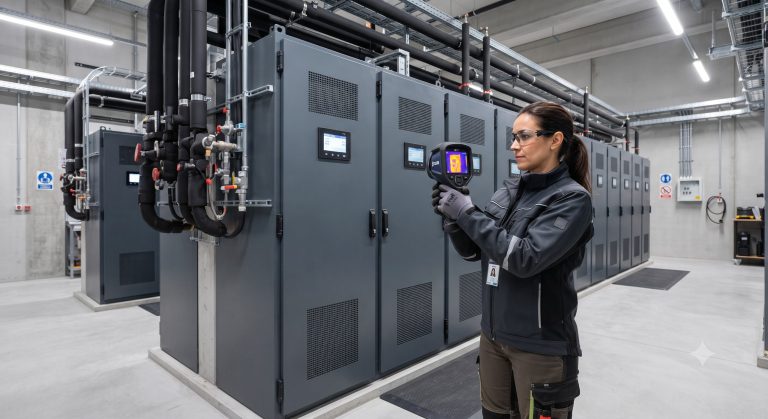
The economic argument for robust after-sales maintenance is rooted in LCOE (Levelized Cost of Energy) optimization. Reactive maintenance typically leads to a 15-20% increase in operational downtime, directly impacting peak-shaving revenue and demand response participation. A proactive maintenance schedule, including semi-annual thermal imaging and contactor resistance testing, ensures the BESS is VPP-ready, capable of executing frequency regulation commands within 100ms.
Furthermore, maintenance strategies must evolve to support future grid services. As utilities shift towards dynamic electricity pricing, the ability to dispatch stored energy during high-price windows requires absolute system reliability. Energy storage after-sales maintenance directly influences the asset’s ability to capture utility incentives and avoid expensive demand charges.
Deployment Scenarios: Industrial Parks and EV Supercharging
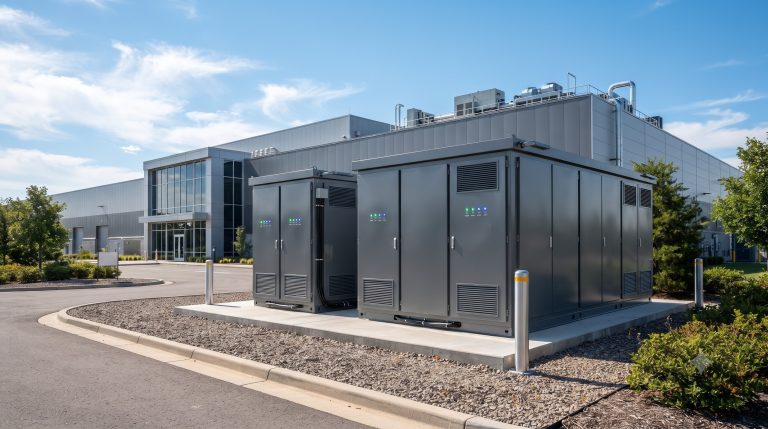
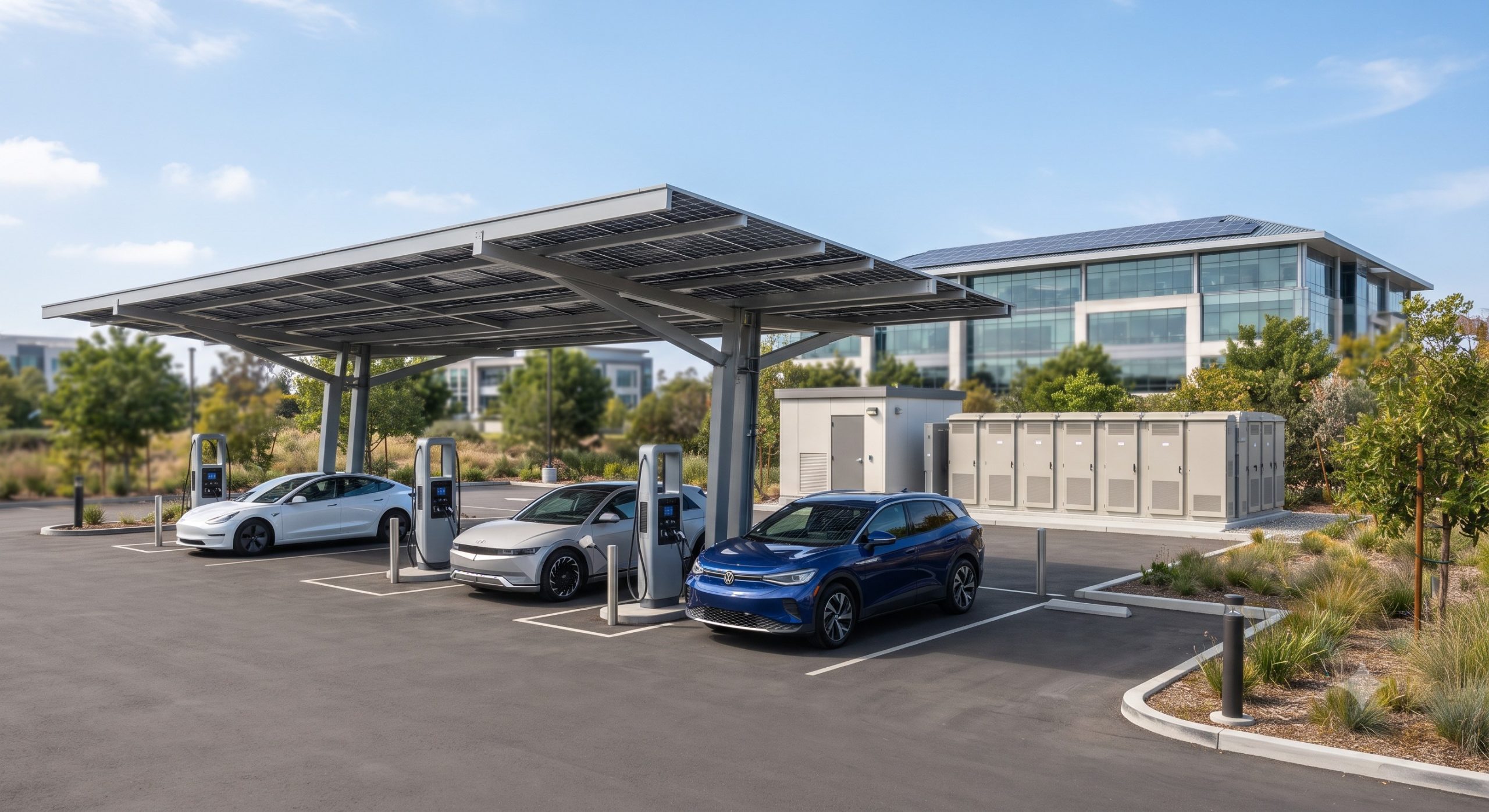
The application context dictates the maintenance frequency. In industrial parks with high dust and humidity, filters and liquid cooling systems require quarterly inspections. Conversely, for PV-storage-charging integration at EV supercharging stations, the focus shifts to power conversion system (PCS) health and the integrity of the DC busbar links, as the system experiences high-frequency, high-C-rate charge/discharge cycles during peak charging periods.
Conclusion: The Strategic Summary for Facility Directors
In conclusion, energy storage after-sales maintenance is not a cost center but a profit center. By adhering to data-driven metrics, ensuring compliance with UL 9540 and IEC 62619, and investing in advanced thermal management, C&I operators can guarantee a 20-year asset lifespan with minimal degradation. The future of energy independence is built on the reliability of our storage assets; a robust maintenance plan is the foundation.