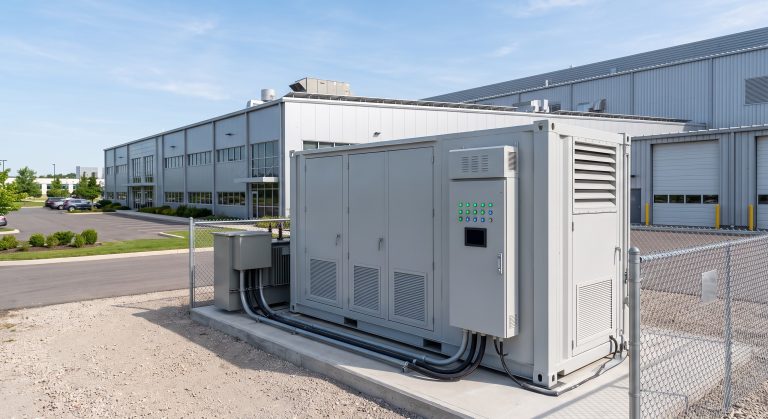
Introduction: The Critical Role of the Y-branch Connector in Modern Energy Storage Systems
As global commercial and industrial (C&I) energy storage deployments surge towards multi-MWh scales, the reliability of the entire system often hinges on a component that is frequently overlooked: the Y-branch connector. These seemingly simple devices are the backbone of power distribution within a Battery Energy Storage System (BESS), tasked with the critical job of splitting or combining high-current DC power. For procurement managers and system architects, the choice of a Y-branch connector impacts not just immediate CapEx, but also long-term OpEx, system round-trip efficiency, and compliance with rigorous safety standards like UL 9540 and IEC 62619. This ultimate guide provides a deep, data-driven analysis of the Y-branch connector, its architecture, its influence on system Levelized Cost of Energy (LCOE), and its vital role in grid support and demand response strategies.
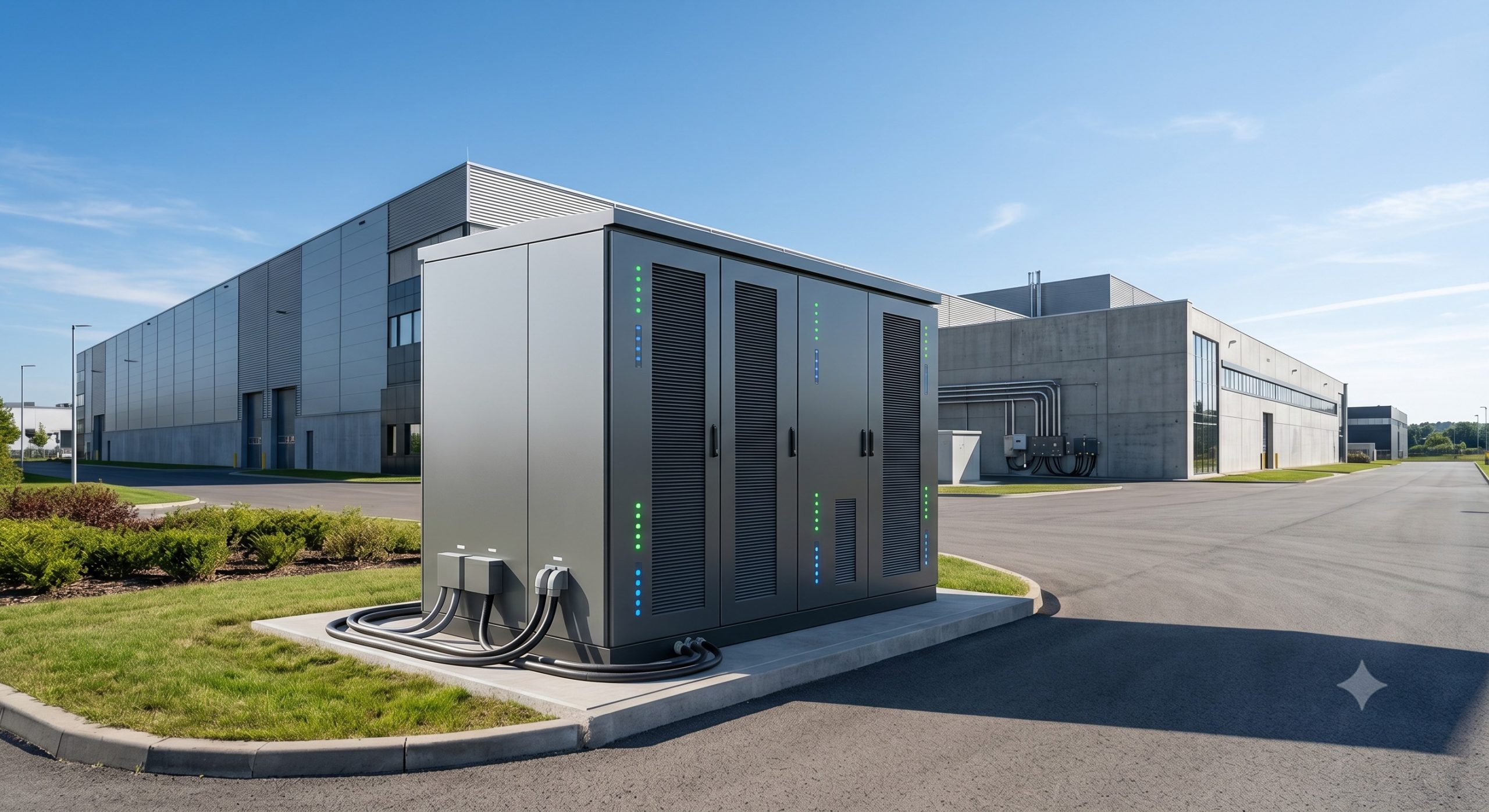
Core Architecture & Battery Management Integration
Electrical Architecture: High-Voltage DC Busbar Interconnection
In a typical C&I BESS, the Y-branch connector serves as a parallel busbar node. The architecture is designed for modular scaling, where multiple Tier-1 LFP battery packs, each operating at a nominal voltage of 768V or higher, converge onto a single main DC bus. The Y-branch connector facilitates this convergence, ensuring minimal voltage drop (typically below 10mV per 100A under 80% state of charge) and efficient current sharing. This configuration is essential for achieving the high system capacities demanded by industrial parks, often exceeding 10 MWh per installation.
Battery Management System (BMS) Synchronization and Cell Balancing
A high-quality Y-branch connector is not just a passive junction; its design is integral to active cell balancing strategies. Advanced BMS units, such as those compliant with IEC 62619, monitor each battery cluster. The Y-branch connector’s low contact resistance (< 0.1 mOhm) ensures that the BMS can accurately detect imbalances and execute passive or active balancing algorithms. This precision is critical for maintaining a Depth of Discharge (DoD) of up to 90% without compromising the >8000 cycle life, directly influencing the system’s TCO and ROI.
Smart EMS Dispatch and Demand Response Integration
The Y-branch connector also plays a key role in Smart EMS Dispatch and Demand Response (DR) events. When the Energy Management System (EMS) receives a signal to curtail load or inject power into the grid for Frequency Regulation, the integrity of the connector ensures instantaneous and uniform power flow from the batteries. This rapid response capability, measured in milliseconds, is vital for capturing utility incentives and supporting Virtual Power Plant (VPP) operations. The connector’s ability to handle peak surge currents (e.g., >200% of rated current for 1 second) without thermal degradation is a key engineering specification for grid support.
Technical Specifications: A Data-Driven Evaluation
The true quality of a Y-branch connector is defined by its ability to manage high power densities while ensuring safety. Key performance metrics are governed by industry standards including IEC 62619 (requirements for secondary lithium cells and batteries), UL 9540 (the standard for energy storage systems and equipment), and UN38.3 (for transportation safety). The following table outlines the critical specifications required for a Tier-1 supplier.
| Key Parameter | Technical Specification |
|---|---|
| Rated Voltage | Up to 1500V DC |
| Rated Current | > 400A (continuous) with capability for surge up to 800A |
| Contact Resistance | < 0.1 mOhm |
| Ingress Protection | IP67 / IP68 (dust-tight, water-proof for outdoor deployment) |
| Safety Certifications | Compliant with IEC 62619, UL 9540, UN38.3, CE, RoHS |
| Cycle Life Impact | Designed to support >8000 cycles @ 90% DoD without performance degradation |
| Operating Temperature | -30°C to +55°C (for full current rating) |
| Connector Material | Flame-retardant, halogen-free thermoplastic (UL94 V-0) |
Beyond these core specs, the connector’s engineering must also incorporate high-grade, flame-retardant materials (UL94 V-0) and robust ingress protection (typically IP67 or IP68). This ensures reliability in diverse outdoor environments, from high-dust industrial zones to coastal areas with high humidity, thereby supporting a stable round-trip efficiency of over 92%.
Commercial ROI & Grid Support: The Value Proposition of a Superior Connector
Reducing the Levelized Cost of Energy (LCOE)
The long-term Levelized Cost of Energy (LCOE) for a C&I storage project is critically sensitive to the efficiency of its balance of system (BOS) components. A high-quality Y-branch connector minimizes parasitic losses, ensuring that over 99% of the DC power generated by the batteries is available for either consumption or grid export. This efficiency, compounded over >8000 cycles and a system lifespan of over 15 years, directly reduces the effective LCOE. For a 1 MW/2 MWh system, a mere 0.5% increase in efficiency can translate to savings of over $10,000 in energy over the system’s lifespan.
Enabling Peak-Shaving and EV Supercharging Synergy
In peak-shaving applications, the Y-branch connector’s robust design allows for rapid discharge to cut peak demand charges. Its low resistance also facilitates the deployment of PV-Storage-Charging (光储充) synergy, where solar energy is stored and then rapidly discharged to power EV supercharging stations. This capability reduces the strain on the grid and provides a fast ROI by capturing time-of-use arbitrage and delivering high-power charging services at scale.
Deployment Scenarios: From Industrial Parks to Micro-Grids
The versatility of the modular Y-branch connector architecture allows for seamless integration across various C&I deployment scenarios. Its plug-and-play nature simplifies installation and scaling, reducing commissioning time and labor costs.
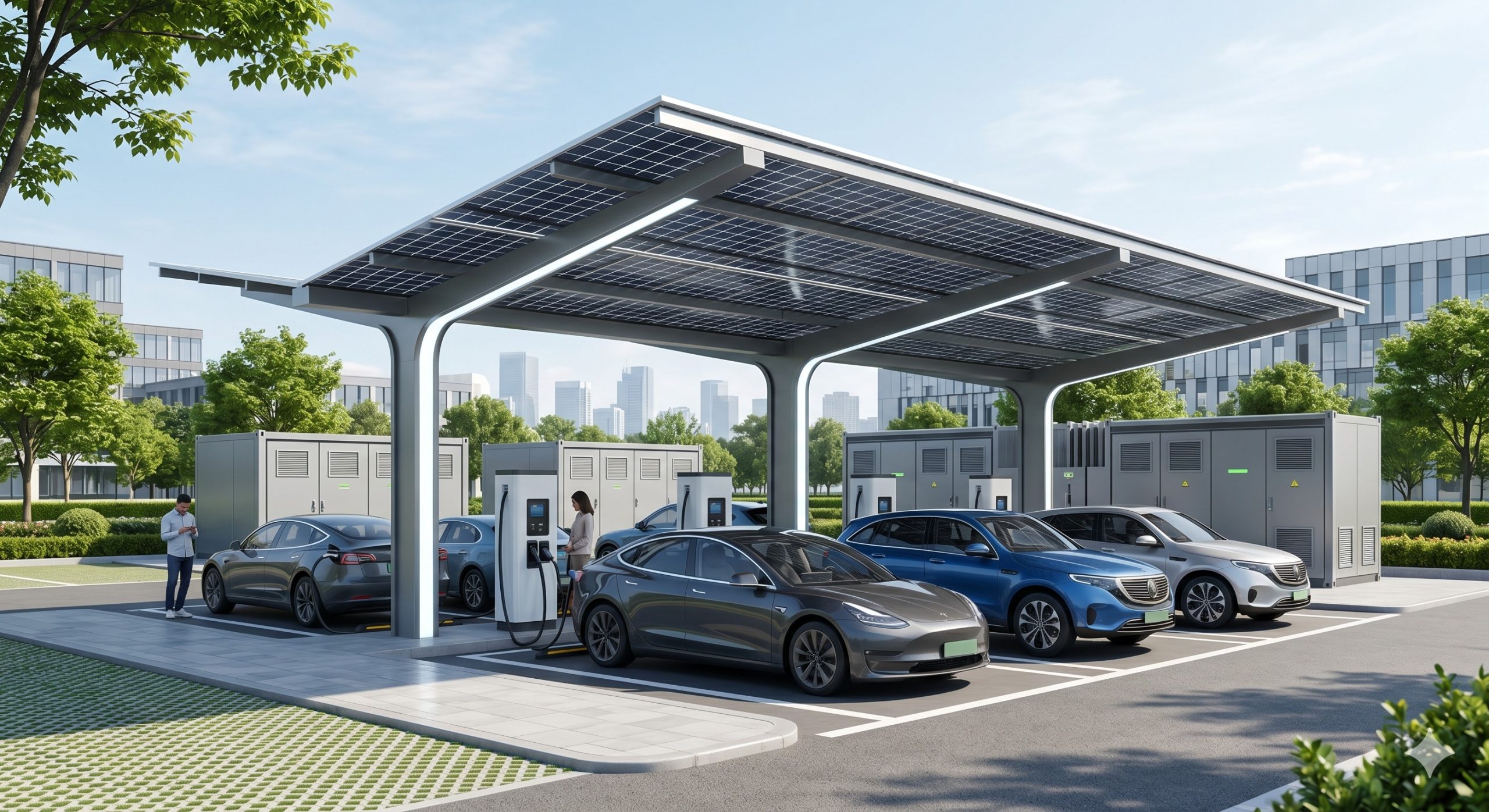
In Industrial Parks, the connector enables the creation of scalable, containerized ESS modules. As energy needs grow, additional battery clusters can be easily integrated by connecting them to the main busbar via Y-branch connectors, avoiding costly system overhauls. In Micro-Grids and EV Supercharging Hubs, the connector’s high current capacity ensures stable power delivery even during peak demand, supporting grid independence and reducing reliance on traditional diesel generators.
Conclusion: The Unsung Hero of Energy Storage Architecture
The Y-branch connector is far more than a simple cable accessory; it is a strategic component that determines the safety, efficiency, and commercial viability of a C&I energy storage system. By focusing on connectors with low contact resistance, high IP ratings, and compliance with stringent global standards like UL 9540 and IEC 62619, procurement professionals can significantly enhance system performance, reduce LCOE, and ensure a rapid return on investment. As the industry moves towards MWh-scale deployments, the meticulous selection of this critical junction is non-negotiable for building resilient, future-proof energy assets.