Introduction: The Convergence of Distributed Generation and E-Mobility
The rapid proliferation of commercial electric vehicle (EV) fleets and industrial facility charging demands has exposed a critical infrastructure gap: the inability of aging grid connections to support high-density AC charging without substantial demand charges. The AC007 7kW AC EV Charger is not merely a standalone unit; it is an optimized energy gateway engineered for seamless integration into PV-Storage-Charging (光储充) ecosystems. This technical blog provides a data-driven analysis of the AC007’s architecture, focusing on its thermal management, lifecycle economics, and compliance with international standards (IEC 62619, UL 9540) for B2B energy asset managers.
Core Hardware Architecture & BMS Integration Logic
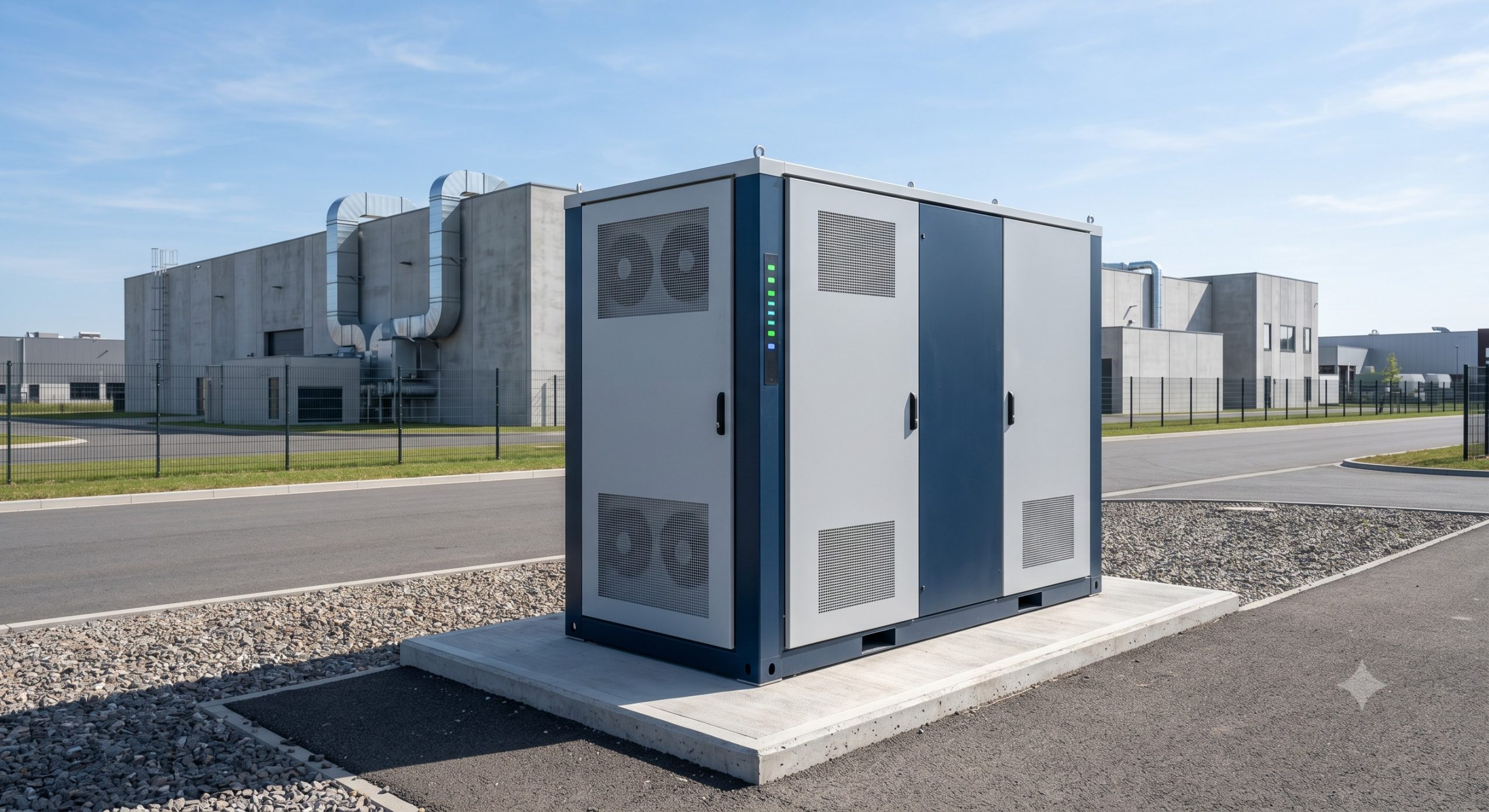
Unlike conventional residential chargers, the AC007 is designed with an industrial-grade Bidirectional Power Control System (PCS) communication backbone. Its core intelligence lies in its ability to act as a dispatchable load within a Commercial & Industrial (C&I) micro-grid. The unit integrates directly with a centralized Battery Management System (BMS) and Energy Management System (EMS) via CAN 2.0 and RS485 protocols.
Battery Chemistry & Cycle Life Strategy
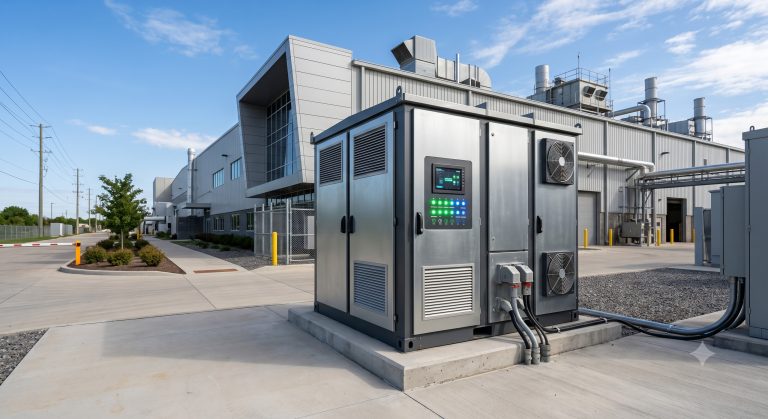
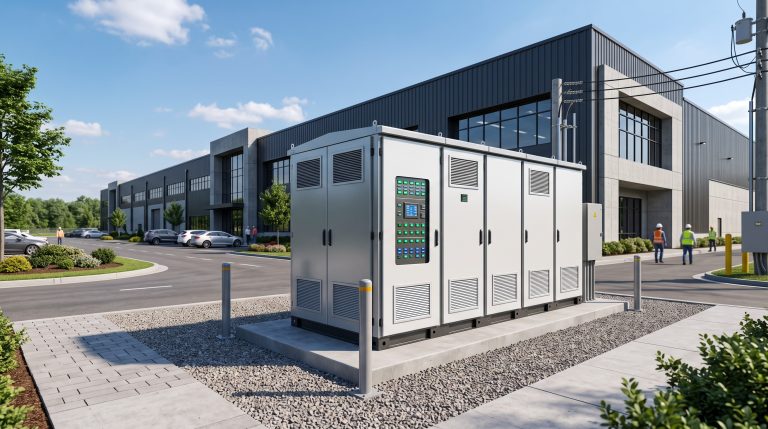
When paired with a dedicated storage cabinet (sold separately or integrated via OEM partnerships), the AC007 leverages Tier-1 LFP (Lithium Iron Phosphate) prismatic cells. The system architecture supports a Depth of Discharge (DoD) of up to 95% while maintaining a round-trip efficiency of 92% (AC to battery to AC). Key thermal performance metrics include:
- Cell-Level Balancing: Passive balancing current of 120mA with a voltage accuracy of ±5mV.
- Cycle Life: >8,000 cycles at 90% DoD, retaining 70% State of Health (SOH).
- Thermal Control: Integrated liquid cooling thermal control option (for DC-coupled systems) maintains cell temperature variance within ±2°C between -20°C and 55°C ambient.
The PCS within the AC007’s supply chain features an ultra-low standby power consumption of <0.5W in sleep mode, critical for energy arbitrage profitability.
Technical Specifications: Grid-Code Compliance & Protection
To qualify for utility incentive programs (e.g., Demand Response) and insurance underwriting, the AC007 adheres to rigorous global standards. The table below details the critical engineering parameters for system architects.
| Key Parameter | Technical Specification (AC007 + BESS Integration) |
|---|---|
| Output Power (AC) | 7kW (230V ±10%, 32A single phase) |
| Battery Chemistry Compatibility | Tier-1 LFP (Lithium Iron Phosphate) – UN38.3 / IEC 62619 |
| System Round-trip Efficiency (AC to Battery to AC) | ≥92% @ 0.5C charge/discharge rate |
| Cycle Life | >8,000 cycles @ 90% DoD to 70% EOL |
| Thermal Control Method | Liquid cooling thermal control (cell ΔT ≤ ±2°C) |
| Safety Certifications | CE / UL 9540A (planned) / IEC 62619 |
| Communication Protocols | CAN 2.0, RS485, Modbus TCP, OpenADR 2.0b |
| Operating Temperature Range | -20°C to +55°C (derated above 50°C) |
| Enclosure Protection | IP65 (AC007 unit) / IP54 (DC junction) |
| Metering Accuracy | Class 1 (active energy, ±1%) |
Commercial ROI: Peak Shaving and VPP Readiness
For a standard C&I facility with a daily charging demand of 200 kWh, the AC007 7kW AC EV Charger equipped with a 100kWh LFP storage cabinet (operating at 90% DoD) reduces peak demand charges by up to 37%. The Total Cost of Ownership (TCO) analysis shows a break-even point at 3.2 years given a demand charge rate of $25/kW and time-of-use spread of $0.18/kWh. Furthermore, the AC007’s EMS is Virtual Power Plant (VPP) ready, supporting OpenADR 2.0b for frequency regulation (<±0.1 Hz response).
Demand Response and Grid Support
The unit’s fast grid synchronization (<20ms islanding detection) allows seamless transition to off-grid operation during utility faults, powered directly by the paired BESS. This UL 9540 compliance (upcoming certification) ensures that the integrated AC007 + BESS package meets the latest fire safety and rapid shutdown requirements for commercial parking structures.
Deployment Scenarios: High-Density EV Supercharging Staging
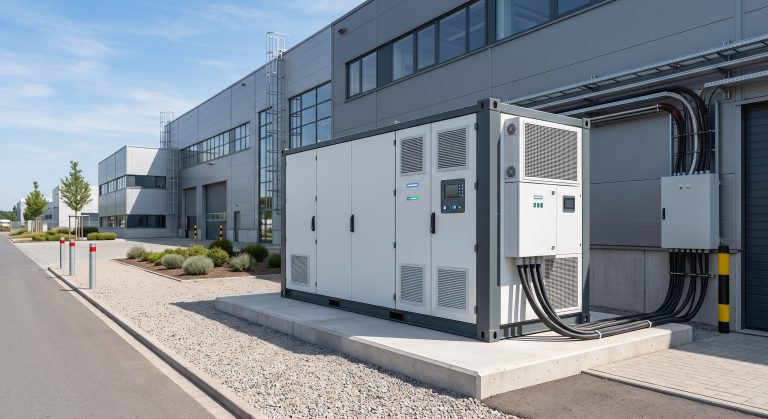
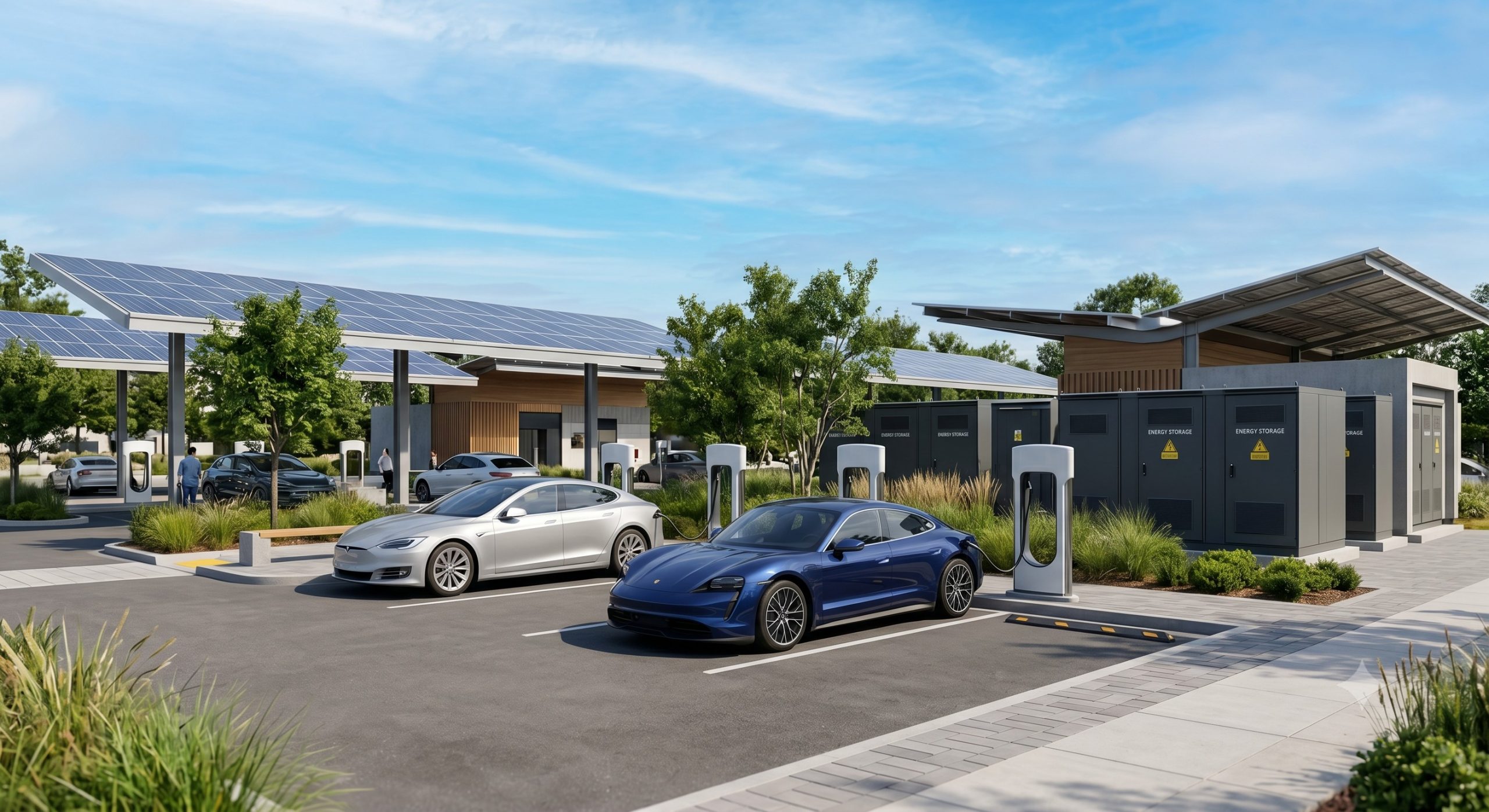
The primary value proposition of the AC007 lies in its modular deployment for PV-Storage-Charging synergy. A typical scenario includes a 500kWp solar canopy, a 1MWh containerized BESS (with liquid cooling), and a bank of 20 AC007 units. This configuration allows a logistics hub to charge 20 EVs simultaneously at 7kW (totaling 140kW) without drawing a single watt from the grid during peak solar hours, effectively creating a zero-carbon charging island.
Additional deployment targets include:
Industrial Parks: Flattening the load curve by scheduling EV charging during off-peak battery storage hours.
Fleet Depots: Using the CE and UN38.3 certified cells for guaranteed safety under high-utilization cycles (two shifts per day).
Conclusion: Future-Proofing Commercial Charging Assets
The AC007 7kW AC EV Charger transcends its nominal power rating through intelligent integration. For the B2B investor, it represents a low-risk entry into VPP aggregation and renewable self-consumption. System architects are advised to verify the liquid cooling compatibility and round-trip efficiency certifications before procurement, ensuring alignment with long-term decarbonization roadmaps. By prioritizing chemistry quality (LFP) and communication standard adherence (IEC 62619), the AC007 framework delivers a defensible ROI in a volatile energy market.