Introduction: The New Power Backbone for Off-Grid Mining Operations
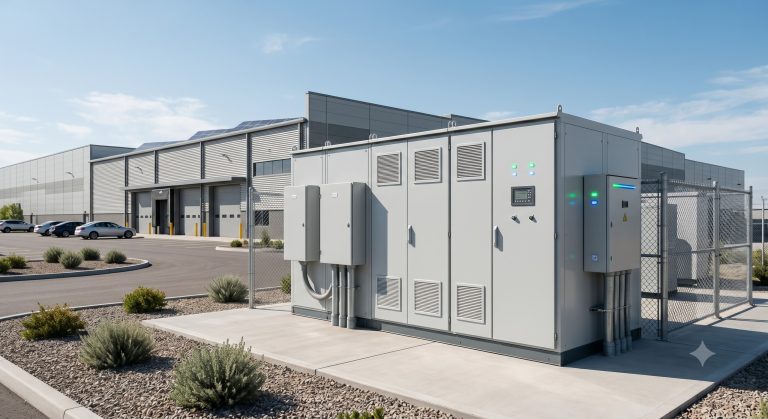
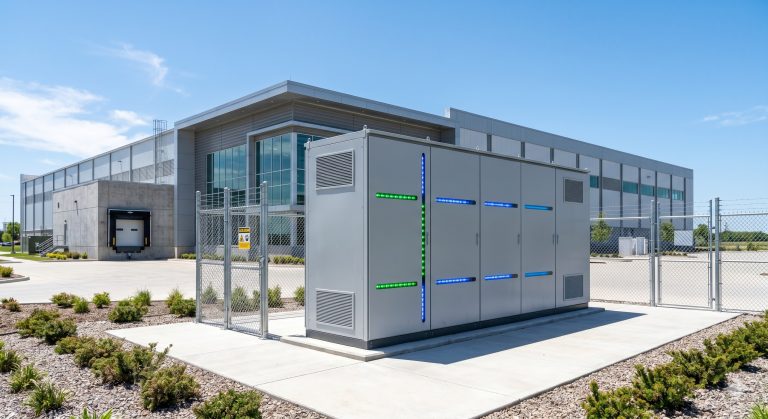
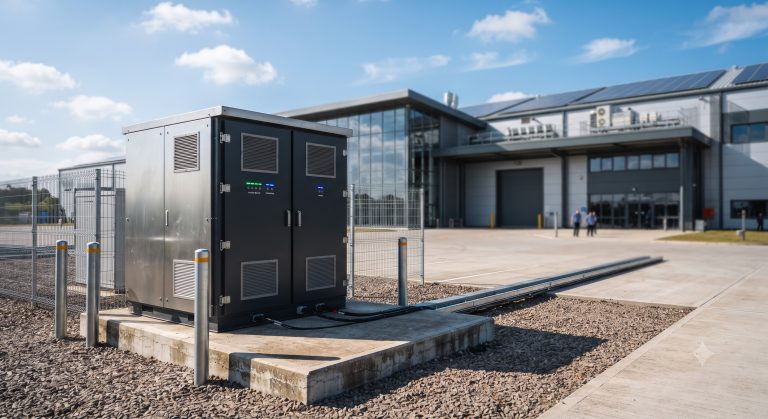
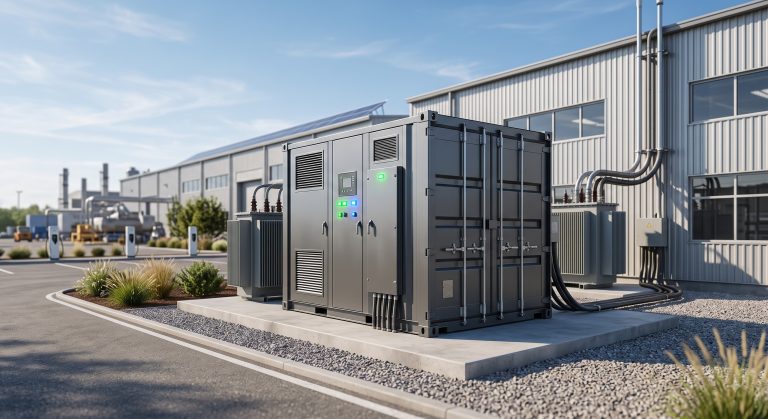
The global mining industry is undergoing a profound energy transition. Faced with volatile diesel prices, stringent environmental regulations, and the operational risks of unreliable grid connections, mining sites are increasingly turning to containerized Battery Energy Storage Systems (BESS) as a strategic asset. A mining site container BESS is no longer merely a backup power source; it is an intelligent, high-capacity energy management hub designed to withstand extreme dust, altitude, and temperature conditions.
This technical deep-dive provides a comprehensive analysis of the architecture, thermal management, and economic viability of modern containerized BESS solutions tailored for the mining sector. We will examine how advanced liquid cooling and Tier-1 LFP cell integration are redefining performance metrics such as cycle life, round-trip efficiency, and total cost of ownership (TCO) for heavy industrial applications.
Core Architecture & Battery Management: Engineering for Resilience
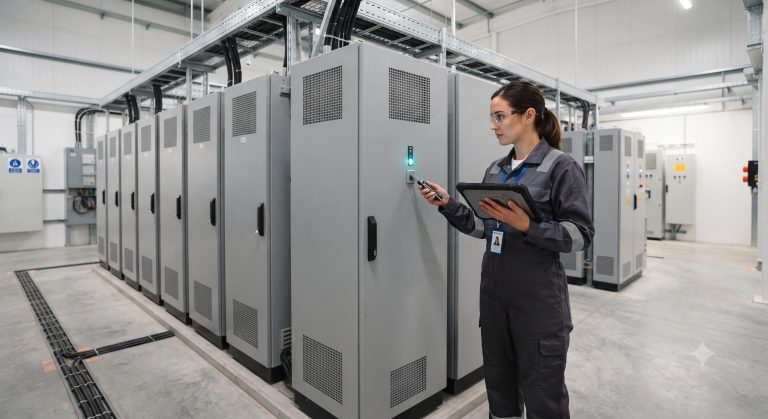
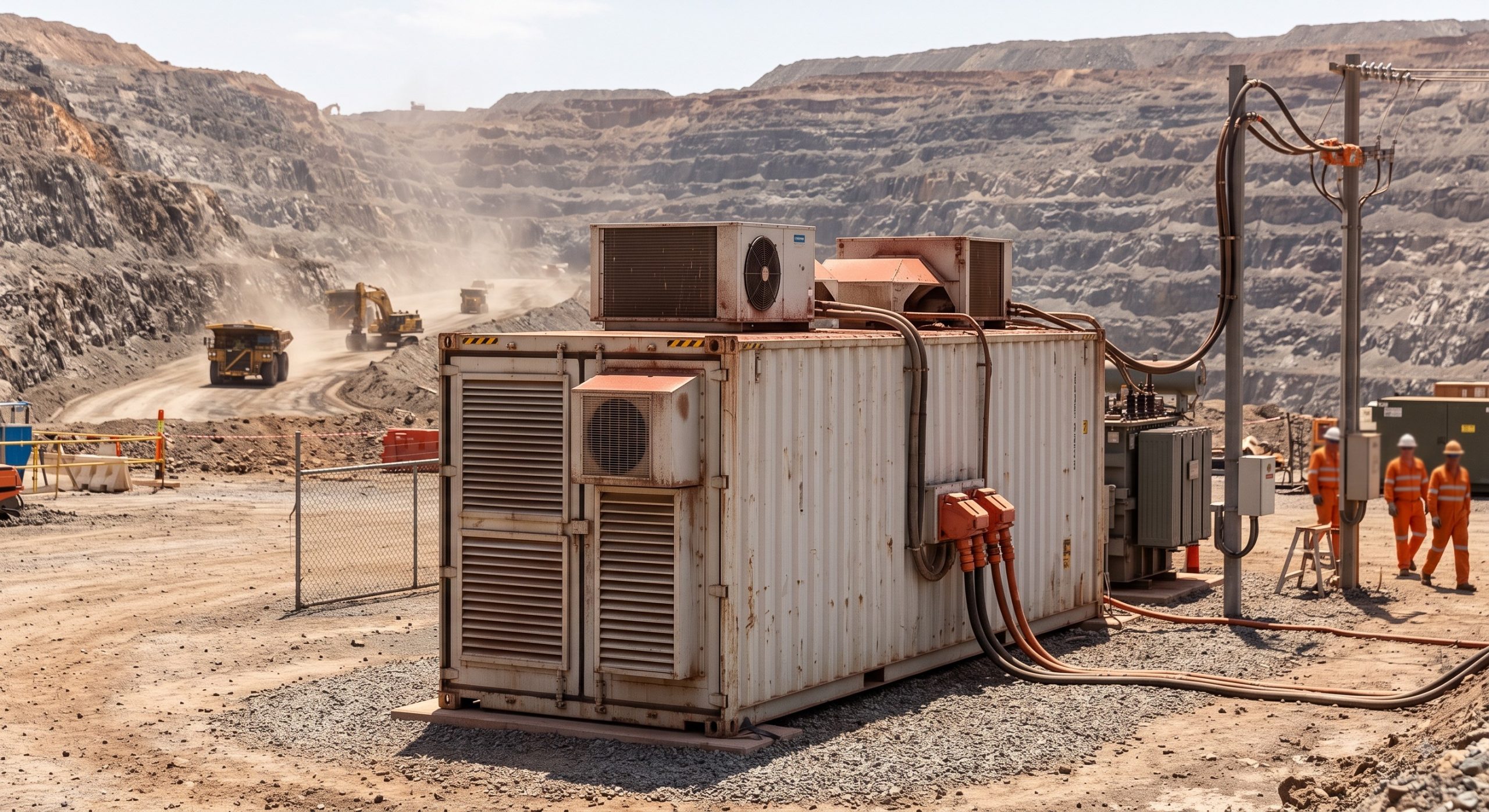
The foundational architecture of a high-grade mining site container BESS is built around three critical pillars: the battery pack, the Power Conversion System (PCS), and the Energy Management System (EMS). Unlike standard commercial units, mining variants feature reinforced structural integrity (IP65 or higher) and advanced filtration to protect against conductive dust and vibration.
Battery Chemistry & Cell Selection: The Tier-1 LFP Advantage
For heavy cycling applications, the choice of cell chemistry is non-negotiable. Tier-1 Lithium Iron Phosphate (LFP) batteries have emerged as the industry standard due to their intrinsic thermal stability and superior cycle life. Typical mining site container BESS modules utilize prismatic LFP cells certified to UN38.3 for transport and IEC 62619 for industrial safety. These cells offer a nominal voltage of 3.2V and support a Depth of Discharge (DoD) consistently up to 90%, delivering over 8000 cycles to 60% State of Health (SOH).
PCS & EMS Smart Dispatch
The bi-directional PCS facilitates seamless grid-tied and off-grid transition, a critical feature for mines operating in remote regions. Modern units feature modular PCS architectures (500kW to 1500kW) with peak efficiencies exceeding 98.5%. The EMS utilizes predictive algorithms to manage peak-shaving, frequency regulation, and load-following. This ensures the BESS can dynamically respond to the high inrush currents of crushing mills or conveyor belts, preventing costly voltage sags.
Thermal Control: Liquid Cooling vs. Air Cooling
Heat is the primary enemy of battery longevity. On-site ambient temperatures in open-pit mines can exceed 50°C, necessitating robust thermal management. While forced-air cooling systems are cost-effective, they struggle with maintaining cell-to-cell temperature uniformity under high C-rates.
Liquid Cooling technology is rapidly becoming the gold standard for high-capacity mining site container BESS. By circulating dielectric coolant through cold plates in direct contact with the battery modules, liquid cooling maintains cell temperature differentials to within +/-2°C. This uniformity is crucial for reducing impedance growth and ensuring equal aging across all cells. The integrated heating function also ensures optimal performance (0°C to 45°C) in cold climates, offering a distinct thermal efficiency advantage over air-based systems for year-round reliability.
Technical Specifications & Compliance
The following table details the critical parameters that procurement engineers and system architects must evaluate when specifying a mining site container BESS. Emphasis is placed on regulatory compliance (UL 9540, CE) and performance safety metrics.
| Key Parameter | Technical Specification (Typical 2.5MWh Configuration) |
|---|---|
| Battery Chemistry | Tier-1 LFP (Lithium Iron Phosphate) – Prismatic Cells |
| System Capacity | 2.5 MWh (Expandable to MWh-Scale via parallel connection) |
| Nominal Voltage | 768V – 1500V DC |
| Cycle Life (SOH 80%) | >8000 cycles @ 90% Depth of Discharge (DoD) |
| Round-Trip Efficiency (RTE) | >92% (DC/AC, incl. PCS losses) |
| Thermal Management | Liquid Cooling (Coolant circulation) with active heating |
| Safety Compliance | UL 9540, IEC 62619, CE, UN38.3 (Transport) |
| Fire Suppression | Aerosol / Novec 1230 with multi-zone detection |
Commercial ROI & Grid Support: Reducing LCOE
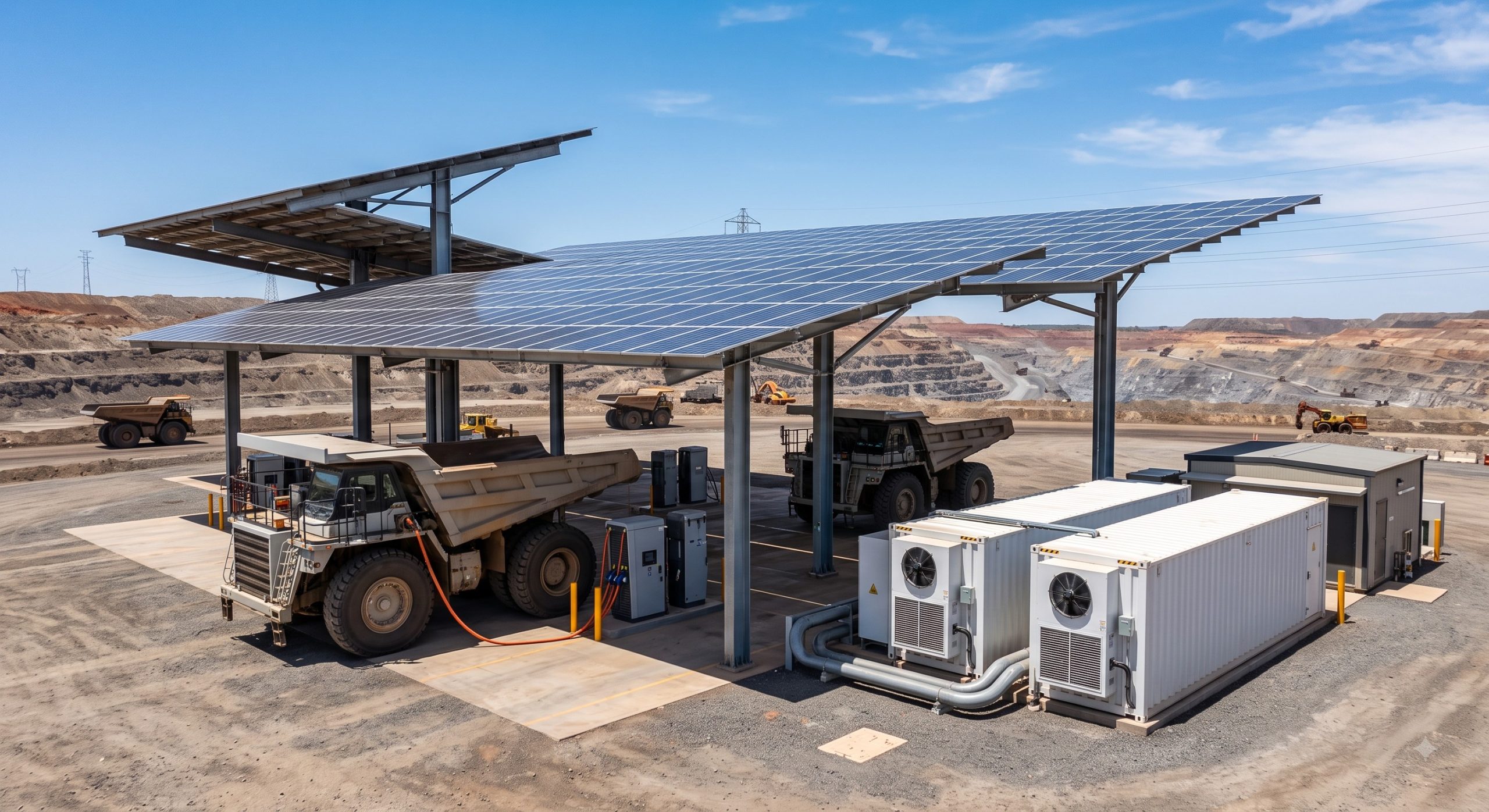
The economic case for deploying a mining site container BESS is compelling. By implementing peak-shaving strategies, mining operations can significantly lower peak demand charges, which often constitute 30-50% of the total electricity bill. Furthermore, integrating BESS with on-site solar PV creates a hybrid micro-grid, drastically reducing reliance on heavy fuel oil (HFO) and diesel gensets, effectively lowering the Levelized Cost of Energy (LCOE).
Data from recent deployments indicates a payback period of 3 to 5 years, driven by arbitrage in energy markets and participation in demand response programs. The high cycle life of LFP chemistry ensures that the asset retains value over a 15-year operational horizon, with degradation rates of less than 2% per annum.
Deployment Scenarios
Mining site container BESS solutions are versatile enough to support a wide range of applications, from providing backup power for critical ventilation systems to delivering spinning reserve for heavy haul trucks. In EV supercharging hubs within the mine site, the BESS enables fast-charging of electric haul trucks without straining the existing grid infrastructure. This synergy significantly accelerates the decarbonization of the entire mining ecosystem.
Conclusion: The Future of Mining Energy Infrastructure
The transition to electrification in the mining sector requires more than just batteries; it demands a robust, data-driven approach to energy storage integration. The modern mining site container BESS represents the apex of this evolution, merging Tier-1 LFP safety, liquid cooling precision, and intelligent grid dispatch to deliver a tangible competitive advantage. For mining companies looking to enhance energy security, reduce carbon footprints, and optimize operational expenditure, investing in a certified, high-cycle-life container BESS is the most critical strategic decision for the next decade.