Introduction: The Critical Role of Battery Terminal Covers in Modern C&I ESS
In the rapidly evolving landscape of commercial and industrial (C&I) energy storage, the battery terminal cover is more than a simple safety accessory; it is a fundamental component of system architecture, operational safety, and long-term asset protection. As facilities increasingly deploy MWh-scale Battery Energy Storage Systems (BESS) to achieve energy independence, peak shaving, and grid support, the integrity of every electrical connection becomes paramount. An exposed terminal presents risks ranging from corrosion-induced efficiency losses to catastrophic arc flashes, directly impacting Levelized Cost of Energy (LCOE) and total cost of ownership (TCO).
For B2B procurement specialists, system architects, and facility managers, selecting the correct industrial-grade terminal cover is a decision that intersects with stringent safety standards like UL 9540, IEC 62619, and UN38.3. This guide delves into the technical specifications, materials science, and safety compliance of battery terminal covers, demonstrating how this humble component is vital for maximizing system uptime and achieving a high return on investment (ROI) in mission-critical C&I applications.
Core Architecture & Safety Standards
The architecture of a commercial battery terminal cover is designed to address multiple layers of risk. Unlike basic automotive caps, industrial-grade covers for C&I BESS are engineered for high-voltage, high-current environments. They are typically constructed from flame-retardant polycarbonate or high-quality PVC, offering dielectric strength and dimensional stability under thermal stress. Systems over 50 volts require such covers to ensure compliance with OSHA 29 CFR and NFPA 70E, preventing accidental contact with energized components .
Material Science and Thermal Management
The choice of material is crucial for safety and longevity. High-performance covers utilize materials that meet rigorous flammability standards such as UL 94 V-0, ensuring that they self-extinguish and do not propagate fire in the event of a thermal event . Advanced configurations also offer UV stabilization to prevent degradation in outdoor containerized installations. For lithium-ion (LFP) chemistry systems, which are Tier-1 standards, the cover must withstand operational temperature ranges without becoming brittle or losing insulating properties. For instance, reinforced PVC models can offer enhanced corrosion resistance and operate across a wide thermal spectrum from -40°C to 120°C, ensuring reliability in harsh conditions .
Compliance and Certification Landscape
Compliance is non-negotiable in B2B energy storage procurement. The primary standards guiding terminal cover design include:
- IEC 62619: Requirements for the safe operation of industrial batteries, including protection against internal short circuits and thermal propagation.
- UL 9540: The standard for energy storage systems and equipment, evaluating fire and electrical shock hazards.
- UN38.3: Transportation testing, ensuring the covers and overall battery pack are safe for logistics.
- NFPA 70E: Standard for Electrical Safety in the Workplace, mandating covers to protect personnel from arc flash hazards .
Selecting covers that meet these standards (e.g., UL 94 V-0 ratings, SAE J1128) ensures insurance compliance and reduces liability in commercial operations .
Technical Specifications
The following table details the critical engineering specs for a premium battery terminal cover used in C&I energy storage systems. These parameters are essential for evaluating supplier quality and system durability.
| Key Parameter | Technical Specification | Industry Standard |
|---|---|---|
| Material | High-Grade Polycarbonate / Reinforced PVC | UL 94 V-0, UV Stabilized |
| Dielectric Withstand | AC 2500 V/min (5mA) without breakdown | IEC 62619 |
| Insulation Resistance | DC 500V, ≥ 200MΩ | NFPA 70E |
| Operating Temperature | -40°C to +120°C | UN38.3 |
| Flammability Rating | V-0 Self-extinguishing | UL 9540 |
| Corrosion Resistance | High resistance (Q/HT-2004) | SAE J1128, RoHS |
Commercial ROI & Grid Support Integration
While the battery terminal cover is a passive component, its impact on financial metrics is active. Corrosion or a loose connection at the terminal increases electrical resistance, lowering the system’s round-trip efficiency. Over a 20-year lifespan, even a 0.5% efficiency loss can translate into hundreds of thousands of dollars in lost arbitrage revenue and wasted capacity.
Furthermore, robust terminal covers are essential for VPP (Virtual Power Plant) readiness. Grid support applications like frequency regulation require rapid, high-current charge/discharge cycles. A compromised connection due to a damaged or inadequate cover can lead to heat generation, accelerating the degradation of the Tier-1 LFP cells and reducing cycle life below the typical >8000 cycles at 90% DoD. By ensuring a clean, protected electrical pathway, high-quality covers support the asset’s ability to capture utility incentives for demand response and peak shaving, directly improving the LCOE profile.
Deployment Scenarios in C&I Facilities
The deployment of industrial battery terminal covers varies by application:
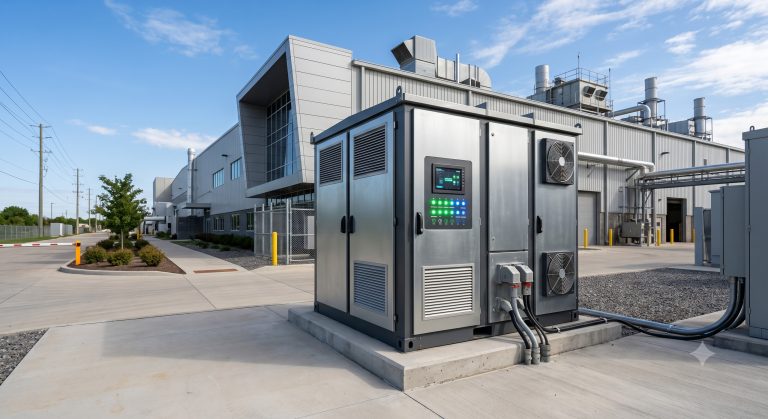
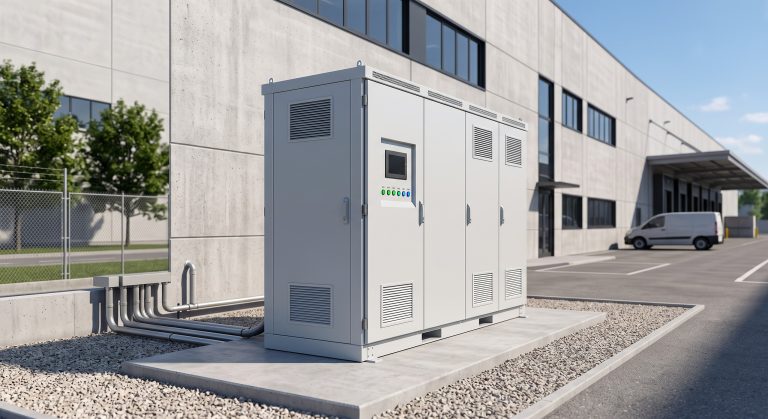
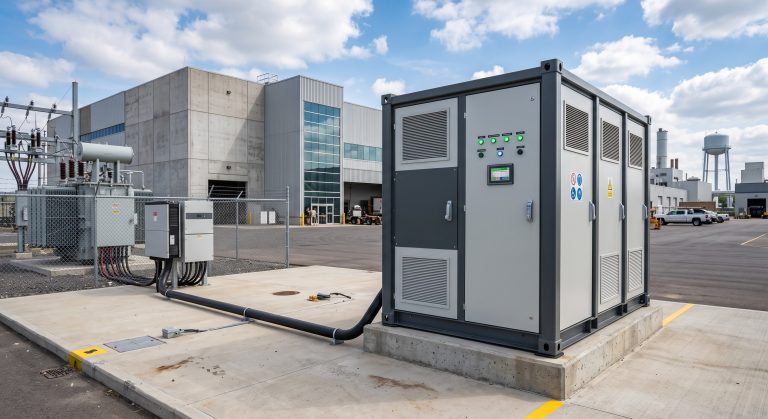
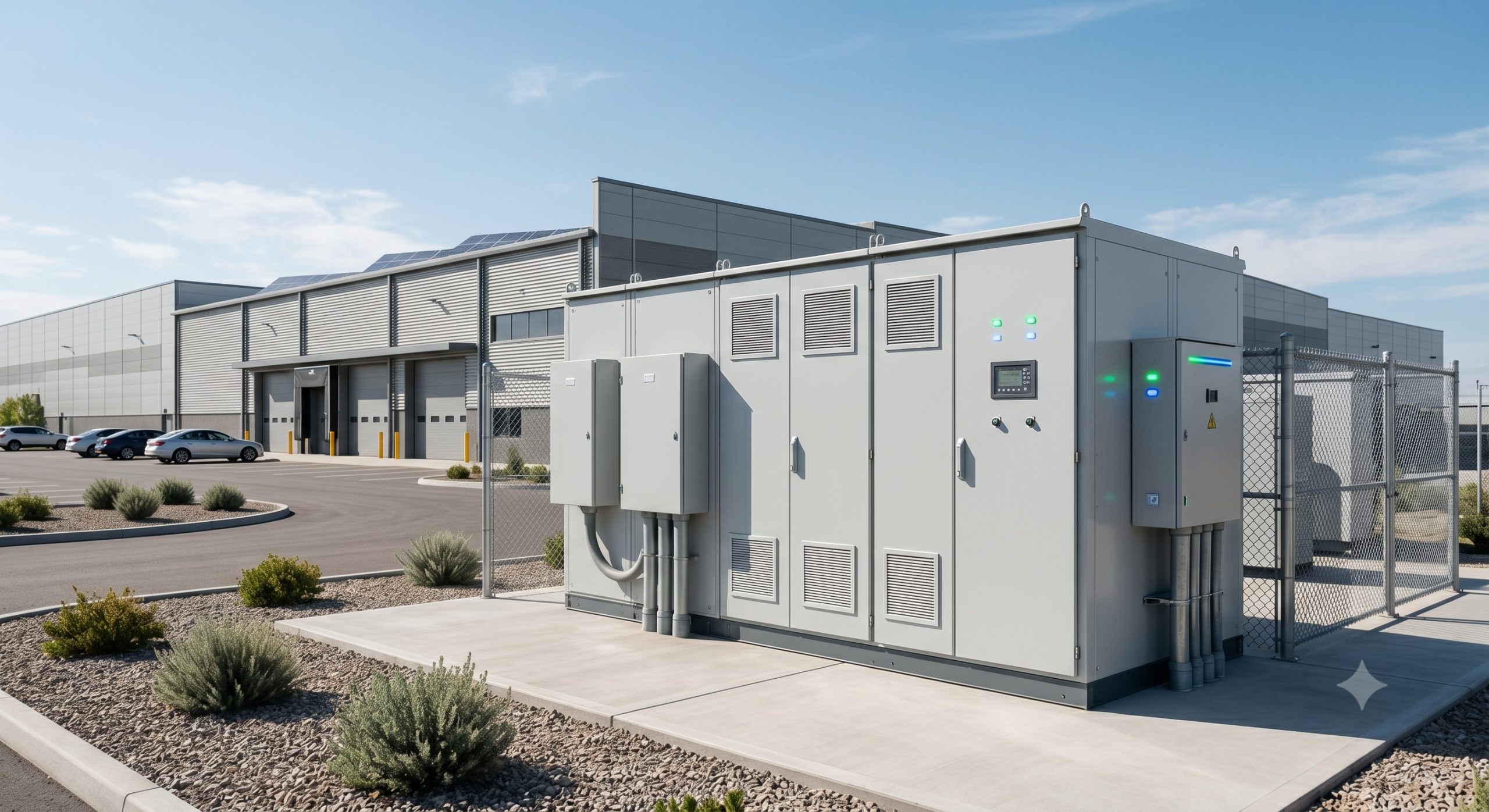
- Containerized ESS: Covers must accommodate high-voltage busbars and complex wiring while allowing for maintenance access.
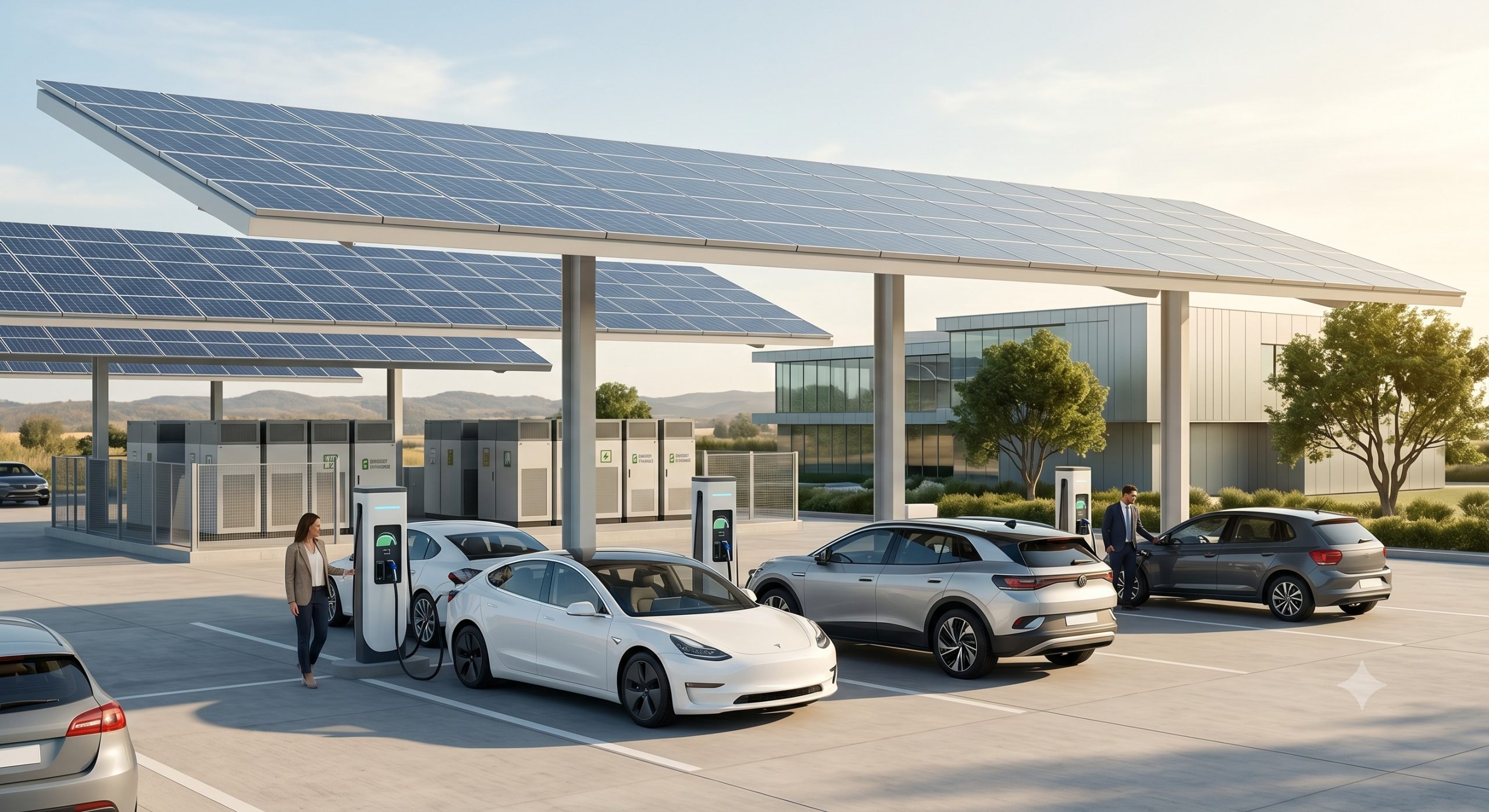
- PV-Storage-Charging Synergy: In EV supercharging stations, covers protect terminals from dust and moisture while ensuring safe integration with bi-directional PCS.
- Industrial Datacenters: These facilities require covers that offer high impact strength and dimensional stability to protect critical backup power systems.
- Marine/Offshore: High-humidity environments demand covers with exceptional corrosion resistance and secure snap-fit designs .
Conclusion: The Unsung Hero of Asset Longevity
In the pursuit of decarbonization and energy independence, every component of a commercial battery energy storage system must be scrutinized for quality and durability. The battery terminal cover is a clear example of how intelligent engineering and strict compliance with safety standards contribute to the financial and operational success of a project. By sourcing covers that meet UL 9540, IEC 62619, and UN38.3 certifications, B2B buyers mitigate risk, ensure compliance with OSHA and NFPA, and protect their long-term investment in the energy transition. Prioritizing this component is not just about safety; it is a strategic move to maximize ROI and ensure the resilience of critical power infrastructure.