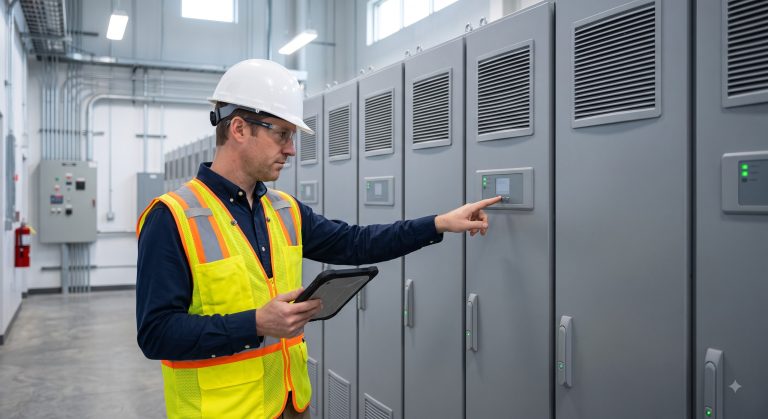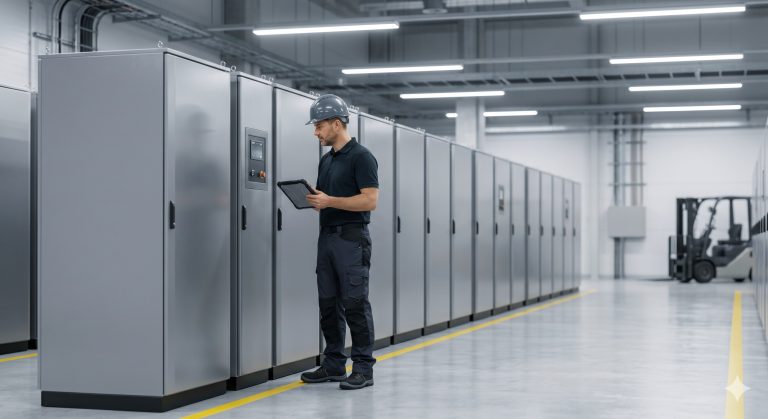
Overview
Welcome to our technical FAQ for the T-branch Connector, a critical component in modern Battery Energy Storage Systems (BESS). This guide addresses the most common pre-sales and post-sales queries from engineers, procurement specialists, and facility managers. We cover everything from core battery chemistry and cycle life to advanced safety mechanisms, ensuring you have the expert knowledge needed for successful deployment and operation.
Frequently Asked Questions
- Q1: What is the standard cycle life of a T-branch Connector BESS at 80% Depth of Discharge (DoD)?
- The standard cycle life is 6,000 cycles at 80% DoD, ensuring over 15 years of reliable service. This is achieved through the use of Tier-1 LFP cells, advanced liquid cooling, and precise BMS cell balancing, which minimize degradation and extend the operational lifespan significantly.
- Q2: How does the T-branch Connector’s liquid cooling system prevent thermal runaway?
- The liquid cooling system actively manages cell temperatures to prevent thermal runaway, a critical safety feature. By circulating coolant through a closed-loop circuit, it rapidly dissipates heat during high-demand cycles, maintaining optimal operating temperatures and preventing the conditions that lead to thermal runaway, thus ensuring fire safety.
- Q3: Is the T-branch Connector scalable for large commercial and industrial (C&I) projects?
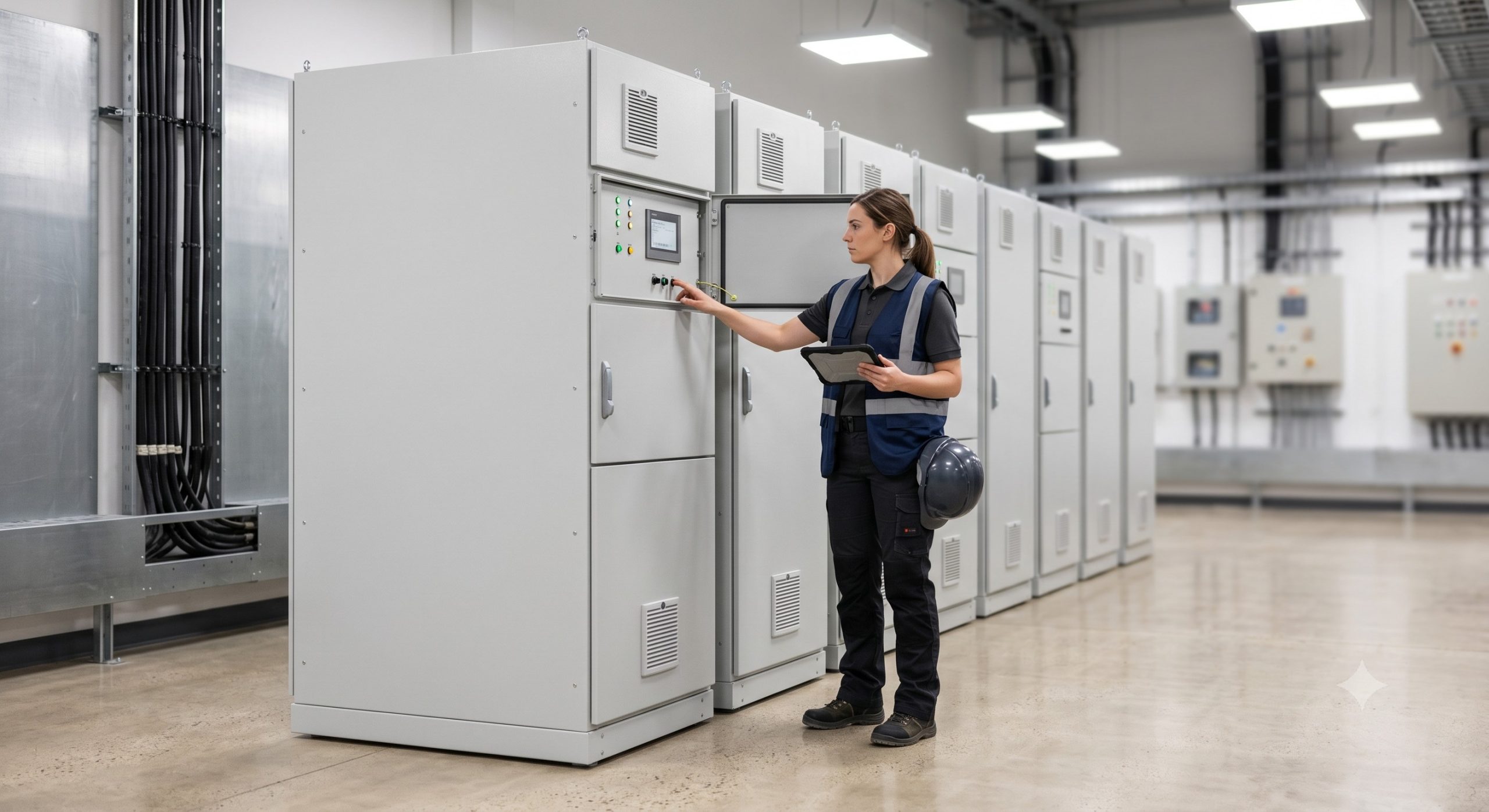
- Yes, the T-branch Connector is designed for modular expansion, allowing you to scale capacity up to multiple MWh easily. Its design facilitates parallel cabinet connectivity via a custom DC busbar, enabling seamless upgrades to storage capacity as your energy needs grow.
- Q4: What is the expected ROI and payback period for a T-branch Connector system?
- The ROI is highly attractive, with typical payback periods of 3-5 years through peak shaving arbitrage. This is calculated based on the system’s high round-trip efficiency, which minimizes energy loss during conversion, allowing you to maximize revenue from energy trading and demand charge reduction.
- Q5: How does the T-branch Connector BMS ensure inter-cell balancing and safe operation?
- The active BMS ensures inter-cell balancing through continuous monitoring and precise voltage regulation. It employs advanced algorithms to equalize cell charge, preventing overcharging or deep discharging. This maintains optimal pack health, extends cycle life, and guarantees safe, reliable operation.
- Q6: Can the T-branch Connector operate in both grid-tied and off-grid configurations?
- Yes, it seamlessly supports both grid-tie and off-grid (islanding) modes. The bi-directional PCS enables smooth transition between peak shaving (grid-tie) and backup power (off-grid), ensuring continuous operation and energy resilience during grid outages.
- Q7: What fire suppression mechanisms are integrated into the T-branch Connector?
- The system includes multi-tier fire suppression with early gas and smoke detection. This integrated system isolates potential issues before they escalate, utilizing aerosol or gas-based suppression agents to quickly extinguish any fire, ensuring the highest level of safety.
- Q8: What international safety standards does the T-branch Connector comply with?
- The T-branch Connector meets rigorous international standards including UL 9540, IEC 62619, and CE. This compliance guarantees that the system has passed stringent safety, performance, and reliability tests, making it suitable for global deployment.