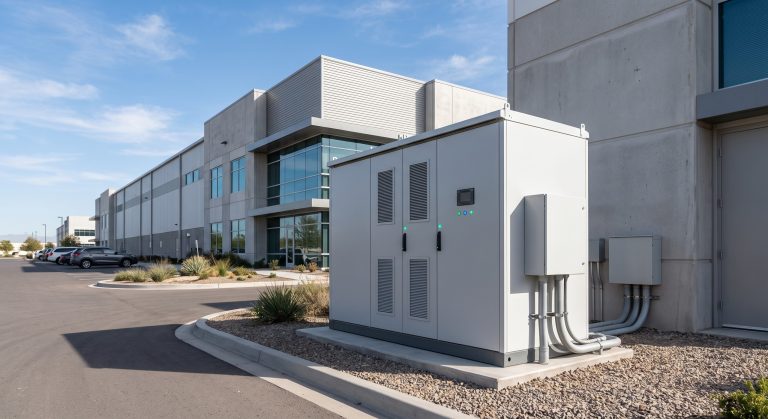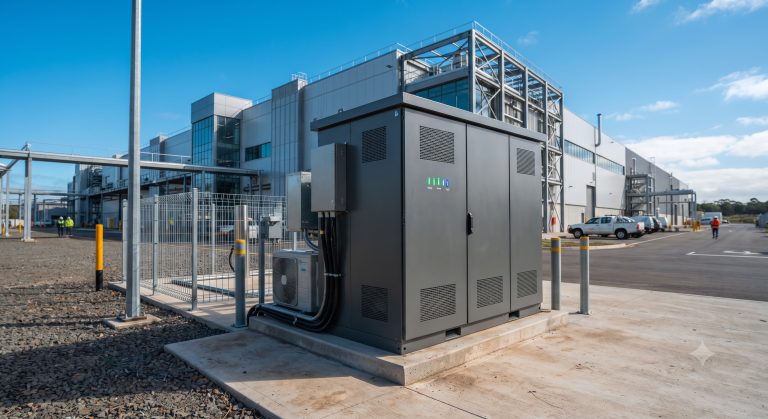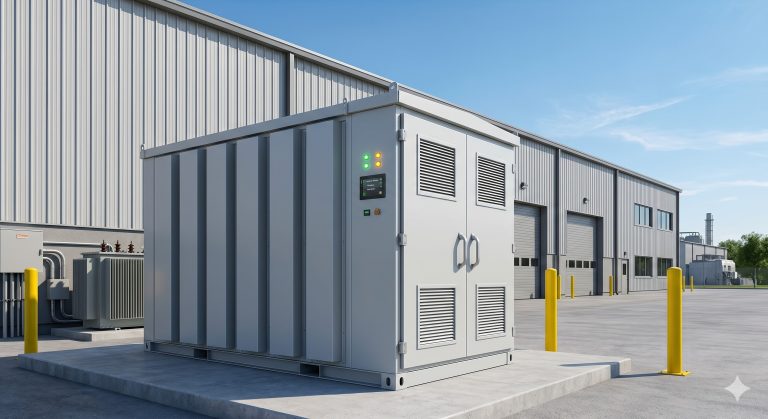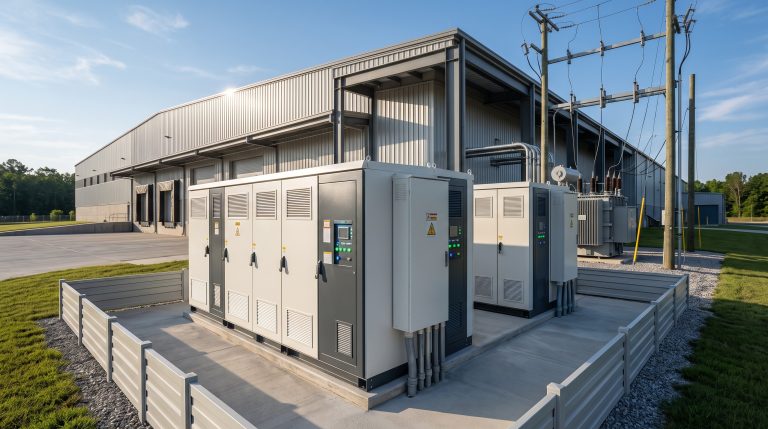
Introduction: The Critical Interface in BESS Reliability
In the rapidly evolving landscape of Commercial and Industrial (C&I) Energy Storage Systems (ESS), the focus is often on high-level metrics like system capacity (MWh), round-trip efficiency, and liquid cooling thermal control. However, the integrity of these multi-million dollar assets hinges on a component often overlooked in architectural reviews: the cable gland. As defined by the International Electrotechnical Vocabulary, a cable gland is a ‘device permitting the introduction of one or more electric and/or fibre optics cables into an electrical Ex Equipment enclosure so as to maintain the relevant Type of Protection, and provide a degree of strain relief’ . For BESS integrators and procurement specialists, understanding the sourcing strategy, technical architecture, and compliance requirements of cable glands is paramount to ensuring long-term system stability and achieving a positive Return on Investment (ROI).
Core Architecture & Battery Management Interface
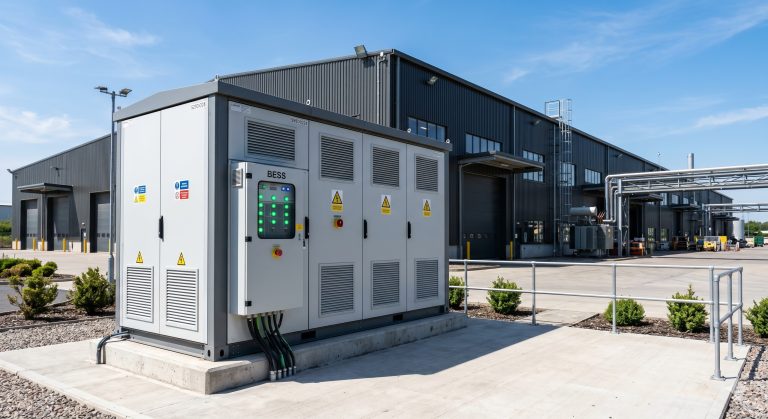
The role of the cable gland extends beyond simple cable termination. In a high-voltage BESS environment, these components serve as the critical barrier protecting sensitive electronics—including the Battery Management System (BMS) and Power Conversion System (PCS)—from environmental ingress and mechanical stress.
Ingress Protection and Strain Relief
A primary function is maintaining the enclosure’s IP rating, often specified to IP68 for outdoor containerized solutions. This ensures protection against dust and prolonged immersion in water, which is vital for outdoor installations in industrial parks . Furthermore, glands provide essential strain relief, securing cables against disconnection and load due to vibration, which is a common issue in C&I micro-grids .
Material Selection for Durability
The choice of material directly impacts the lifecycle cost (LCOE) of the system. Key options include:
- Nickel-Plated Brass: The industry standard offering a balance of cost, corrosion resistance, and mechanical strength .
- 316L Stainless Steel: Required for high-corrosion environments (e.g., chemical plants) or where chemical resistance is paramount .
- Polyamide (Nylon) / Polypropylene: Lightweight and chemical-resistant alternatives for specific non-hazardous environments .
Technical Specifications & Compliance Standards
Sourcing cable glands requires rigorous attention to certification. For global BESS projects, compliance with standards like UL 9540 (ESS safety), IEC 62619 (industrial battery safety), and hazardous area classifications (ATEX/IECEx) is non-negotiable . For hazardous locations, specialized Ex d (Flameproof) and Ex e (Increased Safety) glands are mandatory to contain explosions and prevent flame transmission .
| Key Parameter | Technical Specification & Compliance |
|---|---|
| Ingress Protection | IP68 (IEC/EN 60529) – Dust-tight and protected against long periods of immersion |
| Hazardous Area Certification | ATEX / IECEx (Ex d Flameproof, Ex e Increased Safety) for Group II (Gas) and Group I (Mining) |
| North American Standards | UL 514B, CSA C22.2, UL1203 for explosion-proof applications |
| Mechanical Anchorage | IEC/EN 62444 (Anchorage Type B & D) ensuring strain relief and pull-out resistance |
| Material Options | Nickel-Plated Brass, 316L Stainless Steel, Polyamide, Polypropylene |
Commercial ROI & Supply Chain Strategy
Procurement managers are increasingly looking to optimize the total cost of ownership. China remains the dominant manufacturing hub for cable glands, particularly in the Zhejiang and Jiangsu provinces, offering cost advantages of 20–30% below Western market rates . However, strategic sourcing requires evaluating supplier capabilities beyond price.
- Quality Assurance: Assess operational maturity, quality control infrastructure, and verifiable certification documentation (e.g., ATEX, IECEx) .
- Supplier Performance: Key Performance Indicators (KPIs) such as on-time delivery rate (target >97%) and reorder rates provide insight into reliability .
Deployment Scenarios: From Micro-grids to EV Charging
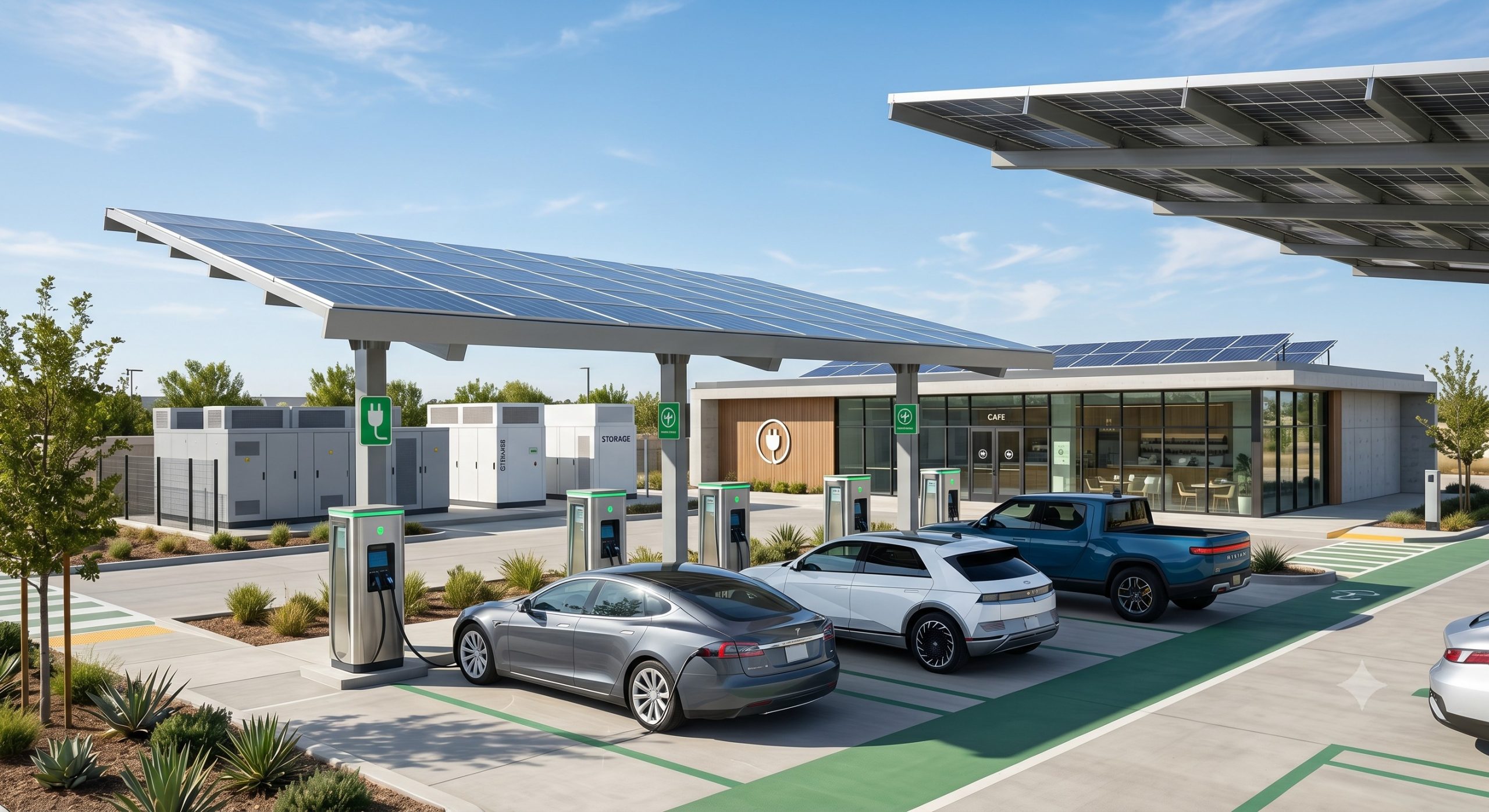
In a typical PV-Storage-Charging synergy project, cable glands are deployed at multiple interfaces—from the solar canopy combiner boxes to the ESS cabinets and EV supercharger stations. The increasing adoption of liquid cooling for thermal management in BESS requires glands that maintain a watertight seal around cooling fluid conduits and power cables simultaneously. Furthermore, as systems scale to MWh levels and integrate with Virtual Power Plants (VPP) for grid support, the integrity of the electrical connections maintained by these glands is vital for reliable frequency regulation.
Conclusion
For system architects and B2B buyers, the cable gland is a mission-critical component that safeguards the technical performance and commercial viability of energy storage assets. A focus on certified materials, compliance with global safety standards (IEC/UL/ATEX), and strategic supplier partnership—rather than just unit cost—will ensure long-term operational resilience and protect the substantial investment in C&I energy storage systems.