Introduction: Beyond Grid Dependency – The Rise of the PV-Storage-Charging Nexus
Soaring industrial electricity tariffs, unpredictable peak demand charges, and grid instability are no longer edge-case risks but daily operational realities for C&I facilities and EV fleet operators. The integrated PV-Storage-EV Charging Station (often termed a photovoltaic-storage-charging system) has emerged as the definitive engineering answer. Unlike isolated solar or standalone BESS, this tri-hybrid architecture decouples generation from consumption, enabling peak shaving, demand response, and true energy arbitrage. For sourcing managers and project developers, understanding its core components – from the DC-coupled busbar to fail-safe UL 9540 thermal management – is critical to achieving sub-5-year paybacks.
Core Architecture & Battery Management: The Engineering Stack
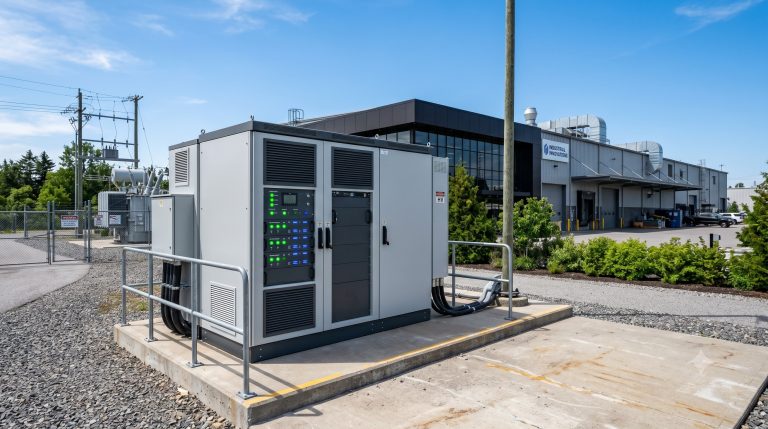
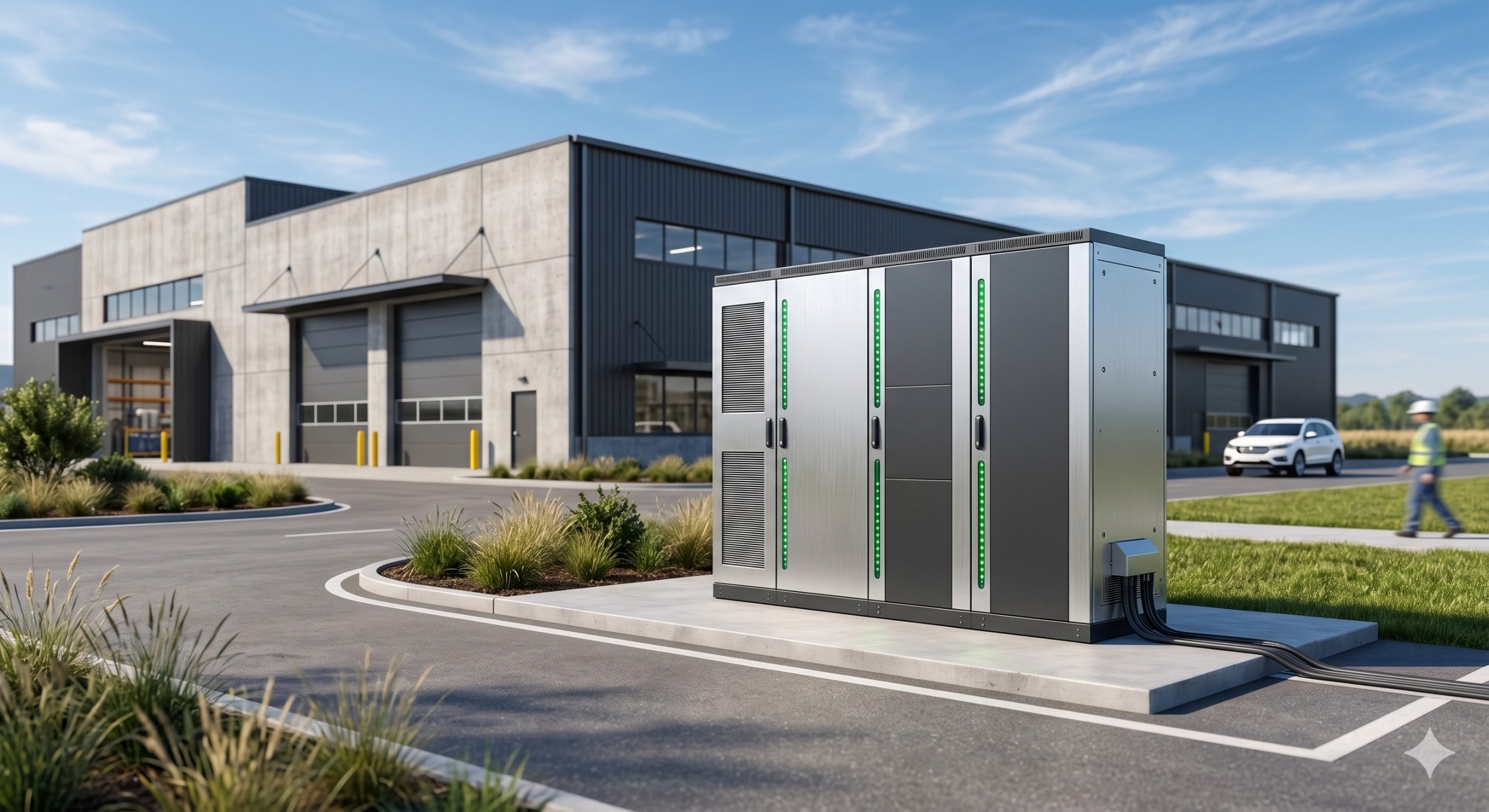
A high-performance PV-Storage-EV Charging Station is orchestrated by four interdependent subsystems. The PCS (Power Conversion System) handles bidirectional DC/AC conversion with 98.5% peak efficiency, while the BMS (Battery Management System) enforces cell-level voltage/temperature balancing and state-of-charge (SoC) estimation per IEC 62619. The EMS (Energy Management System) runs the site’s arbitrage logic – predicting solar yield, EV load curves, and real-time tariffs.
Thermal Control: Liquid Cooling vs. Air Cooling
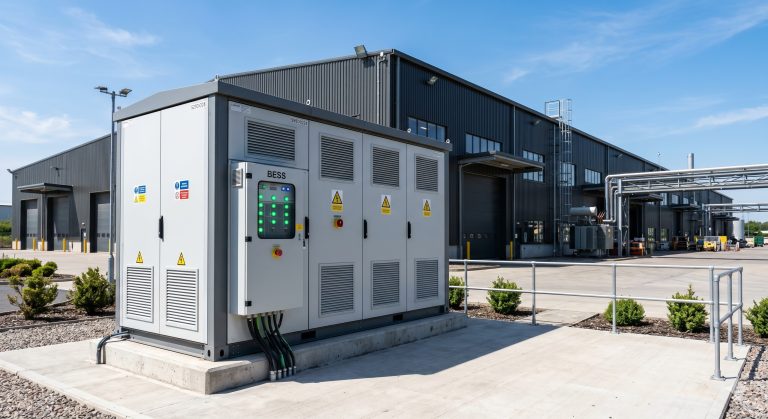
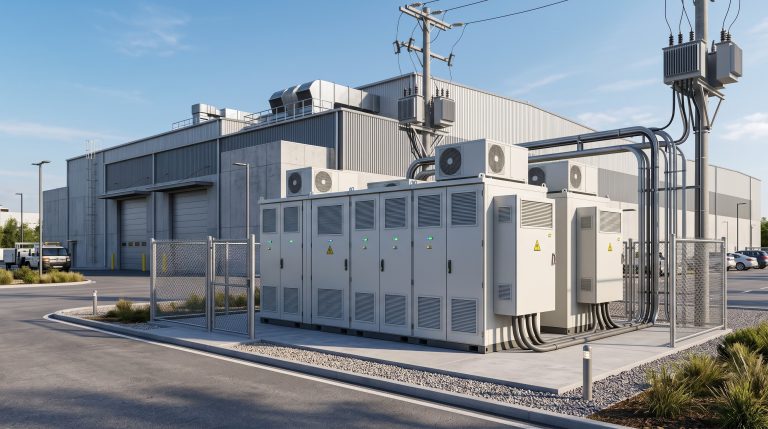
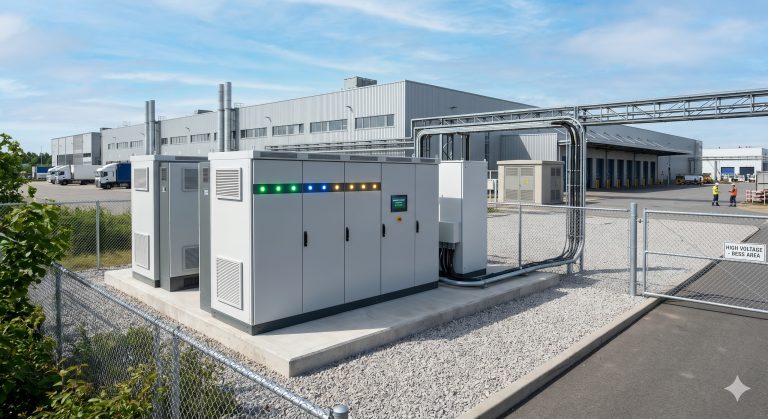
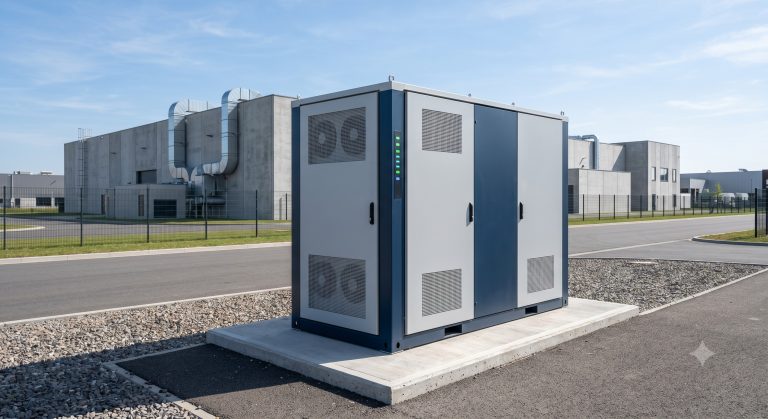
For C&I scale (200 kWh to 10 MWh), liquid cooling has become the standard. It maintains cell delta-T below 3°C, boosting cycle life to >8,000 cycles at 90% DoD, compared to air-cooled systems that degrade faster under high C-rates (typical for DC fast charging). Modern cabinets include aerosol-based fire suppression and gas detection, complying with NFPA 855 and UL 9540A thermal runaway propagation tests.
Technical Specifications
Below are baseline parameters for a 500kW / 1.2MWh C&I PV-Storage-Charging solution (LFP chemistry, liquid-cooled). All cells are UN38.3 certified for transport.
| Key Parameter | Technical Specification (500kW/1.2MWh LFP) |
|---|---|
| Battery Type | LFP (Lithium Iron Phosphate), prismatic cells |
| Rated Energy Capacity | 1.2 MWh (usable at 90% DoD) |
| Cycle Life | >8,000 cycles @ 90% DoD, EoL 70% SOH |
| Round-trip Efficiency (DC/AC/DC) | 92% (@ 0.5C, +25°C, BMS auxiliary included) |
| Thermal Management | Liquid cooling (ethylene glycol-water), 3°C cell delta-T |
| Safety Certifications | IEC 62619, UL 9540, CE, UN38.3, NFPA 855 ready |
| Fire Suppression | Aerosol + gas detection, per UL 9540A |
Commercial ROI & Grid Support: Why 2026 is the Tipping Point
The economic case rests on three pillars. First, peak demand charge reduction – shaving just 200 kW of peak load can save $50k+/year at $15/kW demand tariffs. Second, energy arbitrage with a round-trip efficiency of 92% yields a LCOE (Levelized Cost of Storage) below $0.08/kWh, undercutting commercial grid rates in most regions. Third, PV-Storage-Charging integration allows EV chargers to run off solar + storage during midday peaks, avoiding grid upgrade costs (up to $300k per fast charger). Compared to diesel generators, this system offers silent, zero-carbon backup with automatic islanding (<20ms switchover).
Deployment Scenarios
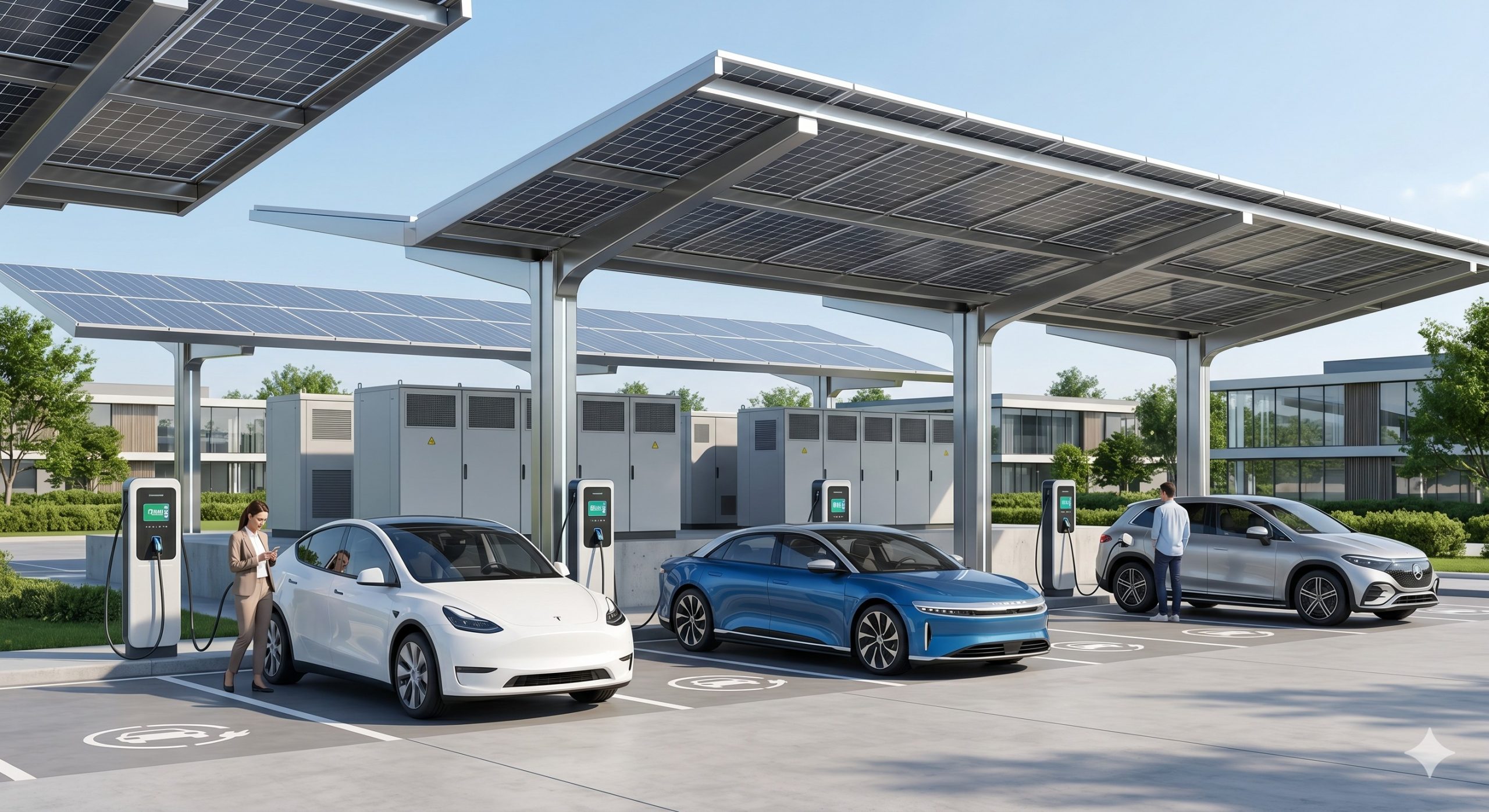
Three high-demand use cases dominate: Industrial parks (5-10 MWh) shifting on-site manufacturing loads; EV supercharging hubs (2 MWh) with vehicle-to-grid (V2G) readiness; and micro-grids for remote data centers or cold storage, where grid-forming inverters provide virtual inertia. Each scenario requires custom EMS algorithms and ISO 15118 communication for EV chargers.
Conclusion: The Zero-Carbon Asset for Future-Ready Buyers
As CBAM (Carbon Border Adjustment Mechanism) and Scope 2 reporting tighten, the PV-Storage-EV Charging Station is shifting from ‘nice-to-have’ to a strategic infrastructure asset. For B2B buyers, prioritizing vendors with validated liquid cooling, cell-level fusing, and local UL/IEC certifications will ensure bankability and a 10+ year operational life. The era of passive grid consumption is over – the integrated PV-Storage-Charging model is the new industrial baseline.