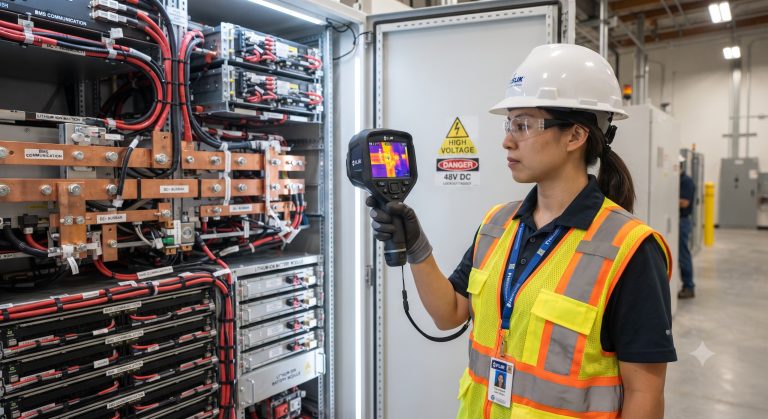
Overview
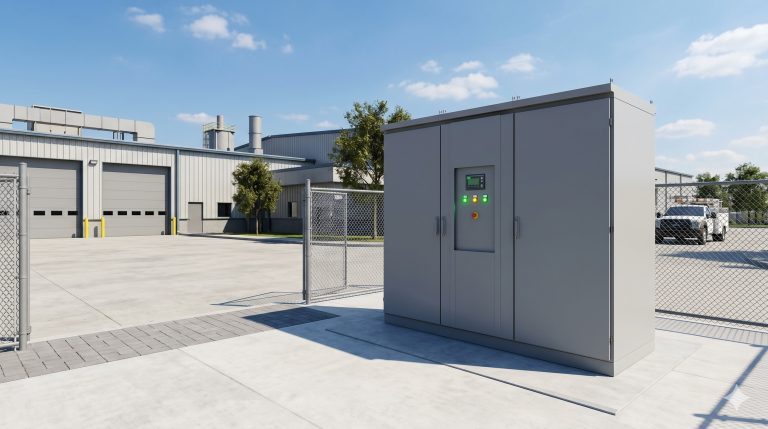
This FAQ addresses the most critical technical and commercial questions for BESS integrators, fleet operators, and utility planners evaluating a 360kW-2.88MWh split-type DC charging station. Designed for high-throughput EV fleets and grid-support applications, this system separates the power conversion unit from the battery storage cabinet for modular scalability and enhanced thermal management.
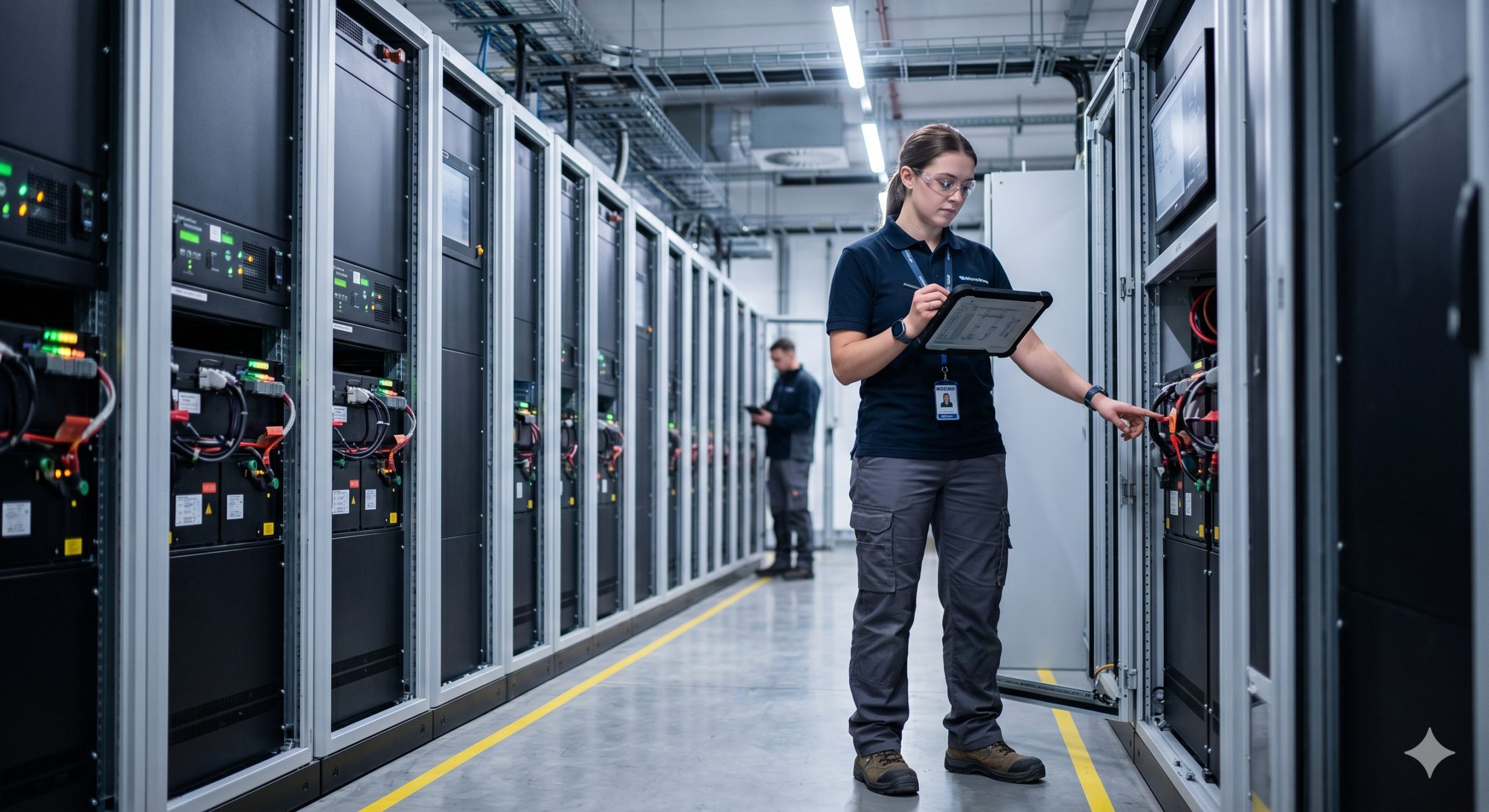
Frequently Asked Questions
- Q1: What battery chemistry and cycle life does the 360kW-2.88MWh split-type DC charging station use?
- The standard cycle life is 8,000 cycles at 90% depth of discharge (DoD) using LiFePO4 (LFP) prismatic cells. LFP chemistry provides superior thermal stability and a calendar life exceeding 15 years. At 70% DoD for daily fast-charging operations, cycle life extends beyond 12,000 cycles.
- Q2: How does the liquid cooling system improve performance and safety in this 360kW-2.88MWh BESS?
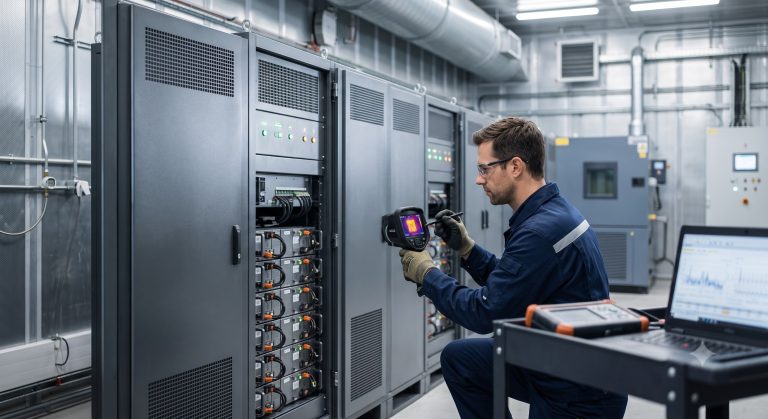
- The integrated liquid cooling system maintains cell temperature differential below 3°C across all racks, directly preventing thermal runaway and ensuring consistent 360kW DC output even at 45°C ambient. Key benefits include: +25% cycle life extension vs passive cooling, 10% faster charge acceptance, and automatic flow rate modulation based on real-time load.
- Q3: Can the 360kW-2.88MWh station operate both grid-tied and off-grid, and what is the transition time?
- Yes, this split-type DC charging station supports both grid-tied (peak shaving, load shifting) and off-grid (island mode) operation with a seamless transition time of less than 20ms. The built-in grid-forming inverter with VSG (Virtual Synchronous Generator) control enables black-start capability and maintains 360kW DC output from stored battery energy when grid fails.
- Q4: How does the BMS enable real-time monitoring and predictive maintenance for the 2.88MWh battery bank?
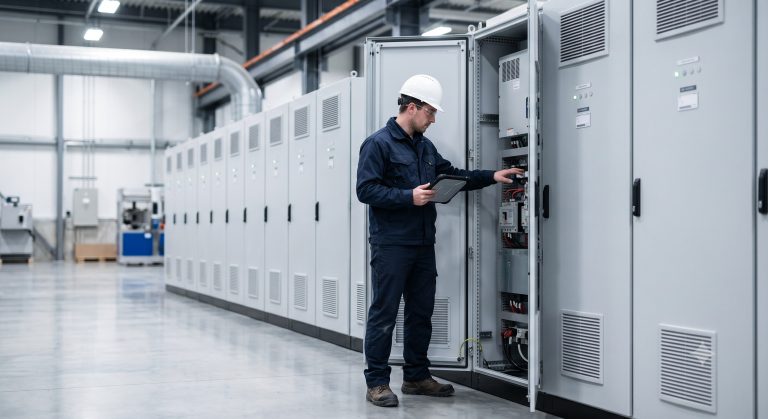
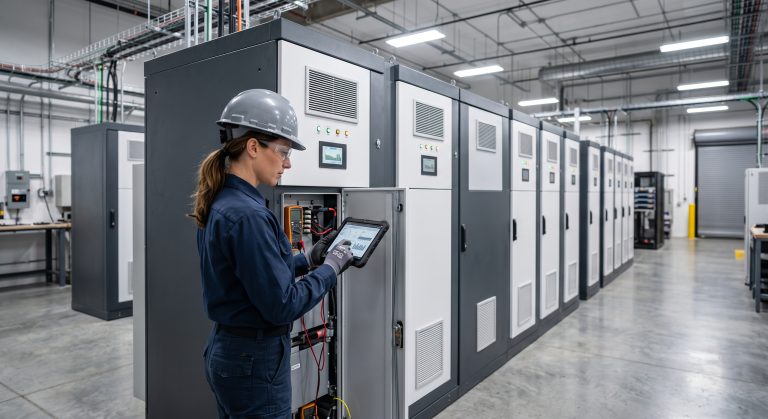
- The 3-layer BMS (cell-module-rack) provides real-time voltage, current, temperature, and insulation resistance data accessible via Modbus TCP, CAN 2.0, or 4G cloud portal. Predictive alerts include: cell imbalance >30mV, abnormal self-discharge rate, and SOH (State of Health) degradation trends. Local HMI and remote OTA firmware updates are standard.
- Q5: What fire safety and thermal runaway prevention systems are integrated into the 360kW-2.88MWh split-type DC charging station?
- Thermal runaway is prevented through three active layers: aerosol-based fire suppression (NFPA 855 compliant) at rack level, hydrogen gas detection with forced exhaust, and burst disk pressure relief valves on each module. Passive safety includes flame-retardant enclosures (UL94 V-0) and cell-level fuses. No external water supply is required.
- Q6: How scalable is this split-type design for multi-megawatt sites?
- The split-type architecture allows independent scaling of power (360kW cabinets) and energy (2.88MWh battery banks). Up to 32 units can be paralleled via DC bus coupler, reaching 11.52MW and 92.16MWh. Expansion adds just 72 hours per cabinet without powering down existing station.
- Q7: What is the ROI calculation method and typical payback period for a 360kW-2.88MWh DC fast charging BESS?
- Payback period typically ranges 3.2 to 4.5 years based on three revenue streams: (1) energy arbitrage: charge at $0.06/kWh off-peak, discharge at $0.25/kWh peak; (2) demand charge reduction: avoid $15/kW monthly peaks; (3) grid service participation: frequency regulation ($40-80/MWh). Formula: Annual Net Benefit = (Peak kWh price – Off-peak kWh price) × 1,500 daily cycles × 365 + (Avoided demand $/kW × 360kW).
- Q8: What certifications and grid compliance standards does the 360kW-2.88MWh split-type station meet for global deployment?
- Standard certifications include: UL 1973, UL 9540 (with optional UL 9540A fire testing), IEC 62619, IEC 62477, CE, and UN38.3 for transport. Grid compliance includes IEEE 1547, VDE-AR-N 4105, and G99. Transformerless design with active harmonic filtering ensures THD <3% at full 360kW output.
Technical Summary
For B2B buyers, the 360kW-2.88MWh split-type DC charging station delivers best-in-class cycle life (8,000 cycles @90% DoD), multi-layer fire safety, and sub-20ms islanding transition. Prioritize validation of third-party test reports for UL 9540A and site-specific ROI modeling including demand charge tariffs.