Introduction: The Imperative for Factory Energy Storage
In an era of volatile energy markets and tightening carbon regulations, factory energy storage solutions have transitioned from a competitive advantage to an operational necessity for commercial and industrial (C&I) facilities. As global electricity costs for industrial users continue to rise, the deployment of a robust Battery Energy Storage System (BESS) offers a strategic hedge, enabling peak shaving, demand charge management, and enhanced energy resilience. This guide provides a comprehensive technical and commercial framework for B2B decision-makers, system architects, and procurement professionals, detailing the critical architecture, financial metrics, and safety standards that define a successful factory-scale energy storage deployment.
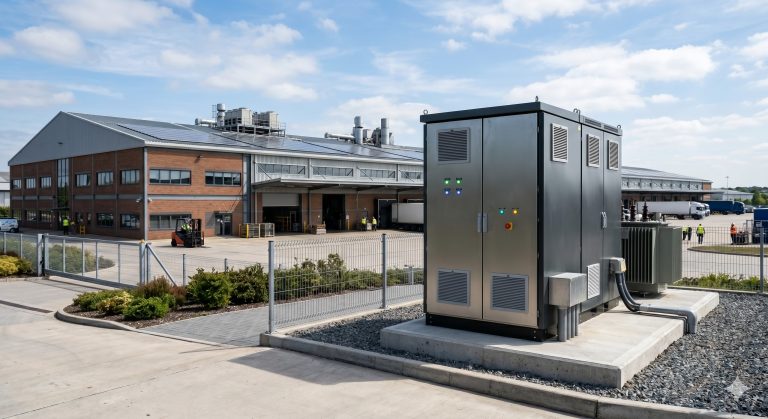
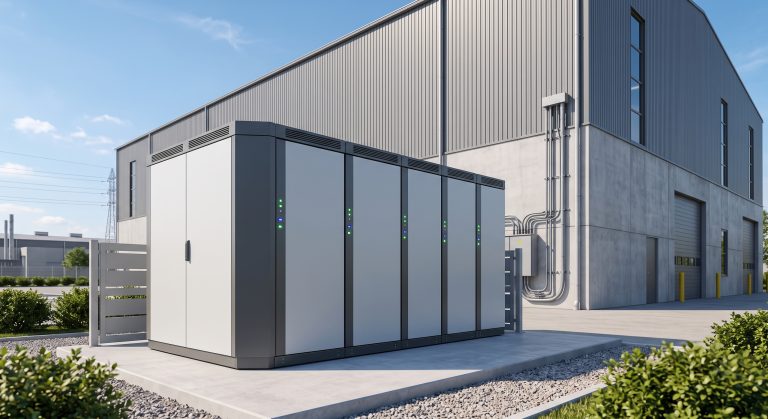
Modern factory energy storage solutions are sophisticated assets integrating Tier-1 LFP cells, advanced liquid cooling, and intelligent Energy Management Systems (EMS). For instance, contemporary all-in-one solutions combine a 125 kW Power Conversion System (PCS) with a 261 kWh storage capacity within a compact footprint, underscoring the industry’s shift towards high-density, scalable, and safe energy storage platforms .
Core Architecture & Battery Management Systems
System Topology: The All-in-One Integration
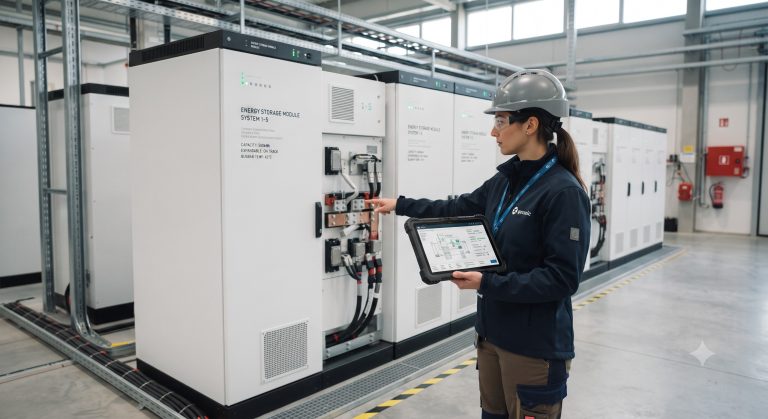
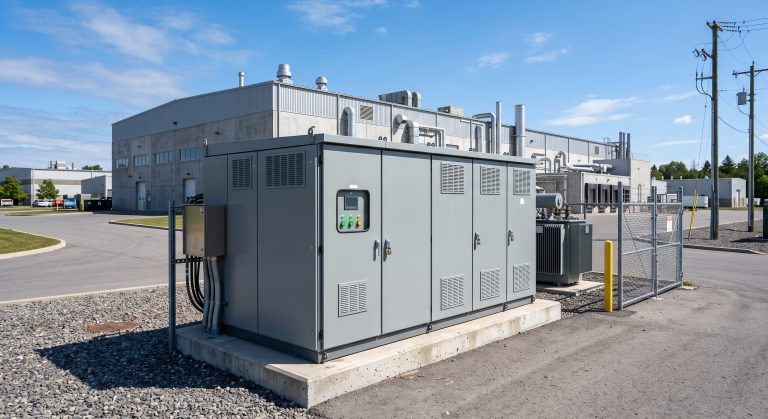
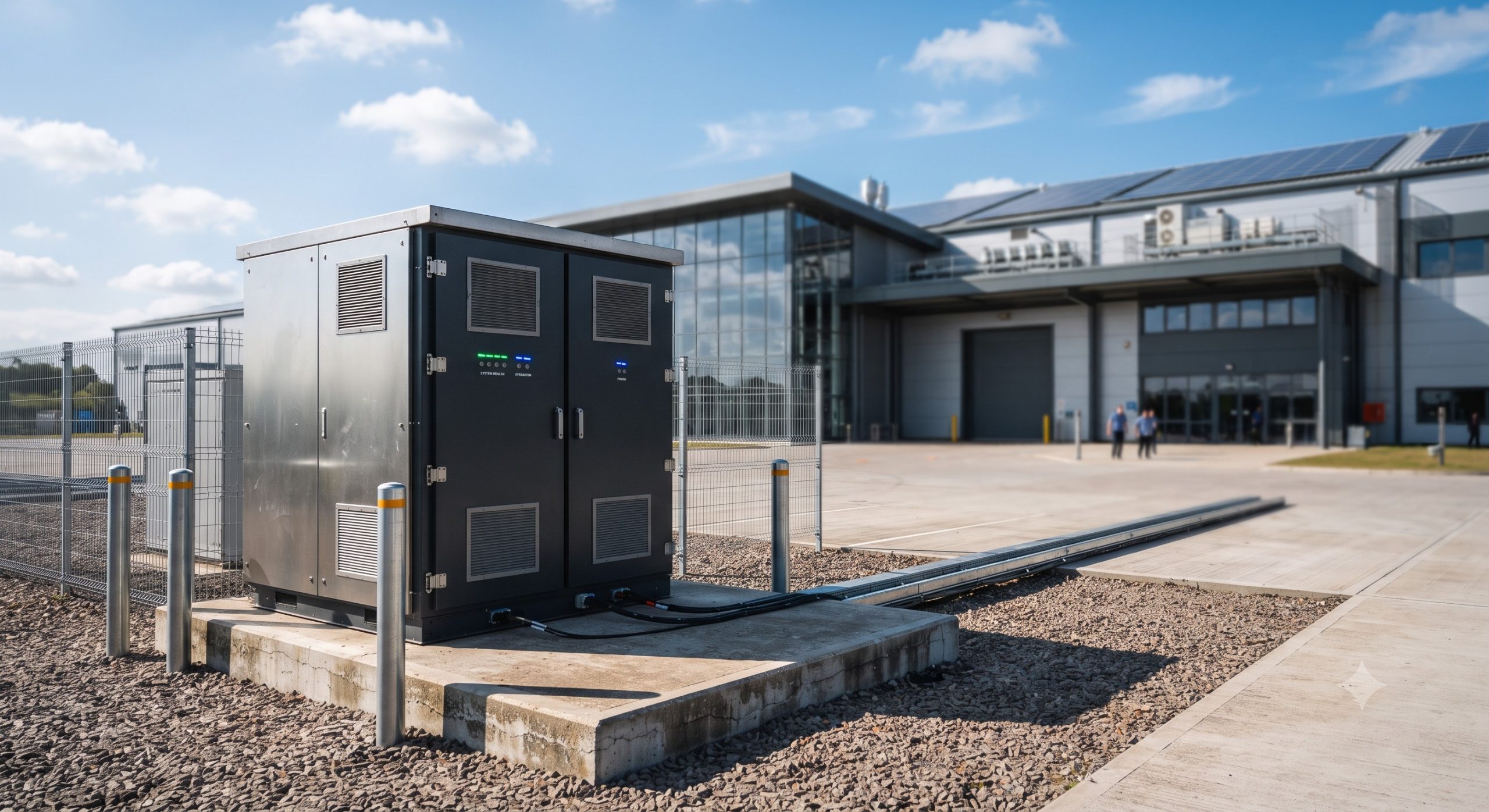
Modern factory energy storage solutions prioritize a fully integrated architecture to streamline installation and optimize performance. A leading configuration encapsulates the PCS, battery cells, EMS, and BMS within a single, standardized cabinet . This ‘All-in-One’ approach is pivotal for factory settings, offering a small footprint—as minimal as 1.47 square meters for a 261kWh system—which is critical for sites where space is at a premium .
Battery Chemistry: The Dominance of Tier-1 LFP
Lithium Iron Phosphate (LFP) chemistry is the undisputed standard for factory energy storage solutions due to its intrinsic safety, long cycle life, and thermal stability. Wholesale procurement increasingly focuses on Tier-1 LFP cells, such as the prevalent 314Ah form factor, which offer enhanced energy density and reliability over the system’s lifetime . The choice of LFP is a critical factor in minimizing total cost of ownership (TCO) and ensuring operational safety in industrial environments.
Advanced Battery Management System (BMS) & Safety Layers
The BMS is the central nervous system of a factory BESS, ensuring cell balancing, thermal monitoring, and state-of-charge (SoC) accuracy. To mitigate risks, particularly thermal runaway, robust BMS integration is paired with multi-layer protection. Industry best practices now involve a six-layer protection strategy, combining active and passive measures, including aerosol-based firefighting modules, smoke detectors, thermal sensors, and combustible gas detection . This level of safety engineering is essential for meeting stringent fire codes and securing insurance approval for on-site storage.
Thermal Control: Liquid Cooling vs. Air Cooling
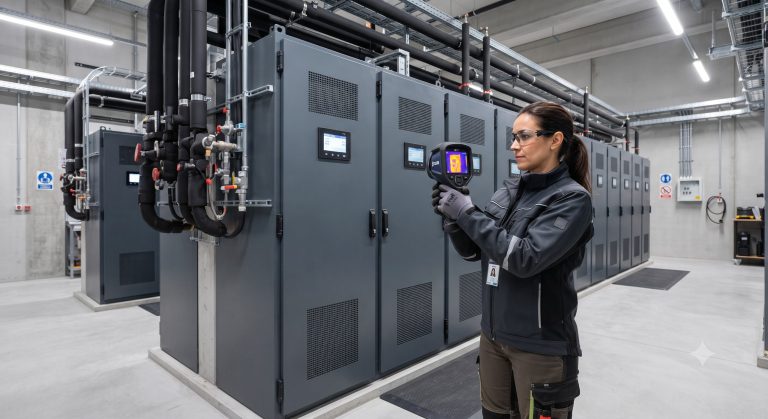
Effective thermal management is paramount for maintaining battery performance and longevity. While air cooling has been the traditional standard, liquid cooling is rapidly becoming the benchmark for high-performance factory energy storage. Liquid cooling technology ensures consistent temperature distribution across cells and battery packs, even under extreme environmental conditions, significantly prolonging cycle life and enhancing round-trip efficiency . For example, advanced systems utilize glycol-based liquid cooling to outperform air-cooled alternatives, enabling reliable operation in temperatures ranging from -25°C to 55°C .
Technical Specifications
The following table provides a technical specification benchmark for a best-in-class factory energy storage solution, reflecting industry standards for wholesale BESS procurement .
| Key Parameter | Technical Specification (Benchmark) |
|---|---|
| Battery Chemistry | Tier-1 LFP (Lithium Iron Phosphate) – 314Ah cells |
| Nominal Output Power | 125 kW (Scalable with parallel units) |
| Storage Capacity | 261 kWh (Scalable to MWh-scale) |
| Cycle Life | >6000 cycles @ 90% DoD |
| Operating Temperature | -25°C to 55°C |
| Thermal Management | Advanced Liquid Cooling (Glycol-based) |
| Round-trip Efficiency | >90% (Typical) |
| Safety Certifications | UL 9540A, IEC 62619, UN38.3, CE |
| Footprint | ~1.5 m² per 261kWh cabinet |
Commercial ROI & Grid Support
Peak Shaving and Demand Control
The primary economic driver for factory energy storage solutions is peak shaving. By discharging stored energy during periods of peak demand, factories can significantly reduce utility demand charges, often accounting for 30-40% of an industrial electricity bill. A well-architected BESS, such as the 125kW/261kWh cabinet, is specifically designed for this purpose, delivering fast response and precision control to flatten load curves and lower costs .
Demand Response and Energy Arbitrage
Beyond peak shaving, factory energy storage solutions unlock revenue streams through demand response (DR) programs and energy arbitrage. By participating in grid services, factories can be compensated for reducing load during grid stress or selling stored energy during price spikes. Modern systems are VPP-ready, with smart EMS dispatch capabilities to optimize participation in dynamic electricity pricing markets .
Total Cost of Ownership (TCO) Analysis
A comprehensive TCO analysis is critical for procurement. Key factors influencing LCOE (Levelized Cost of Energy) include the system’s cycle life, round-trip efficiency, and degradation rate. Systems utilizing high-quality LFP cells and liquid cooling can achieve >8000 cycles @ 90% DoD, amortizing the capital expenditure over a longer operational lifespan and delivering superior long-term ROI compared to lower-grade alternatives .
Deployment Scenarios & Applications
EV Supercharging Stations (PV-Storage-Charging)
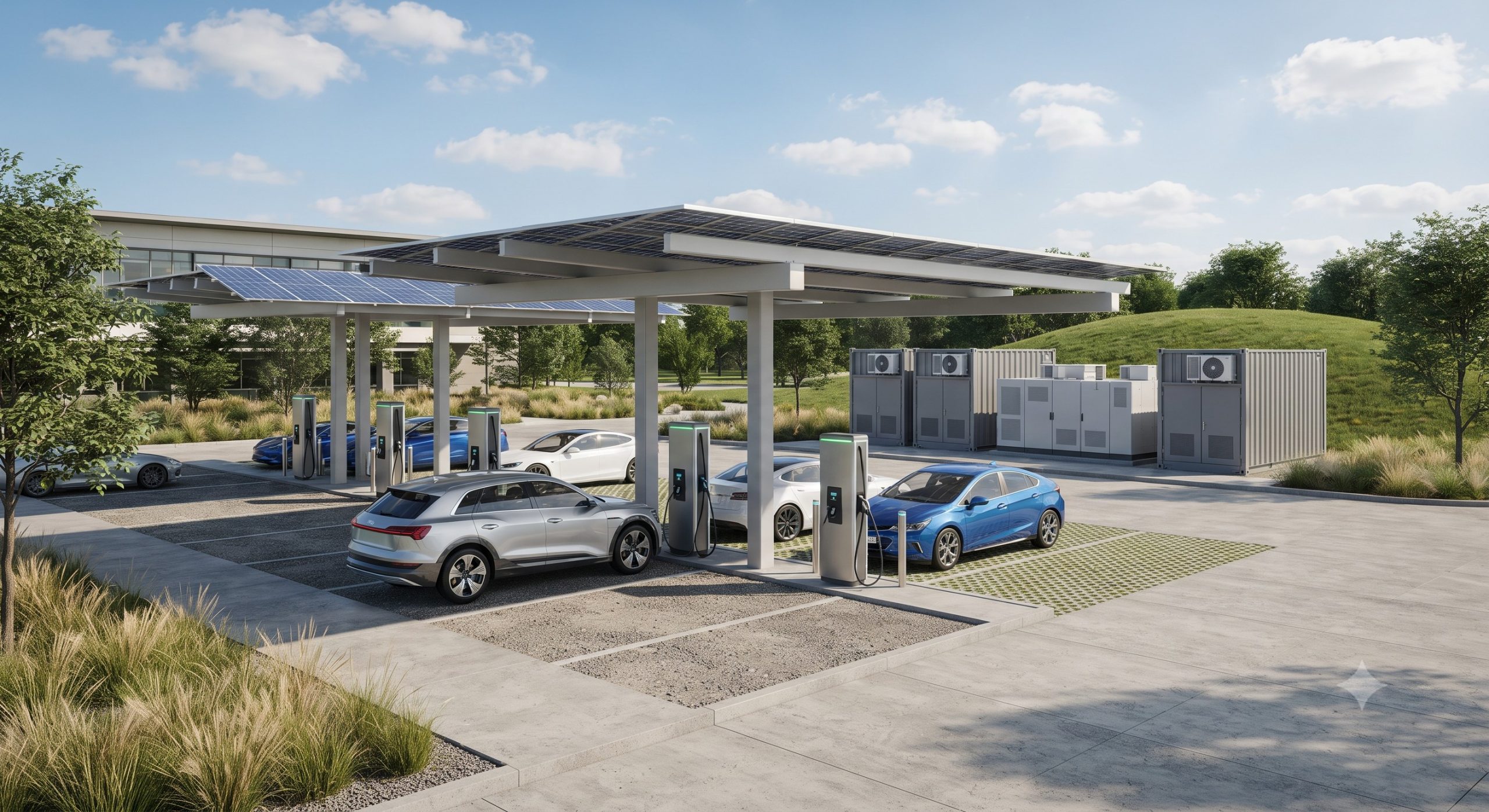
One of the most impactful applications of factory energy storage is in PV-Storage-Charging (光储充) synergy. Deploying BESS at EV supercharging stations alleviates grid strain and reduces connection costs. A notable project in De’an, China, integrated seven 125kW/261kWh cabinets with a total capacity of 875 kW/1,827 kWh, creating the country’s first charging station combining wind, solar, and storage for the heavy-duty truck industry .
Industrial Parks and Micro-Grids
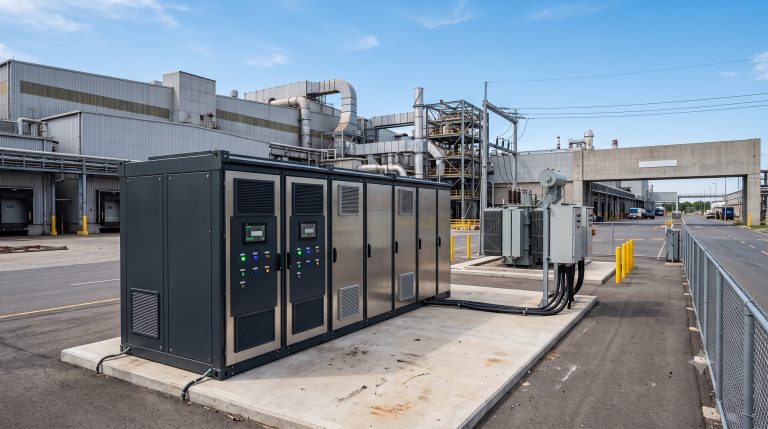
Factory energy storage is the cornerstone of energy independence for large industrial parks. By integrating modular BESS units in parallel—such as nine cabinets at a single manufacturing site—facilities can achieve multi-megawatt-hour storage capacity, supporting off-grid backup power, enhancing renewable self-consumption, and ensuring uninterrupted production .
Grid Support and Frequency Regulation
For large-scale installations, factory BESS can provide ancillary services to the grid, including frequency regulation. With fast-response PCS and bi-directional conversion, these systems can help stabilize the grid, creating a valuable revenue stream while supporting broader decarbonization goals .
Conclusion
Factory energy storage solutions represent a strategic investment that delivers operational resilience, significant cost savings, and a clear path towards decarbonization. From the selection of Tier-1 LFP cells and advanced liquid cooling systems to the integration of smart EMS and safety-compliant BMS, every architectural decision must be aligned with rigorous performance and safety standards such as UL 9540 and IEC 62619. As the global energy landscape continues to evolve, the adoption of scalable, high-performance BESS is no longer optional for forward-thinking industrial enterprises—it is fundamental to maintaining a competitive edge and achieving long-term sustainability objectives.