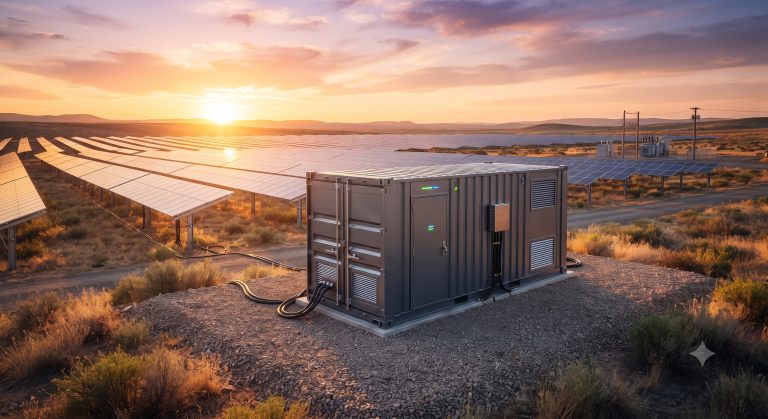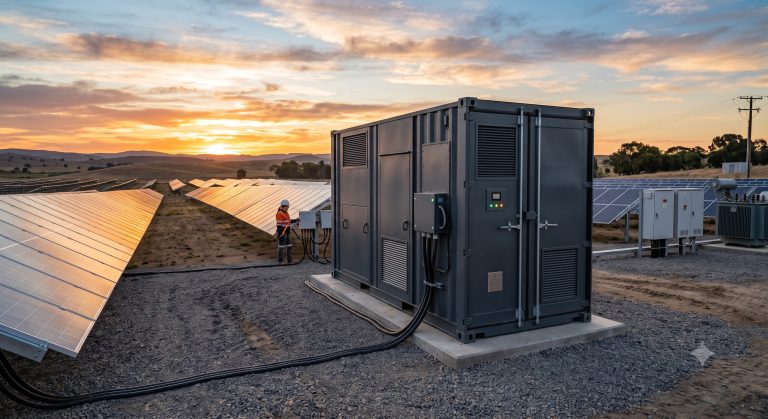
TURNKEY C&I ENERGY STORAGE SOLUTION BRIEF: DEPLOYING ADVANCED LFP SYSTEMS
EXECUTIVE SUMMARY
This document serves as the official technical overview and performance datasheet for our advanced commercial and industrial (C&I) energy storage platform, with a specific focus on the critical issue of lithium battery self-discharge mitigation. Uncontrolled self-discharge leads to capacity fade, cell imbalance, reduced system efficiency, and accelerated aging, ultimately undermining the financial return of an energy storage asset. This whitepaper details the multi-layered engineering strategies, active balancing protocols, and sophisticated Battery Management System (BMS) logic employed to minimize self-discharge rates and ensure long-term, predictable system performance.
The platform is designed for peak shaving, load shifting, and backup power applications, offering a modular, liquid-cooled architecture that maximizes round-trip efficiency and extends operational lifespan. By rigorously addressing self-discharge at the cell, module, and system levels, our solution guarantees superior energy retention and a lower levelized cost of storage (LCOS) for our clients.
SYSTEM ARCHITECTURE & SAFETY
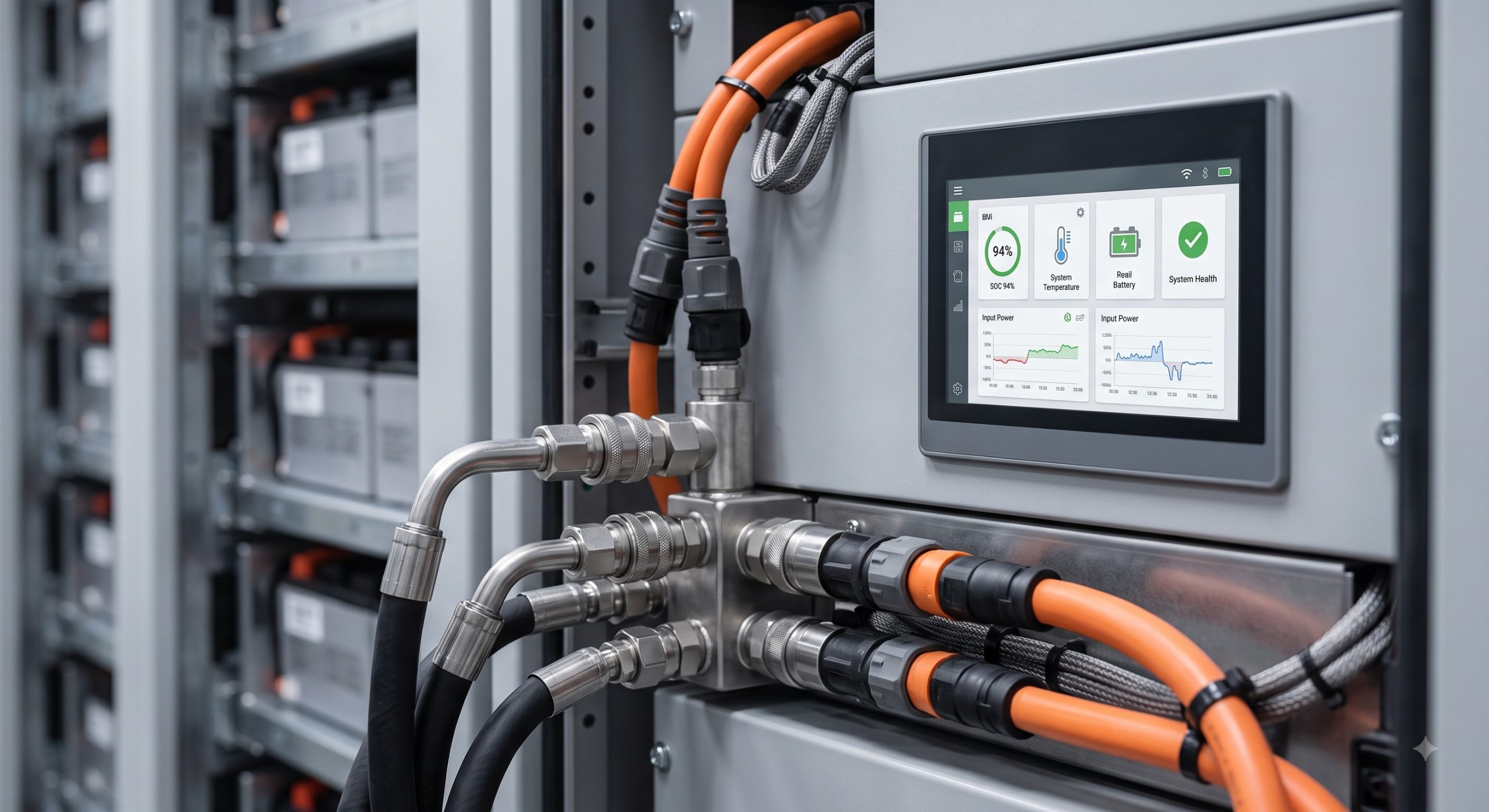
The system is built upon a robust, Tier-1 LFP (Lithium Iron Phosphate) cell foundation, known for its inherent thermal and chemical stability. The architecture centers on a distributed hierarchical BMS that monitors and manages every cell in the system. This master-slave topology ensures granular control, with slave modules reporting cell voltage, temperature, and state-of-charge (SoC) to the master controller with millisecond-level precision.
To combat self-discharge, a low quiescent current design is implemented in all monitoring circuits and contactors, reducing parasitic power drain during idle periods. Furthermore, the system employs a hybrid active and passive balancing strategy; passive balancing is used for routine cell equalization, while active balancing, capable of transferring up to 2A of current, is activated during storage and idle periods to counteract the effects of differential self-discharge and maintain a perfectly balanced string. This intelligent balancing is managed by our proprietary State-of-Health (SoH) and State-of-Charge (SoC) correction algorithms.
KEY FEATURES
– Advanced Self-Discharge Mitigation Logic: The BMS features an integrated “sleep mode” that periodically wakes to check cell states. If a cell group shows signs of accelerated self-discharge, the system initiates targeted active balancing to equalize the pack. This prevents the ‘weakest link’ effect where a single imbalanced cell compromises the entire string’s usable capacity.
– Smart Liquid Cooling System: The liquid cooling loop maintains all cells within a narrow temperature band (optimal range: 20-30°C). This is paramount, as elevated temperatures are a primary accelerator of self-discharge. By keeping cells at their optimal temperature, the system effectively reduces the parasitic chemical reactions that lead to capacity loss, ensuring long-term energy retention.
– High-Voltage DC Busbar: The system supports a high-voltage DC bus (up to 1500V DC), which reduces current for a given power output, minimizing I²R losses and thermal stress on connections. This design choice also reduces the system’s overall copper content, contributing to a more compact and efficient design.
– Tier-1 LFP Cell Integration: We exclusively source prismatic LFP cells from industry-leading manufacturers with a proven track record of high-quality and low self-discharge rates. Our incoming quality control tests every cell for self-discharge characteristics, rejecting any units that fall outside our strict parameters. This ensures the foundation of the system is inherently stable and reliable.
COMPLIANCE & STANDARDS
The system is engineered to meet the highest global safety and performance standards. Self-discharge performance is a key component of our compliance testing, and we rigorously validate our systems to ensure they meet or exceed the requirements of all relevant standards.
– Safety Compliance: UL 9540 (Energy Storage Systems and Equipment), UL 9540A (Thermal Runaway Fire Propagation Testing), IEC 62619 (Safety requirements for industrial batteries), IEC 63056 (Safety requirements for secondary lithium cells and batteries for use in electrical energy storage systems), and UN 38.3 (Transport of Dangerous Goods).
– Performance & Grid Codes: IEEE 1547 (Standard for Interconnection and Interoperability of Distributed Energy Resources with Associated Electric Power Systems Interfaces), UL 1741 (Inverters, Converters, Controllers and Interconnection System Equipment for Use With Distributed Energy Resources), and applicable regional grid codes (e.g., VDE-AR-E 2510-50 for Germany).
– Environmental: RoHS and REACH compliant. The robust construction and materials used are designed for an operational life exceeding 15 years with minimal environmental impact.
TECHNICAL SPECIFICATIONS
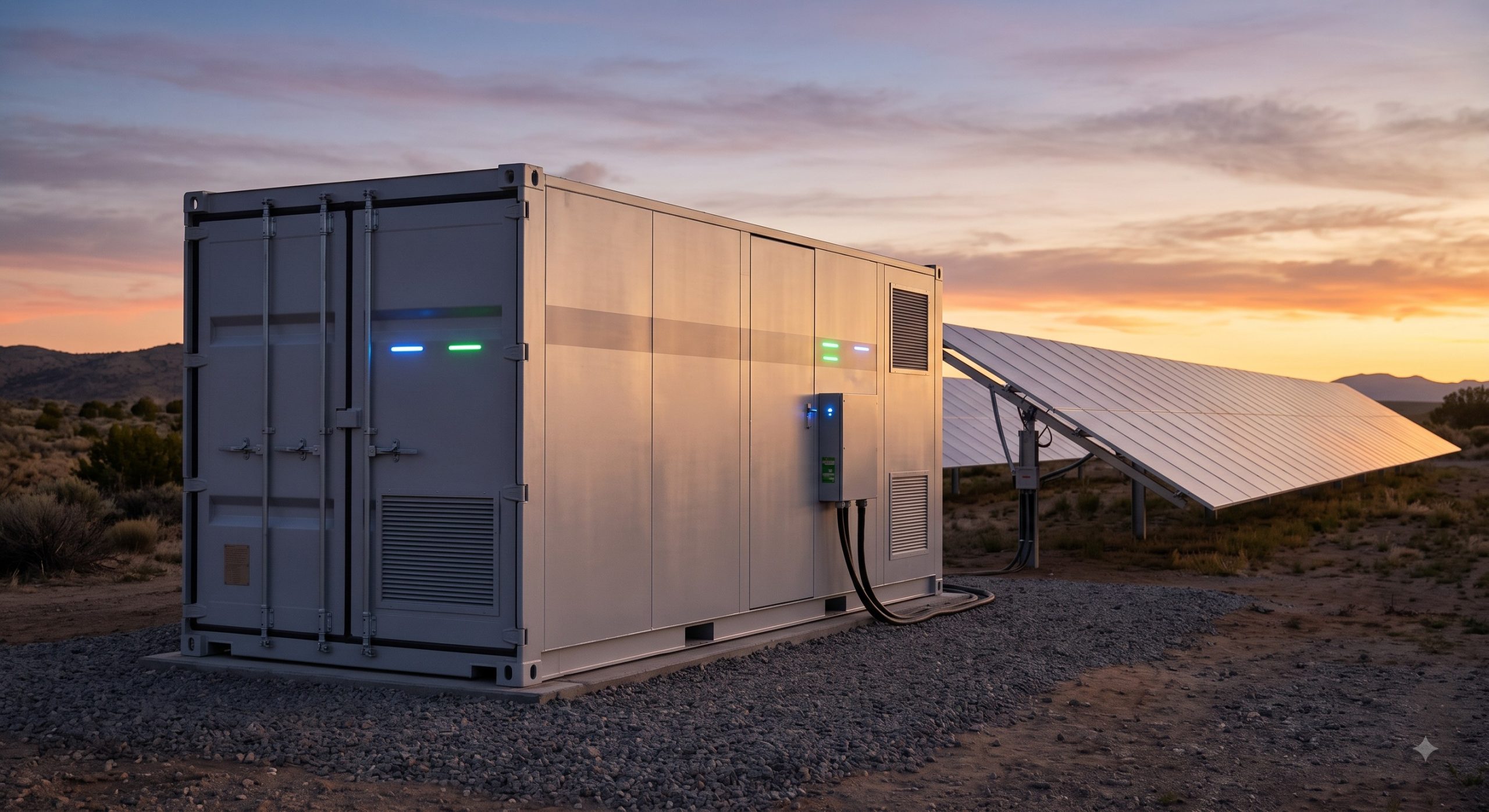
The following are the core technical specifications for our standard 20-foot containerized platform. Custom configurations for larger MWh-scale projects are available upon request.
| Parameter | Specification |
|---|---|
| Nominal Energy (C&I Cabinet) | 215 kWh (DC) / 372 kWh (AC optional) |
| System Voltage | 800 – 1500 V DC |
| Cooling Method | Smart Liquid Cooling with anti-condensation control |
| Cell Chemistry | Tier-1 LFP (Lithium Iron Phosphate), Prismatic |
| Round-Trip Efficiency | ≥ 92% (DC-DC) |
| Self-Discharge Rate (Monthly) | ≤ 1.5% (at 25°C, 50% SoC) |
| BMS Balancing Current | Active: Up to 2A, Passive: Up to 200mA |
| Operating Temperature Range | -30°C to +55°C (Derated above 45°C) |
| Protection Class | IP54 / IP55 (Standard), IP65 (Optional) |
| Dimensions (L x W x H) | 6058 x 2438 x 2896 mm (20ft Container) |
| Weight | ~28,000 kg (depending on configuration) |
INDUSTRIAL DEPLOYMENT
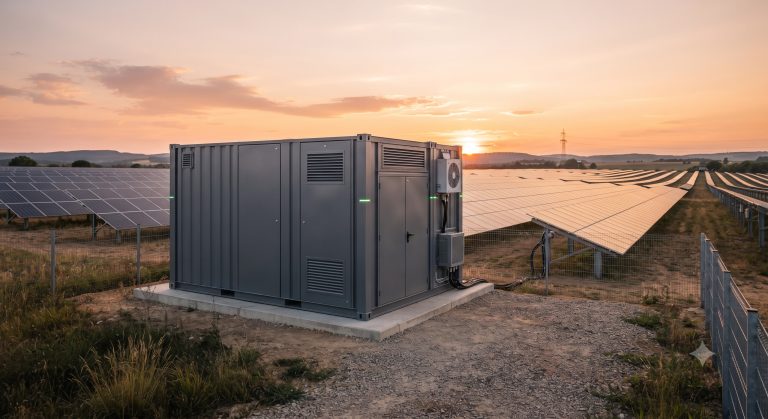
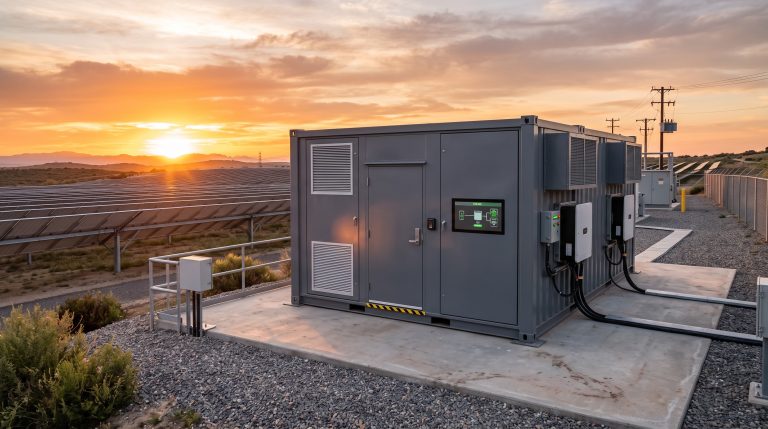
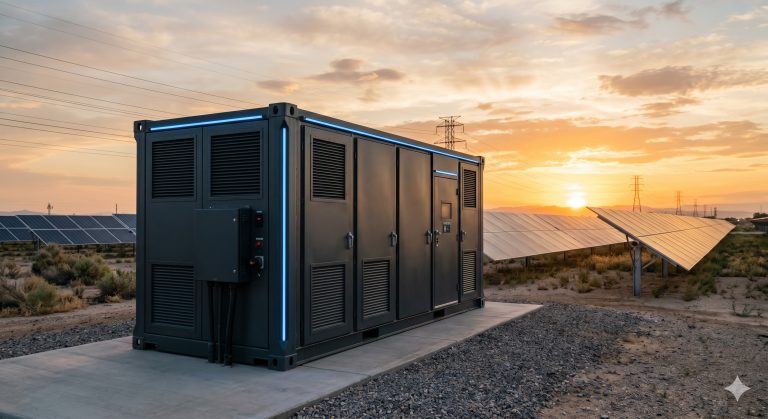
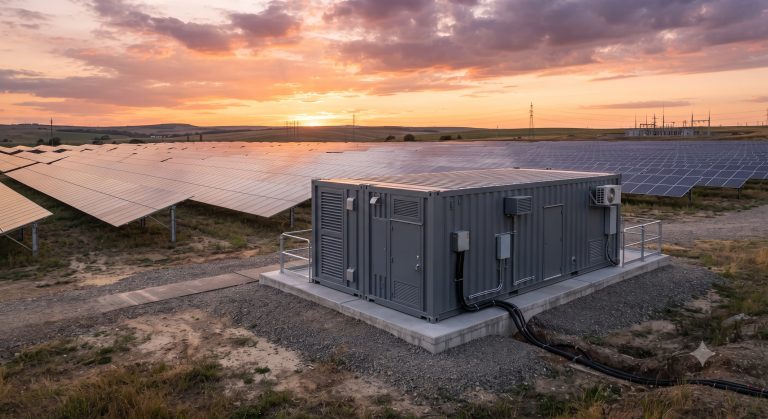
The solution is optimized for seamless integration into a variety of industrial environments, including manufacturing facilities, data centers, EV charging hubs, and microgrids. The containerized design allows for rapid, pad-mounted deployment, significantly reducing on-site construction and civil works.
– Scalability: Multiple units can be paralleled on the AC side to increase total power and energy capacity, offering a flexible pathway for project expansion.
– Grid Services: The system is capable of delivering fast frequency response (FFR), voltage support, and other grid ancillary services, making it a valuable asset for both commercial and utility-scale applications.
– Lifecycle Management: Our cloud-based EMS platform provides comprehensive remote monitoring, predictive analytics, and performance reporting. This allows operators to track self-discharge trends, proactively schedule maintenance, and maximize the system’s return on investment.
📥 Download Technical Specification
Click the button below to view or download the full official PDF datasheet.