Introduction: The Inertia Crisis and the Case for Grid-Forming BESS
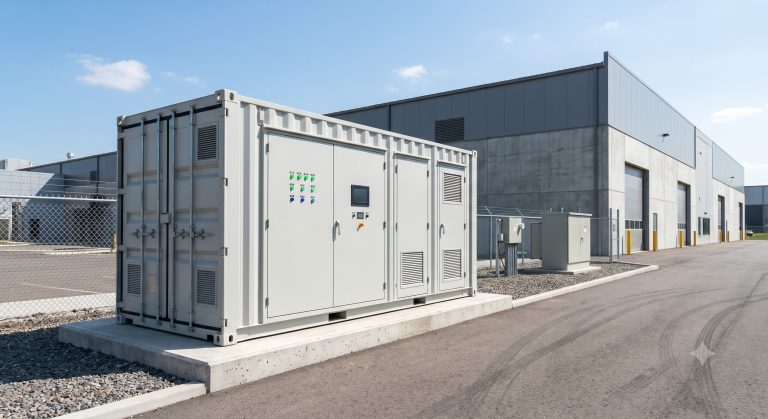
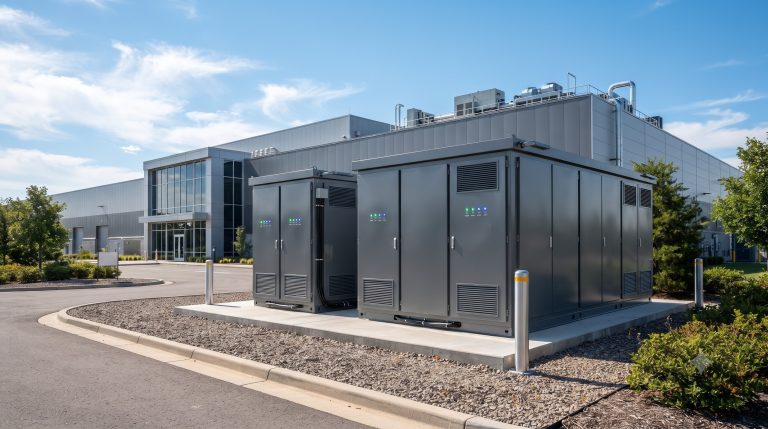
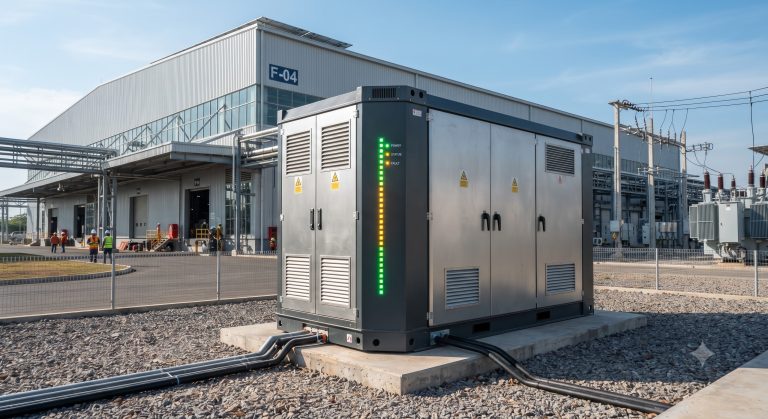
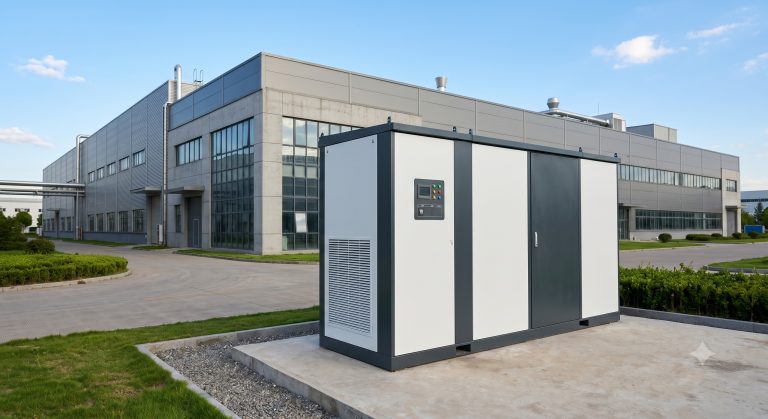
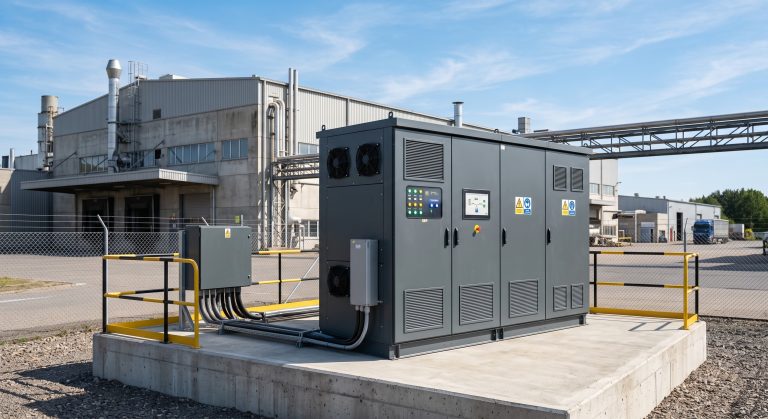
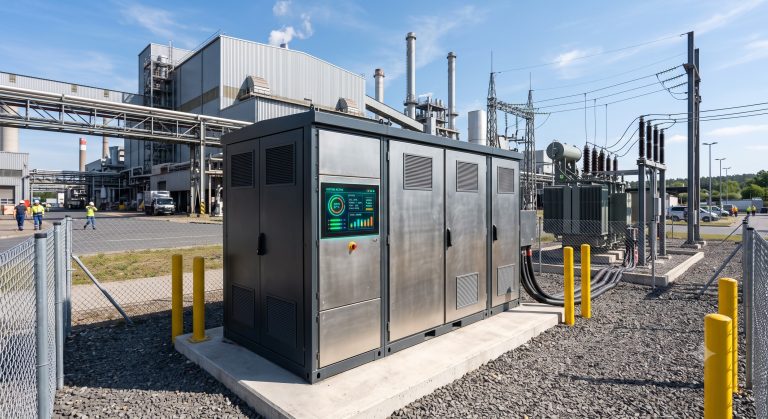
The global energy transition is fundamentally reshaping power systems, but this progress introduces a critical engineering challenge: the loss of system inertia. As conventional synchronous generators are retired in favor of inverter-based resources (IBRs) like solar and wind, power grids face increased vulnerability to rapid frequency and voltage fluctuations . Unlike traditional plants that inherently stabilize the grid through rotating mass, renewable sources do not provide this ‘mechanical inertia,’ leading to a grid that is more susceptible to blackouts and instability . Enter the utility grid stabilization battery, a sophisticated asset designed not merely to store energy, but to actively support and fortify the grid. This article provides a comprehensive technical deep-dive into the architecture, control strategies, and commercial viability of modern Battery Energy Storage Systems (BESS), with a specific focus on grid-forming (GFM) technology, advanced thermal management, and compliance standards. We will explore how BESS wholesale solutions are evolving to become the backbone of a resilient, decarbonized energy future.
Core Architecture and Advanced Battery Management
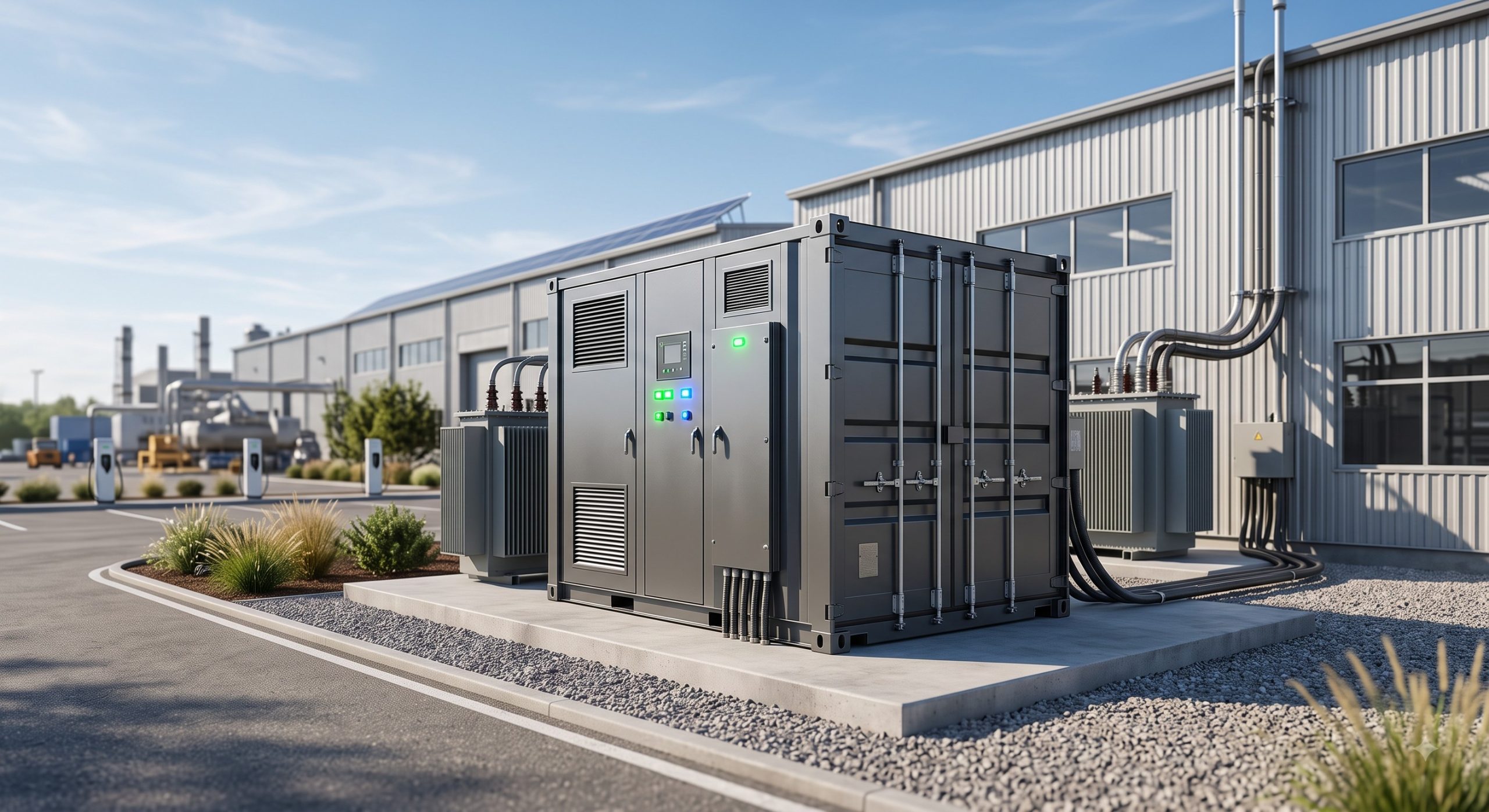
The efficacy of a utility-scale BESS hinges on the seamless integration of its core components: the battery cells, the Power Conversion System (PCS), and the Battery Management System (BMS).
Battery Chemistry and Cell Integrity
For grid stabilization applications, Tier-1 LFP (Lithium Iron Phosphate) cells have emerged as the industry standard. Their superior thermal stability, long cycle life, and cobalt-free chemistry make them ideal for high-duty-cycle applications like frequency regulation . A high-quality commercial energy storage system typically guarantees a lifespan of over 8,000 cycles at 80% Depth of Discharge (DoD), ensuring a 20+ year operational life with minimal capacity degradation. The BMS plays a pivotal role here, utilizing active balancing algorithms to maintain cell voltage equalization, preventing premature degradation and optimizing the overall usable capacity of the bank.
Grid-Forming (GFM) vs. Grid-Following (GFL) Inverters
The true differentiator for modern grid stabilization batteries is the inverter control strategy. Traditional grid-following (GFL) inverters track the grid’s voltage and frequency, acting as current sources. However, in weak-grid or islanded conditions, GFL can become unstable . In contrast, grid-forming (GFM) inverters act as a voltage source, essentially emulating the behavior of a synchronous generator. This allows the BESS to provide virtual inertia, establish a stable grid reference, and offer instantaneous frequency and voltage support during disturbances . Real-world projects, such as the 25MW/25MWh GFM-BESS in Inner Mongolia, have demonstrated the technology’s ability to stabilize regional grids with extremely high renewable penetration, meeting N-1 security criteria in both grid-connected and islanded modes .
| Key Parameter | Technical Specification |
|---|---|
| Battery Chemistry | Tier-1 LFP (Lithium Iron Phosphate) with active balancing BMS |
| System Capacity | Modular architecture from 10 MWh to 16+ MWh (e.g., FlexCombo 2.0) |
| Cycle Life | >8,000 cycles @ 80% DoD (70% capacity retention) |
| Inverter Technology | Grid-Forming (GFM) with bi-directional PCS and IEEE 2800 compliance |
| Thermal Management | Advanced Liquid Cooling (vs. Air Cooling) for enhanced cycle life |
| Safety & Compliance | UL 9540, IEC 62619, UN38.3 certified with multi-level fire suppression |
| Response Time | <100 ms for fast frequency regulation (FFR) / primary response |
| Protection Rating | IP55 (Battery cabinet) / IP66 (PCS) for outdoor installations |
Liquid Cooling and Thermal Control
High-performance operation, particularly during fast-ramp frequency regulation, generates significant thermal stress. Advanced liquid cooling systems are increasingly preferred over air cooling for grid-scale assets. Liquid cooling, utilizing micro-channel heat exchangers within the battery modules, offers superior heat dissipation, ensuring more uniform cell temperatures and minimizing the risk of thermal runaway . This precise thermal control enhances round-trip efficiency, extends battery lifespan, and is a critical compliance factor for safety standards like UL 9540 and IEC 62619.
Safety and Compliance Masterclass
Safety is paramount in utility-scale deployment. A robust utility grid stabilization battery must adhere to a stringent set of international standards. UL 9540 is the benchmark for safety in North America, covering the entire ESS, including fire suppression systems and thermal propagation mitigation. IEC 62619 addresses safety requirements for secondary lithium cells and batteries. Furthermore, for transportation and logistics, compliance with UN38.3 is mandatory to ensure safe shipping of lithium batteries. Advanced systems integrate multi-stage fire suppression systems, incorporating aerosol or gaseous agents to detect and extinguish fires at their inception, safeguarding both the investment and the operational site.
Commercial ROI and VPP Readiness
For C&I and utility procurers, the business case for a BESS extends far beyond a single application.
- Peak Shaving: By discharging during peak demand periods, the BESS reduces demand charges, lowering electricity bills.
- Frequency Regulation (FFR): With response times measured in milliseconds, BESS can capture revenues in the frequency containment reserve (FCR) market . Field tests on a 49.5MW BESS in GB have quantified the efficacy of varying droop characteristics for FFR.
- Energy Arbitrage: Charging during low-price periods and discharging during high-price periods maximizes savings.
- Virtual Power Plant (VPP) Integration: AI-driven controls enable optimal charge and discharge decisions based on grid signals and load forecasts, allowing storage assets to participate in ancillary services and grid-balancing functions .
The intelligent EMS (Energy Management System) is central to this multi-service stacking, ensuring that the battery is dispatched to capture the highest value signal at any given moment.
Deployment Scenarios and Scalability
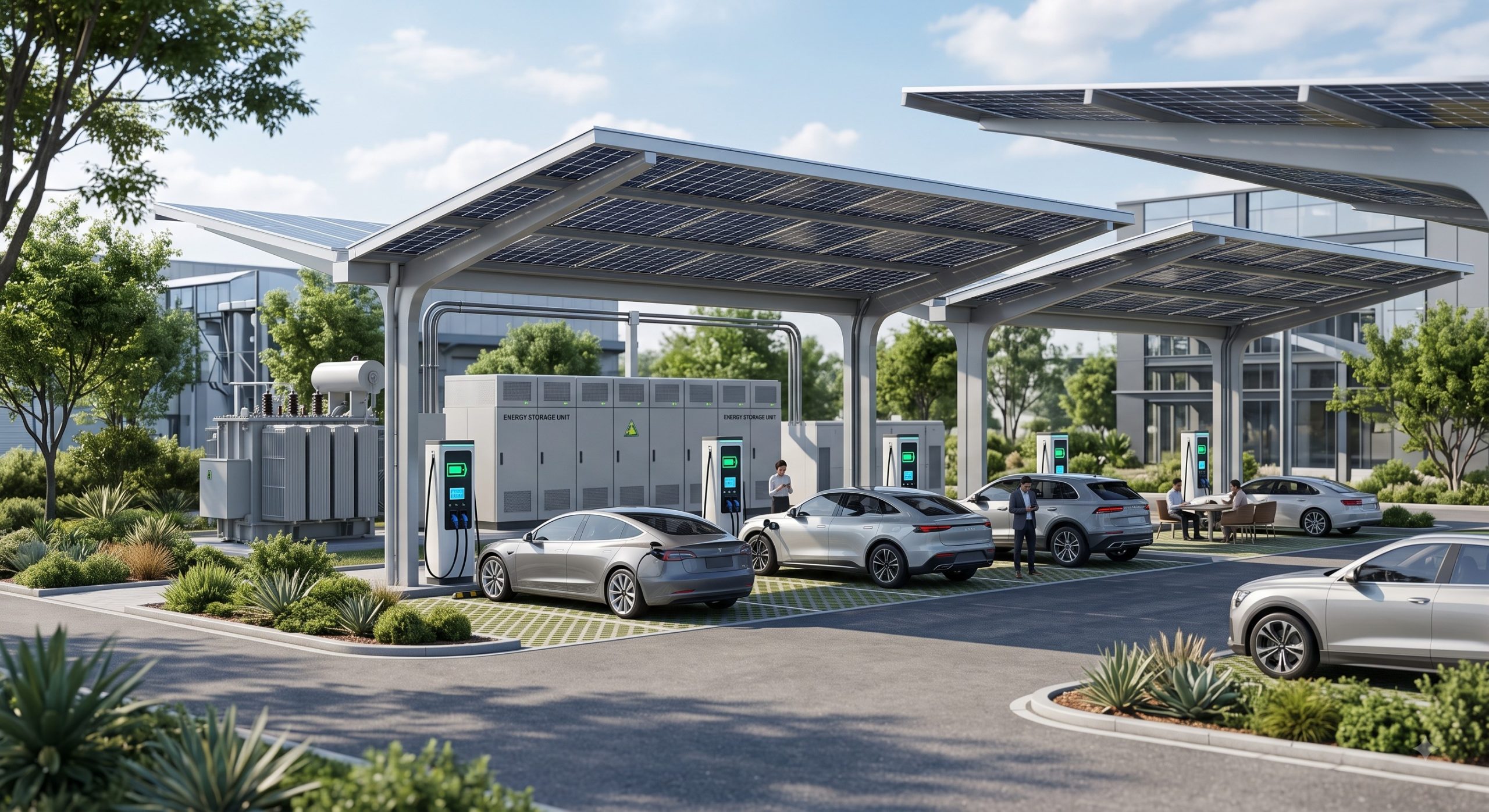
Modern BESS solutions offer modular, scalable architectures. The FlexCombo 2.0 from Cubenergy, for example, offers configurations up to 16 MWh, using parallel architecture to seamlessly enable capacity growth . This is critical for EV supercharging stations, where dynamic loads require ultra-fast response and peak shaving to avoid grid upgrades.
Furthermore, distributed BESS (D-BESS) systems are enhancing grid restoration capabilities. By integrating at the distribution level, these systems support blackout recovery and act as a bridge to long-lead-time solutions like transmission build-out, improving overall system reliability .
Conclusion
The utility grid stabilization battery is more than an energy storage device; it is a strategic asset for grid resilience. By leveraging grid-forming technology, advanced liquid cooling, and multi-service EMS, these systems provide a cost-effective and proven solution to the inertia crisis facing renewable-heavy grids. For utilities and large C&I facilities, investing in a compliant, high-performance BESS is a critical step towards achieving energy independence, financial efficiency, and net-zero carbon goals. The transition to a stable, sustainable grid is not just possible; it is being built today, one MWh at a time.