Introduction: The Strategic Imperative of Valley Filling in Modern C&I Energy Management
In the current landscape of escalating industrial electricity costs and stringent carbon regulations, the valley filling battery system has emerged as a critical technological asset for commercial and industrial (C&I) facilities. Unlike standard peak-shaving that merely caps demand, advanced valley filling energy storage strategies directly address the economic inefficiencies of time-of-use (TOU) tariffs and the grid stability challenges posed by renewable integration .
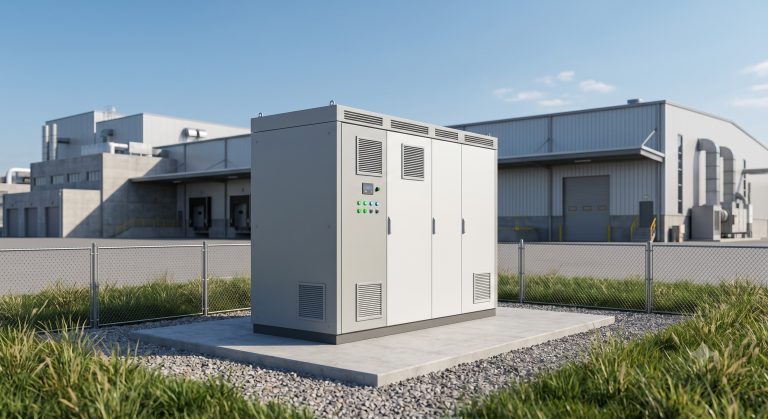
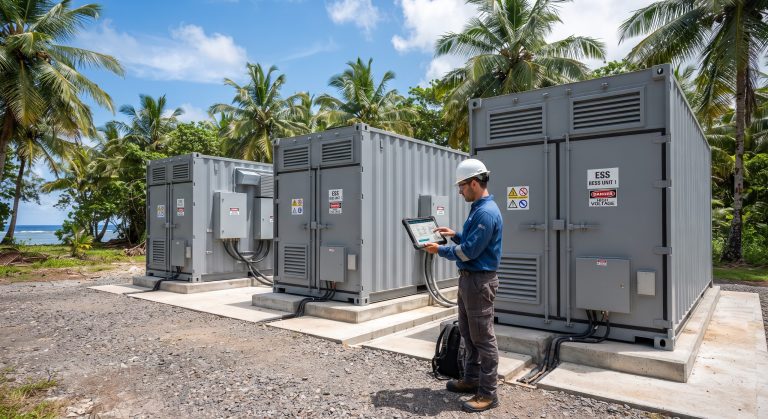
For the B2B procurement specialist and system architect, a valley filling battery system is defined by its ability to store low-cost off-peak electricity and strategically discharge it during high-demand periods, significantly flattening the facility load curve and maximizing peak-valley arbitrage . This blog provides a comprehensive technical deep dive into the engineering, safety, and commercial specifications of modern commercial battery energy storage systems (BESS) optimized for valley filling.
Core Architecture & Advanced Battery Management Systems (BMS)
Topology and System Integration
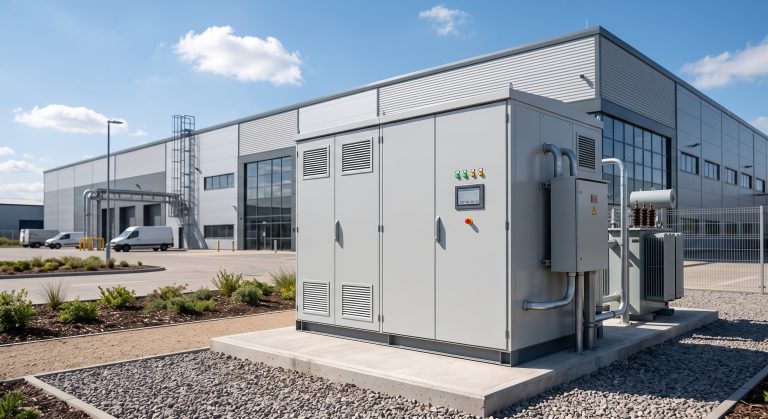
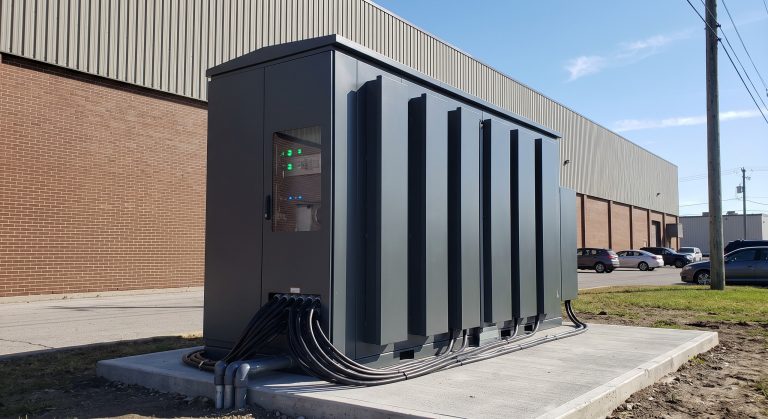
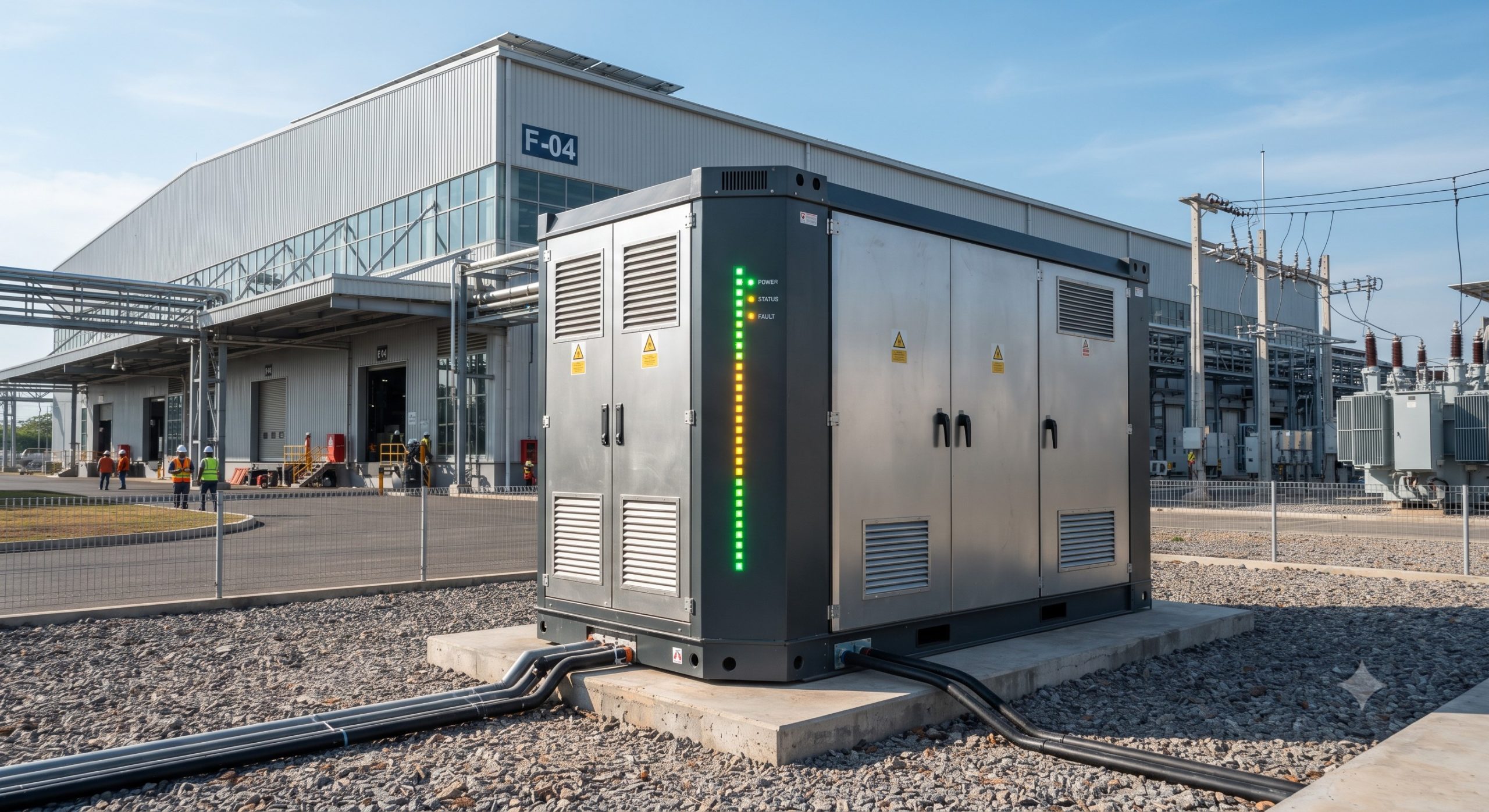
An effective valley filling solution hinges on a robust two-stage or multi-stage system architecture. A typical configuration includes a Power Conversion System (PCS), which handles the bi-directional AC/DC conversion, and an intelligent Battery Management System (BMS). Recent innovations highlight the integration of DC/DC converters for precise cell voltage control, ensuring optimal performance during the charging phase (valley filling) . For high-capacity grid-connected applications, a modular architecture utilizing a master AC combiner cabinet (e.g., 500kW/4-in-1 aggregation) is standard for centralizing power management from multiple BESS cabinets .
Liquid Cooling vs. Air Cooling: PCS Integration
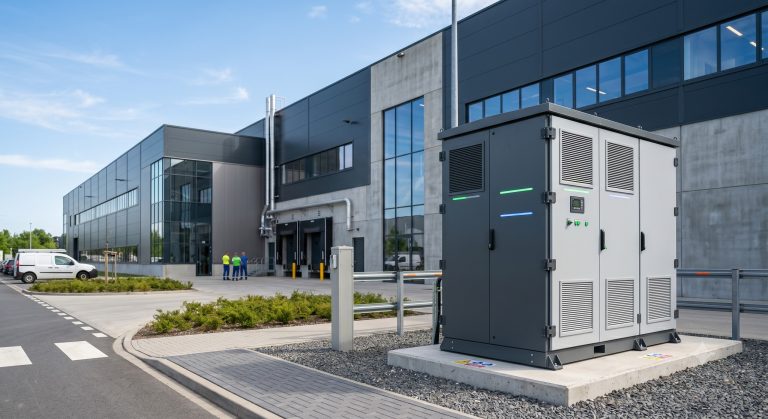
Thermal management is the cornerstone of longevity and safety in high-throughput valley filling operations. While air-cooled systems are viable for lower capacities, the industry is rapidly adopting liquid cooling technology for high-density systems (e.g., 261kWh cabinets). Liquid cooling offers superior thermal regulation (often within +/- 2°C) across the battery pack, preventing cell-to-cell temperature variations that accelerate degradation and ensuring high round-trip efficiency over the system’s lifecycle . This is crucial for maintaining performance during the intense discharge cycles required for peak shaving.
Technical Specifications & Compliance (IEC 62619 / UL 9540)
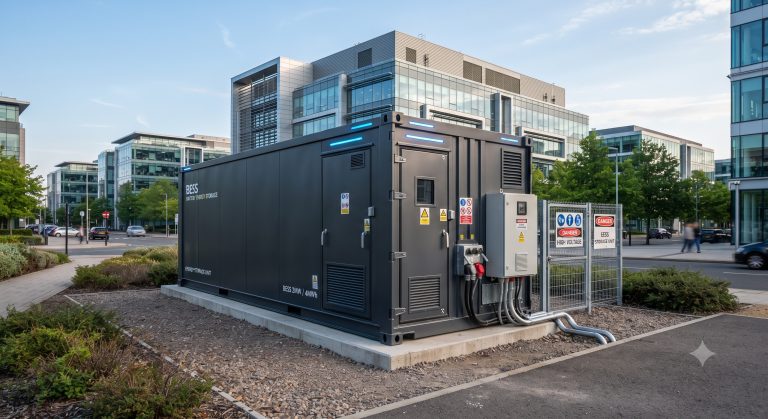
When sourcing a valley filling battery system, adherence to global safety and performance standards is non-negotiable. Systems must comply with IEC 62619 (safety requirements for industrial batteries), UL 9540 (energy storage systems and equipment), CE, and UN38.3 (transportation safety). The following table outlines the critical specifications for a typical modular liquid-cooled system designed for peak shaving and valley filling applications .
| Parameter | Specification |
|---|---|
| Battery Chemistry | Tier-1 LFP (Lithium Iron Phosphate) – 280Ah to 314Ah cells |
| Rated Capacity (Energy) | 215kWh – 261kWh per standard cabinet; scalable to MWh |
| Nominal Voltage | 768V DC – 832V DC (depending on 1P48S/1P52S configuration) |
| Cycle Life (Projected) | >8000 cycles @ 90% DoD (Depth of Discharge) |
| Round-Trip Efficiency (RTE) | Up to 92% (with liquid cooling optimization) |
| PCS Rated Power | 100kW – 125kW per cabinet |
| Cooling Method | Liquid-Cooled (Standard) / Air-Cooled (Optional) |
| IP Rating | IP54 (Outdoor Installation Ready) |
| Fire Suppression | Aerosol / Perfluorohexanone (Integrated) |
| Parameter | Specification |
|---|---|
| Battery Chemistry | Tier-1 LFP (Lithium Iron Phosphate) – 280Ah to 314Ah cells |
| Rated Capacity (Energy) | 215kWh – 261kWh per standard cabinet; scalable to MWh |
| Nominal Voltage | 768V DC – 832V DC (depending on 1P48S/1P52S configuration) |
| Cycle Life (Projected) | >8000 cycles @ 90% DoD (Depth of Discharge) |
| Round-Trip Efficiency (RTE) | Up to 92% (with liquid cooling optimization) |
| PCS Rated Power | 100kW – 125kW per cabinet |
| Cooling Method | Liquid-Cooled (Standard) / Air-Cooled (Optional) |
| IP Rating | IP54 (Outdoor Installation Ready) |
| Fire Suppression | Aerosol / Perfluorohexanone (Integrated) |
Commercial ROI & Grid Support: The Economics of Valley Filling
Total Cost of Ownership (TCO) and LCOE
The economic justification for a valley filling battery system relies heavily on the Total Cost of Ownership (TCO) and Levelized Cost of Energy (LCOE). Using a lifecycle cost model, the critical breakeven point for peak-valley arbitrage is highly sensitive to the TOU price difference and the system’s amortized cost. The implementation of a two-stage system for valley filling can significantly improve the utilization rate (up to 16.25%) and shorten the investment payback period by over 1.5 years compared to fixed schedule strategies .
Demand Response and VPP Readiness
Beyond arbitrage, a smart valley filling battery system is a key asset for Virtual Power Plant (VPP) participation and frequency regulation. By utilizing the idle periods between standard cycles to provide grid balancing services (ancillary services), facilities can unlock additional revenue streams, effectively shortening the investment recovery period from 8.09 years to approximately 6.34 years .
Deployment Scenarios: PV-Storage-Charging Synergy
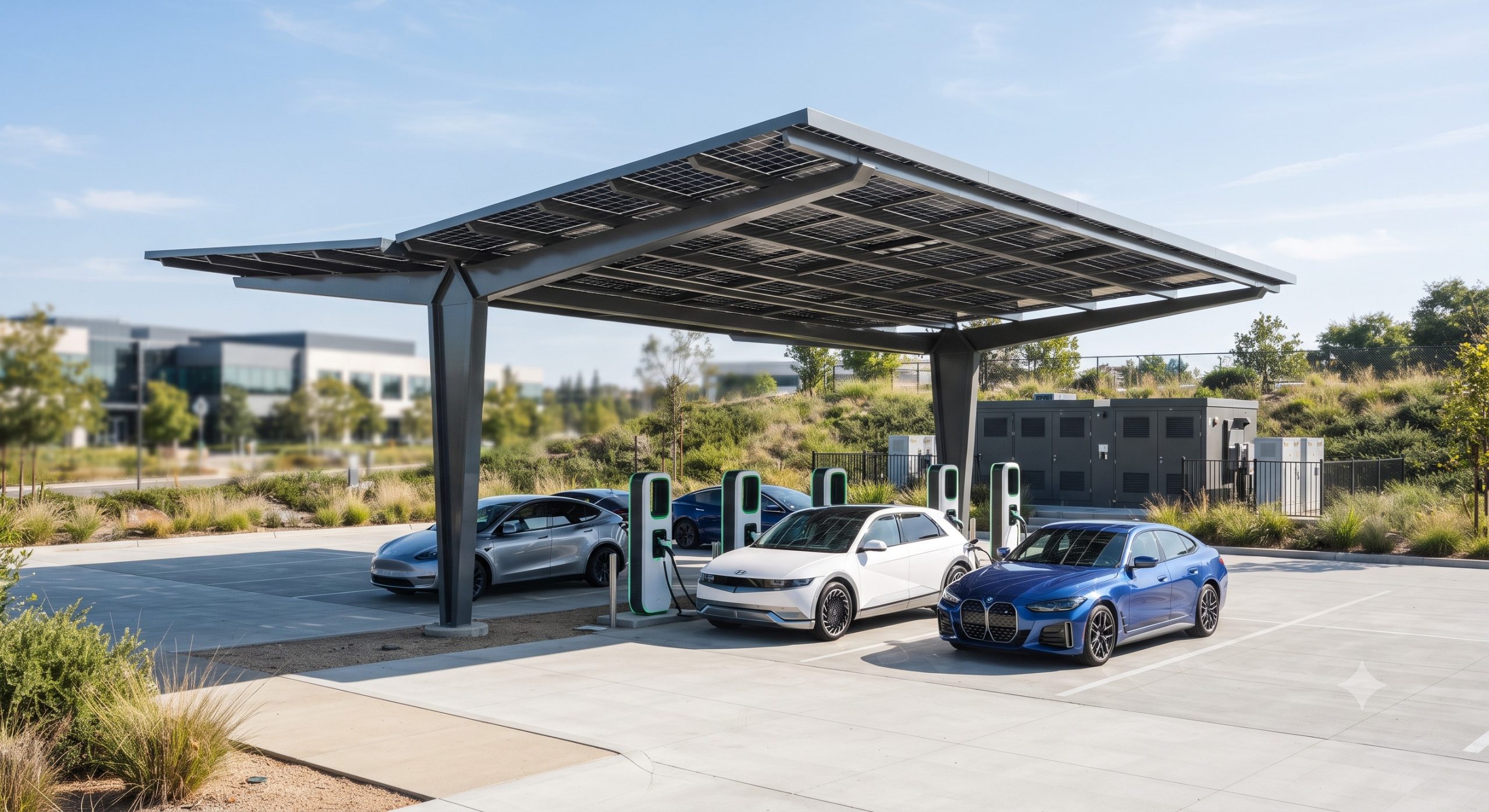
The versatility of a high-performance valley filling system makes it ideal for dynamic environments. In industrial parks, the system supports PV-storage-charging integration, absorbing excess solar generation during the day (load shifting) and performing valley filling at night. This is particularly effective for EV supercharging stations, where the BESS provides peak shaving to reduce demand charges on the grid while simultaneously enabling fast charging capabilities .
Conclusion: The System Architect’s Verdict
The modern valley filling battery system is far more than a simple battery; it is a sophisticated grid asset. By deploying systems featuring LFP chemistry, advanced liquid cooling, and compliance with UL 9540 & IEC 62619, businesses can achieve energy independence, reduce operational costs, and contribute to grid stability. As we move towards zero-carbon migration, the economic and environmental case for a data-driven, modular valley filling strategy is irrefutable.