Introduction: The Critical Role of Battery Post Clamps in Modern C&I Energy Storage
In the rapidly evolving landscape of Commercial and Industrial (C&I) energy storage, the humble Battery Post Clamp is often the unsung hero of system reliability. For B2B procurement specialists and system architects, the selection of a battery post clamp is not merely about connectivity; it is a foundational decision impacting system capacity (kWh/MWh), round-trip efficiency, and long-term Levelized Cost of Energy (LCOE). As C&I facilities migrate towards complex micro-grids and PV-storage-charging integration, the demand for high-integrity, low-resistance connections has never been greater. This guide provides a technical deep-dive into the architecture, commercial viability, and future-proofing strategies surrounding the battery post clamp, ensuring your assets achieve peak performance and regulatory compliance under standards like IEC 62619 and UL 9540.
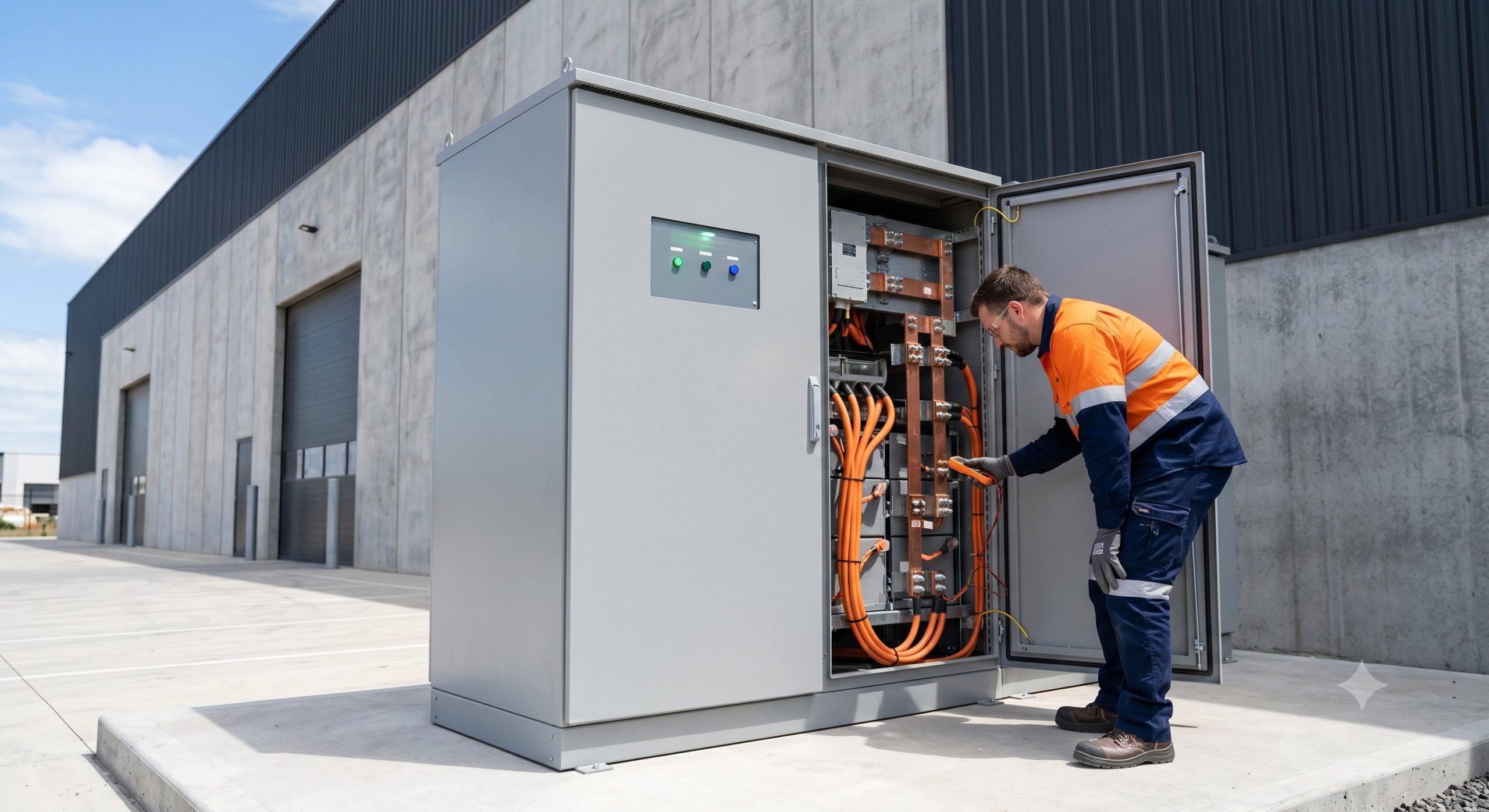
Core Architecture and Battery Management Systems (BMS) Integration
The evolution of the battery post clamp from a simple mechanical fastener to a critical component of the Battery Management System (BMS) reflects the increasing demands of Tier-1 LFP cell technology. Traditional lead-based clamps, while still used in automotive contexts , are being superseded by high-conductivity brass and tin-plated copper alloys in C&I applications to handle higher current loads and minimize energy loss .
Mechanical and Electrical Design
Contemporary designs emphasize tool-less operation and secure mechanical engagement. For instance, the axially actuated battery terminal post clamp utilizes a bolt oriented parallel to the battery post axis. This design, employing frustoconical tapers on bolts and nuts, ensures uniform clamping pressure around the post, significantly reducing contact resistance compared to transversely-actuated designs . This uniform pressure is vital for maintaining low contact resistance over thousands of cycles.
Alignment and Spring Mechanics
Advanced designs integrate spring mechanisms to maintain alignment and clamping force. A V-shaped spring, press-fit into slots on the clamping members, can effectively provide the biasing force necessary to keep jaws closed while simultaneously preventing twisting or misalignment . This integration reduces part count and enhances reliability, a key factor in the Total Cost of Ownership (TCO) analysis for large-scale storage.
Technical Specifications and Compliance
When sourcing battery post clamps for large-scale systems, specific technical parameters and certifications are non-negotiable. The table below outlines key specifications required for high-performance C&I BESS applications.
| Parameter | Specification Requirement | Industry Standard |
|---|---|---|
| Material | High-Conductivity Brass (C26000) / Tin-Plated Copper | ASTM B111 |
| Grip Force | ≥ 120N (Advanced/Heavy-Duty Applications) | ISO 17592 |
| Temperature Range | -30°C to +100°C (Industrial Grade) | IEC 62619 |
| Corrosion Resistance | ≥ 300 hours Salt Spray (ASTM B117) | ASTM B117 |
| Compliance | UL Listed (UL 9540) / CE | UL 9540 / CE |
Critical Engineering Specs
- Material Composition: Brass, tin-plated copper, or 6061 aluminum. Brass offers a superior balance of conductivity and corrosion resistance .
- Amperage Ratings: Clamps must support high current flows, with specifications available for up to 360 amps depending on wire gauge .
- Corrosion Resistance: Essential for longevity in diverse environments. Look for proven performance under ASTM B117 salt spray testing .
- Compliance: Ensure UL listed status and compatibility with SAE, DIN, and EN tapered post types .
Commercial ROI and Grid Support: Beyond Simple Connectivity
The impact of the battery post clamp on commercial returns extends to peak shaving and demand response strategies. A high-quality clamp, with its consistent low resistance, ensures that the BESS can dispatch energy at the required high C-rate without overheating. This directly translates to higher round-trip efficiency (RTE), maximizing the economic benefit of charging during low-price periods and discharging during peak tariff windows.
Capturing Utility Incentives
For projects participating in VPP (Virtual Power Plant) or frequency regulation markets, the speed and reliability of grid synchronization are paramount. The battery post clamp’s ability to maintain a stable connection under dynamic loading and high-frequency switching is critical for capturing these revenue streams.
Replacing Diesel Generators
In micro-grids designed to replace traditional diesel generators, the battery post clamp ensures reliable power delivery during off-grid transitions. The robust physical connection and reduced maintenance schedule of modern clamps contribute to a more resilient and cost-effective system, lowering the overall LCOE by reducing downtime and operational expenditures.
Deployment Scenarios: Industrial Parks and EV Supercharging
The battery post clamp finds critical application in two major deployment scenarios: Industrial Parks and PV-Storage-Charging hubs for EVs.

Industrial Park Energy Independence
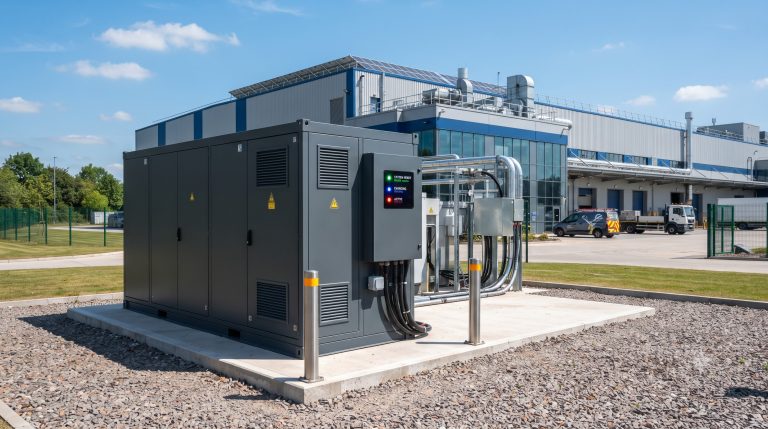
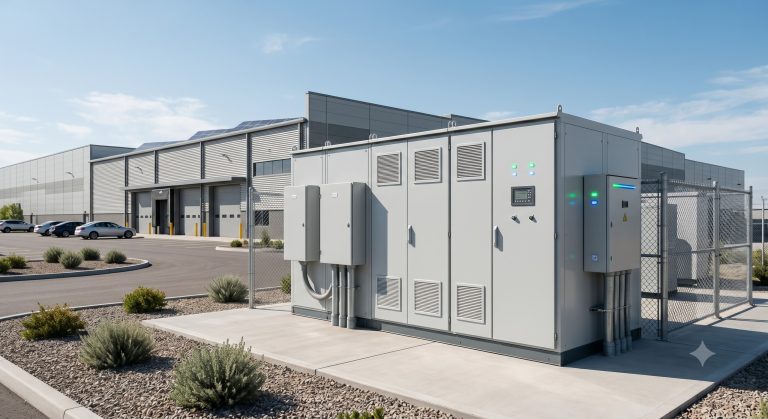
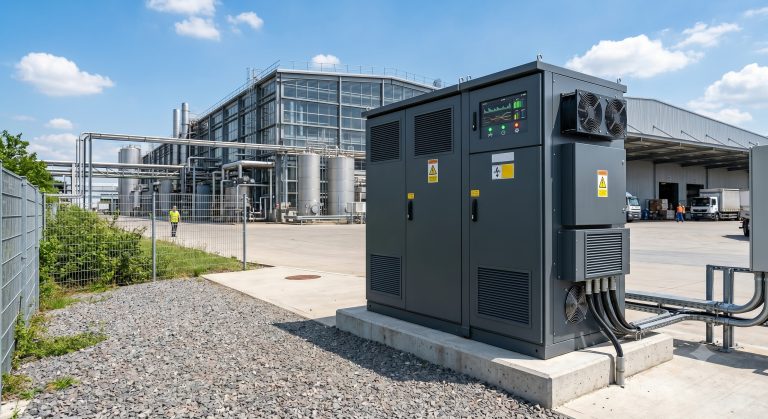
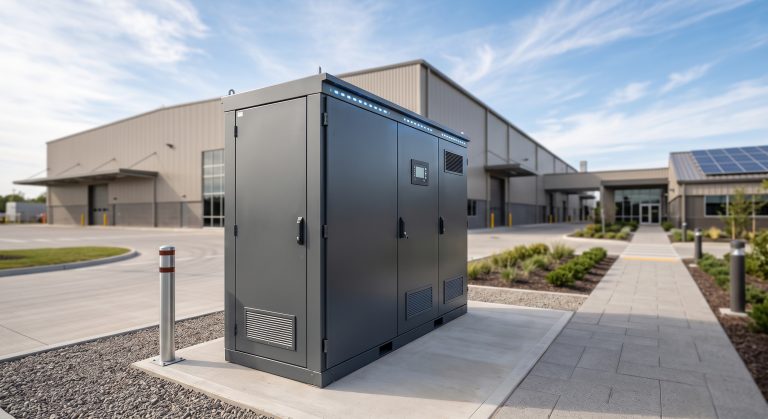
Integrating modular BESS in industrial parks requires clamps that can withstand harsh environmental conditions while ensuring easy field maintenance. The use of quick-release or lever-actuated clamps significantly reduces the time for system upgrades and battery replacements, ensuring high uptime for energy-intensive manufacturing processes.
EV Supercharging Station Synergy
For EV supercharging stations, the power transfer is immense and the duty cycle is high. Battery post clamps in these deployments must handle the sudden surges in current associated with fast-charging protocols. A clamp utilizing a robust clamping mechanism and high-conductivity materials ensures that these energy transfers occur efficiently and safely, supporting the high-cycling demands of the station.
Conclusion: Strategic Sourcing for Future-Ready Systems
In conclusion, the battery post clamp is a strategic component in the architecture of modern C&I energy storage. Its selection impacts everything from immediate operational efficiency (RTE, DoD management) to long-term financial performance (LCOE, TCO) and compliance with safety standards (UL 9540, IEC 62619). As the industry moves towards higher capacities and more integrated solar-storage-charging solutions, the demand for high-quality, certified battery post clamps from Tier-1 suppliers will continue to grow. Procurement professionals must prioritize technical specifications, material quality, and compliance to ensure their energy storage assets are reliable, safe, and profitable for decades to come.