Introduction: The Era of MWh-Scale C&I Energy Storage
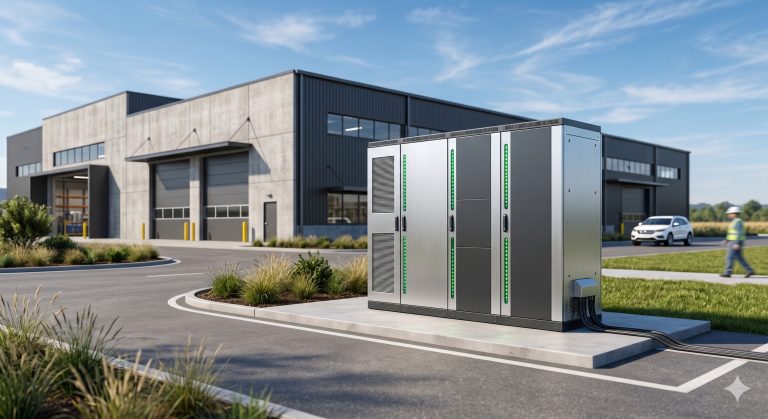
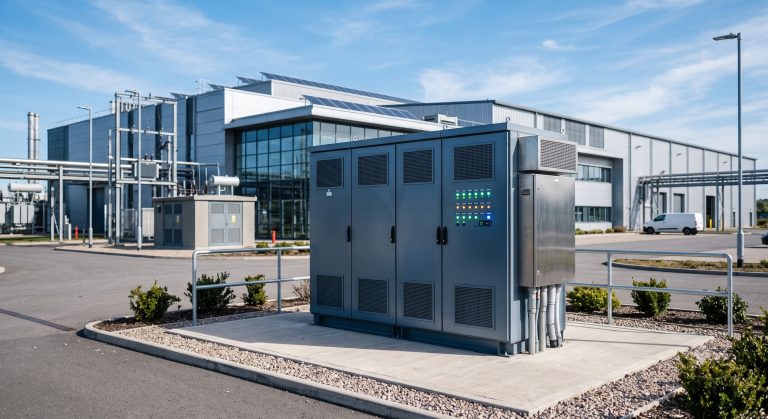
The commercial and industrial (C&I) sector is experiencing a paradigm shift as energy costs soar and grid infrastructure ages. For facility managers and energy directors, the decision to deploy a Battery Energy Storage System (BESS) is no longer experimental—it is a financial and operational necessity. However, the transition from kilowatt-hour (kWh) pilot projects to megawatt-hour (MWh) scale deployments introduces a new layer of complexity. At the heart of this scalability lies effective battery cluster management, a discipline that dictates not only the longevity and safety of the asset but also its ability to deliver a robust Return on Investment (ROI). This blueprint delves into the engineering, financial, and logistical realities of deploying MWh-scale BESS, focusing on critical aspects such as capacity sizing, liquid cooling thermal control, and adherence to global safety standards like IEC 62619 and UL 9540.
To succeed in this high-stakes environment, procurement teams and system architects must prioritize turnkey delivery models that guarantee seamless integration with existing infrastructure. This guide provides a data-driven evaluation of the technical specifications required for high-capacity systems, ensuring that your transition to energy independence is both profitable and compliant.
Core Architecture & Battery Management: The Nervous System of MWh Systems
Cell-to-Cluster Topology and Tier-1 LFP Integration
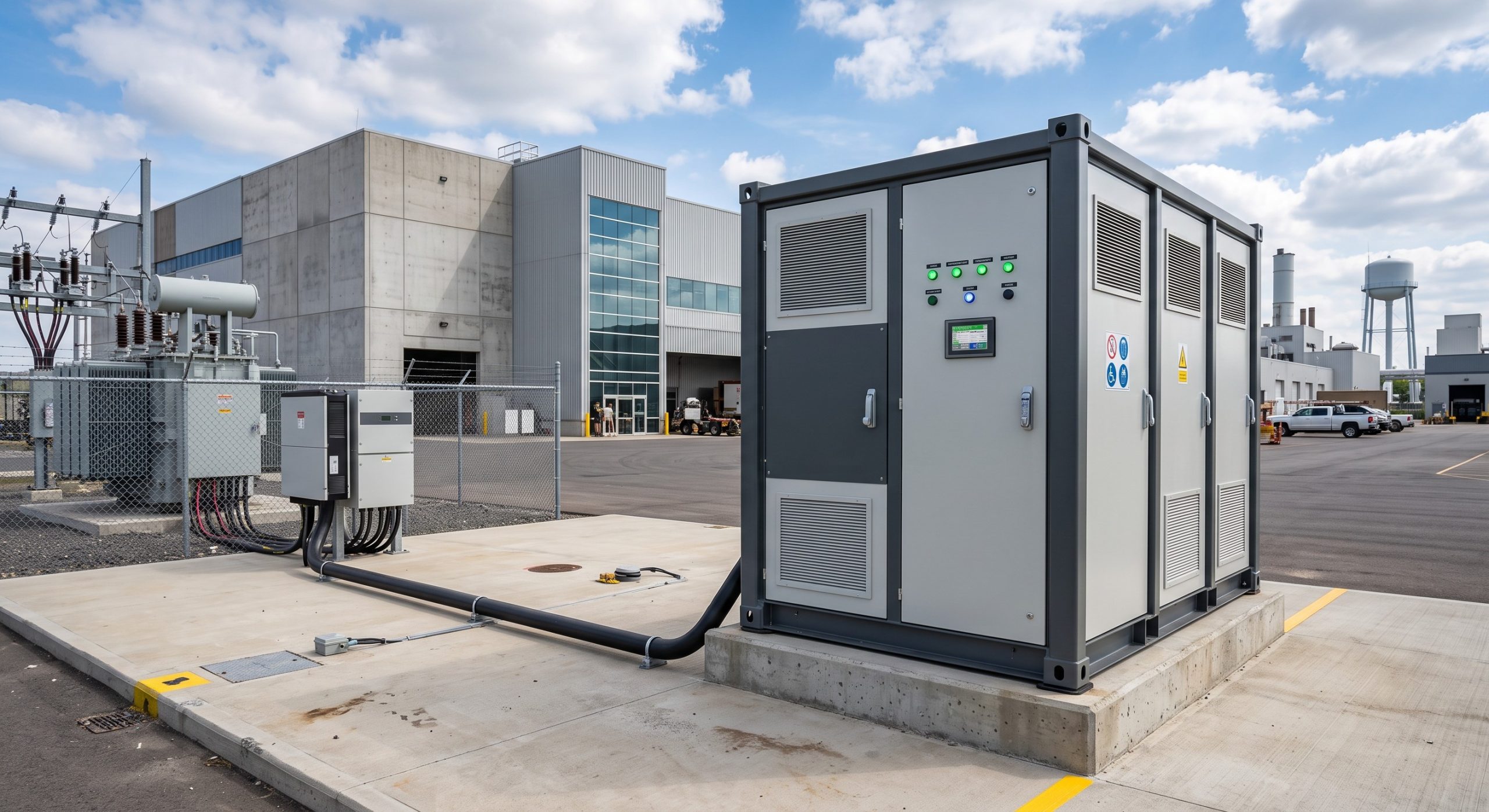
At the core of any robust BESS is the battery cluster. Advanced commercial storage systems leverage a modular architecture that groups cells into manageable clusters. The industry standard is shifting definitively towards Tier-1 LFP (Lithium Iron Phosphate) chemistry. Unlike NMC (Nickel Manganese Cobalt) variants, LFP offers superior thermal stability and a longer cycle life, making it the undisputed choice for high-capacity, stationary storage. These cells are integrated into standardized modules, which are then combined into clusters. Effective battery cluster management relies on a sophisticated Battery Management System (BMS) that continuously monitors voltage, current, and temperature at the cell level. This granularity is essential for cell balancing, preventing overcharge/discharge, and maximizing the operational lifespan of the cluster.
Liquid Cooling Thermal Control: A Non-Negotiable Requirement
For MWh-scale deployments, thermal management is the single most critical factor determining system reliability. While air cooling was adequate for smaller systems, high-density energy storage generates significant heat that must be efficiently dissipated to prevent accelerated degradation and thermal runaway. Liquid cooling systems, utilizing dielectric fluids or water-glycol solutions through cold plates, offer a heat exchange efficiency superior to air. This technology maintains a consistent temperature differential across the cluster, ensuring that all cells operate within the optimal 25°C to 35°C range. The result is a significant reduction in capacity fade and internal resistance growth, directly impacting the system’s round-trip efficiency, which in advanced systems can exceed 95%. Furthermore, liquid cooling allows for higher energy density, enabling more power to be packed into a smaller footprint.
Power Conversion Systems (PCS): The Bi-Directional Bridge
Complementing the BMS and thermal control is the Power Conversion System (PCS). The PCS is responsible for the bi-directional flow of energy, converting DC power from the battery cluster to AC power for grid or load use, and vice versa during charging cycles. In modern architectures, the PCS is closely integrated with the BMS and Energy Management System (EMS) to ensure grid-friendly output. Features like seamless on/off-grid switching, reactive power compensation, and active filtering are now standard. For a turnkey MWh solution, the PCS must be robust enough to handle high-voltage DC inputs and provide peak-shaving capabilities that flatten demand spikes.
Technical Specifications & Compliance Masterclass
When sourcing equipment for MWh-scale projects, the technical datasheet must be scrutinized for specific metrics that validate the manufacturer’s claims regarding performance and safety. Below is a registry of essential specifications that define a high-grade battery cluster management system.
| Key Parameter | Technical Specification |
|---|---|
| Battery Chemistry | Tier-1 LFP (Lithium Iron Phosphate) |
| Nominal Capacity (Cluster) | 200–300 kWh per cluster |
| System Voltage | 800V DC (Typical for MWh scale) |
| Cycle Life | >8,000 cycles @ 90% DoD |
| Round-Trip Efficiency | ≥ 95% (with Liquid Cooling) |
| Cooling Technology | Active Liquid Cooling (Ethylene Glycol/Water) |
| Protection Class | IP54 / NEMA 3R |
| Safety Certifications | UL 9540, IEC 62619, UN38.3, CE |
| BMS Functions | Cell balancing, SOC/SOH estimation, fault detection |
| Response Time (Grid Sync) | < 200ms |
Safety Certifications: UL 9540, IEC 62619, and UN38.3
Compliance with international standards is not just a bureaucratic hurdle; it is a fundamental requirement for insurance approval and grid interconnection. UL 9540 is the standard for safety of energy storage systems and equipment, encompassing fire suppression and electrical safety. IEC 62619 focuses specifically on secondary cells and batteries for industrial applications. Additionally, UN38.3 certification ensures the safe transport of lithium batteries, which is crucial for logistics. A reputable supplier will provide certifications from recognized testing laboratories (e.g., TÜV, UL) alongside Factory Acceptance Testing (FAT) and Site Acceptance Testing (SAT) documentation. The Depth of Discharge (DoD) parameter, typically set at 90% for high-cycle applications, is another critical metric that determines the usable capacity and cycling stress.
Commercial ROI & Grid Support
Total Cost of Ownership (TCO) and Peak Shaving ROI
Investing in MWh-scale storage is a capital-intensive decision. The Total Cost of Ownership (TCO) analysis must factor in CapEx (hardware, installation, engineering) and OpEx (maintenance, insurance, replacement costs). The primary revenue stream for commercial facilities remains peak shaving. By discharging stored energy during peak demand periods, businesses can significantly reduce their demand charges, which often constitute 30-50% of their electricity bills. For instance, a system with a capacity of 1,500 kWh and a DoD of 90% can provide a daily energy arbitrage of approximately 1,350 kWh. If the peak-to-off-peak price spread is $0.15/kWh, the daily savings could reach $200, leading to a payback period of under 4 years for a properly sized system.
Demand Response and Virtual Power Plant (VPP) Readiness
Beyond simple peak shaving, modern systems are designed to participate in Demand Response (DR) programs. An intelligent EMS can dispatch stored energy back to the grid during emergencies or high-demand periods, generating additional revenue streams for the facility owner. This VPP (Virtual Power Plant) readiness is a growing requirement for C&I operators, as utilities increasingly look to aggregated storage for grid balancing services. A cluster with a rapid response time (<200ms) can capitalize on frequency regulation markets, further enhancing the ROI.
Deployment Scenarios: From Industrial Parks to EV Supercharging
The versatility of modular battery cluster management systems allows for deployment in a variety of high-demand environments.
Industrial Parks and Manufacturing Facilities
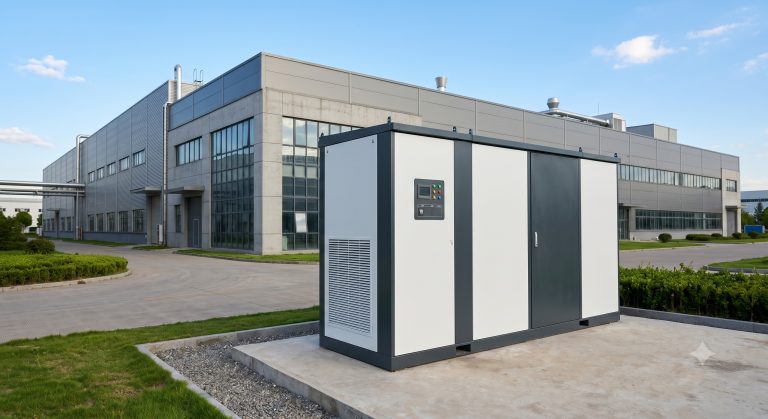
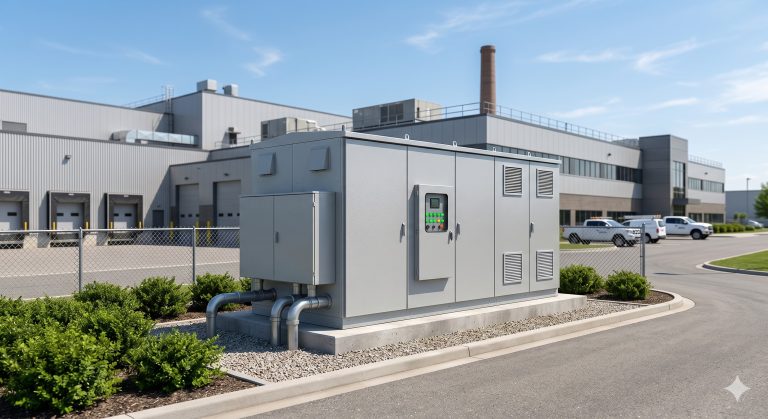
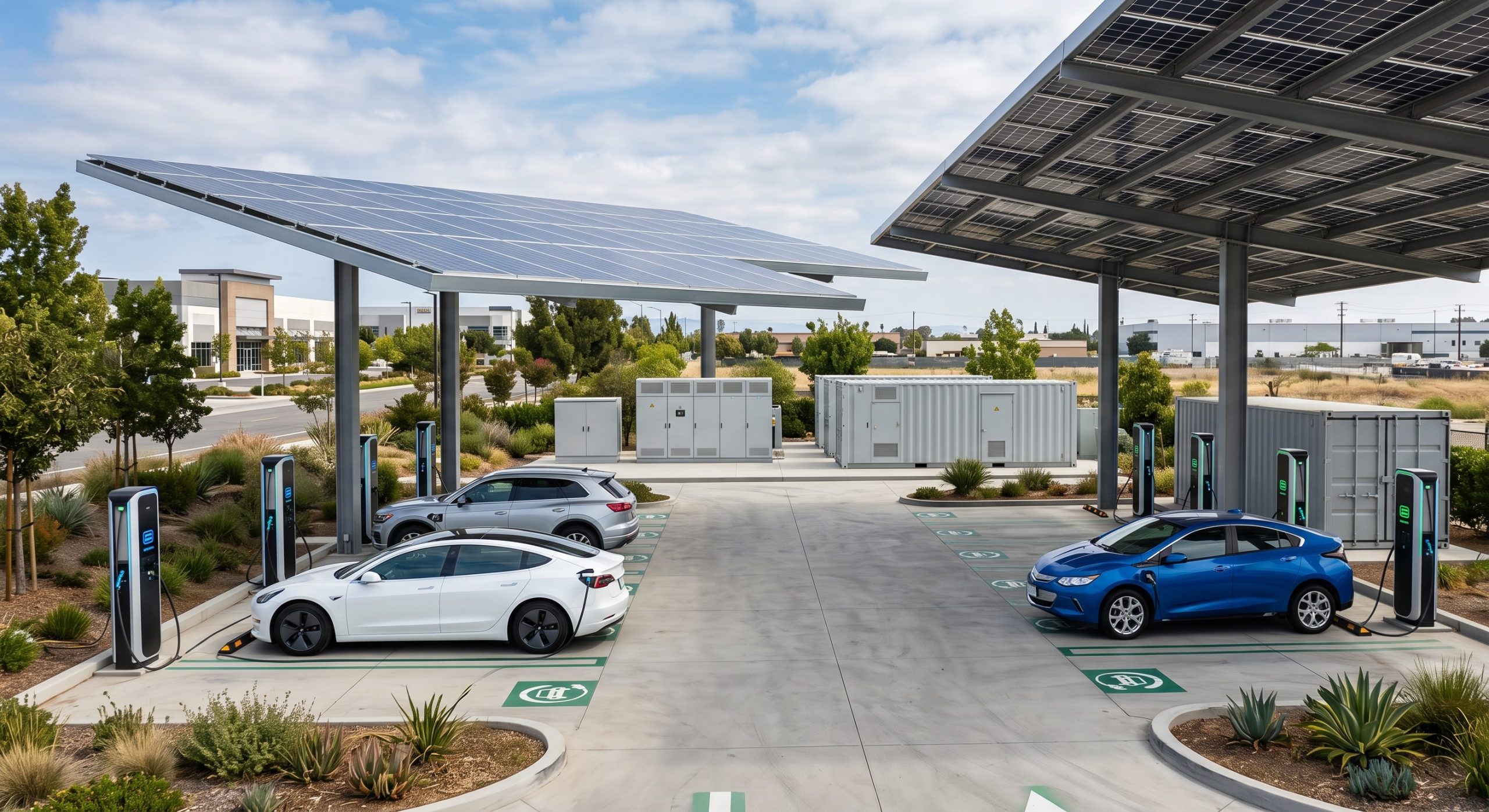
In industrial parks, where heavy machinery causes large demand spikes, MWh-scale systems act as a buffer. The synergy with on-site solar PV generation is particularly compelling. By storing excess solar power generated during the day, the system can shift this energy to the evening peak window, effectively zeroing out peak demand charges and moving the facility closer to carbon neutrality. This integration aligns with the principles of PV-Storage-Charging synergy.
EV Supercharging Stations
With the proliferation of electric vehicles, there is a pressing need to upgrade infrastructure. Installing a high-capacity BESS at an EV supercharging station allows the site to draw constant low-cost power from the grid while discharging it at high-power rates to vehicles. This avoids the exorbitant demand charges associated with high-speed chargers and ensures a stable power supply for multiple vehicles charging simultaneously.
Conclusion: Securing the Future with Turnkey Delivery
The path to MWh-scale energy independence is paved with technical complexity and financial diligence. However, by prioritizing robust battery cluster management systems featuring liquid cooling, Tier-1 LFP cells, and compliance with UL 9540 and IEC 62619, businesses can build a resilient energy infrastructure for the next two decades. The key to success lies in selecting a strategic partner offering turnkey delivery, from capacity sizing to installation and commissioning. As the C&I sector continues to decarbonize, these advanced BESS clusters will not only reduce operational costs but will also serve as pillars for a smarter, more sustainable grid. The time to act is now, leveraging the data and strategies outlined in this blueprint to achieve a competitive advantage.