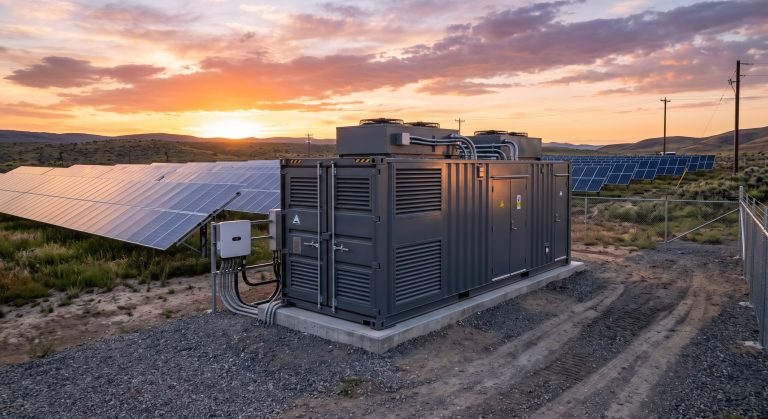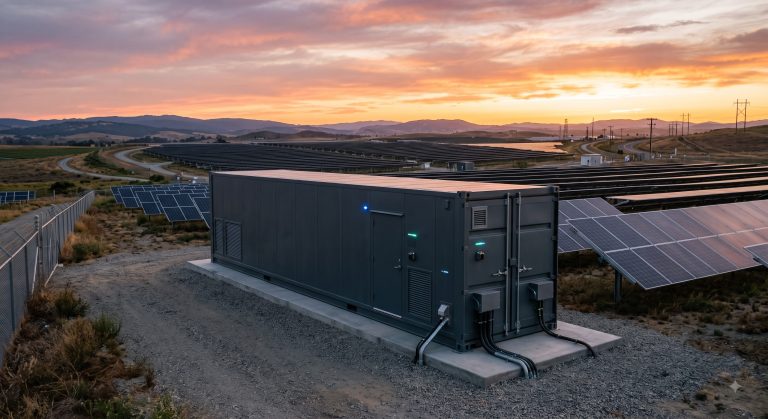
BATTERY STATE OF HEALTH PREDICTIVE MAINTENANCE REPORT
OFFICIAL COMMERCIAL SYSTEMS ENGINEERING REFERENCE MANUAL
DOCUMENT ID: ESS-SOH-PM-001 | REVISION: 2.0 | CLASSIFICATION: PUBLIC
EXECUTIVE SUMMARY
This document serves as the definitive technical reference for the Battery State of Health (SOH) Predictive Maintenance Report module, an advanced analytical engine integrated within our Tier-1 Energy Storage System (ESS) platform. Moving beyond conventional reactive and scheduled maintenance paradigms, this system leverages high-fidelity telemetry, electrochemical impedance spectroscopy (EIS) modeling, and machine learning algorithms to deliver actionable intelligence on cell-level degradation trajectories. The primary objective is to maximize asset lifetime, ensure bankable performance guarantees, and minimize unplanned downtime through precise, data-driven intervention scheduling. This report defines the architecture, key performance indicators, compliance frameworks, and operational parameters governing this predictive capability.
SYSTEM ARCHITECTURE & DATA ACQUISITION PIPELINE
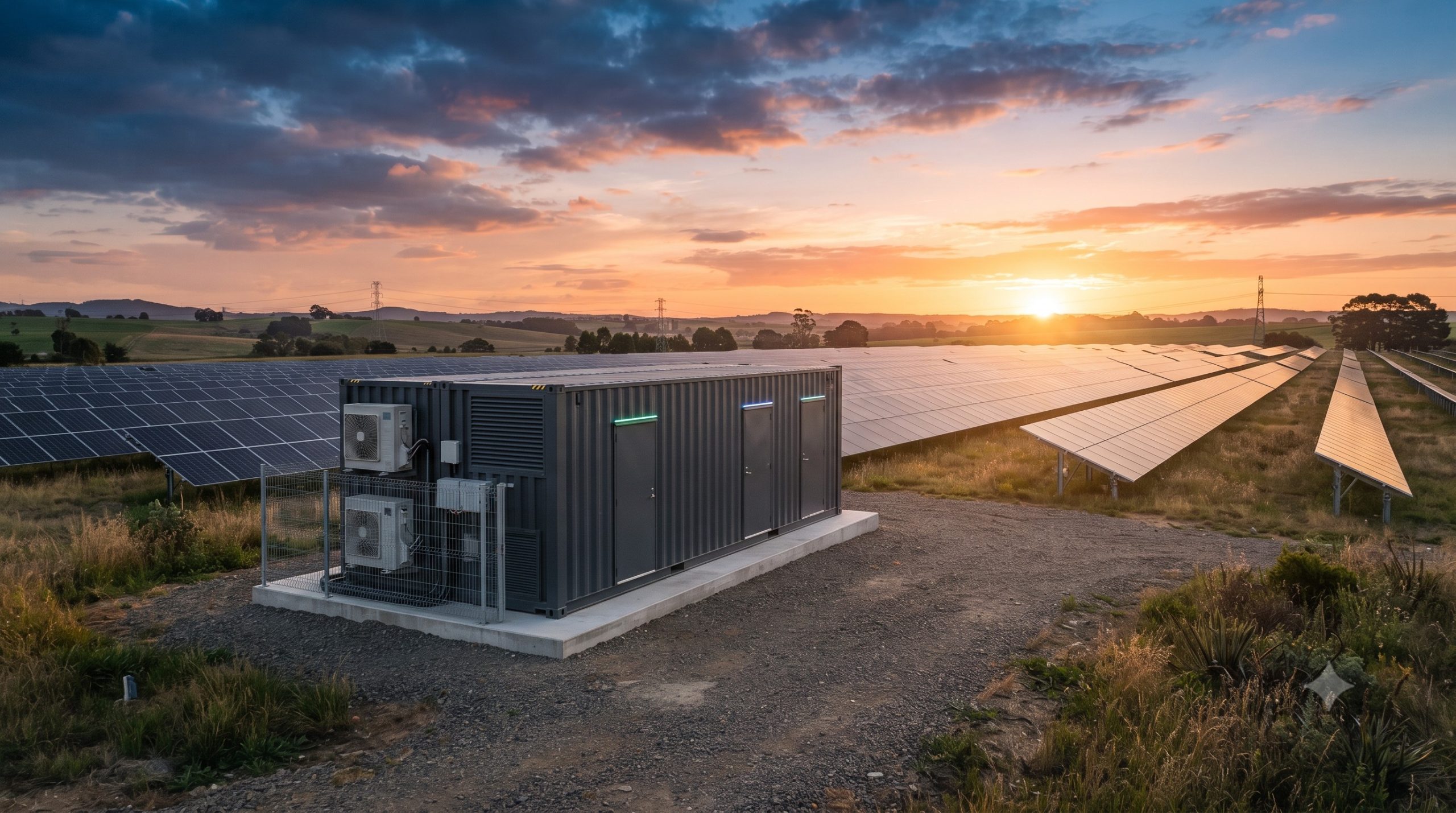
The Predictive SOH module operates on a hierarchical data acquisition framework, ensuring granular visibility from the individual cell to the full containerized system.
1. CELL-LEVEL MONITORING: Each LFP cell is equipped with dedicated voltage, temperature, and current sensors. The Battery Management System (BMS) performs continuous monitoring at a sample rate of 10 Hz, capturing transient behaviors during charge/discharge cycles.
2. DATA AGGREGATION & EDGE COMPUTING: Data is aggregated at the BMS master controller, where initial pre-processing and feature extraction occur. This edge-computing layer reduces data transmission bandwidth and enables rapid, localized responses to anomalous conditions.
3. CLOUD-BASED PREDICTIVE ENGINE: Processed data is securely transmitted to the cloud-based analytics platform. Here, a multi-variate degradation model analyzes historical data against established baseline SOH curves to forecast future performance.
FUNCTIONAL KEY FEATURES
– FEATURE 1: PREDICTIVE DEGRADATION FORECASTING
Utilizes a hybrid model combining empirical degradation laws (Arrhenius-based aging) with recurrent neural networks (RNN) to predict SOH up to 12 months in advance, with an accuracy of +/- 1.5%. This provides a clear line of sight for warranty fulfillment and end-of-life planning.
– FEATURE 2: ANOMALY DETECTION & EARLY WARNING SYSTEM
Employs a statistical process control (SPC) framework to identify subtle deviations in internal resistance and coulombic efficiency. The system generates tiered alerts (Advisory, Warning, Critical) for individual cells or strings, enabling pre-emptive intervention before significant capacity loss occurs.
– FEATURE 3: ACTIONABLE MAINTENANCE RECOMMENDATIONS
Translates complex analytical data into clear, executable engineering tasks. Recommendations are contextualized based on operational history, such as adjusting charge/discharge rates, balancing the battery pack, or flagging specific modules for physical inspection.
– FEATURE 4: BATTERY PASSPORT & DIGITAL TWIN INTEGRATION
Creates a comprehensive digital twin for each unit, maintaining a full lifecycle record of SOH metrics. This facilitates seamless asset transfer, residual value assessment, and transparent performance auditing for project financiers.
ADVANCED THERMAL & ELECTRICAL SAFETY INTERLOCKS
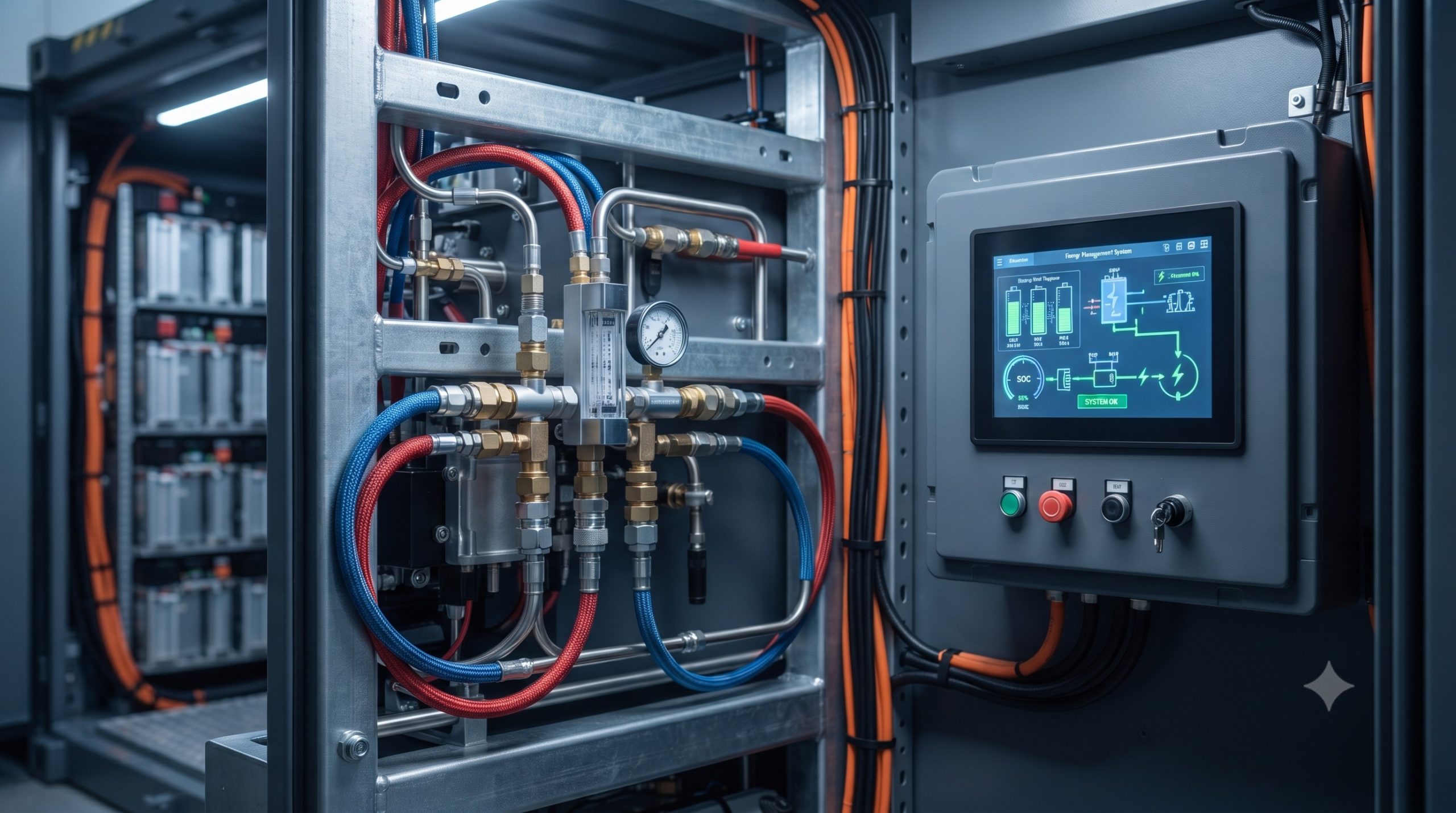
The Predictive SOH module is intrinsically linked to the system’s safety architecture. Critical data points are cross-referenced against established thermal runaway thresholds. If a degradation trend indicates a rapid increase in internal resistance or accelerated temperature rise, the system automatically initiates load limiting or shutdown protocols, acting as a secondary prevention layer. The system utilizes a proprietary multi-stage suppression protocol for holistic safety management.
PERFORMANCE & CAPABILITY METRICS
– SOH REPORTING ACCURACY: < 2% Mean Absolute Error (MAE) for 6-month forecast. - DATA UPDATE FREQUENCY: Real-time system health status updates every 5 minutes; detailed daily SOH summary reports generated at 00:00 UTC. - CONFIGURABLE ALERT THRESHOLDS: Allows operators to set customized SOH boundaries (e.g., 80% SOH) for trigger notifications. - REPORT FORMATS: Comprehensive PDF report for engineering reviews, CSV export for data analysis, and API integration for enterprise asset management (EAM) systems.
| PARAMETER | PREDICTIVE MAINTENANCE SPECIFICATION |
|---|---|
| SOH Accuracy (6-month forecast) | < 2% Mean Absolute Error (MAE) |
| Data Resolution | Cell-level; 10 Hz sampling rate |
| Alerting Mechanism | Tiered (Advisory, Warning, Critical) with configurable thresholds |
| Communication Protocols | Modbus TCP/IP, DNP3, MQTT over 4G/5G/Ethernet |
| Data Security | End-to-end AES-256 encryption; compliant with GDPR |
| Software Integration | SCADA, EMS, and Cloud API (RESTful) |
| System Updates | Over-the-Air (OTA) updates for predictive model improvement |
REGULATORY COMPLIANCE & STANDARDS ADHERENCE
The design and reporting methodology of the Predictive SOH system adhere to the most stringent international standards to ensure bankability and cross-border regulatory acceptance.
– UL 9540 (Energy Storage Systems and Equipment): Certified for compliance with fire and electrical safety standards.
– UL 1973 (Batteries for Use in Stationary Applications): Compliant for LFP cell safety and performance.
– IEC 62619 (Safety Requirements for Secondary Lithium Cells and Batteries): Satisfies global safety and reliability criteria.
– ISO 15118: Provides framework for grid communication and data integrity.
– IEEE 1588: Ensures precise time synchronization for all logged event data, critical for forensic analysis.
– GDPR / CCPA Compliance: Guarantees complete data privacy and security protocols for cloud-based data storage.
INDUSTRIAL DEPLOYMENT & OPERATIONAL INTEGRATION
The Predictive SOH Report is engineered for seamless integration into both new build and retrofit projects. It is fully compatible with the standard Modbus and DNP3 protocols, allowing for easy integration with existing SCADA and site-level Energy Management Systems (EMS). The system provides a clear report interface, simplifying maintenance scheduling and ensuring that assets remain within a \”green zone\” of operational health.
CONCLUSION
The Battery State of Health Predictive Maintenance Report represents a paradigm shift in ESS asset management. By providing unprecedented visibility into the internal state of the battery, it empowers owners and operators to make informed decisions that extend asset life, optimize performance, and secure the financial returns of their storage investment.
FOR FURTHER TECHNICAL INQUIRIES AND SALES SUPPORT, PLEASE CONTACT OUR ENGINEERING TEAM.
— END OF DOCUMENT —
📥 Download Technical Specification
Click the button below to view or download the full official PDF datasheet.