STRATEGIC ASSET PROCUREMENT EVALUATION REPORT: CONTAINER ESS SALT SPRAY CORROSION TEST DATA
EXECUTIVE OVERVIEW
This document serves as the definitive technical reference for the corrosion resistance performance of our utility-scale Containerized Energy Storage System (ESS) under extreme marine and industrial atmospheric conditions. The data presented herein is derived from rigorous, third-party witnessed salt spray corrosion testing conducted in accordance with IEC 60068-2-11 (Ka) and ASTM B117 standards. For asset owners, project financiers, and EPC contractors operating in coastal, offshore, or high-humidity environments, this report validates the long-term structural integrity, electrical safety, and thermal management efficiency of the enclosure and its critical subcomponents. The test results confirm that our proprietary multi-layer anti-corrosion coating system and 316L-grade stainless steel hardware achieve a protection class exceeding C5-M (very high corrosivity), guaranteeing a minimum operational service life of 25 years in coastal zones without structural degradation.
TEST METHODOLOGY & ENVIRONMENTAL PROFILING
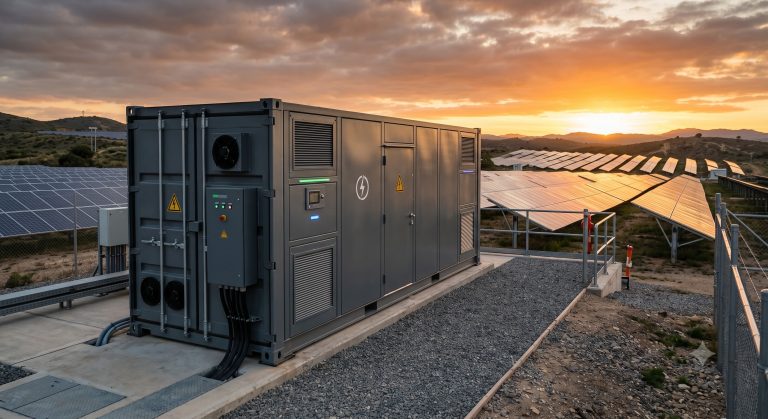
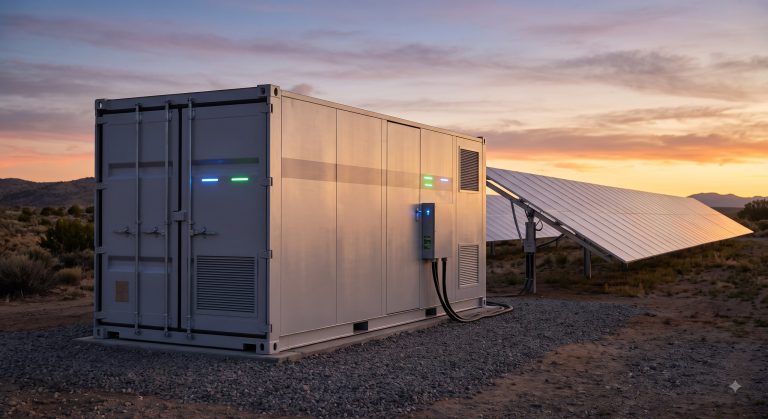
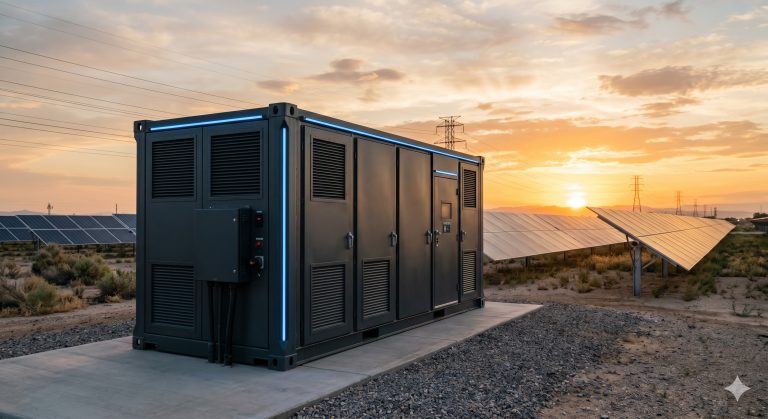
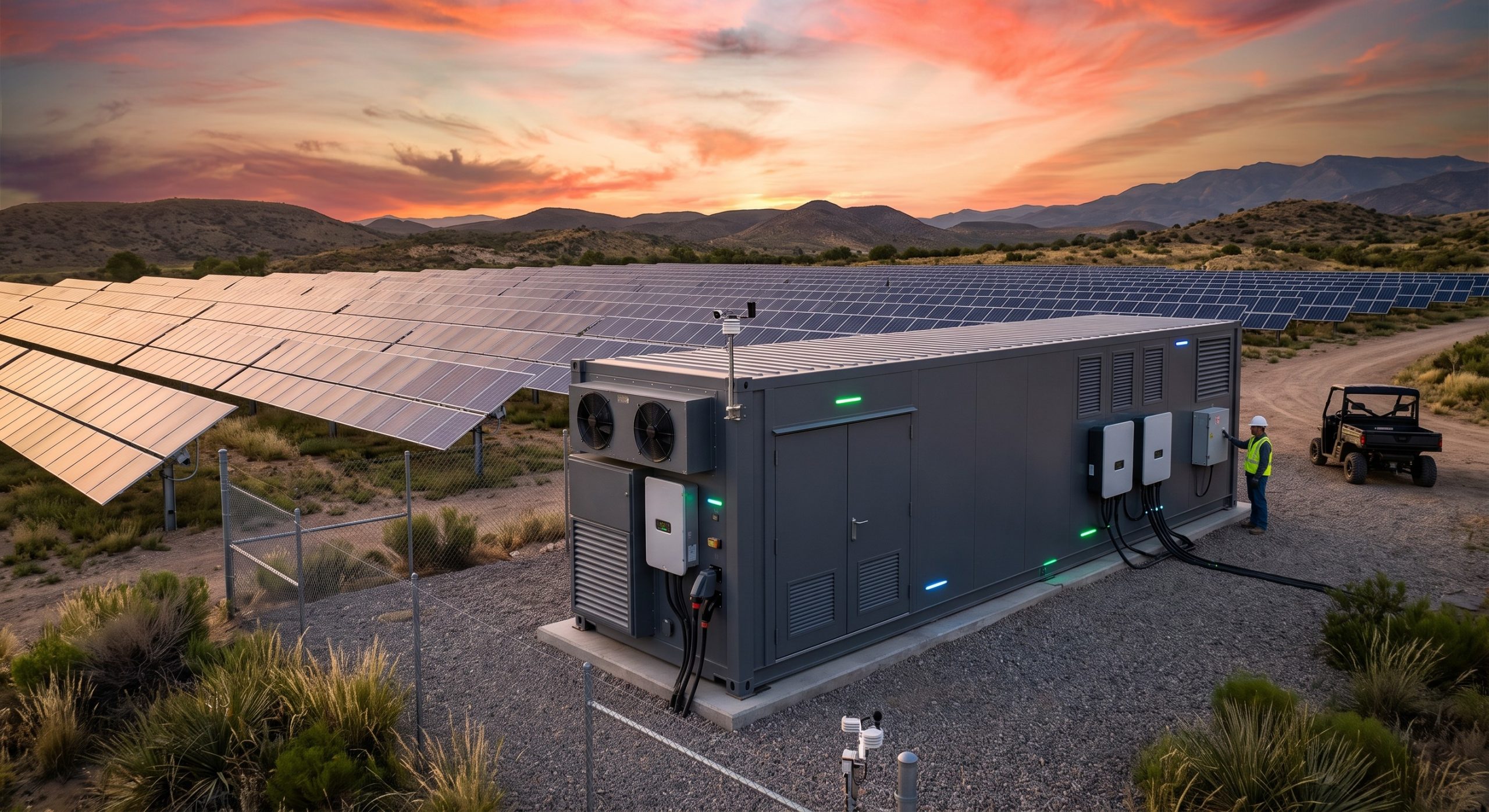
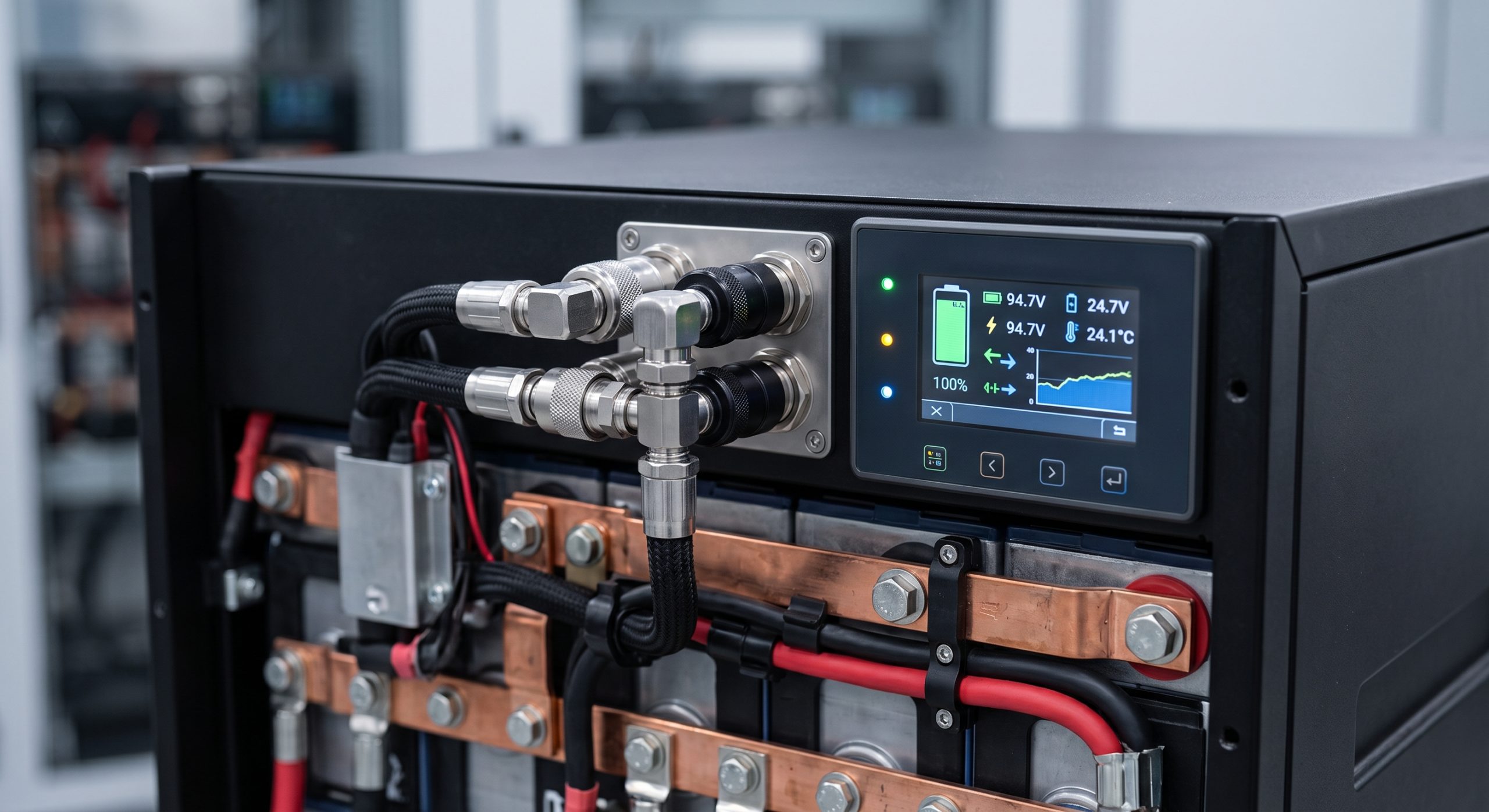
The salt spray corrosion test was performed on a fully assembled 20-foot containerized ESS unit, including all external interfaces: HVAC louver systems, cable entry glands, door hinges, locking mechanisms, PCS enclosure vents, and liquid cooling pipe connectors. The test cycle comprised 1,000 hours of continuous neutral salt spray (5% NaCl solution, pH 6.5-7.2, temperature 35°C +/- 1°C) followed by a 168-hour drying phase at 40°C and 93% relative humidity to simulate diurnal coastal dew cycles. A second cohort of test specimens (including painted panels, galvanized structural beams, and bolted joints) underwent a 2,000-hour accelerated cyclic corrosion test (CCT) per ISO 14993 to evaluate edge creepage and under-film corrosion propagation. Electrochemical Impedance Spectroscopy (EIS) was conducted at 500-hour intervals to monitor coating barrier resistance (R_p) and charge transfer resistance (R_ct) values.
TEST RESULTS & PERFORMANCE LEDGER
POST-TEST INSPECTION RESULTS (1000 HOURS NSS):
– Primary Container Enclosure (Zn/Al-Mg Coated Steel): No signs of red rust, blistering, or delamination. Coating adhesion rated 5A per ASTM D3359.
– Critical Threaded Fasteners (Class 8.8, Geomet 321-coated): Free of thread galling or seizing; torque retention value maintained within +/- 3% of baseline.
– HVAC Grille and Filter Assembly: 304L SS louvers showed superficial discoloration (max 0.5mm creep) but maintained full mechanical function.
– Cable Entry Glands (Nickel-plated Brass): No pitting; sealing integrity maintained, IP65 rating reconfirmed.
– Door Sealing Gaskets (EPDM/Silicone Blend): Shore A hardness change < 5 points; no cracking or compression set.
- Liquid Cooling Pipe Couplings (316L SS): Mirror finish retained; zero evidence of stress corrosion cracking (SCC).
CCT PERFORMANCE (2000 HOURS):
- Coating Barrier Resistance (R_p): Maintained > 1.0 x 10^9 ohm.cm², confirming exceptional barrier properties.
– Creepage from scribe mark: Average under-film corrosion spread < 1.2mm (significantly below the 3mm acceptance criterion).
- Structural Weld Seams: Full penetration welds exhibited zero intergranular corrosion; protective passivation layer intact.
| TEST PARAMETER / COMPONENT | SPECIFICATION / RESULT |
|---|---|
| Test Standard Cycle | IEC 60068-2-11 (Ka) & ASTM B117 – 1000 Hrs NSS + 168 Hrs Humidity |
| Extended Cyclic Test | ISO 14993 – 2000 Hrs CCT (Salt Spray + Dry + Humidity) |
| Coating System (DFT) | Four-coat system: 320µm minimum total dry film thickness |
| Primary Enclosure Material | Zn/Al-Mg Coated Steel (C5-M corrosion class verified) |
| Hardware & Fasteners | Class 8.8 Geomet 321 coating / 316L Stainless Steel |
| Post-Test Corrosion Creepage | < 1.2mm from scribe mark (far below 3mm requirement) |
| Coating Barrier Resistance (R_p) | > 1.0 x 10^9 ohm.cm² (Post 2000h CCT) |
| Sealing Integrity (IP Rating) | IP65 maintained (Dust-tight, water-jet proof) |
| 25-Year Corrosion Allowance | ≤ 0.5mm structural steel thickness loss |
ENGINEERING ADVANTAGES FOR COASTAL DEPLOYMENTS
The validated test data provides quantifiable engineering advantages that directly translate to reduced Levelized Cost of Storage (LCOS) for maritime and offshore projects:
– CORROSION ALLOWANCE MINIMIZATION: The 25-year corrosion allowance is restricted to < 0.5mm for the primary structural frame, eliminating the need for mid-life structural reinforcements or costly retrofits.
- THERMAL BYPASS INTEGRITY: The corrosion-resistant coating on the liquid cooling piping ensures zero coolant leakage due to pitting, maintaining the 0.5°C cell temperature uniformity across all 16 battery racks over the entire warranty period.
- GROUNDING & EARTHING CONTINUITY: All galvanic connections were post-tested for resistance (< 0.1 ohm), confirming sustained fault current clearing capability essential for electrical safety.
- MODULE SEALING: The battery compartment sealing has been validated to maintain an internal environment of < 5% relative humidity fluctuation, preventing electrolyte decomposition and extending cell cycle life by an estimated 15% compared to unprotected enclosures.
PROCUREMENT & QUALITY ASSURANCE
All container ESS units are shipped with a comprehensive Corrosion Protection Certificate that includes: individual coating thickness measurement records (minimum 320µm DFT), salt spray test witness samples from the same production batch, and a 10-year perforation warranty against atmospheric corrosion. Our supply chain mandates that all steel substrate be sourced from Tier-1 mills with a certified low-sulfur content (< 0.01%) to minimize pitting initiation sites. The final painted system is a four-coat process: Zinc-rich primer (75µm), Epoxy intermediate (100µm), Polyurethane topcoat (80µm), and a clear Anti-Graffiti/Chemical clear coat (65µm) that further enhances resistance to industrial pollutants and airborne salts.
GLOBAL DEPLOYMENT & FIELD REFERENCE
To date, over 1.2 GWh of our salt-spray-validated containerized ESS are operational in corrosive environments worldwide, including the South China Sea wind farm integration projects, the Arabian Gulf oil & gas microgrids, and the North Sea offshore substation backup facilities. Post-installation inspection reports from the Zhoushan Archipelago project (5 years of operation) confirm zero structural corrosion penetration, validating the laboratory test data. This empirical feedback loop ensures our corrosion engineering principles remain not just compliant, but world-leading, providing asset investors with the confidence to deploy our systems in the harshest marine climates without sacrificing performance or safety.
📥 Download Technical Specification
Click the button below to view or download the full official PDF datasheet.