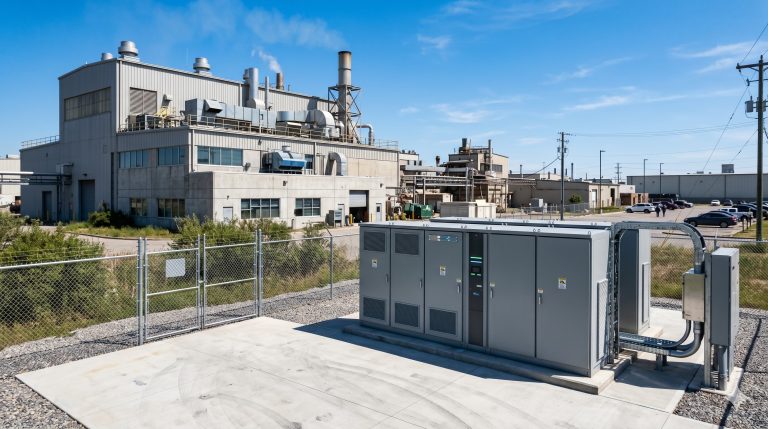
Introduction: The Commercial Energy Crisis and the Strategic Imperative of BESS Procurement
For commercial and industrial (C&I) facility managers, the convergence of volatile utility tariffs, aggressive decarbonization mandates, and the electrification of thermal loads has transformed BESS procurement strategy from a niche capital project into a board-level strategic imperative. A poorly specified Commercial & Industrial (C&I) energy storage system can lock an enterprise into a decade of underperformance, while a meticulously engineered procurement plan can slash peak demand charges by 30–50% and unlock new revenue streams through demand response and virtual power plant (VPP) participation. This guide dismantles the BESS procurement strategy lifecycle—from cell chemistry selection and liquid cooling thermal control to UL 9540 compliance and LCOE modeling—providing a system architect’s blueprint for MWh-scale deployments.
Core Architecture & Battery Management: Specifying the Heart of the BESS
Cell Chemistry and Tier-1 LFP Dominance
At the core of any credible BESS procurement strategy is the battery chemistry decision. Tier-1 LFP (Lithium Iron Phosphate) cells have become the de facto standard for C&I applications due to their superior thermal stability, high cycle life (typically 6,000–8,000 cycles at 80–90% Depth of Discharge (DoD)), and declining cost curve. When negotiating with suppliers, demand cell-to-cell capacity variance of less than 3% and self-discharge rates below 3% per month. The procurement team must verify that the selected cells comply with IEC 62619 and UN38.3 for transport safety.
PCS Bi-directional Conversion and BMS Precision
The Power Conversion System (PCS) must demonstrate a round-trip efficiency of at least 88% at nominal operating conditions. For grid support functions such as frequency regulation and peak shaving, the PCS should offer four-quadrant operation and sub-20ms response time for seamless grid synchronization. The Battery Management System (BMS) must provide active cell balancing, State of Charge (SoC) accuracy within ±3%, and State of Health (SoH) estimation to protect warranty validity. A procurement strategy that treats the BMS as a commodity rather than a critical asset is a liability.
Thermal Control: Liquid Cooling vs. Air Cooling
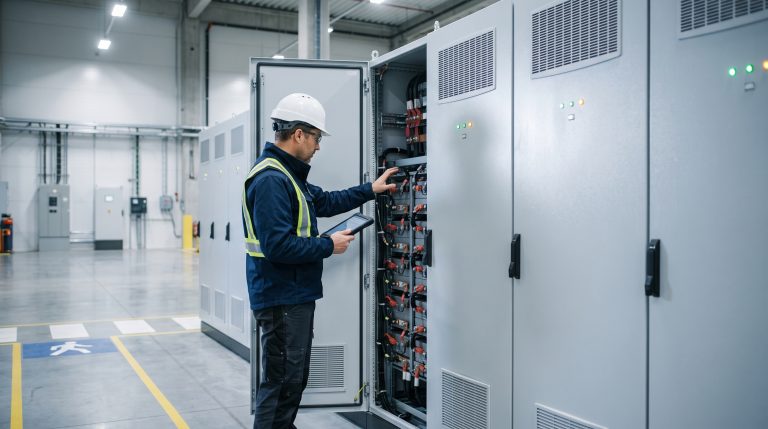
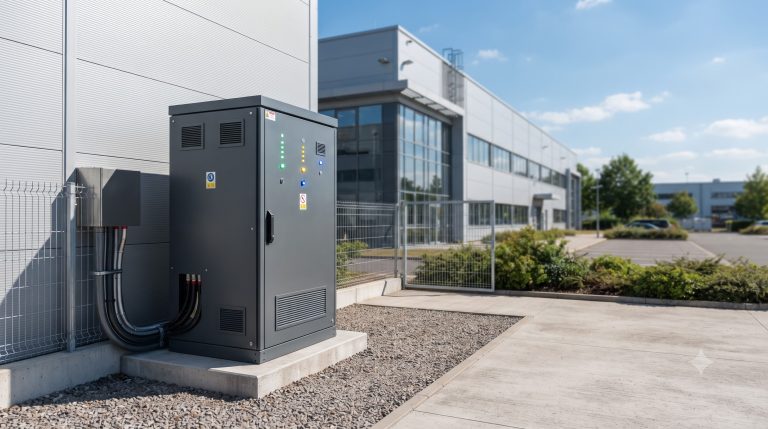
For high-density C&I energy storage cabinets, liquid cooling thermal control is non-negotiable. Liquid cooling maintains cell temperature differentials below 3°C, extending cycle life by 20–30% compared to air-cooled systems. The procurement specification must include coolant flow rate (e.g., 15–25 L/min), operating temperature range (-20°C to 55°C), and IP54 or IP55 ingress protection for outdoor containerized deployments. Thermal runaway propagation prevention must be validated through UL 9540A testing.
Technical Specifications: The Procurement Specification Ledger
The following TABLE_1 represents a baseline technical specification sheet that procurement teams should adapt to their specific load profile and grid interconnection requirements. Every parameter must be contractually guaranteed with performance warranties and liquidated damages clauses for underperformance.
| Key Parameter | Technical Specification |
|---|---|
| Battery Chemistry | Tier-1 LFP (Lithium Iron Phosphate) |
| System Capacity | 500 kWh / 1 MWh / 2 MWh (modular) |
| Cycle Life | >8,000 cycles @ 90% DoD, 25°C |
| Round-Trip Efficiency | ≥88% at 0.5C, including PCS & thermal loads |
| Depth of Discharge (DoD) | 90% usable (100% nominal) |
| Thermal Management | Liquid Cooling, ΔT < 3°C, IP55 |
| PCS Rated Power | 250 kW / 500 kW / 1 MW (bi-directional) |
| Grid Support | Peak shaving, frequency regulation, VPP-ready |
| Communication | Modbus TCP, IEC 61850, OpenADR 2.0b |
| Safety Standards | IEC 62619, UL 9540, UL 9540A, UN38.3, CE |
| Operating Temperature | -20°C to +55°C (derated above 45°C) |
| Warranty | 10 years / 8,000 cycles, 70% SoH guarantee |
Commercial ROI & Grid Support: LCOE, Peak Shaving, and Demand Response
LCOE Modeling and CapEx vs. OpEx Trade-offs
A rigorous BESS procurement strategy must model the Levelized Cost of Storage (LCOS) over a 10–15-year horizon. Key inputs include CapEx (cell, PCS, thermal management, installation), OpEx (O&M, coolant replacement, insurance), and augmentation costs for capacity fade. For a 1 MW / 2 MWh system, a well-structured peak shaving strategy targeting a 500 kW demand reduction can yield annual savings of $80,000–$150,000 depending on utility tariff structures. The round-trip efficiency of 88% versus 85% translates to a 3% delta in energy arbitrage revenue—over a decade, this becomes a six-figure sum.
Demand Response and VPP Readiness
Modern BESS procurement must prioritize VPP readiness and utility incentive capture. The system should support OpenADR 2.0b and IEEE 2030.5 communication protocols for demand response events. Frequency regulation markets (e.g., PJM, ERCOT) can generate $50–$100 per MW-hour of ancillary service revenue. Procurement contracts should specify cybersecurity compliance (IEC 62443) and remote dispatch capabilities via a Smart EMS platform.
Deployment Scenarios: From Industrial Parks to EV Supercharging
Industrial Park Energy Independence
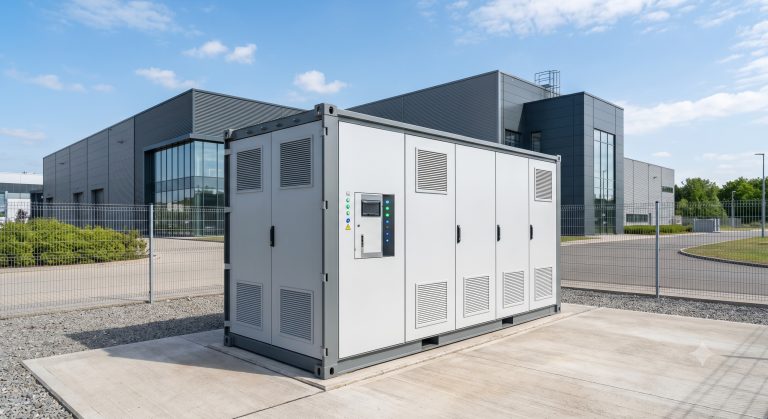
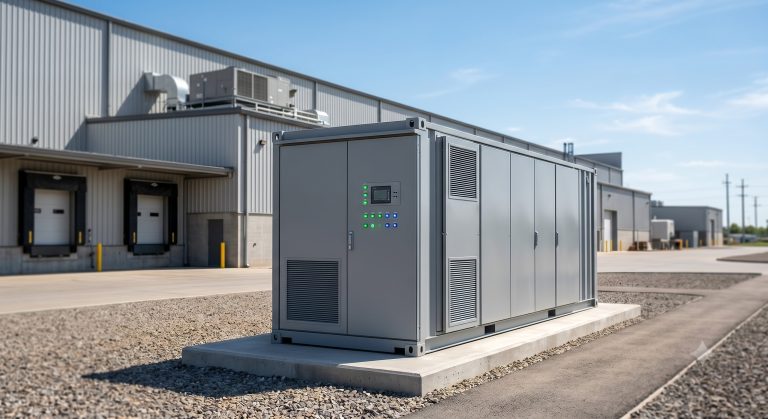
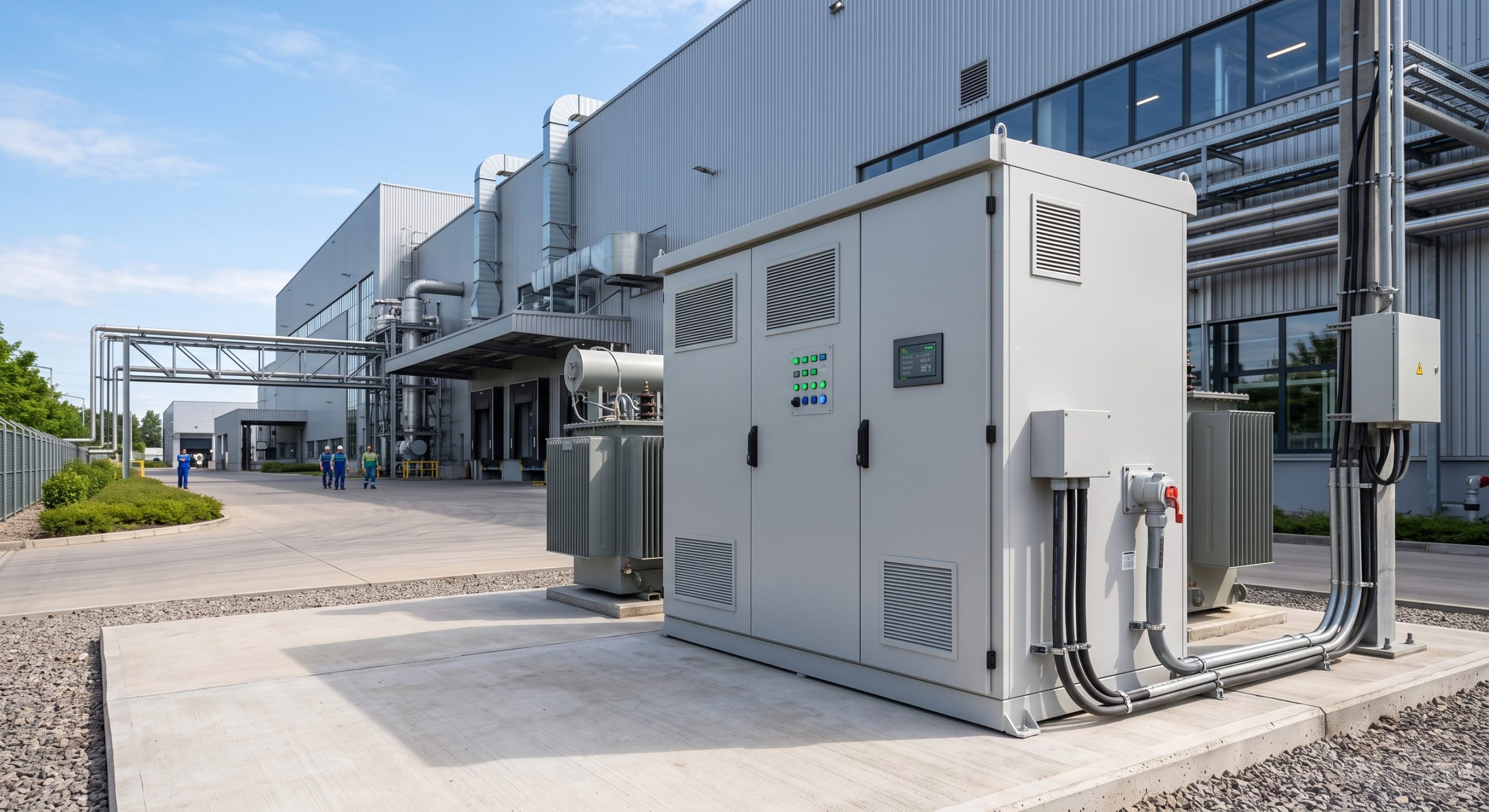
For industrial parks with high demand charges and power quality issues, a modular BESS deployed in parallel cabinet expansion topology enables N+1 redundancy and phased CapEx. Containerized outdoor installation reduces civil works and accelerates turnkey delivery. The EMS must integrate with existing SCADA systems and PV arrays for PV-storage-charging synergy.
EV Supercharging Stations and Micro-grids
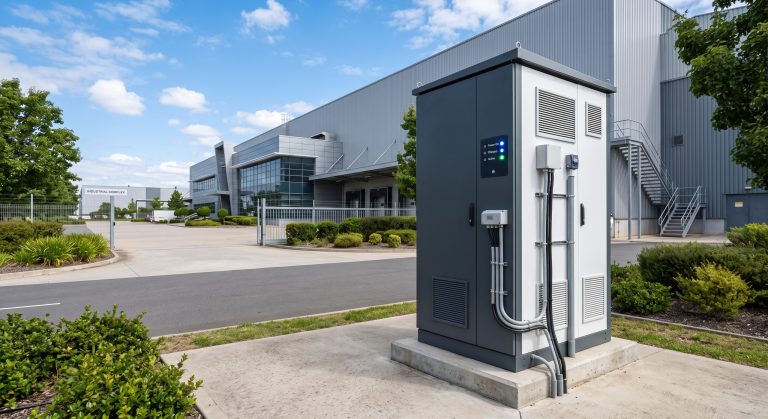
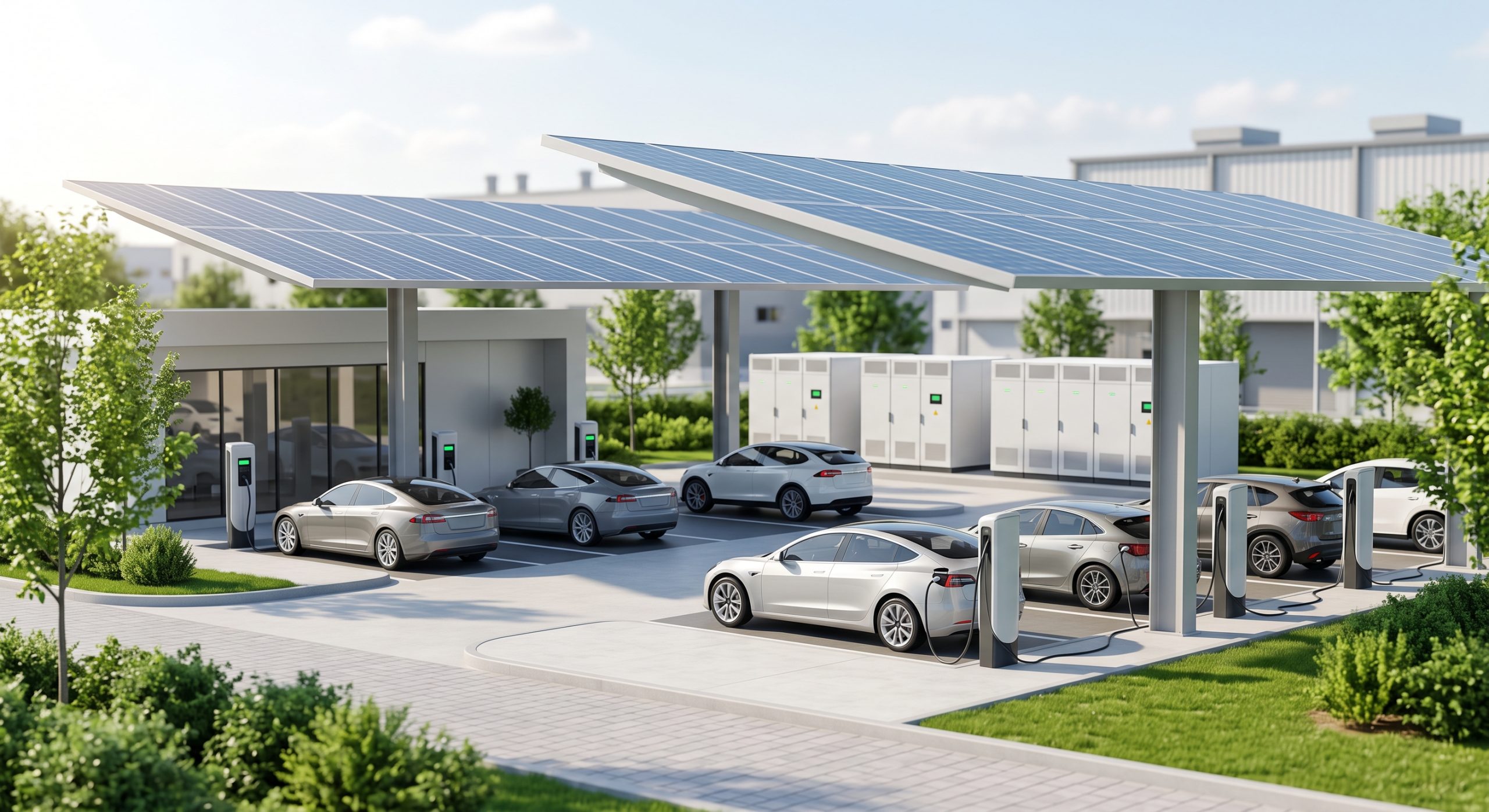
The integration of BESS with EV supercharging stations mitigates grid interconnection bottlenecks and demand charge spikes. A 500 kWh / 250 kW BESS paired with a solar canopy can buffer fast charging loads, reducing utility upgrade costs by up to 60%. The procurement strategy must account for high-cycle operation (2–3 cycles/day) and specify liquid-cooled cabinets with IP55 rating for outdoor charging hubs.
Conclusion: A Procurement Action Plan for Zero-Carbon Resilience
An elite BESS procurement strategy is not a one-time purchase order—it is a lifecycle asset management framework. Procurement leaders must demand Tier-1 LFP cells, liquid cooling thermal control, UL 9540 and IEC 62619 certifications, and performance guarantees backed by FAT/SAT audits. By rigorously modeling LCOE, round-trip efficiency, and demand response revenue, C&I facilities can achieve energy independence, decarbonization, and a payback period of 4–6 years. The time to lock in your BESS procurement strategy is now—before grid constraints and tariff volatility erode your competitive advantage.