Introduction: The Strategic Imperative of Energy Storage Lead Times
In the rapidly evolving landscape of Commercial & Industrial (C&I) energy, the B2B energy storage lead time has emerged as a critical differentiator between a successful asset deployment and a stranded capital project. For system architects, procurement managers, and facility directors, understanding the variables that define these lead times—from battery cell sourcing to site-specific engineering—is non-negotiable. This guide offers a deep technical and commercial exploration, anchoring its analysis on the realities of global supply chains and project execution, ensuring that your organization can navigate the complexities of C&I energy storage procurement with confidence and clarity.
Core Architecture & Battery Management: The Foundation of Lead Time
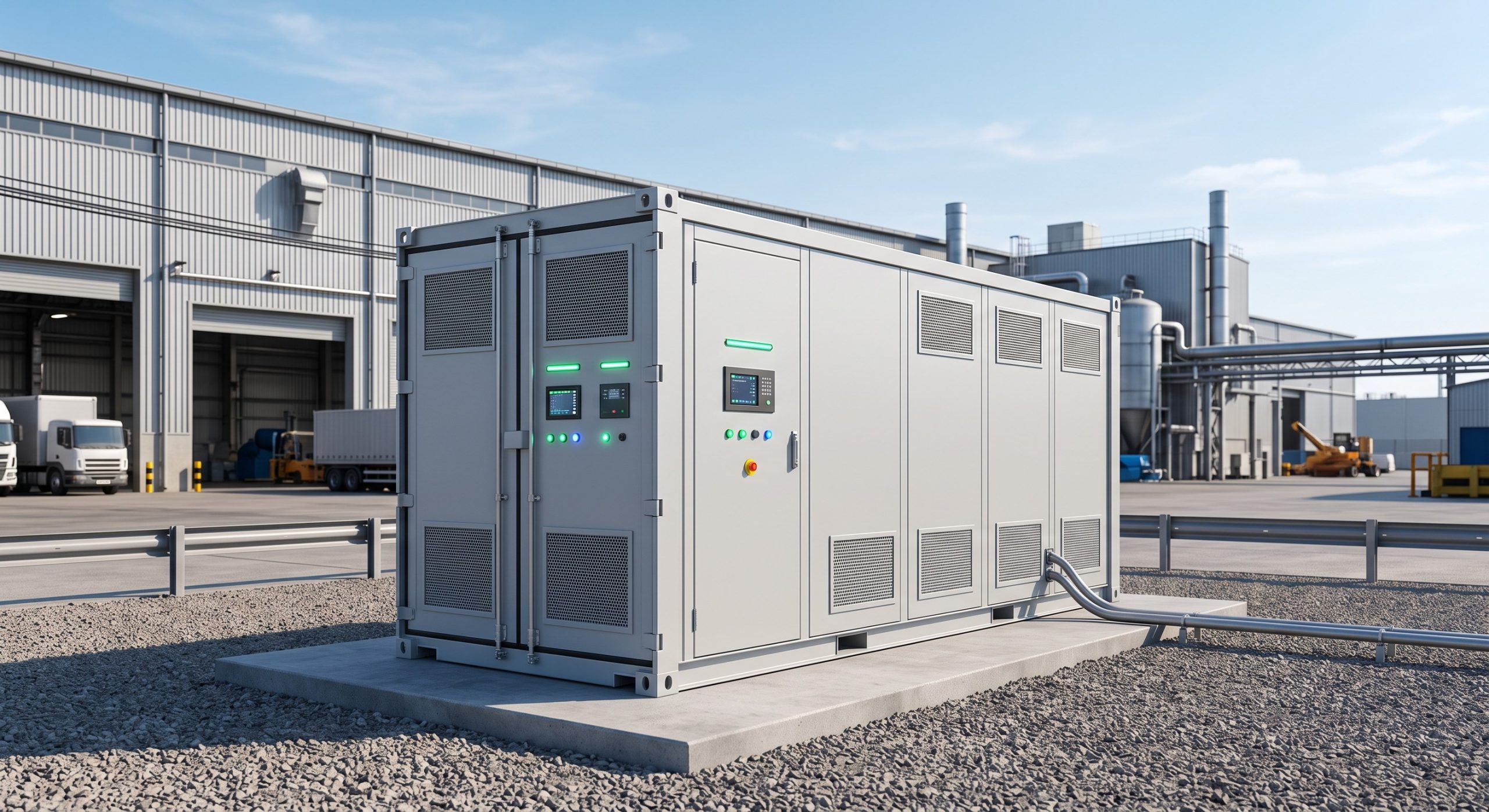
The lead time for a commercial BESS is not a monolithic number; it is the sum of several critical phases, each dominated by distinct engineering and logistical challenges. At the heart of the system lies the Battery Management System (BMS), which dictates cell balancing, temperature control, and safety protocols. Integrating a top-tier Power Conversion System (PCS) with bi-directional capabilities is another pivotal step. This integration often represents a significant portion of the total lead time, as it requires precise system architecture planning to match the specific load profiles and power quality requirements of the facility.
Cell Sourcing and Module Assembly
The procurement of Tier-1 LFP (Lithium Iron Phosphate) cells is the primary driver of extended lead times. With global demand surging, securing allocations from established manufacturers is essential to avoid project delays. The subsequent phase involves module and rack assembly, which must be performed under strict factory conditions to ensure compliance with standards like IEC 62619 (for industrial batteries) and UN38.3 (for transportation). Any bottlenecks at this stage can add 6–8 weeks to the overall B2B energy storage lead time, making early supplier engagement a critical strategic move.
Power Conversion System (PCS) Integration
The PCS is the bridge between the battery and the grid. Its selection and integration demand meticulous engineering. The lead time for a suitable PCS is often linked to the specific voltage and power rating required (e.g., 1500V DC link architecture). This process includes firmware configuration for grid-following and grid-forming modes, which are essential for supporting microgrid stability and demand response programs. For advanced projects, integrating liquid cooling thermal control for the PCS itself adds another layer of engineering, though it significantly enhances performance and longevity.
Technical Specifications & Standards Compliance
A thorough understanding of core technical specifications is paramount. These metrics not only define performance but also directly impact the engineering and testing phases, which are substantial components of the overall lead time. The design must seamlessly integrate with smart EMS dispatch algorithms to optimize energy usage and grid interactions. This section details the key performance indicators (KPIs) that savvy procurement professionals must evaluate.
| Key Parameter | Technical Specification |
|---|---|
| Battery Chemistry | Tier-1 LFP (Lithium Iron Phosphate) |
| System Capacity | Configurable up to 5 MWh |
| Cycle Life | >8000 cycles @ 90% DoD (Depth of Discharge) |
| Round-trip Efficiency | >92% (including auxiliary losses) |
| Thermal Control | Liquid Cooling (Standard) / Air Cooling (Optional) |
| Safety Compliance | UL 9540, IEC 62619, CE, UN38.3 |
| Protection Rating | IP54 / IP55 (NEMA 3R) |
| Communication Protocols | Modbus, CAN, IEC 61850 |
Thermal Management and Safety Systems
Advanced thermal management, particularly liquid cooling technology, is increasingly standard in high-capacity systems. While it introduces additional complexity to the system design, it ensures superior round-trip efficiency and extends the operational lifespan of the cells. Safety is reinforced through multi-level fire suppression systems (e.g., aerosol-based or gas-based) and compliance with the rigorous UL 9540 standard. The engineering and certification process for these safety systems is non-negotiable and must be factored into any realistic project timeline.
Commercial ROI & Grid Support: Maximizing the Investment
The ultimate justification for any energy storage project is its return on investment. A detailed Total Cost of Ownership (TCO) analysis considers the initial capital expenditure (CapEx) against operational savings and revenue streams. Peak shaving remains the most direct commercial application, allowing facilities to reduce demand charges from the utility. The system’s ability to participate in frequency regulation and other grid services further enhances the ROI, turning a cost center into a revenue-generating asset.
Project Financial Modelling
By analyzing the Levelized Cost of Energy (LCOE) and factoring in battery degradation rates (e.g., >8000 cycles at 90% DoD), businesses can accurately forecast long-term savings. The lead time for the BESS directly correlates with the project’s internal rate of return (IRR); delays can significantly erode the financial model. Therefore, a clear, data-driven evaluation of the lead time is essential for securing board-level approval and securing favorable financing terms.
Deployment Scenarios: From Industrial Parks to EV Charging Hubs
The versatility of modern C&I energy storage is demonstrated across various high-demand applications. One of the most impactful is the integration of PV-Storage-Charging (光储充) synergy. In this scenario, the BESS acts as the central buffer, enabling EV supercharging stations to operate at peak capacity without overloading the grid. This application requires high-power charging infrastructure, necessitating a detailed engineering integration phase that directly influences the project’s lead time.

Microgrids and Industrial Parks
For industrial parks and manufacturing facilities, BESS provides a path to near-total energy independence. The modular design of modern systems allows for scalable deployment, but this requires careful site planning and turnkey delivery integration. The lead time in these scenarios is often dictated by the complexity of the site’s existing electrical infrastructure and the requirements for seamless grid transition. A well-planned deployment can dramatically enhance a facility’s resilience against grid instability, as detailed in the subsequent paragraphs.
Conclusion: A Strategic Approach to B2B Energy Storage Lead Time
In conclusion, the B2B energy storage lead time is a manageable variable when approached with a comprehensive, data-driven strategy. By selecting a qualified partner with established supply chains, transparent engineering processes, and a deep understanding of global compliance standards like CE and IEC 62619, businesses can mitigate delays. The key takeaway is to treat lead time not as a fixed constraint, but as a critical metric for evaluating and accelerating the return on a decarbonized, resilient energy future. A focus on turnkey delivery, modular architecture, and robust thermal management will ultimately define the success of your commercial energy storage initiative.