Introduction: The Industrial Energy Mandate
Global manufacturing sectors are facing an unprecedented convergence of rising energy costs, grid instability, and stringent decarbonization targets. For commercial and industrial (C&I) facilities, the transition from passive energy consumers to active grid participants is no longer an option but a strategic necessity. At the heart of this transformation lies the advanced battery manufacturing line, a critical enabler of energy resilience, operational efficiency, and long-term sustainability. This comprehensive guide provides a deep technical and commercial blueprint for sourcing advanced BESS (Battery Energy Storage Systems), focusing on Tier-1 LFP cell integration, liquid cooling thermal control, and grid-support capabilities that deliver quantifiable returns.
This analysis integrates real-world performance metrics—including system capacity in MWh, round-trip efficiency, depth of discharge (DoD), and cycle life—with rigorous compliance standards such as IEC 62619, UL 9540, and UN38.3. Whether you are an engineering lead, procurement officer, or C-suite executive, this guide maps out the architecture, commercial ROI, and deployment strategies that define the next generation of C&I energy storage.
Core Architecture & Battery Management Systems (BMS)
Battery Chemistry: The Tier-1 LFP Advantage
At the core of every high-performance advanced battery manufacturing line is the battery chemistry. The industry standard for C&I applications has shifted decisively towards Lithium Iron Phosphate (LFP) due to its superior thermal stability, long cycle life, and cost-effectiveness. Unlike NMC chemistries, LFP cells inherently offer a lower risk of thermal runaway, making them the preferred choice for densely populated industrial parks. The manufacturing line must source cells from Tier-1 suppliers with stringent quality controls, ensuring minimal cell-to-cell variance—a key determinant of pack longevity and safety.
Power Conversion System (PCS) & PCS Integration
The Power Conversion System (PCS) serves as the bi-directional bridge between the storage system and the grid or micro-grid. In a modern advanced battery manufacturing line, the PCS must support bi-directional power flow with high efficiency (>98.5% peak) and fast response times (<20ms) for grid synchronization. Advanced PCS topologies now integrate liquid cooling for thermal management, enabling higher power density and extended operational life in harsh industrial environments. This integration is crucial for frequency regulation and demand response applications, where rapid power injection or absorption is required to stabilize grid frequency.
EMS Dispatch Logic
The Energy Management System (EMS) is the intelligence layer of the BESS. It employs sophisticated algorithms to dispatch power based on real-time market signals, load forecasting, and battery state-of-charge (SoC). The EMS must be capable of peak-shaving, load-shifting, and participation in Virtual Power Plants (VPPs). For an advanced battery manufacturing line, a smart EMS can increase annual revenue by up to 25% by optimizing energy arbitrage and ancillary services.
Liquid Cooling vs. Air Cooling: A Thermal Optimization Paradigm
Effective thermal management is paramount for ensuring optimal battery performance and longevity. Air cooling systems, while simpler, often struggle to maintain uniform temperatures across cells, leading to accelerated degradation. In contrast, liquid cooling offers superior thermal uniformity, reducing cell temperature variance to within 2°C. This precision allows for higher charge/discharge rates (C-rates) and extends the useful life of the pack. The table below provides a comparative analysis of the two methods:
Liquid cooling systems typically enhance round-trip efficiency by reducing auxiliary power consumption and maintaining cells within their optimal operating window (15°C–35°C). For high-capacity MWh-scale deployments, liquid cooling is the standard for ensuring the longevity and safety of the battery assets.
Technical Specifications
When evaluating an advanced battery manufacturing line, the following technical specifications are non-negotiable for ensuring performance, safety, and compliance. These parameters define the operational envelope and commercial viability of the storage asset.
| Key Parameter | Technical Specification |
|---|---|
| Battery Chemistry | Tier-1 LFP (Lithium Iron Phosphate), prismatic cells |
| System Capacity | Up to 5 MWh per containerized unit (scalable) |
| Nominal Voltage | 800V DC – 1500V DC |
| Round-Trip Efficiency | >95% at rated power |
| Cycle Life | >8,000 cycles @ 90% DoD, >10,000 cycles @ 80% DoD |
| Depth of Discharge (DoD) | Recommended 90% for optimal LCOE |
| Thermal Management | Liquid Cooling with active temperature control (15-35°C) |
| Power Conversion System (PCS) | Bi-directional, 98.5% peak efficiency |
| Energy Management System (EMS) | AI-driven predictive dispatch algorithm |
| Grid Interface | AC 380V / 10kV / 35kV |
| Safety & Compliance | UL 9540, IEC 62619, UN38.3, CE |
| Fire Suppression | Aerosol-based + gas detection (FM200 / Novec 1230) |
| Operating Temperature Range | -30°C to +55°C |
| IP Rating | IP54 (outdoor-rated cabinet) |
Commercial ROI & Grid Support
LCOE and Total Cost of Ownership
The Levelized Cost of Energy (LCOE) is a critical metric for assessing the economic viability of storage. An advanced battery manufacturing line with high round-trip efficiency (>95%) and a cycle life of >8,000 cycles at 90% DoD significantly reduces the LCOE, often matching or beating traditional peak electricity tariffs. For a 5 MW / 20 MWh system, the total cost of ownership (TCO) analysis must factor in CapEx, OpEx, degradation rates, and revenue streams from energy arbitrage and grid services.
Peak-Shaving and Demand Response
Industrial facilities often incur high demand charges based on their peak power consumption over a 15-minute interval. By deploying a storage system, these peaks can be shaved, reducing demand charges by up to 40%. Furthermore, participation in demand response (DR) programs provides additional revenue. The fast-ramping capabilities of modern BESS (achieving full power output in <100ms) make them ideal for utility DR events.
Grid Support and VPP Readiness
An advanced battery manufacturing line can serve as a distributed energy resource (DER), providing frequency regulation, voltage support, and spinning reserve to the grid. This VPP readiness transforms the system from a passive load to an active asset, generating ancillary service revenues.
Deployment Scenarios
Industrial Parks and Manufacturing Hubs
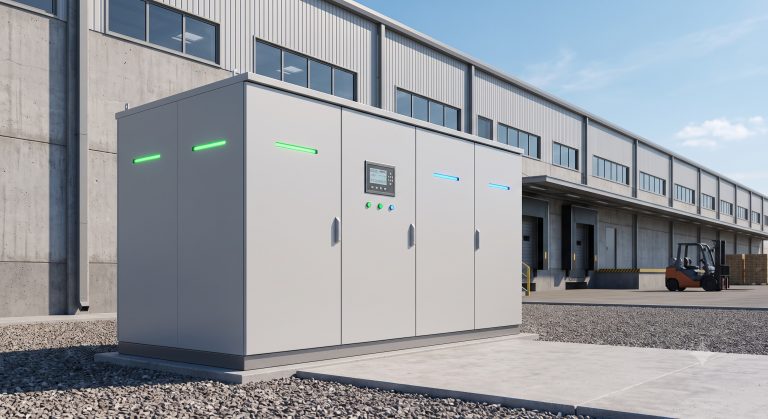
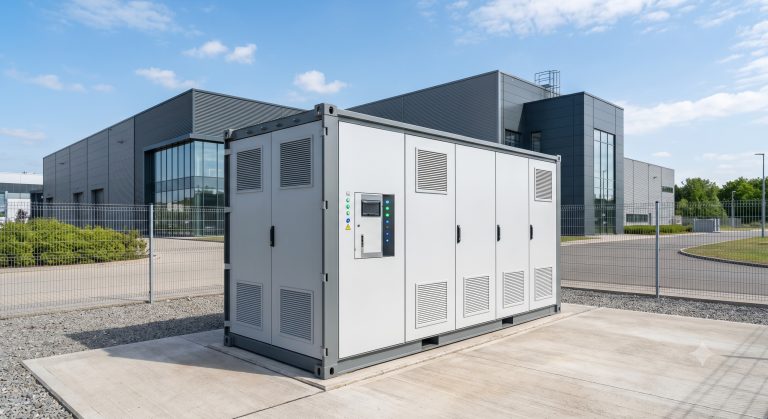
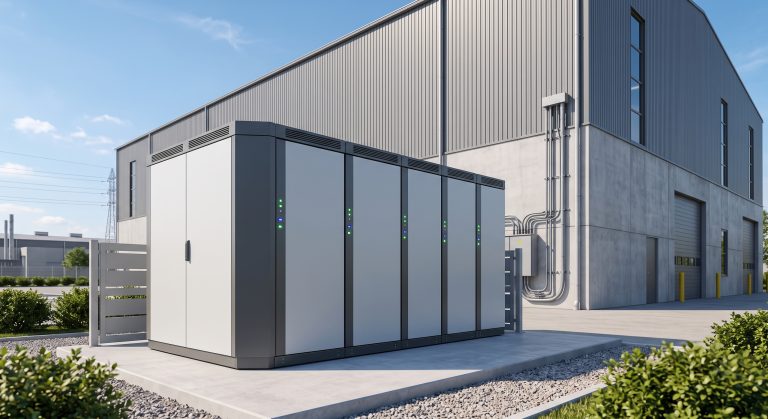
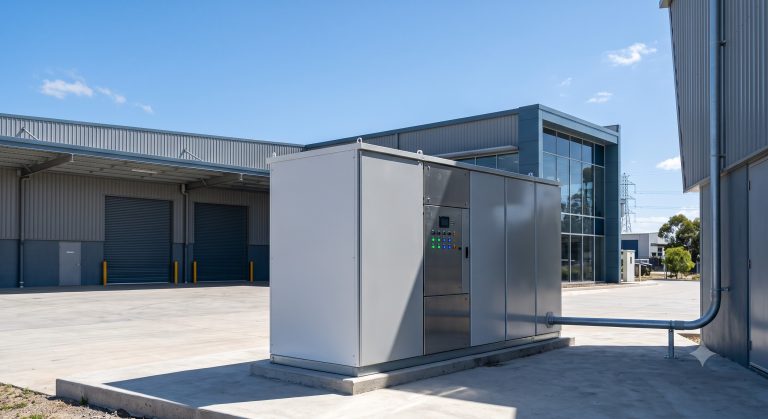
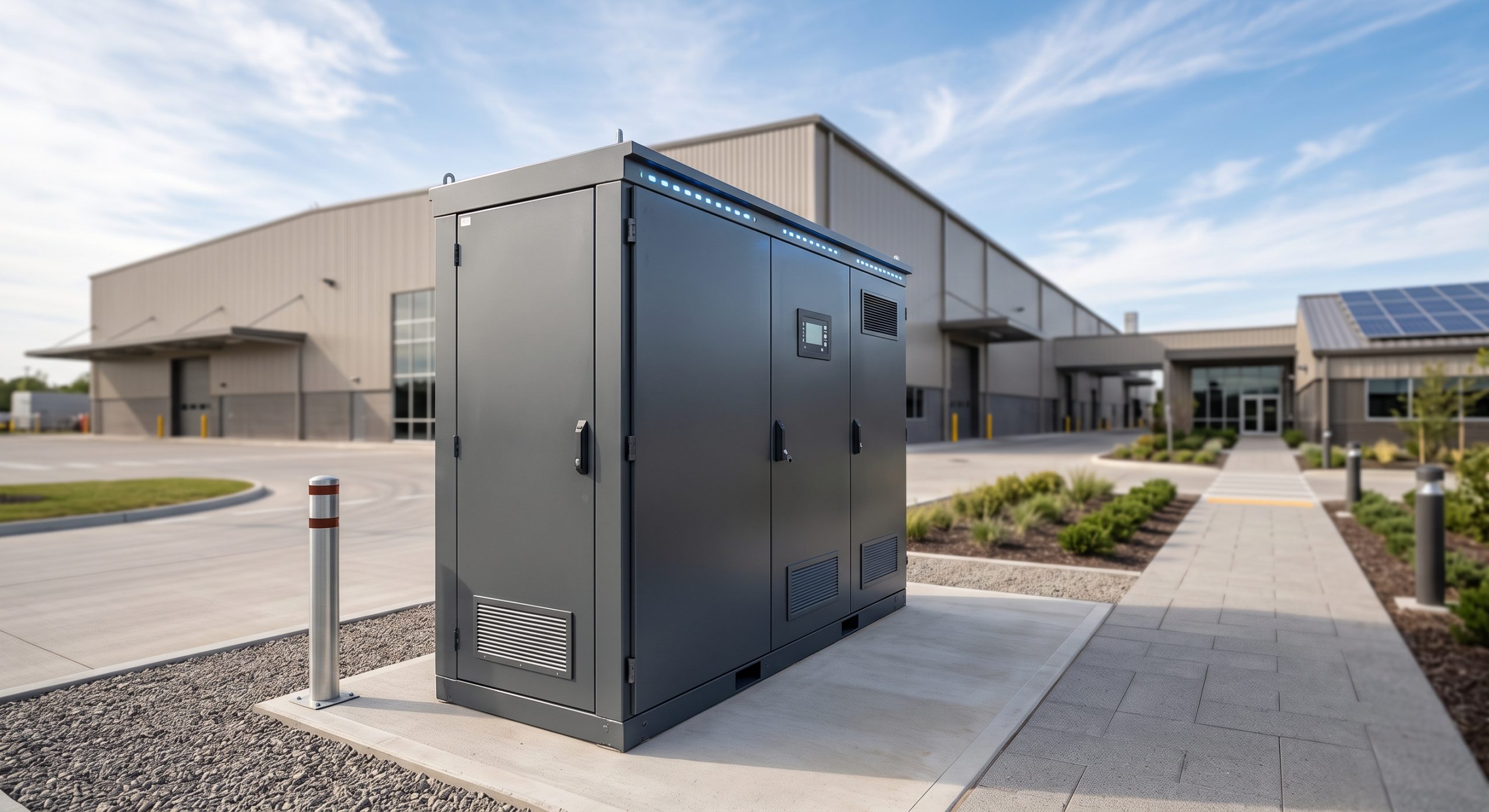
Industrial parks, characterized by high and consistent energy demand, are prime candidates for modular BESS deployment. Containerized storage units can be scaled to meet the specific needs of the facility, offering energy independence and protection against grid outages.
PV-Storage-Charging Integration
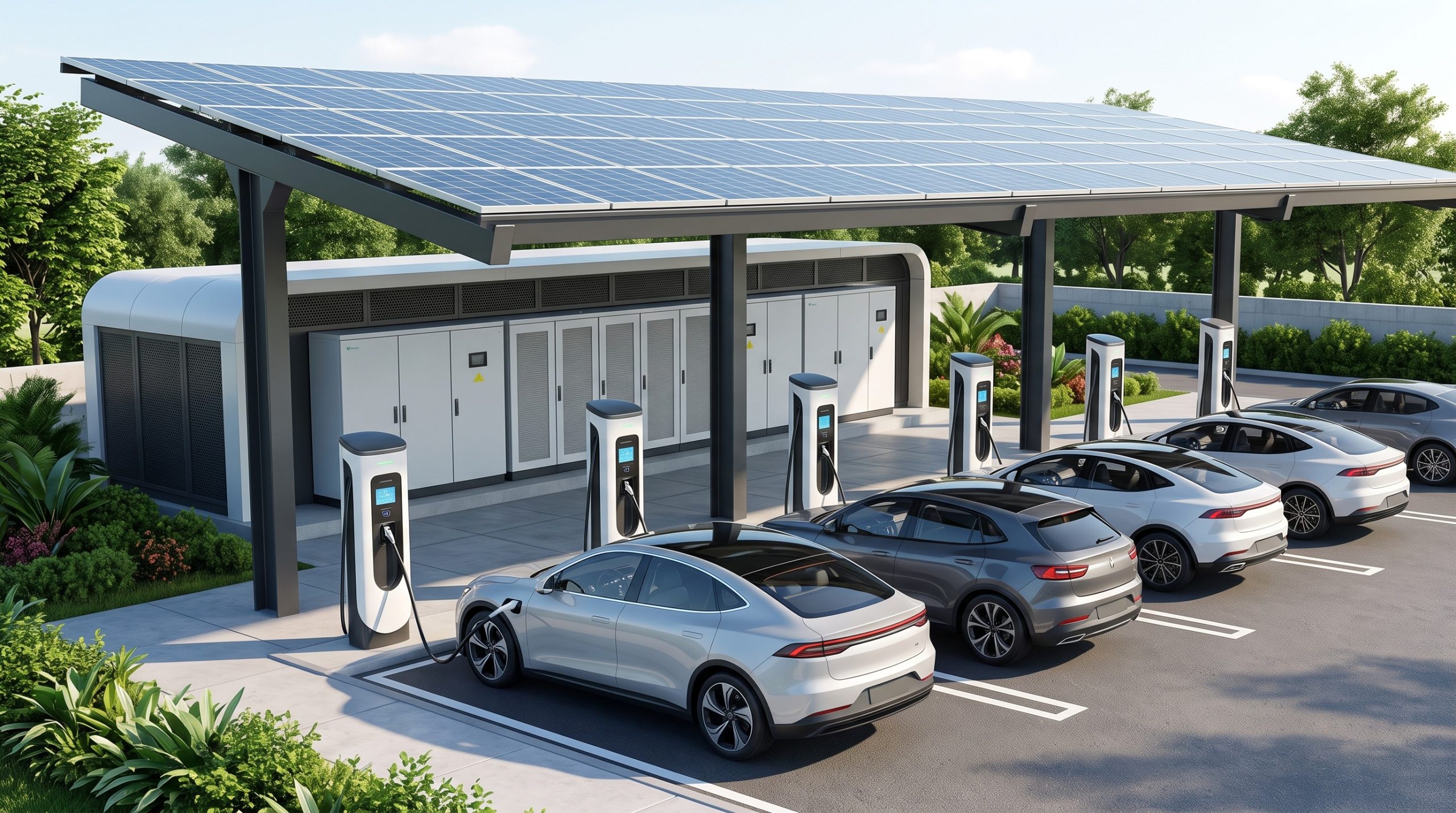
The synergy of solar PV, energy storage, and EV charging is a powerful driver for advanced battery manufacturing lines. Storage systems can capture excess solar energy during the day and discharge it during peak hours to charge EVs, maximizing the use of renewable energy and reducing strain on the grid.
Conclusion
The strategic sourcing of an advanced battery manufacturing line is a multi-faceted decision that balances technical performance, financial viability, and operational resilience. By prioritizing Tier-1 LFP cells, advanced liquid cooling thermal control, and robust EMS/PCS integration, C&I facility owners can build a future-proof energy infrastructure. This infrastructure not only delivers immediate cost savings through peak shaving and demand response but also positions the facility as a key player in the evolving energy landscape, capable of adapting to future regulatory and market shifts. The data-driven approach outlined in this guide—anchored in rigorous standards like UL 9540 and IEC 62619—ensures that the investment in battery manufacturing lines delivers sustained value over its extended lifecycle.