Introduction
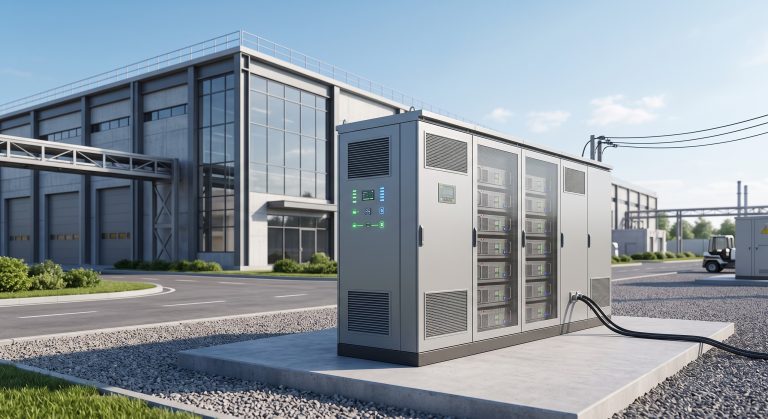
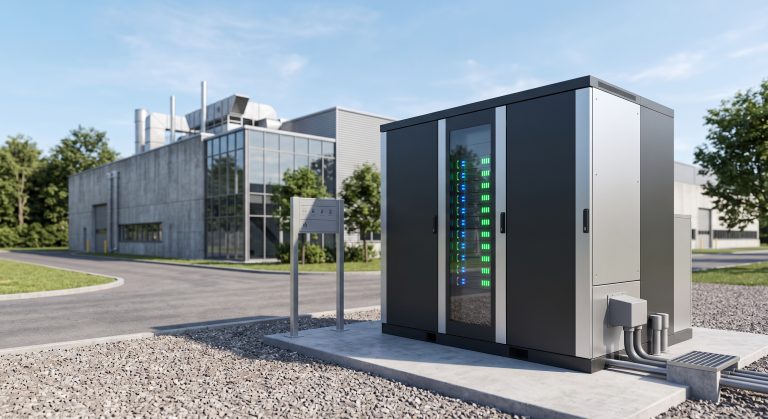
The commercial and industrial (C&I) sector is experiencing a paradigm shift in power management. With volatile utility tariffs, escalating demand charges, and aggressive decarbonization mandates, facility managers are abandoning traditional diesel generators in favor of C&I solar plus storage micro-grids. This transition is not merely environmental—it is a hard-nosed economic and operational decision. A well-engineered solar plus storage system delivers instantaneous response, zero fuel logistics, and a levelized cost of energy (LCOE) that consistently undercuts diesel peaker plants. This deep dive examines the engineering superiority, safety compliance, and financial mechanics of deploying C&I solar plus storage as the backbone of a modern industrial micro-grid.
Engineering Superiority of C&I Solar Plus Storage
Architecture and Power Conversion
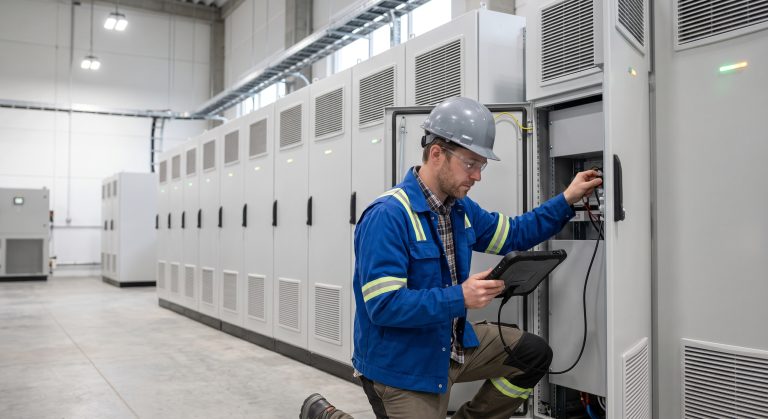
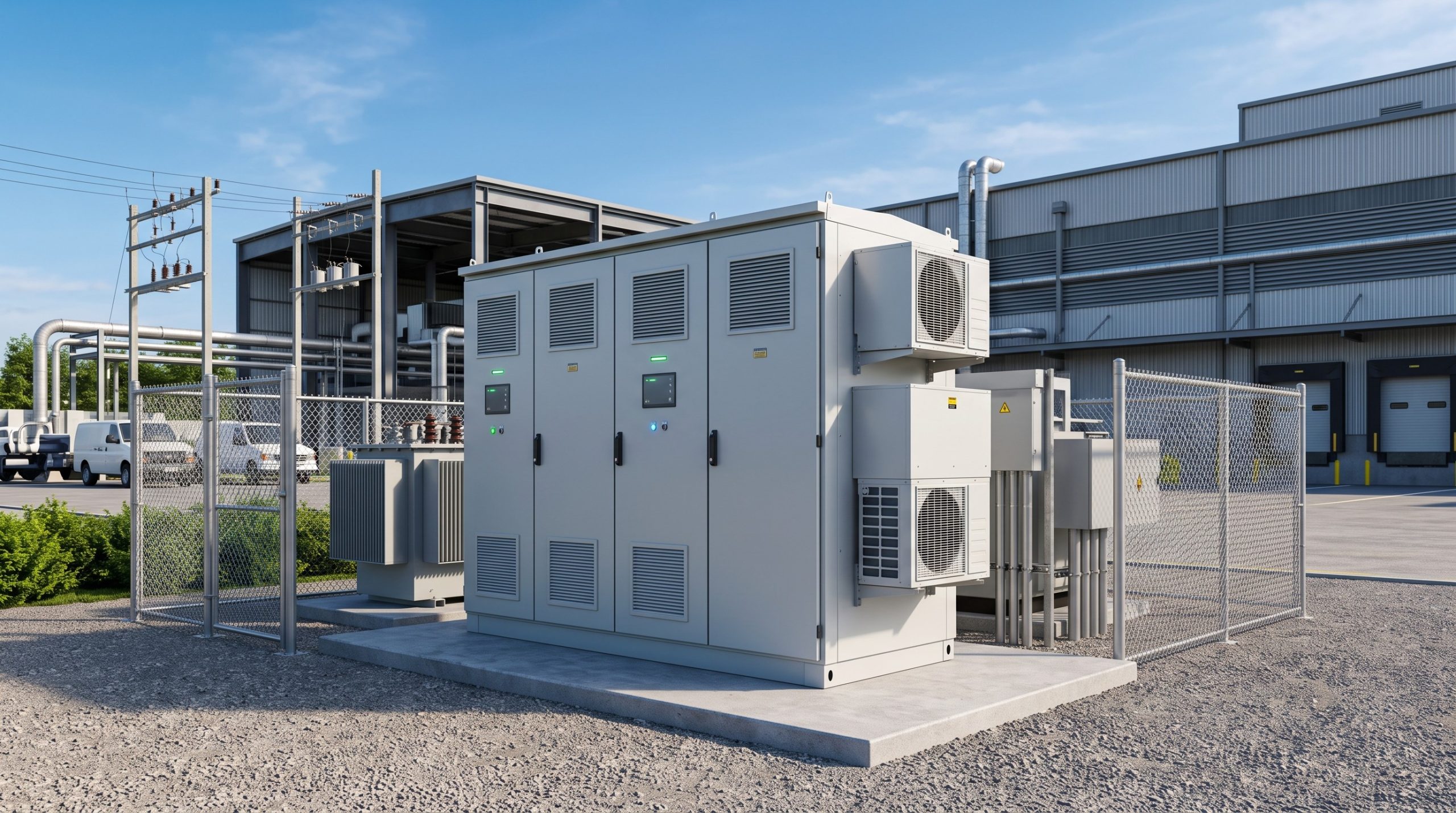
Unlike a diesel generator that relies on a synchronous alternator, a C&I solar plus storage system uses a bi-directional Power Conversion System (PCS) to seamlessly transition between grid-tied, islanded, and reverse-power modes. The PCS operates with a round-trip efficiency of ≥ 92% at nominal conditions, compared to the 30–40% fuel-to-electricity efficiency of a diesel genset. The architecture integrates a Battery Management System (BMS) that continuously monitors cell voltage, temperature, and state of charge (SoC) across thousands of cells, ensuring cell balancing and fault isolation at the module level.
Battery Chemistry and Cycle Life
At the heart of the system are Tier-1 LFP (Lithium Iron Phosphate) cells, selected for their thermal stability and long cycle life. A typical C&I solar plus storage cabinet delivers > 8,000 cycles at 90% Depth of Discharge (DoD), translating to a 15–20 year operational lifespan. In contrast, diesel generators require major overhauls every 10,000–15,000 running hours, with declining reliability and increasing maintenance costs. The LFP chemistry also eliminates the risk of cobalt supply chain volatility and offers superior performance in high-ambient-temperature environments.
Thermal Control: Liquid Cooling vs. Air Cooling
Thermal management is critical for safety and longevity. Advanced C&I solar plus storage systems employ liquid cooling with a 50/50 water-glycol mixture circulated through cold plates at the module level. This maintains cell temperature differentials within ±2°C, compared to ±5–8°C in air-cooled systems. The result is slower degradation, higher round-trip efficiency, and enhanced safety. Liquid cooling also enables higher energy density per cabinet, reducing footprint by up to 40% compared to air-cooled equivalents.
Technical Specifications
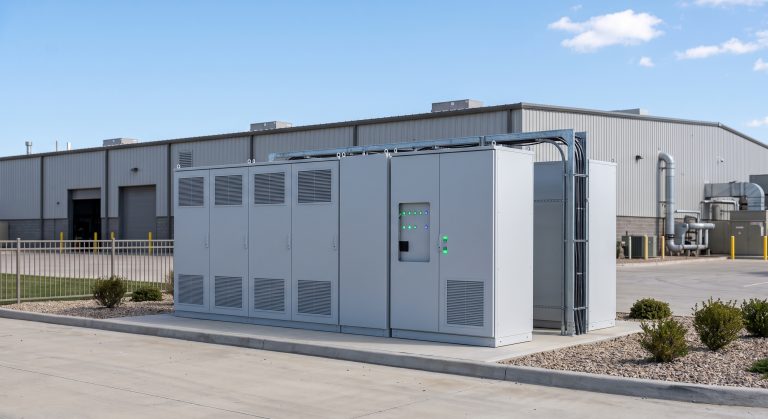
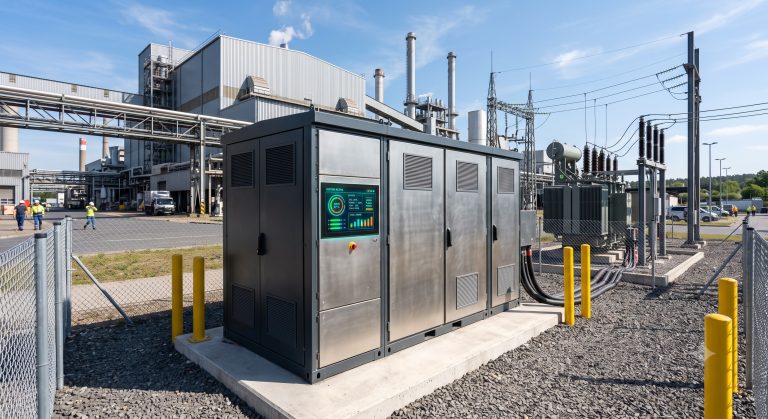
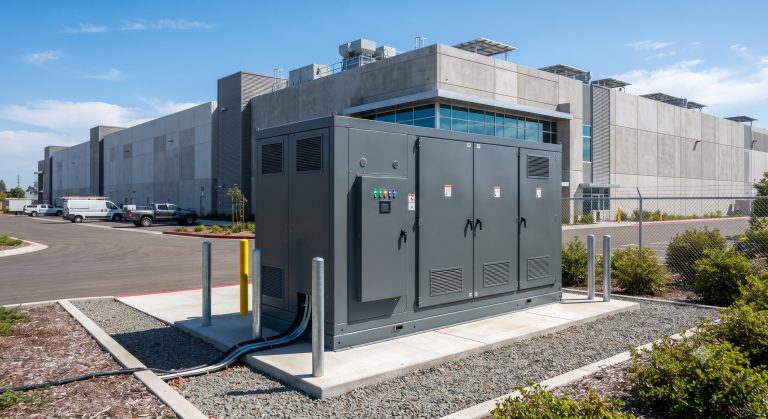
The following table outlines the core technical parameters of a representative C&I solar plus storage cabinet. These specifications are critical for procurement engineers and EPC contractors evaluating turnkey BESS solutions.
| Key Parameter | Technical Specification |
|---|---|
| Battery Chemistry | Tier-1 LFP (Lithium Iron Phosphate) |
| Nominal Capacity | 215 kWh – 5 MWh (modular) |
| Cycle Life | > 8,000 cycles @ 90% DoD, 25°C |
| Round-Trip Efficiency | ≥ 92% (DC-DC), ≥ 88% (AC-AC) |
| Depth of Discharge (DoD) | 90% (maximum continuous) |
| Thermal Management | Liquid Cooling (50/50 water-glycol) |
| Operating Temperature | -20°C to +55°C (derated above 45°C) |
| Communication Protocols | Modbus TCP/IP, IEC 61850, CAN 2.0B |
| Safety Certifications | UL 9540, UL 9540A, IEC 62619, UN38.3, CE |
| Ingress Protection | IP54 (cabinet), IP67 (module) |
| Dimensions (per cabinet) | 1,200 mm (W) x 2,200 mm (H) x 1,100 mm (D) |
| Weight (per cabinet) | ~ 2,800 kg (including modules and cooling unit) |
Seamless Off-Grid Transition and Micro-Grid Stability
One of the most compelling advantages of C&I solar plus storage is its ability to transition to off-grid mode in < 20 milliseconds—faster than a diesel generator can even start. This seamless transition is enabled by the PCS’s grid-forming capability, which establishes a stable voltage and frequency reference for the micro-grid. The EMS (Energy Management System) orchestrates the dispatch of solar PV, battery storage, and loads, prioritizing self-consumption and minimizing grid import during peak tariff periods. For facilities with critical loads—such as data centers, cold storage, or manufacturing lines—this level of resilience is non-negotiable.
Replacing Diesel Gensets: Operational and Financial Comparison
Fuel and Maintenance Savings
A 1 MWh C&I solar plus storage system can offset the need for a 500 kW diesel generator. Over a 15-year horizon, the diesel generator would consume approximately 1.5 million liters of fuel and require 20+ major services, costing upwards of $1.2 million in fuel and $300,000 in maintenance. The BESS, by contrast, requires no fuel and minimal maintenance—primarily periodic firmware updates and thermal system inspections. The LCOE of the BESS is typically $0.08–$0.12/kWh, compared to $0.25–$0.40/kWh for diesel-generated electricity.
Emissions and Regulatory Compliance
Diesel generators emit NOx, PM2.5, and CO2, making them increasingly non-compliant with local air quality regulations. C&I solar plus storage produces zero emissions during operation, helping facilities meet Scope 1 and Scope 2 decarbonization targets. The system also qualifies for various incentives, including Investment Tax Credit (ITC) and accelerated depreciation, further improving ROI.
Safety and Compliance
Modern C&I solar plus storage cabinets are engineered to meet stringent international standards. UL 9540 (Energy Storage Systems and Equipment) and UL 9540A (Thermal Runaway Fire Propagation) ensure cell-level safety. IEC 62619 governs the safety of industrial lithium batteries, while UN38.3 certifies transport safety. CE marking ensures conformity with European health, safety, and environmental standards. These certifications are not optional—they are prerequisites for insurance, grid interconnection, and long-term bankability.
Real Facility Results
Consider a mid-sized automotive parts manufacturer in Germany with a peak load of 2.5 MW and an annual electricity consumption of 8 GWh. By deploying a 2 MWh / 1 MW C&I solar plus storage system paired with a 1.5 MWp rooftop solar array, the facility achieved:
- Peak shaving: Reduced demand charges by 35%, saving €180,000 annually.
- Self-consumption: Increased solar self-consumption from 60% to 92%.
- Resilience: Seamless backup power for critical CNC machines during grid outages.
- Carbon reduction: Avoided 1,200 tons of CO2 annually compared to diesel backup.
Similar results have been replicated across logistics centers, cold storage facilities, and data centers in North America and Asia-Pacific.
Final Advice for C&I Decision-Makers
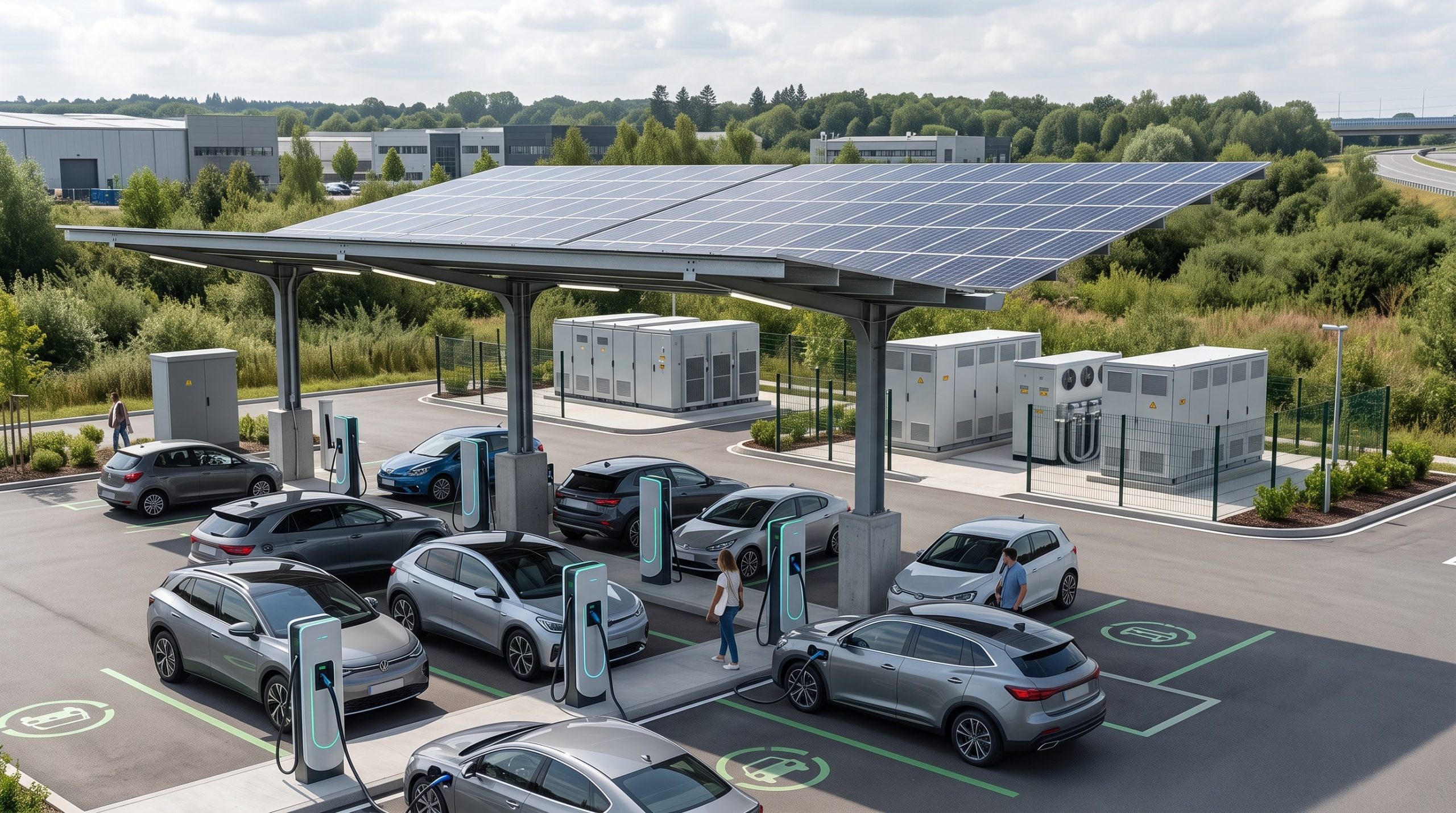
The transition from diesel generators to C&I solar plus storage is no longer a speculative experiment—it is a proven, bankable strategy. When evaluating BESS suppliers, prioritize Tier-1 LFP cells, liquid cooling, and UL 9540 / IEC 62619 certifications. Insist on a round-trip efficiency guarantee of ≥ 90% and a cycle life warranty of > 8,000 cycles. Engage an experienced EMS provider to optimize dispatch algorithms for your specific load profile. Finally, model the Total Cost of Ownership (TCO) over a 15-year horizon, including demand charge savings, ITC benefits, and avoided diesel maintenance. The numbers will speak for themselves: C&I solar plus storage is the superior choice for commercial and industrial micro-grids.