The Urgent Business Case for Rugged Container Energy Storage in Modern C&I Facilities
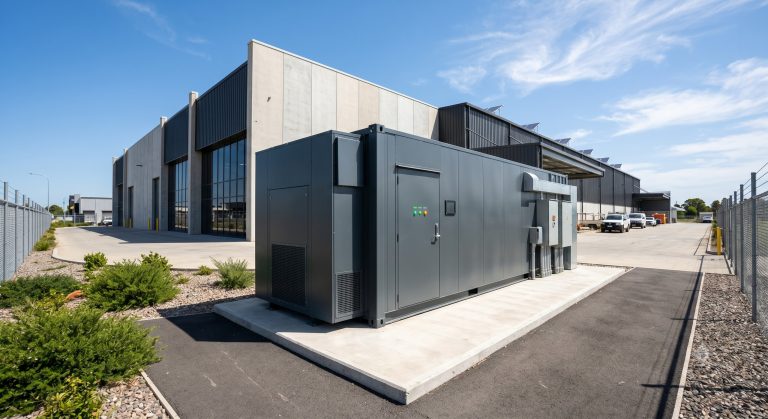
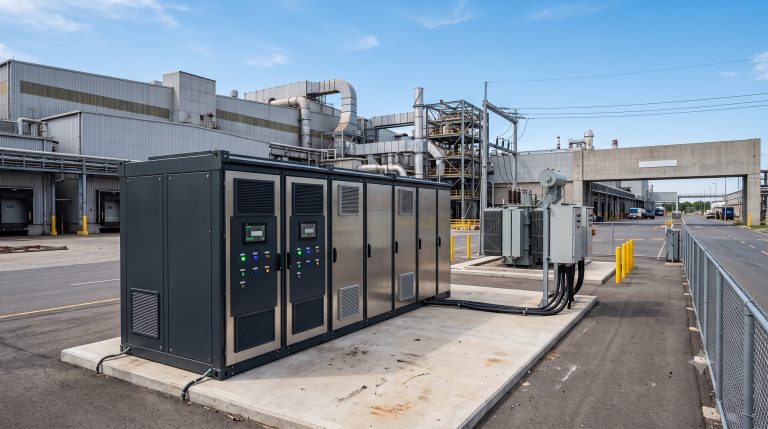
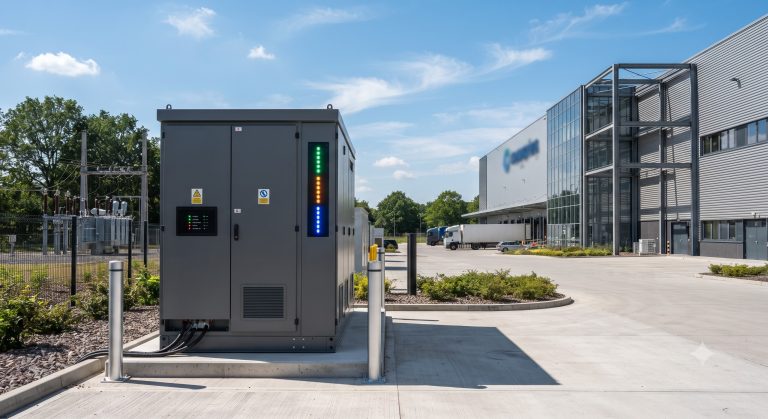
Global energy volatility and the accelerating push for decarbonization have placed commercial and industrial (C&I) energy storage at the forefront of strategic infrastructure investment. For facility managers, energy directors, and procurement officers, the challenge is no longer whether to adopt battery storage, but how to select a system that guarantees resilience, maximizes ROI, and withstands the harshest operational environments. This is where rugged container energy storage distinguishes itself. Unlike standard indoor battery cabinets, these containerized energy storage systems are engineered from the ground up for outdoor deployment, offering IP54 to IP65 ingress protection, robust thermal management, and seismic-rated structural integrity. As C&I electricity costs surge—with peak demand charges in many markets exceeding $30/kW—the economic imperative for a reliable, high-cycle BESS wholesale solution has never been more acute. This guide provides a comprehensive, data-driven analysis of rugged containerized ESS, covering core architecture, critical technical specifications, and a granular total cost of ownership (TCO) framework to empower your sourcing strategy.
Core Architecture: The Triad of PCS, BMS, and Intelligent EMS Integration
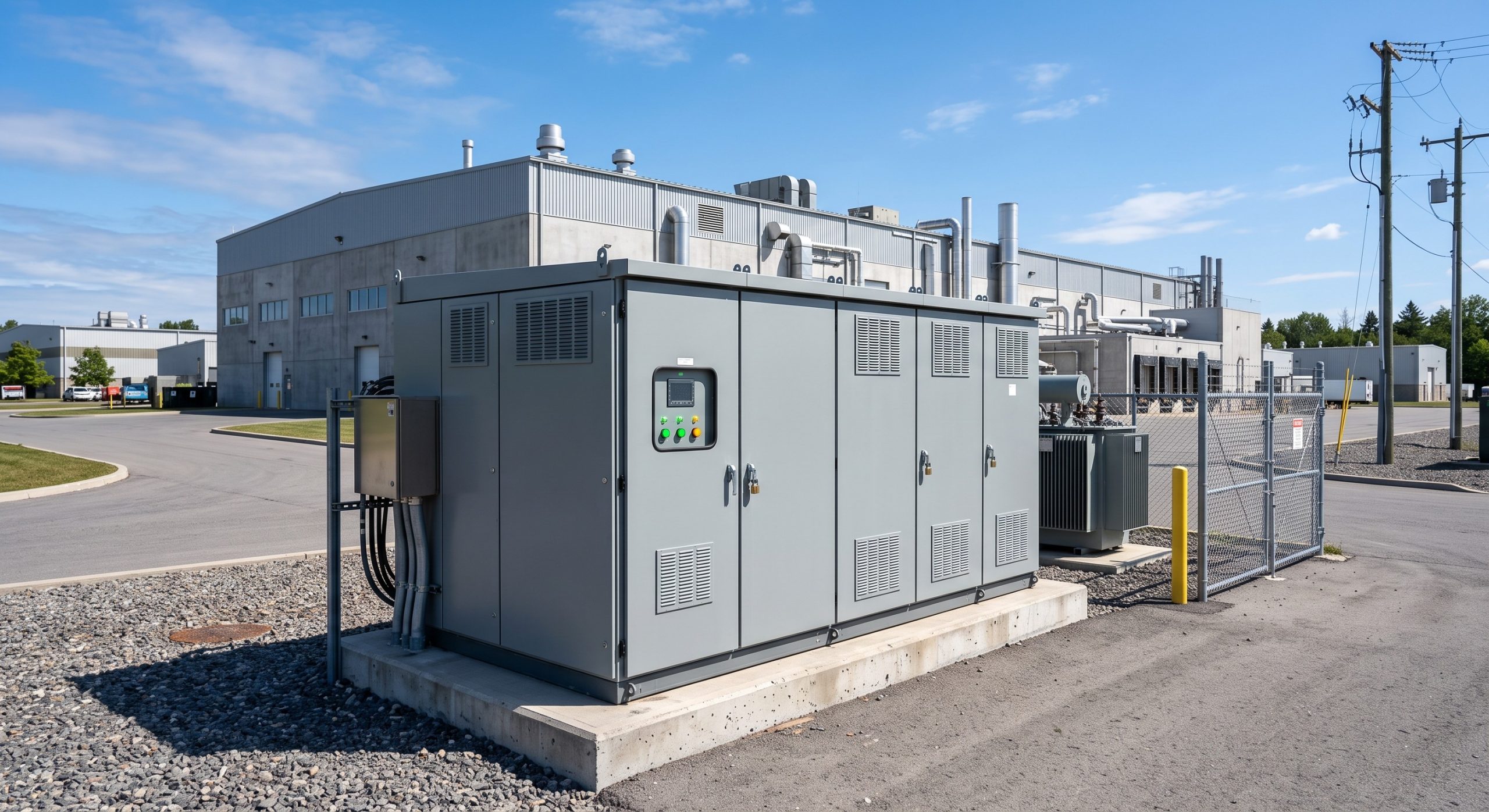
The performance and safety of any rugged container energy storage solution hinge on the seamless integration of its three core components: the Battery Management System (BMS), the Power Conversion System (PCS), and the Energy Management System (EMS). In a truly robust containerized design, these elements operate in a closed-loop control architecture that optimizes performance while ensuring failsafe operation.
Battery Management System (BMS): The Guardian of Cell Integrity
The BMS is the central nervous system of the battery bank, responsible for continuous monitoring of voltage, current, and temperature at the cell and module level. In premium rugged container energy storage units, the BMS employs a three-tier management topology (cell-module-cluster) to perform active cell balancing. This process is crucial for mitigating capacity fade and ensuring consistent performance over the system’s lifetime. Advanced BMS algorithms also track state of charge (SoC) and state of health (SoH) with high precision, providing early warnings for any anomaly. For systems deployed in harsh climates, the BMS logic is tightly coupled with the thermal management system, adjusting cooling or heating output to maintain cells within their optimal operating window of 15°C to 35°C, which is vital for preserving cycle life and preventing thermal runaway.
Bidirectional PCS Integration: The Efficiency Engine
The PCS serves as the bi-directional interface between the battery’s DC power and the facility’s AC grid. In rugged containerized solutions, PCS modules are typically configured in a modular, redundant arrangement (e.g., N+1) to ensure high availability. Key metrics to evaluate include peak efficiency (often exceeding 98.5%), overload capacity (e.g., 110% for 60 seconds), and grid-formation capability for micro-grid applications. The trend toward liquid cooling is increasingly evident in PCS integration, as it allows for higher power density within the container footprint while maintaining stable component temperatures—a critical factor for systems deployed in high-ambient-temperature regions. The integration of the PCS with the EMS ensures smooth transitions between grid-tied and islanded modes, enabling demand response participation and emergency backup operations with grid synchronization times under 20 milliseconds.
Smart EMS Dispatch and Demand Response
The EMS is the strategic brain of the system, utilizing predictive algorithms to optimize energy dispatch based on real-time electricity pricing, load forecasting, and weather predictions. For C&I facilities, the EMS enables automated peak shaving by discharging stored energy during utility peak periods, thereby avoiding steep demand charges. Furthermore, it facilitates participation in ancillary service markets, such as frequency regulation, by rapidly adjusting power output in response to grid signals. A sophisticated EMS can enhance the financial return of a rugged container energy storage asset by 15-25% compared to rule-based control strategies, making it a critical factor in the ROI equation.
Liquid Cooling vs. Air Cooling: Thermal Efficiency Optimization in Rugged ESS
Thermal management is arguably the most critical engineering challenge in high-capacity container energy storage systems. While air cooling has been the traditional approach, liquid cooling is rapidly becoming the gold standard for rugged, high-performance BESS. Liquid cooling offers up to 3x higher thermal conductivity than air, allowing for more efficient heat extraction from densely packed battery modules. The table below illustrates the quantitative advantages of advanced thermal control strategies.
| Parameter | Specification & Benchmark |
|---|---|
| Battery Chemistry | Tier-1 LFP (Lithium Iron Phosphate) |
| System Capacity | Up to 5 MWh per 20-foot container |
| Cycle Life | > 8,000 cycles @ 90% Depth of Discharge (DoD) |
| Round-trip Efficiency | ≥ 92% (AC-AC) |
| Thermal Management | Liquid Cooling (Chiller-integrated) / Air Cooling Option |
| Protection Class | IP65 / IP54 (Outdoor-rated, dustproof & waterjet-resistant) |
| Safety Certifications | IEC 62619, UL 9540, CE, UN38.3 |
Technical Specifications: A Data-Driven Benchmark
When evaluating rugged container energy storage solutions, procurement professionals must look beyond surface-level marketing claims. The following technical specifications represent the critical performance indicators that directly impact system reliability, safety, and long-term economic value. These benchmarks are aligned with international standards, including IEC 62619 for industrial battery safety and UL 9540 for energy storage systems and equipment.
| Parameter | Specification & Benchmark |
|---|---|
| Battery Chemistry | Tier-1 LFP (Lithium Iron Phosphate) |
| System Capacity | Up to 5 MWh per 20-foot container |
| Cycle Life | > 8,000 cycles @ 90% Depth of Discharge (DoD) |
| Round-trip Efficiency | ≥ 92% (AC-AC) |
| Thermal Management | Liquid Cooling (Chiller-integrated) / Air Cooling Option |
| Protection Class | IP65 / IP54 (Outdoor-rated, dustproof & waterjet-resistant) |
| Safety Certifications | IEC 62619, UL 9540, CE, UN38.3 |
Commercial ROI: Peak-Shaving and Total Cost of Ownership Analysis
The economic justification for investing in rugged container energy storage is compelling and quantifiable. The primary revenue streams and cost savings include demand charge reduction, energy arbitrage, and participation in grid services. A typical commercial facility with a peak demand of 1.5 MW can save between $50,000 and $150,000 annually in demand charges alone, depending on utility tariffs. To calculate the true ROI, a Total Cost of Ownership (TCO) analysis is essential.
CapEx, OpEx, and LCOE Breakdown
While the initial Capital Expenditure (CapEx) for a BESS wholesale purchase includes the battery packs, PCS, BMS, EMS, and container enclosure, it is the Operational Expenditure (OpEx) that distinguishes a premium system from a budget alternative. Key OpEx drivers include energy losses (round-trip efficiency), maintenance costs, and the cost of capital. Utilizing the Levelized Cost of Storage (LCOS) metric provides a standardized comparison. A high-quality rugged container energy storage system with a round-trip efficiency of 92% and a cycle life of 8,000 cycles at 90% DoD can achieve an LCOS below $0.10/kWh, making it highly competitive against diesel generators and grid peak rates.
Deployment Scenarios: From Micro-Grids to EV Supercharging
The versatility of rugged container energy storage allows for deployment across a broad spectrum of applications. Its robust construction makes it ideal for outdoor settings, from remote mining sites to urban industrial parks.
Replacing Diesel Generators in C&I Micro-Grids
In remote or grid-constrained areas, containerized ESS paired with PV arrays offer a cleaner, quieter, and more cost-effective alternative to diesel gensets. The rapid response time of BESS (milliseconds vs. seconds for diesel) provides superior grid stability and power quality, making it the preferred solution for sensitive manufacturing processes.
PV-Storage-Charging Synergy for EV Supercharging Stations
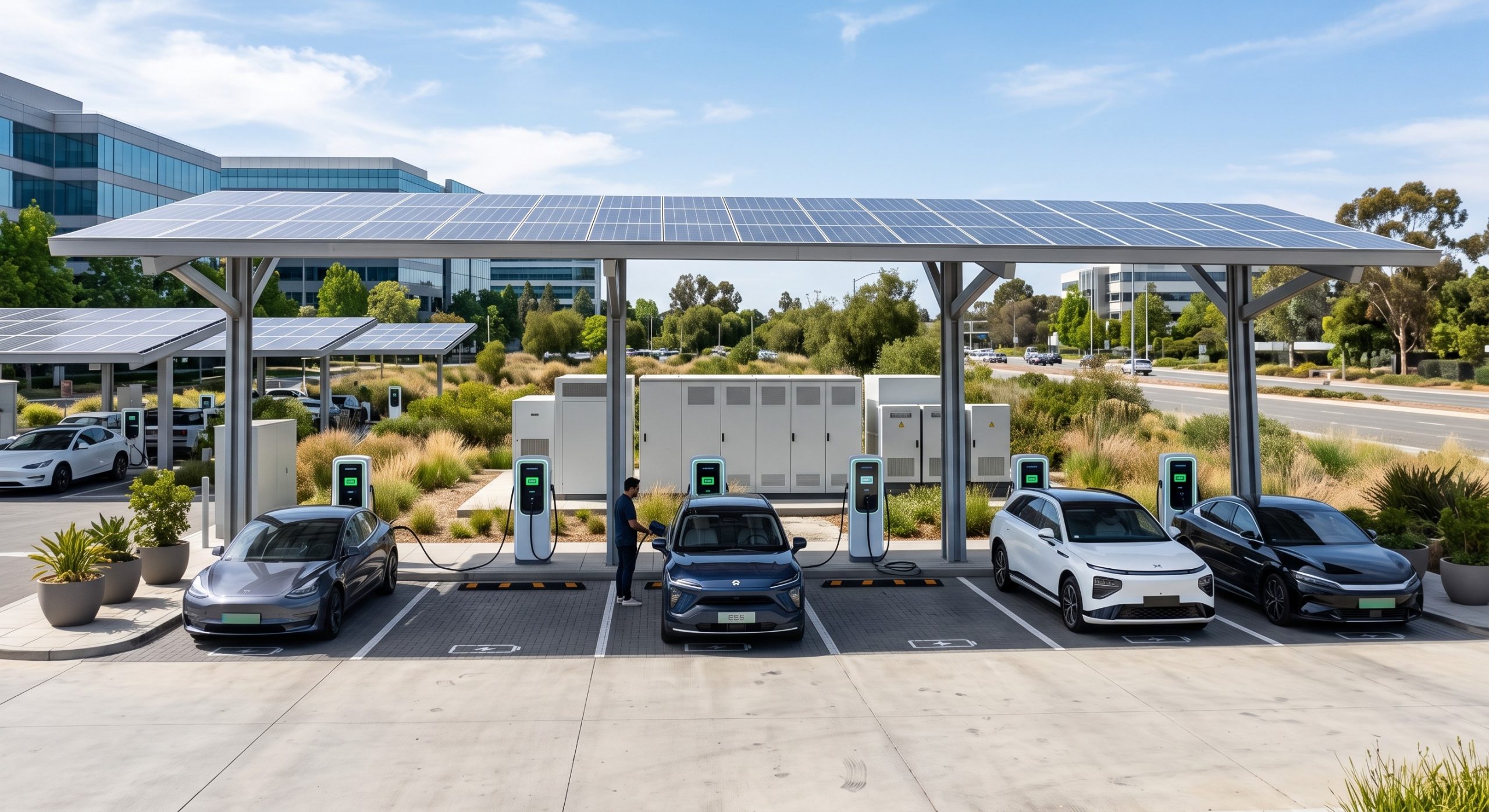
The growth of electric vehicle fleets has created a huge demand for high-power charging infrastructure. A PV-storage-charging solution integrates a solar canopy, rugged containerized battery storage, and EV chargers to create a self-sufficient, low-impact charging hub. The storage buffer allows the station to capture and store solar energy during the day and discharge it during peak charging times, mitigating the impact on the local grid and avoiding costly demand spikes.
Safety and Compliance: UL 9540 and IEC 62619 Masterclass
Safety is non-negotiable in C&I energy storage. Compliance with recognized standards provides a critical framework for risk mitigation. UL 9540 covers the entire energy storage system, testing for fire propagation, electrical shock, and mechanical hazards. IEC 62619 focuses on the safety requirements for the battery cells and modules, including thermal propagation testing and overcharge protection. When sourcing, demand comprehensive test reports (FAT/SAT) from the manufacturer and verify certifications for the specific container model. Advanced fire suppression systems, including aerosol or water-mist, are integrated into rugged designs to provide multi-level protection.
Conclusion: Engineering a Resilient Energy Future
Rugged container energy storage represents a paradigm shift in how C&I facilities manage energy. It offers a strategic asset that not only reduces operational costs through peak shaving and arbitrage but also enhances grid resilience and accelerates decarbonization goals. By focusing on high-density LFP cell chemistry, advanced liquid cooling, and intelligent EMS dispatch, modern containerized solutions deliver unparalleled performance and safety. For decision-makers, a thorough evaluation of technical specifications, TCO, and certifications is paramount to selecting a partner capable of delivering a turnkey solution that performs reliably over decades. As the energy transition accelerates, investing in proven rugged ESS technology is not just an operational upgrade—it is a competitive necessity.