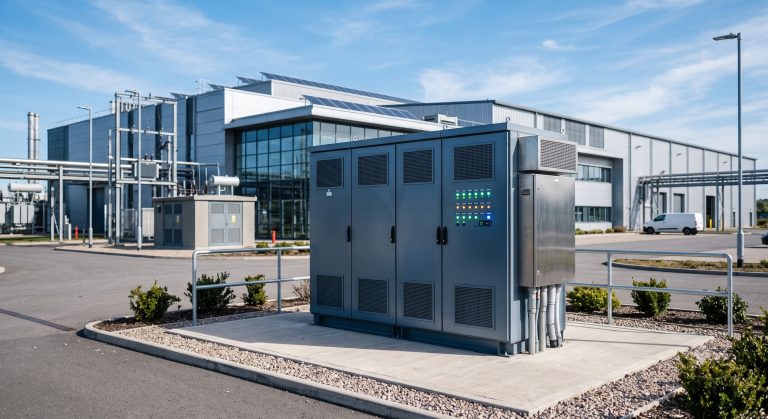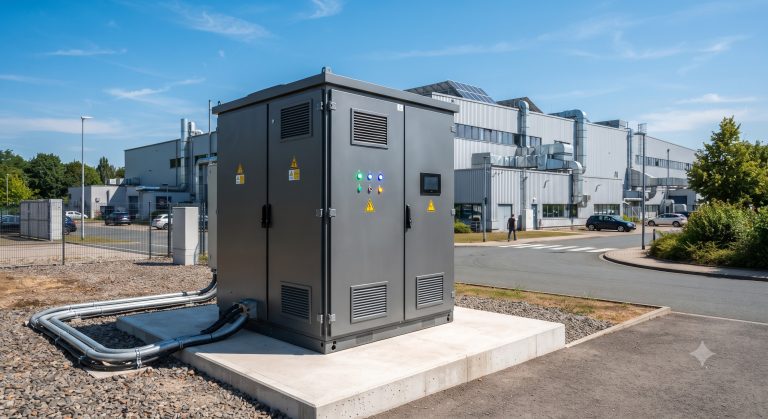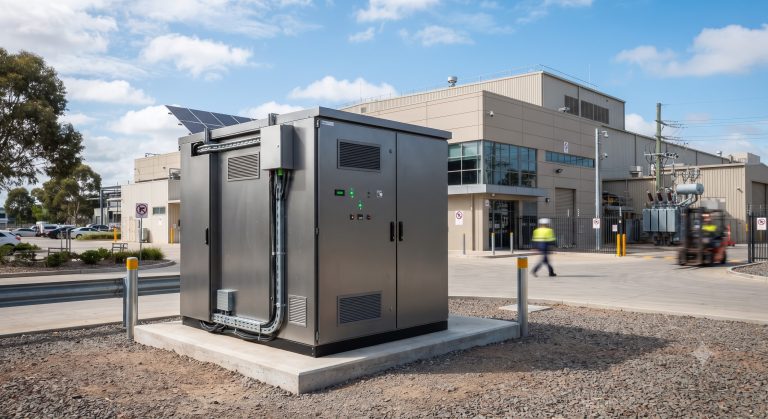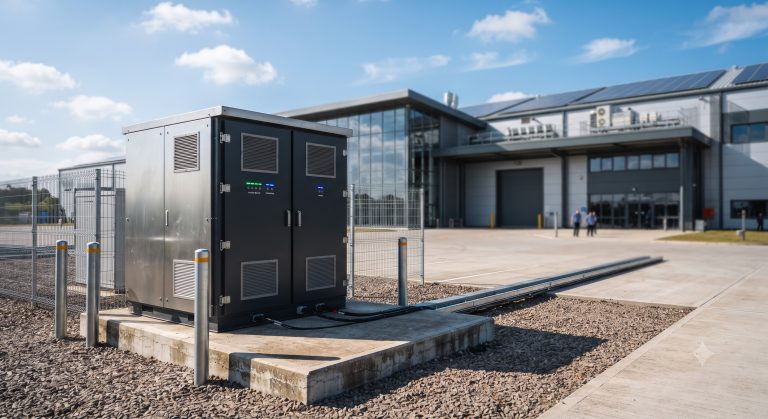
Introduction: The New Standard in C&I Energy Resilience
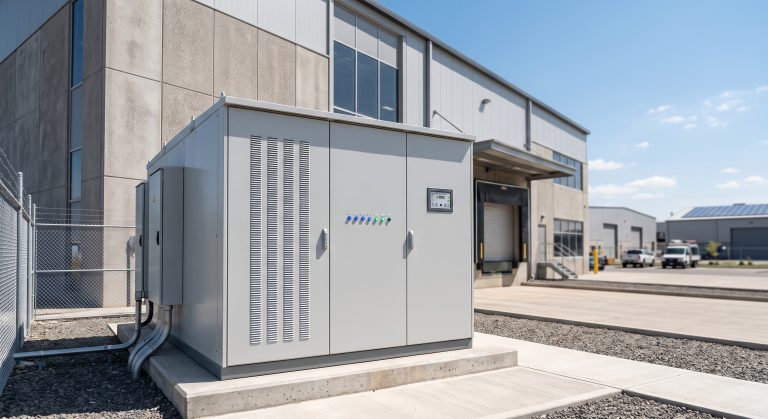
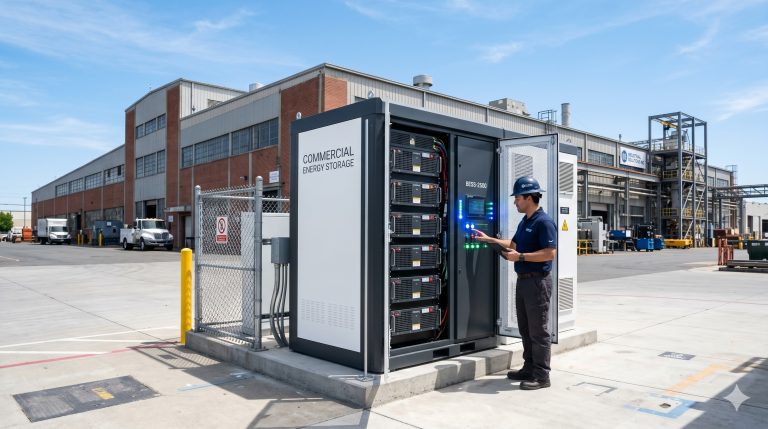
Global manufacturing and commercial sectors are facing an unprecedented convergence of volatile utility tariffs, tightening carbon regulations, and critical infrastructure instability. For C-suite executives and energy procurement managers, the outdoor containerized battery energy storage system (BESS) has emerged as the definitive asset for bridging this gap. Modern containerized storage is no longer a simple backup unit; it is a sophisticated, software-defined grid node integrating advanced Liquid Cooling PCS with Tier-1 LFP cell technology. This technical deep-dive provides a granular evaluation of system architecture, safety compliance, and quantifiable financial metrics—moving beyond marketing claims to deliver data-driven insights for industrial-scale deployment.
As facilities scale from 500 kWh to multi-MWh capacity, the engineering challenges surrounding thermal management, bi-directional power conversion, and grid synchronization intensify. We analyze the specific performance benchmarks—including round-trip efficiency, cycle life at 90% Depth of Discharge (DoD), and rapid response times—that distinguish high-grade outdoor containerized battery solutions. By examining certified compliance with IEC 62619, UL 9540, and UN38.3, this guide provides a strategic framework for optimizing Levelized Cost of Energy (LCOE) and ensuring a robust return on investment (ROI) through peak shaving and demand response participation.
Core Architecture & Battery Management: PCS and BMS Integration
Bi-Directional Power Conversion System (PCS) Topology
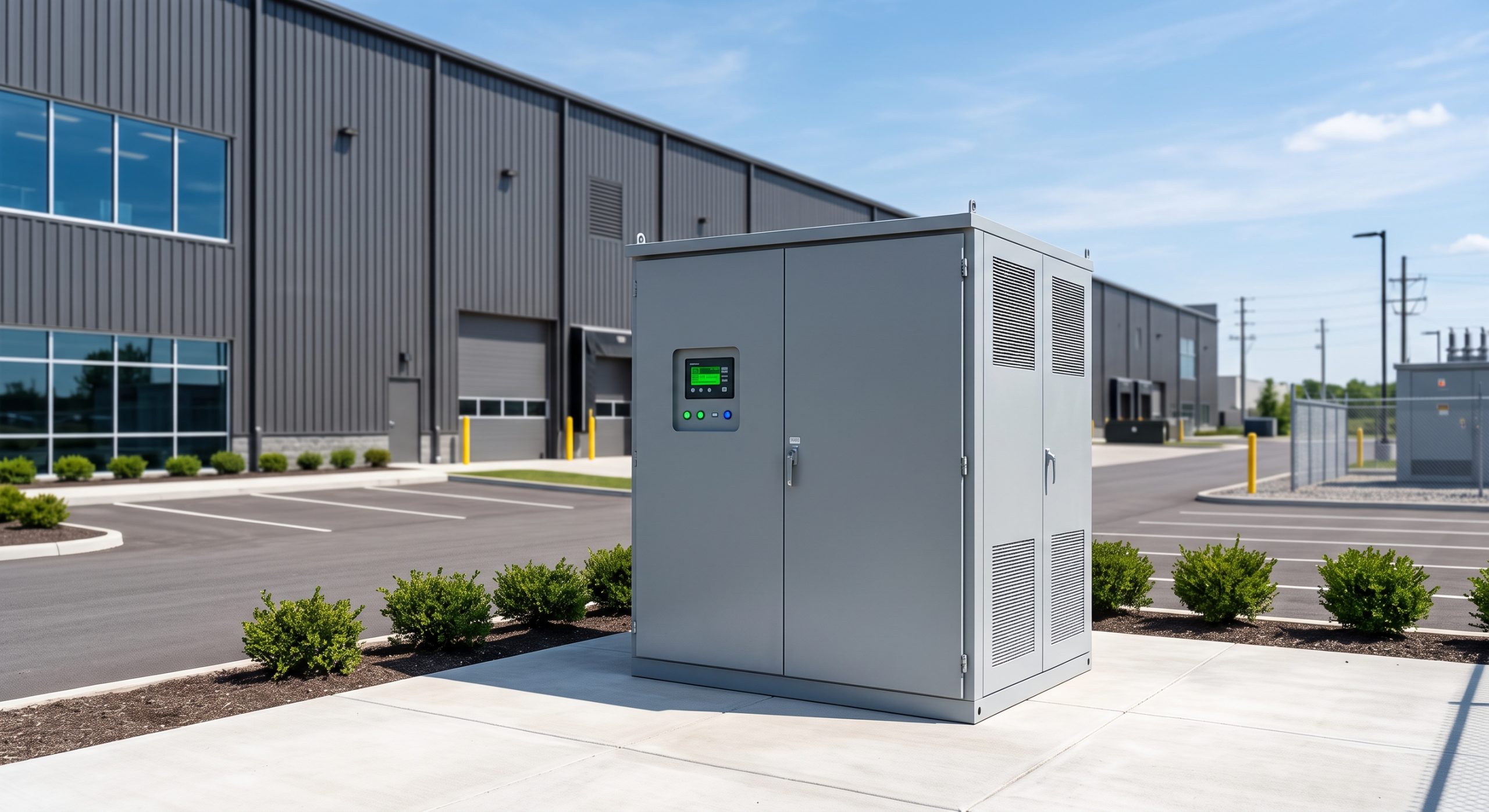
The heart of a high-performance outdoor containerized battery is its Power Conversion System. Advanced configurations now utilize a three-level topology that reduces harmonic distortion (THD < 3%) and achieves a peak efficiency of 98.5%. This integration is critical for PV-storage-charging synergy, enabling seamless AC/DC conversion to support EV supercharging stations and high-inductive industrial loads. The modular PCS design allows for N+1 redundancy, ensuring uptime reliability for mission-critical facilities. The EMS (Energy Management System) communicates directly with the PCS to execute smart dispatch algorithms, responding to grid frequency signals within milliseconds to capture ancillary service revenues.
Battery Management System (BMS) and Cell Balancing
Utilizing Tier-1 LFP (Lithium Iron Phosphate) cells—characterized by a nominal voltage of 3.2V and an energy density exceeding 180 Wh/kg—the BMS ensures cell-level monitoring with a sampling accuracy of ±1mV. Active cell balancing circuits prevent voltage drift, extending the pack’s usable life beyond 8,000 cycles. The BMS integrates a multi-level fire suppression architecture, including aerosol and gas detection systems, designed to mitigate thermal runaway risks at the earliest onset. This hardware-level protection is augmented by predictive analytics that forecast internal resistance changes, allowing for condition-based maintenance scheduling.
Liquid Cooling vs. Air Cooling: Thermal Efficiency Optimization
Thermal management is the singular most significant factor impacting the degradation curve of an outdoor containerized battery. While legacy systems rely on forced air circulation, the modern liquid cooling loop offers a superior thermal control coefficient, maintaining cell temperature differentials within ±2°C across the entire rack. This precision cooling is crucial for preventing hotspots that accelerate SEI (Solid Electrolyte Interphase) growth. A liquid-cooled system can increase round-trip efficiency by 2-3% in high-ambient environments (40°C+) and effectively double the cycle life compared to passively cooled units, providing a decisive advantage in industrial parks located in warmer climates.
Technical Specifications & Industry Standards
The following ledger provides a benchmark for evaluating the core capabilities of a Tier-1 outdoor containerized battery. These metrics directly correlate to system performance and are essential for engineering procurement and construction (EPC) tenders.
| Key Parameter | Technical Specification & Benchmark |
|---|---|
| Battery Chemistry | Tier-1 LFP (Lithium Iron Phosphate) with 3.2V nominal cells |
| Usable Energy Capacity | Configurable from 500 kWh to 5 MWh (DC side) |
| Cycle Life | >8,000 cycles @ 90% DoD (End of Life: 70% SOH) |
| Round-Trip Efficiency | ≥ 92% (DC-to-DC); ≥ 87% (AC-to-AC, including auxiliaries) |
| Thermal Management | Advanced Liquid Cooling (Maintains ±2°C cell differential) |
| Safety & Compliance | IEC 62619, UL 9540, UN38.3, CE, with multi-level fire suppression |
| PCS Efficiency | Peak >98.5%; THD <3%; Bi-directional grid-forming capable |
| Scalability | Modular parallel topology via common DC busbar |
| Ingress Protection | IP55 (Outdoor rated); C5 Corrosion protection optional |
Commercial ROI & Grid Support: Peak-Shaving and LCOE Analysis
Deploying an outdoor containerized battery transforms energy costs through strategic peak shaving. By analyzing historical interval data, the EMS discharges during peak tariff periods, reducing capacity charges by 30-40% annually. The rapid response of the liquid cooling PCS enables seamless participation in frequency regulation markets (FCAS), generating a secondary revenue stream with payback periods under 3 years. The Total Cost of Ownership (TCO) analysis reveals that despite higher upfront CapEx, the extended cycle life (8,000+ cycles) reduces the amortized cost per kWh to less than $0.05, outperforming traditional diesel generators which have a fuel cost exceeding $0.30/kWh. Furthermore, business operations gain resilience against grid instability and voltage sag events, protecting high-value industrial processes.
Deployment Scenarios: Micro-Grids and EV Supercharging
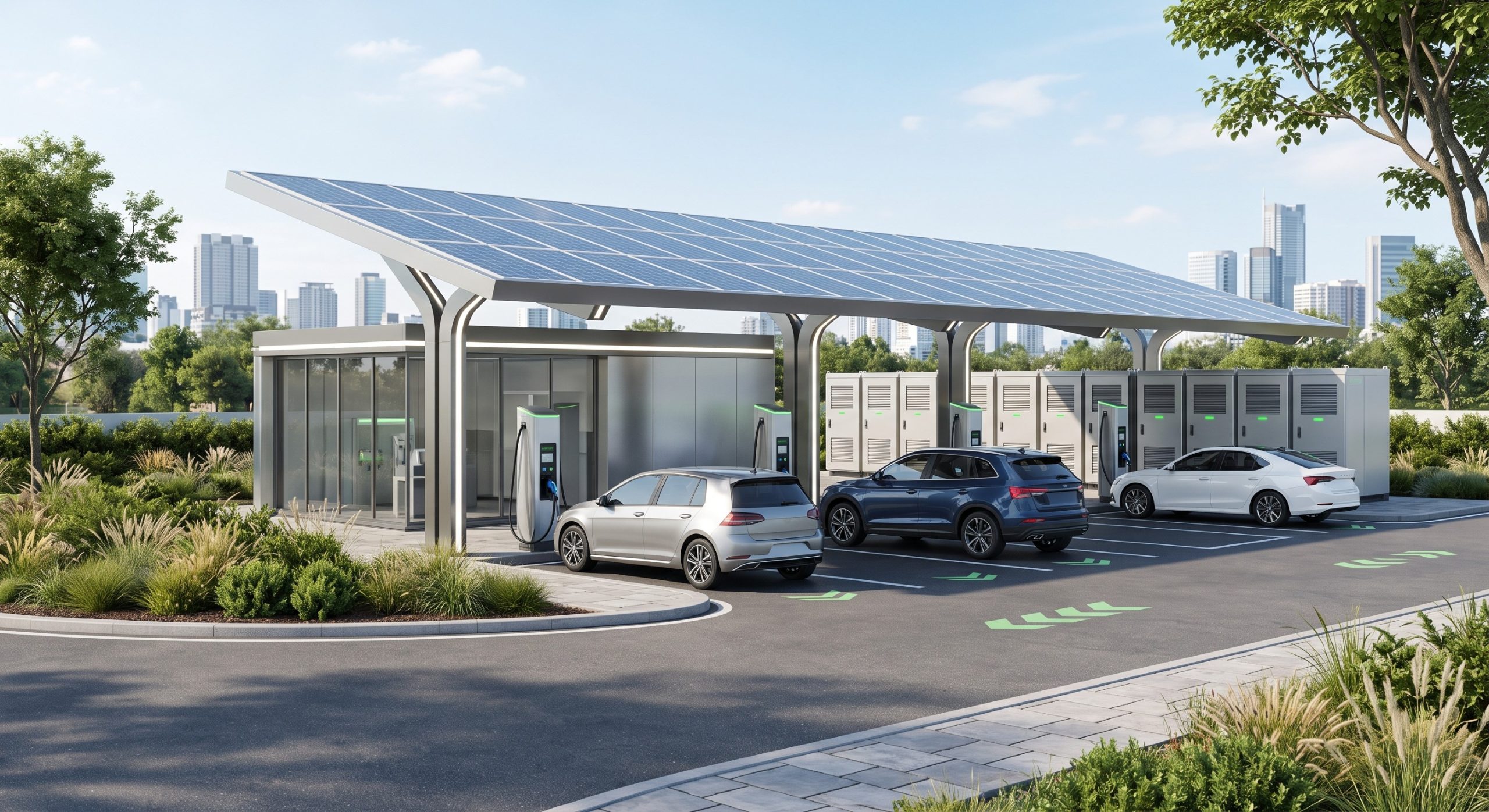
The modularity of the outdoor containerized battery facilitates rapid turnkey deployment in distributed energy sites. In remote micro-grids, the container replaces diesel gensets, reducing carbon footprint by 80% and eliminating fuel logistics risks. Urban deployment aligns with EV charging infrastructure, where the BESS buffers grid demand, enabling high-power DC charging without costly utility upgrades. The sealed container ensures ingress protection (IP55) against dust and water jets, while the integration of smart metering ensures accurate measurement and verification (M&V) for regulatory compliance.
Conclusion: De-risking the Energy Transition
Investing in a high-specification outdoor containerized battery is a strategic imperative for C&I entities aiming for energy independence and cost certainty. The combination of Tier-1 LFP cells, liquid cooling thermal management, and intelligent EMS offers a solution that balances the extremes of safety and performance. To maximize asset value, procurement teams must prioritize manufacturers with proven UL 9540 listing and IEC 62619 certification, ensuring the system is VPP-ready for future smart grid integration. As the renewable landscape evolves, the data-driven management of these assets will become the key differentiator between operational leaders and those constrained by legacy energy infrastructure.